
Many people experience mild discomfort when seasons change—think occasional coughs, congestion, or minor body aches—and prefer gentle, natural options to support day-to-day well-being. These common issues can disrupt routines, especially when standard over-the-counter products don’t suit everyone. Thyme (Thymus vulgaris), a well-known Mediterranean herb, has been used in traditional wellness practices for centuries and is now gaining renewed attention thanks to scientific research exploring its supportive potential.
Beyond its familiar culinary taste, thyme contains notable plant compounds—especially thymol and carvacrol—that help explain why this herb has such a strong reputation. Below, you’ll discover what makes thyme unique, how it may fit into a balanced wellness routine, and practical ways to use it safely at home.

Why Thyme Is More Than a Kitchen Herb
Thymus vulgaris is packed with bioactive constituents that have become a focus of modern research. The most discussed are thymol and carvacrol, aromatic phenolic compounds responsible for thyme’s distinctive scent and many of its studied properties.
Scientific literature—including findings reported in sources such as the International Journal of Molecular Sciences—has observed that thymol and carvacrol can show antimicrobial and anti-inflammatory activity in laboratory settings. In various studies, thyme-derived compounds have demonstrated effects against certain microbes, including:
- Bacteria such as E. coli and Staphylococcus aureus
- Fungi such as Candida albicans
Thyme also contributes a range of nutrients that support general health, including:
- Vitamin K
- Iron
- Calcium
- Manganese
These nutrients play roles in foundational wellness areas such as immune function, circulation support, and bone health.
Thyme for Seasonal Respiratory Comfort
One of thyme’s best-known traditional uses is supporting respiratory comfort, particularly during seasonal coughs, throat irritation, or congestion. It is often described as having expectorant-like qualities that may help loosen mucus, while its anti-inflammatory profile may help calm irritated airways.
Some research suggests thyme may be helpful as a supportive option for general respiratory discomfort, including situations like bronchitis. In particular, thymol has been studied for its potential role in helping reduce inflammatory responses in the respiratory tract—one reason thyme is commonly found in herbal teas and traditional syrups used for cough comfort.
How Thyme May Support Minor Aches and Inflammation
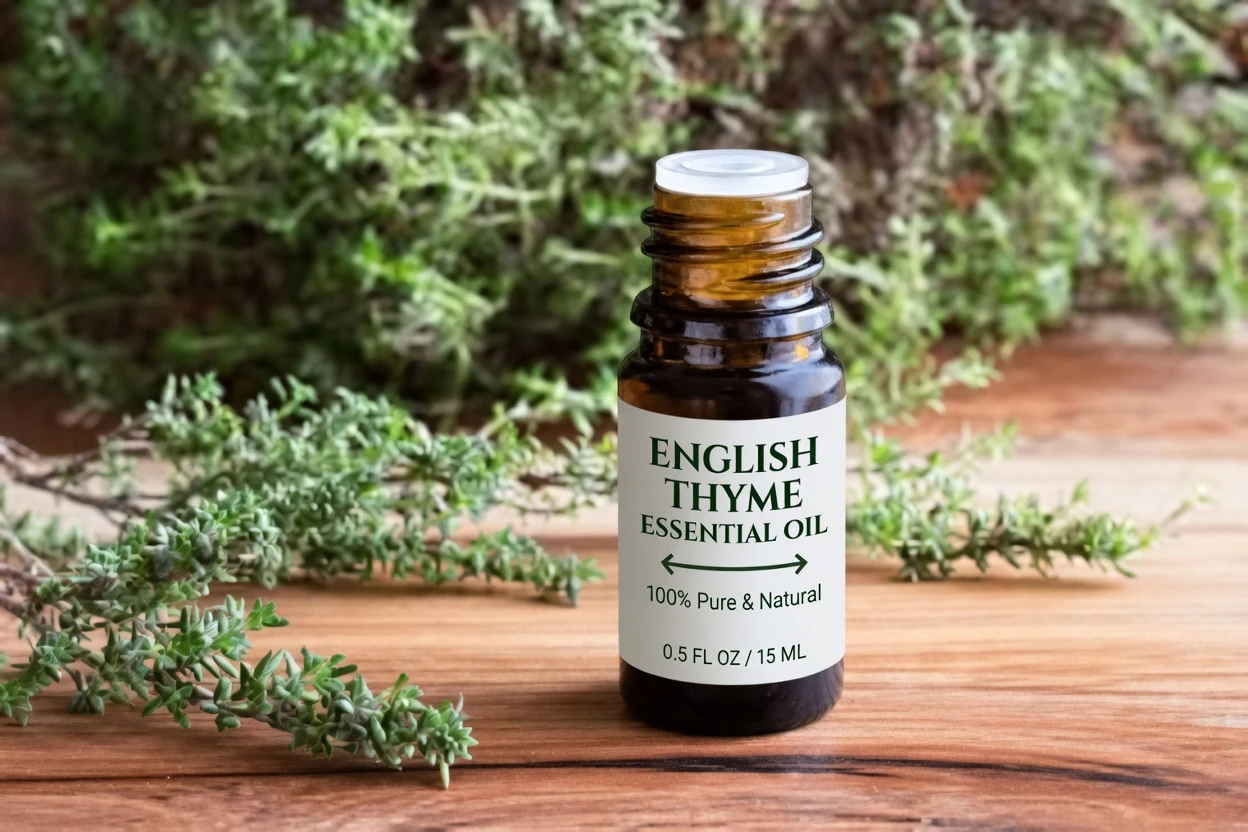
Thyme’s anti-inflammatory reputation isn’t limited to breathing comfort. In topical use, properly diluted thyme essential oil is sometimes explored as a supportive option for minor muscle or joint discomfort.
Preclinical research (lab and animal models) has linked thymol and carvacrol to mechanisms involved in inflammation reduction. While this does not guarantee the same effects for everyone, it helps explain why some people use thyme preparations for everyday discomfort such as:
- Post-exercise soreness
- Occasional stiffness related to aging or overuse
- Targeted comfort during massage or compress use
As part of a broader wellness approach, thyme may serve as a complementary, gentle option for occasional aches.
Everyday Wellness: Antioxidants and Immune Support
Thyme contains antioxidants, which help the body manage oxidative stress—a process associated with many common health concerns. It also provides nutrients that contribute to daily wellness:
- Vitamin K supports normal blood clotting and contributes to bone maintenance.
- Iron supports oxygen transport and energy metabolism.
- Manganese contributes to antioxidant enzyme function and overall metabolic health.
Because of this combination of antioxidants and micronutrients, thyme is often used as an easy, food-based way to support the body’s natural defenses.

Practical Ways to Use Thyme at Home (Safely)
Incorporating thyme into your routine can be simple and accessible. Here are a few common methods:
-
Herbal thyme tea
- Steep 1–2 teaspoons of dried thyme in hot water for 5–10 minutes.
- Strain and sip slowly.
- Optional: add honey or lemon for flavor and comfort.
-
Cook with thyme regularly
- Add fresh or dried thyme to:
- Soups and broths
- Roasted vegetables
- Meat, fish, or legumes
- This is one of the easiest ways to enjoy thyme’s flavor and nutritional value consistently.
- Add fresh or dried thyme to:
-
Topical use (essential oil must be diluted)
- Mix 1–2 drops of thyme essential oil with 1 teaspoon of a carrier oil (such as coconut or jojoba).
- Apply to a small area first (patch test), then use for localized comfort if tolerated.
-
Steam inhalation (use caution)
- Add one drop of thyme essential oil to a bowl of hot water.
- Inhale the steam gently at a safe distance to avoid irritation.
These approaches align with both traditional use and modern safety guidance—keeping the routine manageable and low-effort.
Key Thyme Compounds and What They’re Known For
-
Thymol
- Studied for strong antimicrobial activity
- Often associated with oral, skin, and respiratory comfort support
-
Carvacrol
- Linked to anti-inflammatory effects in research
- Also studied for antimicrobial properties
-
Nutrients and supportive compounds
- Vitamin K for bone-related support
- Manganese and other minerals contributing to antioxidant activity
Many studies emphasize that thyme’s essential oil and herb profile may work through a synergy of multiple compounds, rather than a single ingredient alone.
Safety Considerations and Precautions
Thyme is generally considered safe when used in typical food amounts. However, thyme essential oil is concentrated and requires extra care:
- Always dilute essential oil to reduce risk of skin irritation.
- Do not ingest undiluted essential oil.
- Speak with a healthcare professional if you are:
- Pregnant or breastfeeding
- Taking medications
- Managing chronic health conditions
- Possible reactions in sensitive individuals may include:
- Stomach discomfort
- Skin irritation
- Allergic symptoms
Moderation and individualized guidance matter, especially when using concentrated products.
Conclusion: A Simple Herb With Wide Wellness Potential
Thyme is a versatile, time-honored herb with a strong culinary role and growing research interest. Thanks to compounds such as thymol and carvacrol, along with supportive nutrients, thyme is often used to promote respiratory comfort, minor ache support, and everyday immune wellness.
Whether you add it to meals, brew it into tea, or use it topically in diluted form, thyme can be an approachable way to support a balanced wellness routine—while research continues to explore its full potential.
Frequently Asked Questions (FAQ)
-
Is thyme safe to use every day?
For most people, thyme is generally safe in culinary amounts or as herbal tea. Essential oil should always be properly diluted and used carefully. -
Can thyme help with seasonal coughs?
Thyme tea is widely used for traditional respiratory support. Its plant compounds may help promote comfort during seasonal throat and cough issues. -
How should thyme be stored for best freshness?
Store dried thyme in an airtight container, away from heat and direct light, to help preserve aroma and potency for months.
Disclaimer: This article is for informational purposes only and does not provide medical advice. Thyme and its compounds may offer supportive benefits based on available research, but they are not a substitute for professional diagnosis or treatment. Consult a qualified healthcare provider before using herbs or essential oils, especially if you have medical conditions, take medications, are pregnant, or are breastfeeding. Individual results may vary.