Feel Stronger After 50 With 12 Everyday Natural Foods
Reaching 50 can come with changes you did not expect. You may feel tired sooner, notice more stiffness in your joints, or realize that routine tasks now leave you low on energy by the middle of the day. While these changes are common with age, they do not have to control how you live.
One of the most effective ways to support your body after 50 is through food. A few smart adjustments in your daily meals can improve energy, mobility, focus, and overall well-being. Even better, you do not need a complicated diet to make it work. Just 12 simple natural foods can easily become part of your regular routine and help you stay active, strong, and vibrant.
By the end of this article, you will also find a practical 7-day meal plan to help you put everything into action right away.
Why Nutrition Becomes More Important After 50
After age 50, the body starts to work a little differently. Metabolism tends to slow, muscle mass gradually decreases, and low-grade inflammation may become more common. Because of these shifts, the foods you eat matter even more than before.
A nutrient-rich diet can help:
- Maintain steady energy
- Protect bone strength
- Support muscle function
- Improve digestion
- Keep the mind sharp
- Promote heart and joint health
Research consistently shows that eating more colorful fruits and vegetables, healthy fats, and high-quality protein can support healthy aging. The good news is that you do not need expensive supplements or restrictive eating plans. Daily consistency with simple foods can go a long way.
12 Natural Foods to Eat Every Day After 50
These foods are affordable, easy to find, and simple to prepare. Each one delivers important nutrients linked to better health and everyday function as you age. If using all 12 feels like too much at first, begin with just a few. Small improvements can create real results.
Here are the 12 foods and why they belong on your plate:
- Sweet potatoes – Rich in beta-carotene and fiber to support balanced energy and blood sugar
- Blueberries – Loaded with antioxidants that may help preserve memory and mental clarity
- Spinach and leafy greens – Provide vitamin K and magnesium for bones and muscles
- Almonds – Offer vitamin E and heart-friendly fats that protect cells and skin
- Salmon – Supplies omega-3 fatty acids associated with joint comfort and mood balance
- Avocados – Contain healthy monounsaturated fats for lasting energy and heart support
- Eggs – Deliver complete protein and choline for muscles and brain health
- Greek yogurt – Combines calcium and probiotics for bones and digestive wellness
- Lentils – Give plant protein and fiber that help you stay full and energized
- Walnuts – Provide omega-3s and polyphenols for heart and brain support
- Broccoli – Packed with vitamins C and K plus sulforaphane for cellular protection
- Oats – Contain soluble fiber that supports cholesterol and steady energy
Still, the real benefit comes from using these foods regularly in ways that fit your life.
Sweet Potatoes: A Reliable Source of Lasting Energy
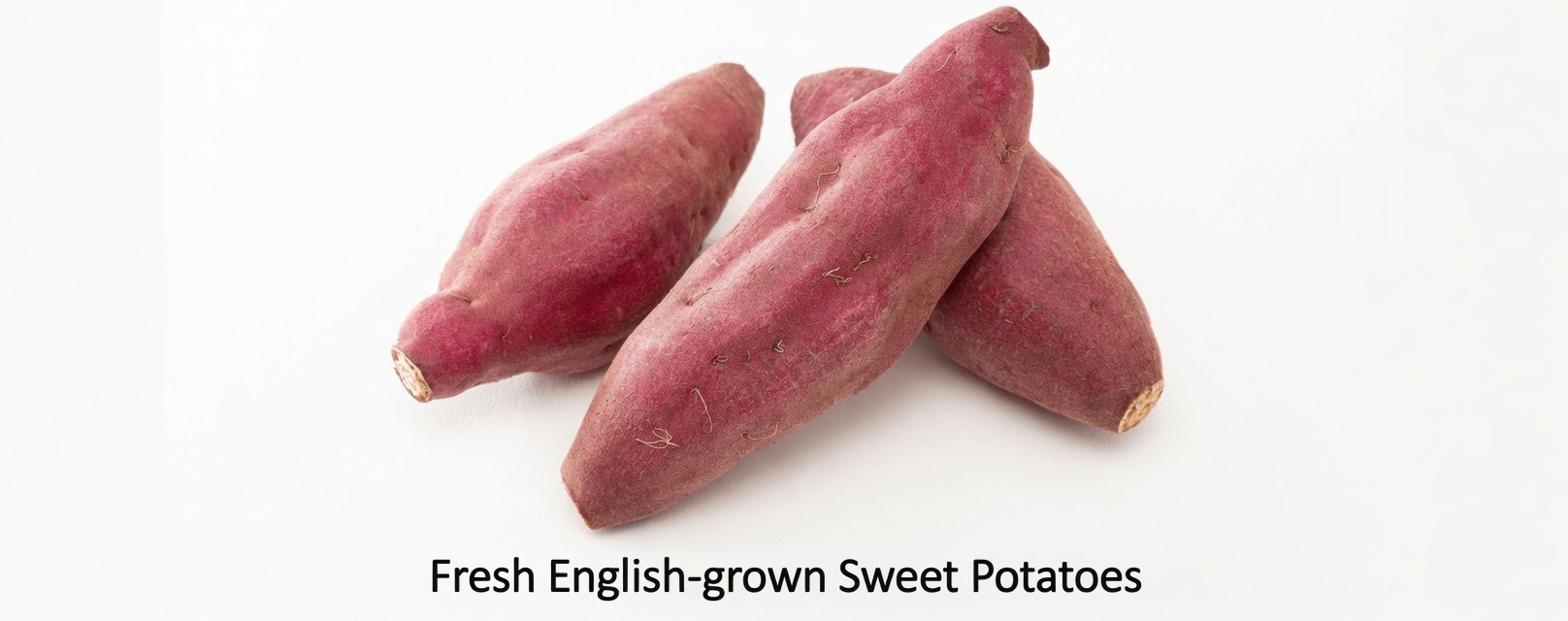
Sweet potatoes are one of the best foods to include after 50 because they combine complex carbohydrates, fiber, and vitamin A in one easy ingredient. Nutrition research has highlighted their antioxidant content, which may help reduce oxidative stress that tends to build with age. One medium sweet potato can provide close to 400% of your daily vitamin A needs, making it especially helpful for eye and immune health.
Simple ways to eat them every day:
- Bake one at 400°F for about 45 minutes and add cinnamon for breakfast
- Mash with olive oil as a healthier replacement for white potatoes at dinner
- Slice into wedges, season with herbs, and air-fry for a crisp snack
Because they release energy slowly, sweet potatoes may help prevent that familiar afternoon crash. They also keep well for weeks, making meal planning easier.

Blueberries for Brain Health and Sharper Thinking
Blueberries may be small, but they bring major benefits. Large studies, including research from Tufts University, suggest that eating blueberries regularly is linked with better memory and quicker thinking in adults over 50. Their flavonoids can cross into the brain and help protect nerve cells from everyday stress.
Easy ways to use them:
- Add a handful to Greek yogurt in the morning
- Blend with spinach for a quick smoothie
- Stir into oatmeal for a naturally sweet breakfast
Frozen blueberries work just as well as fresh and are often more budget-friendly, so they are a smart staple to keep on hand.
Leafy Greens for Bone Strength and Daily Function
Spinach, kale, and other leafy greens are excellent sources of vitamin K, calcium, magnesium, and fiber. Research published in the American Journal of Clinical Nutrition found that higher intake of green vegetables is associated with stronger bone mineral density after age 50.
They are also simple to use:
- Sauté greens with eggs at breakfast
- Add them to salads, soups, or grain bowls
- Microwave a serving for a fast side dish in minutes
A single cooked cup delivers more nutrition than many people realize, and the fiber can also support smoother digestion.
Almonds and Walnuts for Heart Protection
A small daily portion of nuts can make a meaningful difference. Almonds and walnuts provide healthy fats, magnesium, and vitamin E. The well-known PREDIMED study found that people who included nuts in their diet regularly showed better heart-health markers over time.
They can also help with appetite control, making it easier to avoid processed snacks that lead to energy dips.
Try them this way:
- Keep a jar at your desk or in the car
- Add chopped walnuts to oats or yogurt
- Eat a handful of almonds as an afternoon snack
Their crunch and richness also make healthy meals feel more satisfying.
Salmon for Joint Comfort and Movement
Salmon is one of the best sources of omega-3 fatty acids, which have been widely studied for their role in supporting joint flexibility and easing everyday stiffness. The American Heart Association recommends eating fatty fish at least twice a week, and many people report better comfort and mobility when they do so consistently.
Ways to include salmon:
- Grill or bake fillets on the weekend for easy meals during the week
- Flake leftover salmon over salads or grain bowls
- Use canned wild salmon as a lower-cost alternative
Adding salmon regularly can support not only joints, but also heart and brain health.
Avocados for Smooth, Lasting Energy
Avocados offer monounsaturated fats that help your body absorb nutrients more efficiently. Research published in the Journal of Nutrition has linked avocados with better blood sugar balance and more sustained energy, making them a smart choice for long afternoons when you want to stay productive and active.
Easy ideas:
- Spread half an avocado on whole-grain toast
- Slice it into salads or wraps
- Mash it as a creamy topping for eggs or lentil bowls
Once ripe, avocados can usually last another two to three days in the refrigerator.
Eggs: Fast, Affordable, and Nutrient-Dense
Eggs are one of the easiest high-protein foods you can eat. They contain complete protein along with choline, a nutrient many adults over 50 do not get enough of. Choline has been linked to brain function, while the protein in eggs helps support muscle maintenance.
Simple ways to use eggs:
- Scramble them with spinach and tomatoes
- Hard-boil a batch for quick snacks
- Add them to salads or grain bowls
Two eggs take only a few minutes to prepare and can keep you satisfied for hours.
Greek Yogurt for Bone and Gut Support
Greek yogurt stands out because it provides more protein than regular yogurt and is also rich in calcium. Its live cultures may support digestion and gut comfort. Research from the Framingham Osteoporosis Study has pointed to dairy and probiotic-rich foods as useful for long-term bone health.
Good ways to enjoy it:
- Use it as the base for overnight oats
- Top with blueberries and walnuts
- Eat it as a protein-rich afternoon snack
Choose plain Greek yogurt when possible and add your own fruit or a small drizzle of honey.
Lentils for Steady Energy and Fullness
Lentils are inexpensive, cook quickly, and deliver a strong combination of plant protein and fiber. Studies published in the British Journal of Nutrition suggest that diets rich in legumes may support heart health and healthy weight management after 50.
Easy uses for lentils:
- Make a large pot of lentil soup for the week
- Toss cooked lentils into salads
- Pair them with broccoli or leafy greens for a simple lunch
They help create long-lasting fullness, which can make energy feel more stable throughout the day.
Walnuts, Broccoli, and Oats: The Final Three Essentials
These final three foods help complete a strong daily routine:
- Walnuts support the brain and heart with omega-3 fats and beneficial plant compounds
- Broccoli offers vitamins C and K along with sulforaphane, which helps protect cells
- Oats provide soluble fiber that supports cholesterol levels and delivers slow, steady morning energy
A simple daily pattern could look like this:
- Breakfast: oats with blueberries and walnuts
- Lunch: lentil salad with spinach and avocado
- Snack: Greek yogurt with almonds
- Dinner: salmon or eggs with sweet potato and broccoli

5 Easy Ways to Add These Foods Without Spending More Time
You do not need to cook from scratch every day to eat well. These simple strategies make the process easier:
- Cook sweet potatoes and lentils on Sunday so they are ready to reheat
- Keep frozen spinach and blueberries in the freezer for quick smoothies
- Replace white rice or bread with oats or lentils a couple of times each week
- Carry a small mix of almonds and walnuts when you are away from home
- Use Greek yogurt in place of sour cream or mayonnaise in recipes
These small swaps require very little effort, but over time they can have a big impact on how you feel.
Your 7-Day Starter Meal Plan
Here is a simple 7-day plan that uses these foods in practical, repeatable ways.
Monday
- Breakfast: Oatmeal with blueberries and walnuts
- Lunch: Spinach omelet
- Dinner: Baked salmon with sweet potato and broccoli
Tuesday
- Breakfast: Greek yogurt with blueberries and almonds
- Lunch: Baked sweet potato topped with lentils and sautéed spinach
- Dinner: Avocado and egg toast with a side of broccoli
Wednesday
- Breakfast: Greek yogurt parfait with almonds and blueberries
- Lunch: Salmon salad with leafy greens and avocado
- Dinner: Lentil soup with broccoli and whole oats on the side
Thursday
- Breakfast: Oats topped with walnuts and cinnamon
- Lunch: Spinach and egg scramble with sliced avocado
- Dinner: Roasted sweet potato with salmon and steamed broccoli
Friday
- Breakfast: Smoothie with spinach, blueberries, and Greek yogurt
- Lunch: Lentil salad with leafy greens and walnuts
- Dinner: Egg and broccoli bowl with avocado on the side
Saturday
- Breakfast: Overnight oats with blueberries and almonds
- Lunch: Greek yogurt bowl with walnuts and fruit
- Dinner: Baked salmon with mashed sweet potato and sautéed spinach
Sunday
- Breakfast: Scrambled eggs with spinach and avocado
- Lunch: Lentil and broccoli soup
- Dinner: Oat-crusted salmon with roasted sweet potato and leafy green salad
Final Thoughts
Aging does bring change, but it does not mean giving up energy, strength, or enjoyment in daily life. The foods you choose can play a powerful role in how you feel after 50. By regularly eating these 12 natural foods, you give your body the support it needs for better energy, stronger bones, healthier joints, and clearer thinking.
Start simply. Pick two or three foods from the list, use the meal plan as a guide, and build from there. Consistency matters far more than perfection, and even small changes can help you feel better sooner than you expect.