
Three Vitamins Dr. John Scharffenberg Prioritizes for Healthy Aging
As the years go by, many people begin to notice subtle but meaningful changes: afternoon energy dips, skin that feels drier and less elastic, or joints that make everyday movement feel a little harder than it once did. These small shifts can add up, leaving many adults searching for realistic ways to stay healthy and active without following extreme routines or chasing miracle solutions.
That is why the habits of someone who has remained energetic and independent for more than a century are so compelling. Dr. John Scharffenberg, a 101-year-old nutrition professor who still drives, lectures, and works in his garden, draws attention to three vitamins he considers especially important each day. What makes his approach so appealing is that he gets most of them from ordinary foods and simple daily habits rather than depending entirely on supplements.
Who Is Dr. John Scharffenberg?
Dr. John Scharffenberg is a Harvard-trained physician and a longtime nutrition professor at Loma Linda University in California. Even at 101, he continues to lead an active life, traveling, teaching, and caring for his strawberry garden. His routine is built around a mostly plant-based eating pattern, regular physical activity, and awareness of nutrient deficiencies that often become more common with age.
Research from organizations such as the National Institutes of Health suggests that key vitamins play an important role in maintaining wellness, particularly after age 50, when nutrient absorption and lifestyle habits can shift. What sets Dr. Scharffenberg apart is the practicality of his message. He does not promote expensive products or complicated programs. Instead, he focuses on steady, everyday choices that are manageable for most people.

While many adults automatically take a multivitamin, Dr. Scharffenberg pays closer attention to three specific nutrients. His strategy is to prioritize food first and use supplements only when they are truly needed. Here is a closer look at those three vitamins and how they can fit into daily life.
Vitamin D: A Common Deficiency With Big Benefits
Vitamin D is essential because it helps the body absorb calcium, supports bone health, and contributes to immune function. Many adults do not get enough of it, especially those who spend a lot of time indoors or live in places with limited sunlight. As people age, the skin also becomes less efficient at producing vitamin D from sun exposure, making this nutrient even more important.
Dr. Scharffenberg notes that moderate, consistent sunlight can help. Spending around 10 to 15 minutes outside a few times each week, with sun on the arms and legs, may be enough for some individuals. He also points to fortified foods as useful additions to the diet. If blood work shows low levels, a healthcare professional may recommend a supplement, often in the range of 1,000 to 2,000 IU per day depending on personal needs.
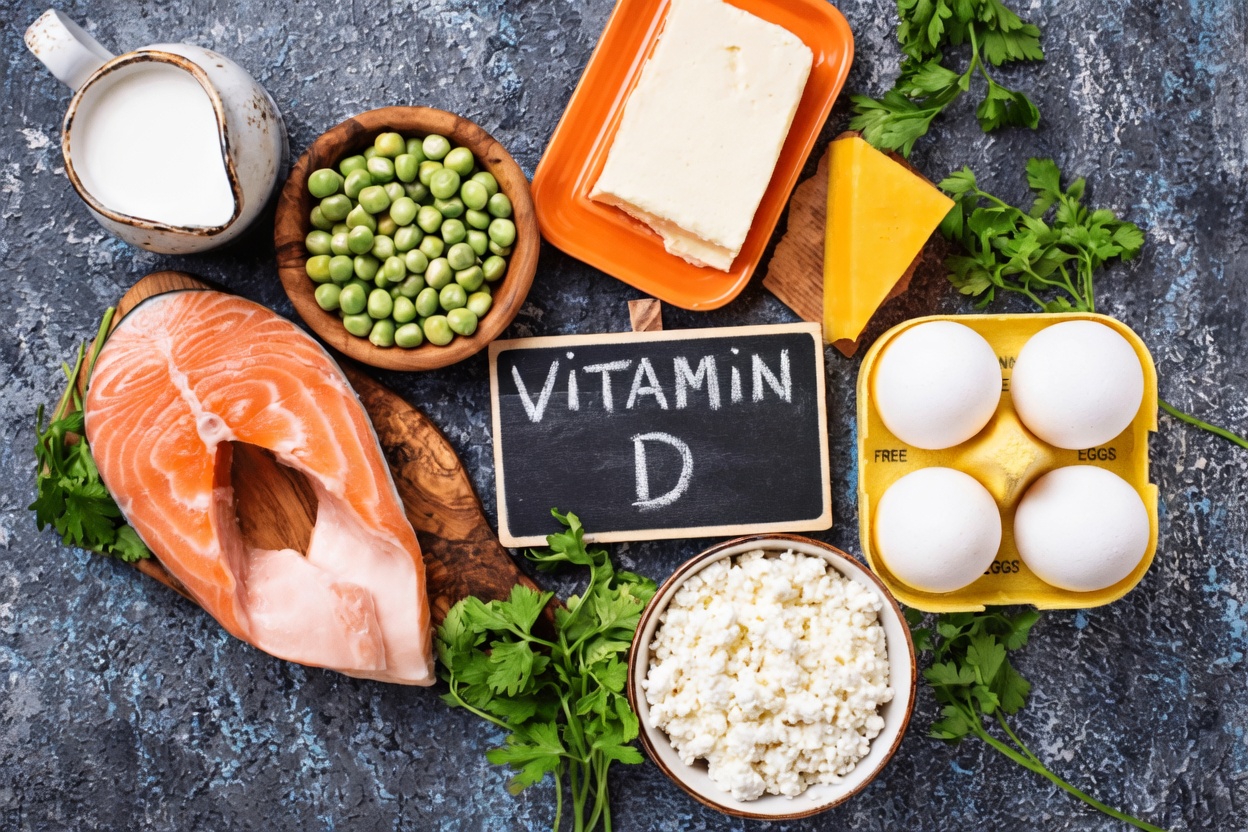
Easy ways to increase vitamin D
- Eat fatty fish such as salmon if it fits your diet, ideally a couple of times per week
- Choose fortified plant-based milks or fortified orange juice
- Include egg yolks occasionally if appropriate for your eating style
- Use mushrooms that have been placed in sunlight before cooking
The most important factor is regular intake. General nutrition research suggests that correcting low vitamin D levels may help many people feel more balanced and energized.
Vitamin B12: Important for Energy, Nerves, and Brain Function
Vitamin B12 helps form red blood cells, supports proper nerve function, and contributes to cognitive health. After age 50, absorption often becomes less efficient because the stomach may produce less intrinsic factor, which is necessary for B12 uptake. This issue is especially relevant for older adults and for people who eat a vegetarian or mostly plant-based diet.
Dr. Scharffenberg, who has followed a plant-forward diet for many years, emphasizes that B12 should not be overlooked. Studies, including findings published in journals such as the American Journal of Clinical Nutrition, show that B12 levels can gradually decline over time. Low levels may contribute to tiredness, weakness, or mild memory issues that are sometimes mistaken for normal aging.
The encouraging part is that B12 status is easy to check with a routine blood test, and any deficiency is usually simple to address.
Practical ways to support vitamin B12 intake
- Pick fortified breakfast cereals
- Add nutritional yeast to salads, soups, or cooked meals
- Include dairy products or eggs if they fit your preferences
- Ask your doctor whether a daily chewable or sublingual supplement of 250 to 500 mcg makes sense
- Pair B12-rich choices with folate-containing foods like leafy greens
Dr. Scharffenberg encourages older adults and vegetarians in particular to talk openly with their healthcare provider about B12 instead of guessing.
Vitamin A: A Plant-Based Ally for Vision, Skin, and Immunity
Vitamin A supports eye health, skin renewal, and immune defenses. In a mostly plant-based diet, it often comes in the form of beta-carotene from brightly colored fruits and vegetables. Unlike preformed vitamin A from animal sources, beta-carotene is converted by the body as needed, making it a safer and more flexible option for regular intake.
Population studies suggest that many adults still do not consume enough vitamin A-rich produce, often because colorful vegetables are crowded out by convenience foods or busy schedules. Dr. Scharffenberg regularly points to simple plant foods as the answer. Carrots, sweet potatoes, cantaloupe, spinach, and kale are among the foods he highlights because they are rich in beta-carotene and easy to work into meals.
Simple ways to eat more vitamin A-rich foods
- Snack on carrot sticks with hummus
- Roast sweet potatoes for an easy side dish a few times a week
- Add cantaloupe to breakfast or blend it into smoothies
- Include spinach or kale in salads, soups, or stir-fries
A small habit, such as adding one orange or dark green vegetable to each meal, can make a noticeable difference over time.
How to Add These Vitamins to Your Daily Routine
Knowing which nutrients matter is helpful, but turning that knowledge into action is what creates results. A simple way to begin is to focus on one vitamin at a time. Build one new habit this week, stay consistent for two to four weeks, and pay attention to how you feel. Some people notice steadier energy, better skin texture, or an overall sense of improved well-being from these basic adjustments.
A simple starter plan
- Morning: Use fortified plant milk in coffee, oatmeal, or cereal to support vitamin D and B12 intake.
- Lunch: Add carrots, spinach, kale, or sweet potato to your meal for more beta-carotene.
- Afternoon: Take a 10-minute walk outdoors for movement and potential sunlight exposure.
- Evening: Sprinkle nutritional yeast over dinner or include eggs if they work for your diet.
- Monthly or as advised: Ask your doctor about checking vitamin levels, especially D and B12.
These habits work best when paired with the basics Dr. Scharffenberg also values: daily movement, enough water, and quality sleep. His long-lasting vitality appears to come not from one secret formula, but from the repeated practice of simple healthy behaviors.

The most surprising part of his routine is also the most reassuring. Rather than relying mainly on pills, he gets most of these nutrients from whole foods and sunlight. That makes his approach sustainable, affordable, and easy to maintain over the long term.
Common Questions About Vitamins and Healthy Aging
Can you get all three vitamins from food alone?
In some cases, yes. A diet rich in colorful produce, fortified foods, and regular time outdoors may provide enough for many people. However, vitamin B12 and vitamin D can still be difficult for older adults to maintain at ideal levels, especially with limited sun exposure or reduced absorption. That is why targeted testing and professional guidance are often helpful.
How quickly might someone notice benefits?
Results vary from person to person. Some individuals report more stable energy or healthier-looking skin within a few weeks of improving their intake, while for others the changes are more gradual. The key is consistency rather than expecting overnight results.
Should everyone take supplements?
Not necessarily. Dr. Scharffenberg’s example shows that food-first nutrition can go a long way. Supplements can be useful when blood tests reveal a deficiency or when diet and lifestyle are not enough to meet needs. The best choice depends on age, diet, health status, and medical advice.
The Takeaway
Dr. John Scharffenberg’s message is refreshingly simple: healthy aging does not have to be complicated. By paying attention to vitamin D, vitamin B12, and vitamin A, and by getting most of them through whole foods, fortified staples, and sensible sun exposure, it is possible to support energy, bone strength, skin health, immunity, and cognitive function in a practical way.
His daily habits show that long-term vitality is often built on ordinary actions repeated consistently. For anyone looking for a realistic path to healthier aging, that may be the most valuable lesson of all.