
Morning Abdominal Heaviness After 45: Why It Happens and What Can Help
Waking up with a heavy, bloated, or sluggish feeling in your lower abdomen is a common complaint—especially for adults over 45. That uncomfortable pressure can drag into the morning and make simple habits like eating breakfast feel like a chore. Many people deal with irregular bowel movements and end up relying on quick fixes that don’t improve the daily routines driving the problem.
Digestive discomfort, including occasional constipation, has become increasingly common. Research links it to familiar modern factors such as not drinking enough water, low fiber intake, high stress, and less day-to-day movement. The encouraging news is that gentle, natural habits can often support your body’s own timing. Later in this article, you’ll find a simple drink combination some people use for occasional support, along with the everyday changes that matter most for long-term digestive regularity.

Why Digestive Sluggishness Is So Annoying
Occasional constipation isn’t only about “skipping a day.” It typically means stool is moving too slowly through the intestines, causing it to become drier, firmer, and harder to pass. That can lead to straining, discomfort, and the frustrating sense that things are “stuck.”
Studies suggest roughly 16% of adults in North America experience constipation, and the number rises significantly with age—approaching about one in three adults after 60. Because the discomfort can feel urgent, many people reach for stimulant laxatives for fast relief. However, frequent use may interfere with the gut’s natural signaling for some individuals, increasing the risk of reliance over time.
A more sustainable approach is to support what your body already does well—by emphasizing hydration, fiber, and gentle movement. Just as important: consistent, small changes often outperform any single “magic” solution.
How Water and Fiber Work Together for Easier Bowel Movements
Hydration is more influential than many people expect. After several hours of sleep, mild dehydration is common. When your body is short on fluids, the colon can pull more water out of waste—making stool harder and more difficult to pass. Many people find that warm fluids in the morning help “wake up” digestion and encourage natural motility.
Fiber matters just as much, especially soluble fiber. A well-known example is psyllium husk, which absorbs water and forms a soft, gel-like texture. That gentle bulking effect can help stool hold moisture and move more comfortably through the digestive tract. Research on psyllium supplementation has associated it with improved stool consistency, more regular bowel movements, and in some cases, supportive effects on gut bacteria.
Here’s how this pairing can support digestion:
- Hydration first: Warm water may encourage natural gut movement after sleep.
- Gentle bulking from fiber: Psyllium expands with water, helping stool move along more easily.
- Microbiome support: Fiber can feed beneficial bacteria, which may reduce bloating for some people over time.
- Mild digestive cue: Lemon (citrus) may stimulate upper-digestive reflexes in some individuals.
Many people report fewer afternoon “heavy” feelings, steadier energy, and a greater sense of lightness when regularity improves. Predictable bathroom habits can also reduce daily stress and restore confidence.
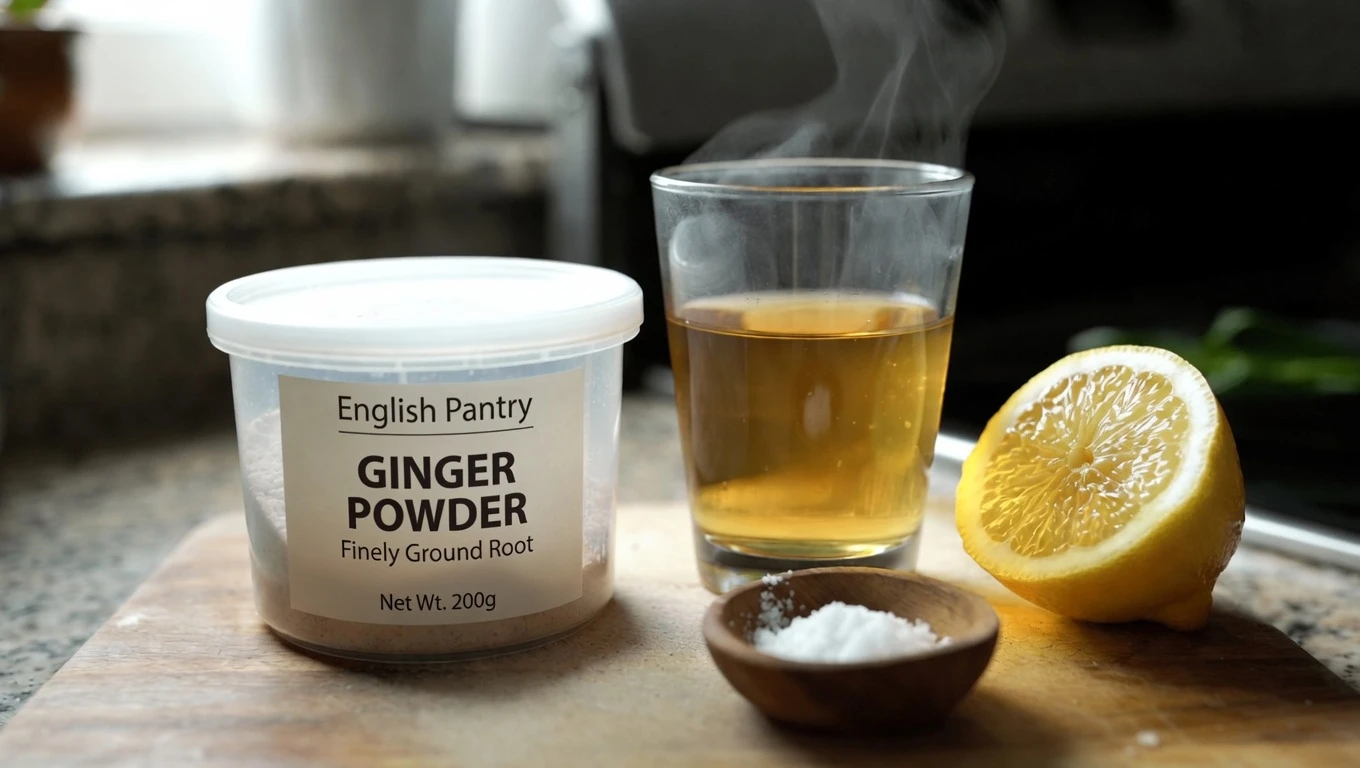
The Morning Drink Some People Use for Occasional Digestive Support
A simple mix of warm water, a small amount of mineral salt, fresh lemon juice, and psyllium husk combines several mechanisms: hydration support, a gentle osmotic effect from salt, citrus stimulation, and soluble fiber.
This is not a miracle fix—and it’s not meant to become a daily habit. Some people try it occasionally when digestion feels “off.”
How to Prepare It (Occasional Use Only)
- Warm 1 liter (about 4 cups) of filtered water (warm, not hot).
- Add 2 teaspoons of mineral salt (such as sea salt or Himalayan salt) and stir until fully dissolved.
- Squeeze in the juice of half a fresh lemon.
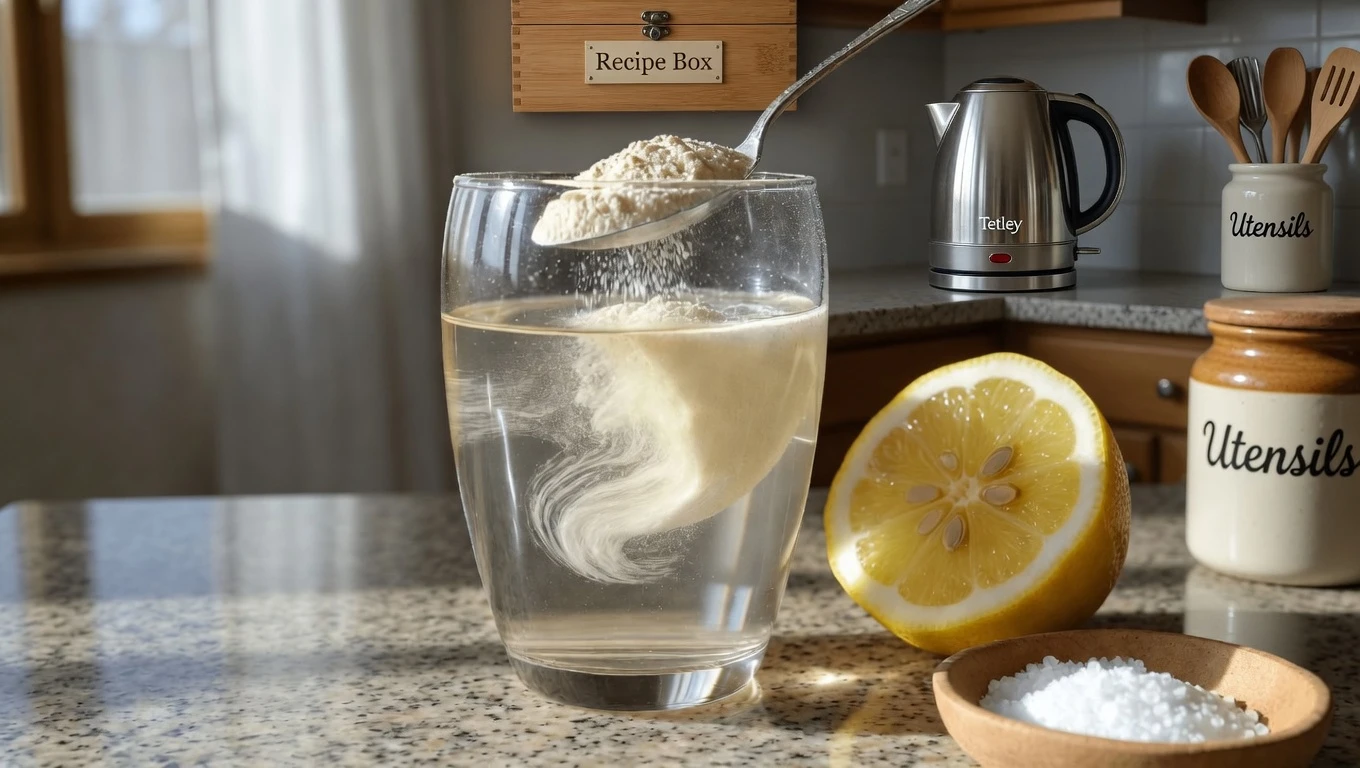
- Mix in 1 tablespoon of psyllium husk powder, stirring quickly before it thickens.
- Drink promptly on an empty stomach (first thing in the morning, or at least a couple of hours after eating).
- Follow with light walking or a gentle abdominal massage to encourage movement.
- Drink additional plain water afterward to maintain hydration.
People respond differently. Some notice activity within 10–30 minutes, while others experience a milder, slower effect. Pay attention to your body and keep the approach occasional.
Safety Considerations to Know First
- Use only occasionally, not as a daily routine.
- If you have high blood pressure, kidney disease, heart conditions, or any medical concern that affects fluid or sodium balance, consult a healthcare professional before increasing salt intake.
- If you’re new to psyllium, start cautiously—too much too soon can cause temporary gas or bloating.
- Persistent or severe digestive problems deserve professional medical guidance, not self-treatment.
Daily Habits That Create Long-Term Digestive Regularity
A drink may offer a short-term nudge, but lasting digestive support comes from consistent fundamentals. Focus on building these habits:
- Increase fiber gradually: Work toward 25–40 grams per day using whole foods like vegetables, fruit, oats, legumes, and seeds.
- Hydrate throughout the day: Many adults do well around 2 liters daily, adjusted for body size, climate, and activity.
- Add probiotic foods: Yogurt, kefir, kimchi, or sauerkraut can support a healthier gut environment.
- Move your body more often: Even 10–15 minutes of walking after meals can encourage natural intestinal contractions.
- Reduce stress before eating: The gut-brain connection is real. A few minutes of slow breathing before meals may help digestion function more smoothly.
A simple starting point for tomorrow: drink one large glass of warm water before breakfast and notice how your body responds. Small awareness-based changes often create the most durable improvement.
Real-Life Examples: When Small Changes Add Up
Consider Mark, 58. As his regularity decreased with age, he leaned on laxatives more often than he wanted. After prioritizing hydration, adding fiber-rich meals, and using gentle supports only occasionally, he noticed more consistent patterns and less day-to-day fatigue.
Or Sarah, 46, who struggled with bloating during a stressful career transition. By making a few manageable changes—warm lemon water, fermented foods, and regular light movement—she felt lighter and more in control without constant medication.
These stories aren’t instant transformations. They’re reminders that digestion often improves when your habits match the body’s natural design.
Final Thoughts: A Gentler Way to Start the Day
Better digestion rarely requires extreme measures. It’s usually the result of steady, supportive routines: hydration, fiber, movement, and stress management. A morning drink like the one described may help some people occasionally, but the real long-term payoff comes from consistent daily basics.
Your next step can be small. That warm glass of water tomorrow morning might become the quiet ritual that helps your body find a smoother rhythm.
Frequently Asked Questions
How quickly can morning hydration improve digestion?
Some people notice changes in stool softness or consistency within a few days of consistent warm water intake, especially when paired with better fiber intake. Results vary based on diet, medications, activity, and stress.
Is psyllium husk safe for regular use?
Psyllium is widely used as a daily fiber supplement and is generally well tolerated when introduced gradually with sufficient water. This is different from salt-based blends, which are not intended for routine daily use.
What if I have chronic constipation—should I try the drink?
If constipation is ongoing, consult a healthcare professional first. Lifestyle foundations (fiber, hydration, movement) are often essential, while occasional aids should be discussed in the context of your personal health history.
This article is for informational purposes only and does not provide medical advice. Always consult a qualified healthcare professional for guidance tailored to your situation.