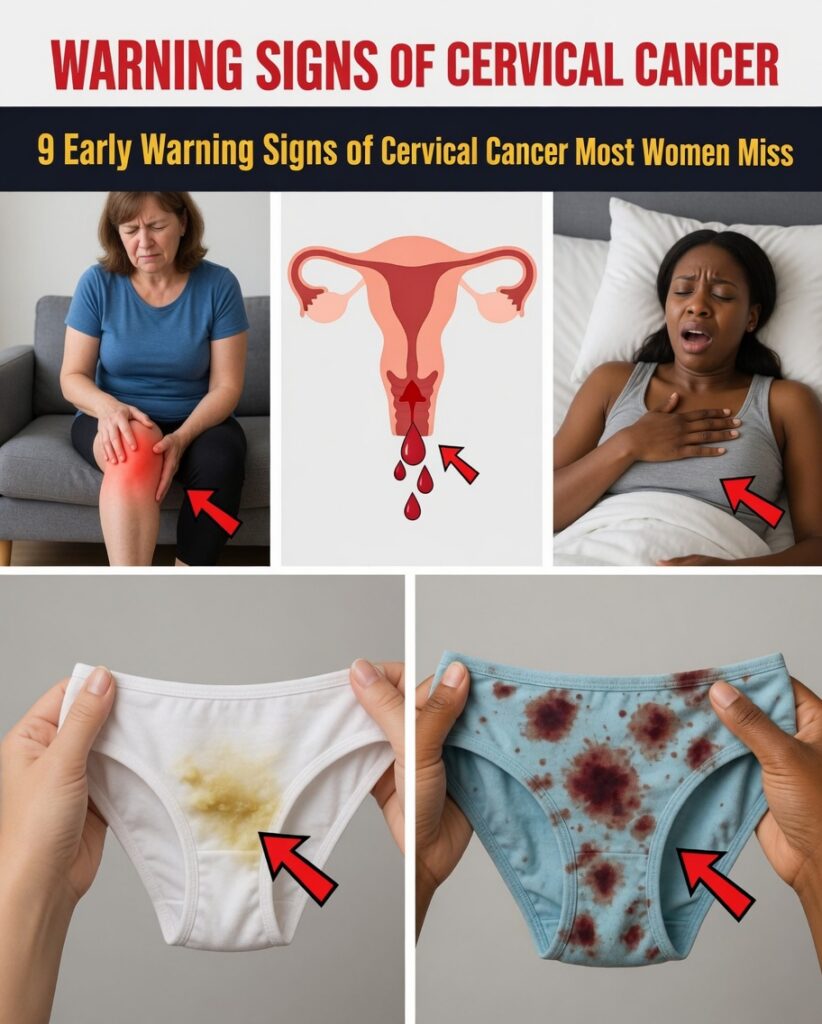
Cervical cancer can begin with little to no noticeable change, especially in its earliest stages. Many women feel completely fine until the condition progresses—so when subtle symptoms finally show up, it can be unsettling and raise the worry that something important was missed. The reassuring reality is that recognizing unusual changes early and seeking care quickly can significantly improve early awareness and timely treatment.
In this guide, you’ll learn the most commonly dismissed warning signs, why they matter, what trusted health organizations emphasize about screening, and the practical steps you can start using today to stay proactive.
Why Early Detection Is So Important
Although cervical cancer remains a serious health issue globally, it is also one of the most preventable cancers when prevention and screening are used consistently. Leading authorities such as the Mayo Clinic and the Centers for Disease Control and Prevention (CDC) note that early cervical cancer often causes no clear symptoms, which is exactly why routine testing is essential.
Most cervical cancers are linked to human papillomavirus (HPV). Screening (Pap tests and HPV tests) can detect precancerous changes long before they develop into cancer. Even so, understanding your body and responding to persistent changes is an important layer of protection.
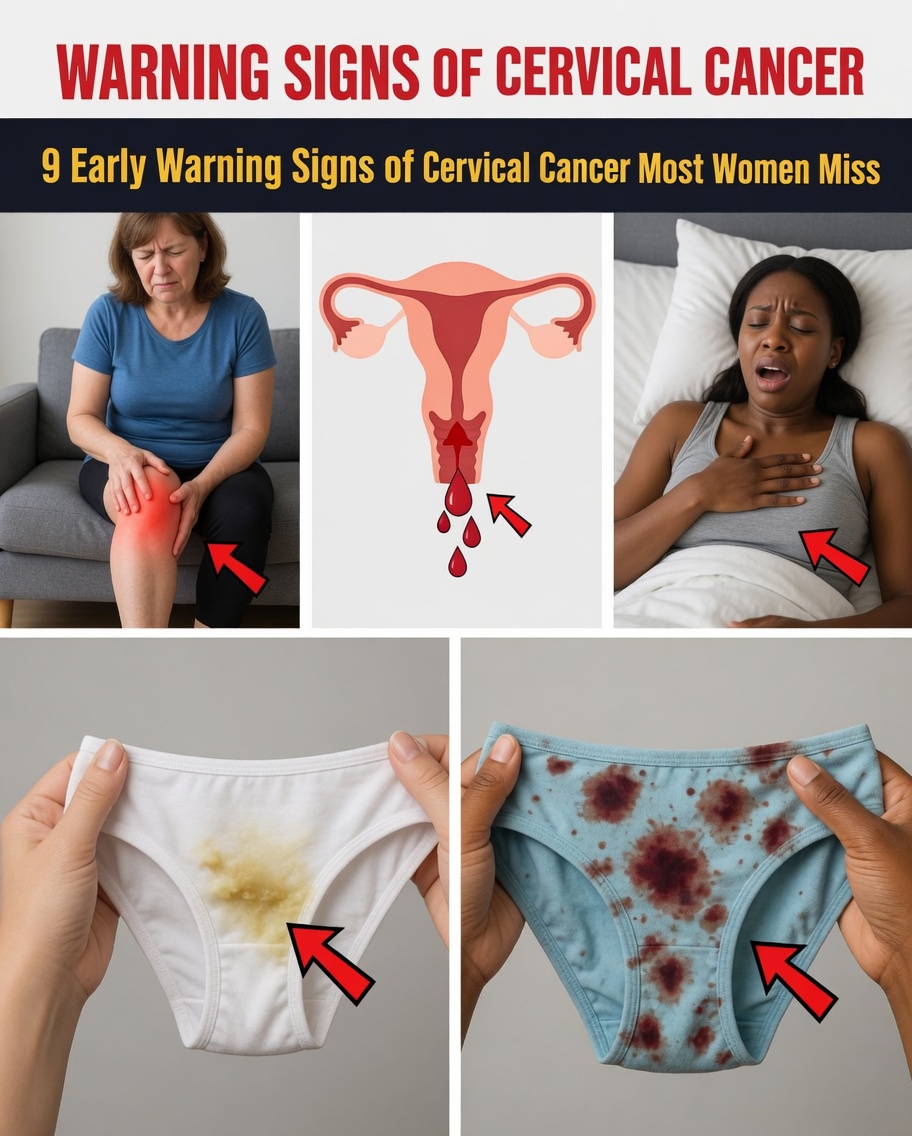
9 Warning Signs Women Often Brush Off
The symptoms below can have many possible causes—not only cancer. However, if any of them persist, recur, or worsen, they deserve medical evaluation.
1) Abnormal vaginal bleeding
One of the most frequently reported warning signs is bleeding that is not typical for you, including:
- Spotting between periods
- Bleeding after sexual intercourse
- Bleeding after menopause
Organizations such as the American Cancer Society stress that unexplained bleeding should not be ignored because it may reflect changes in cervical tissue.
2) Unusual vaginal discharge
Discharge can change with your menstrual cycle, but seek help if you notice a sudden or persistent shift such as:
- Increased volume
- Watery consistency
- Pink, brown, bloody, or otherwise unusual color
- Strong or foul odor
The Cleveland Clinic notes that concerning discharge may occur between periods or after menopause and can be noticeably unpleasant-smelling.
3) Pain during or after sex
Sex should not cause ongoing pain or burning. Persistent discomfort—especially if it intensifies over time—may indicate irritation, inflammation, or tissue changes in or around the cervix.
4) Pelvic pain or lower back pain
A lingering ache or pressure in the pelvis, lower abdomen, or lower back can happen for many reasons. Still, cancer centers such as Moffitt Cancer Center include ongoing pelvic discomfort among potential warning signs, particularly when it doesn’t resolve.
5) Menstrual changes that don’t make sense
Pay attention if your period becomes:
- Heavier than normal
- Longer-lasting
- More irregular than your typical pattern
While this can overlap with other gynecologic conditions, a persistent pattern warrants a clinician’s input.
6) Pain or discomfort when urinating
Symptoms such as burning, stinging, frequent urges, or difficulty controlling urine flow are often linked to infections—but if urinary symptoms keep returning or don’t improve, it’s important to get evaluated.
7) Blood in urine or stool
This symptom is more commonly associated with later-stage disease when nearby organs (such as the bladder or rectum) may be affected. The American Cancer Society lists this as a concerning sign that should be assessed promptly.
8) Unexplained weight loss
Losing weight without changes to diet, exercise, or routine can be a general signal that the body is under strain. While nonspecific, it should be taken seriously when combined with other symptoms.
9) Ongoing fatigue or leg swelling
Persistent fatigue that doesn’t improve with rest can occur with many conditions. Swelling in one or both legs may develop if pressure affects circulation. These symptoms are less typical early on, but they can appear as the condition advances.

Normal Changes vs. Patterns That Should Concern You
Use this quick reference to distinguish everyday variation from symptoms that merit medical attention.
- Often normal: occasional light spotting, mild cramps, expected discharge changes across the menstrual cycle
- More concerning: bleeding after sex or after menopause, persistent foul-smelling discharge, ongoing pelvic pain that does not improve with rest
If a symptom lasts longer than two weeks, returns repeatedly, or gets worse, it’s time to book a check-up.
Practical Steps You Can Take Today
1) Keep up with regular cervical screening
Current commonly used guidance includes:
- Ages 21–29: Pap test every 3 years
- Ages 30–65: HPV testing every 5 years (often preferred in updated guidance), or co-testing, or Pap every 3 years
Ask your clinician about the best schedule for you and whether self-collection options are available where you live.
2) Consider HPV vaccination
The HPV vaccine is highly effective at preventing infection from high-risk HPV strains linked to most cervical cancers. The CDC recommends routine vaccination around ages 11–12, with catch-up vaccination through age 26. For some adults up to 45, vaccination may be considered using shared decision-making with a healthcare professional.
3) Track symptoms in a simple log
Write down changes in:
- Bleeding
- Discharge
- Pelvic pain
- Energy levels or fatigue
Include dates and details—this can help your clinician identify patterns faster.
4) Get medical advice quickly when something feels off
If you notice any of the warning signs above, contact a doctor or gynecologist sooner rather than later. Early evaluation supports better options and outcomes.
5) Support your overall health
Risk can be lowered through habits such as:
- Avoiding smoking (smoking increases cervical cancer risk)
- Practicing safer sex
- Supporting immune health through sleep, nutrition, and general wellness
Final Takeaway: Stay Informed and Take Charge
Knowing the overlooked signs of cervical cancer helps you respond sooner, ask better questions, and seek appropriate testing. With screening and HPV vaccination, cervical cancer is among the most preventable cancers—especially when changes are caught early. Staying alert to your body and keeping up with preventive care are powerful steps toward long-term health.
Frequently Asked Questions
What is the most common symptom of cervical cancer?
Abnormal vaginal bleeding—including bleeding after sex, bleeding between periods, or bleeding after menopause—is the most commonly reported early warning sign, according to sources such as the Mayo Clinic and American Cancer Society.
Can cervical cancer be found even if you have no symptoms?
Yes. Early cervical cancer and precancerous changes are often detected through routine Pap tests and HPV tests, which is why screening matters even when you feel well.
How well does the HPV vaccine help prevent cervical cancer?
Evidence shows the HPV vaccine greatly reduces infections from high-risk HPV types responsible for most cervical cancer cases, contributing to significant reductions in precancerous cervical changes in vaccinated groups.
Disclaimer
This article is for informational purposes only and does not replace professional medical advice. Always consult a qualified healthcare provider for diagnosis, treatment, or personalized guidance. If you have symptoms or concerns, seek medical attention promptly.