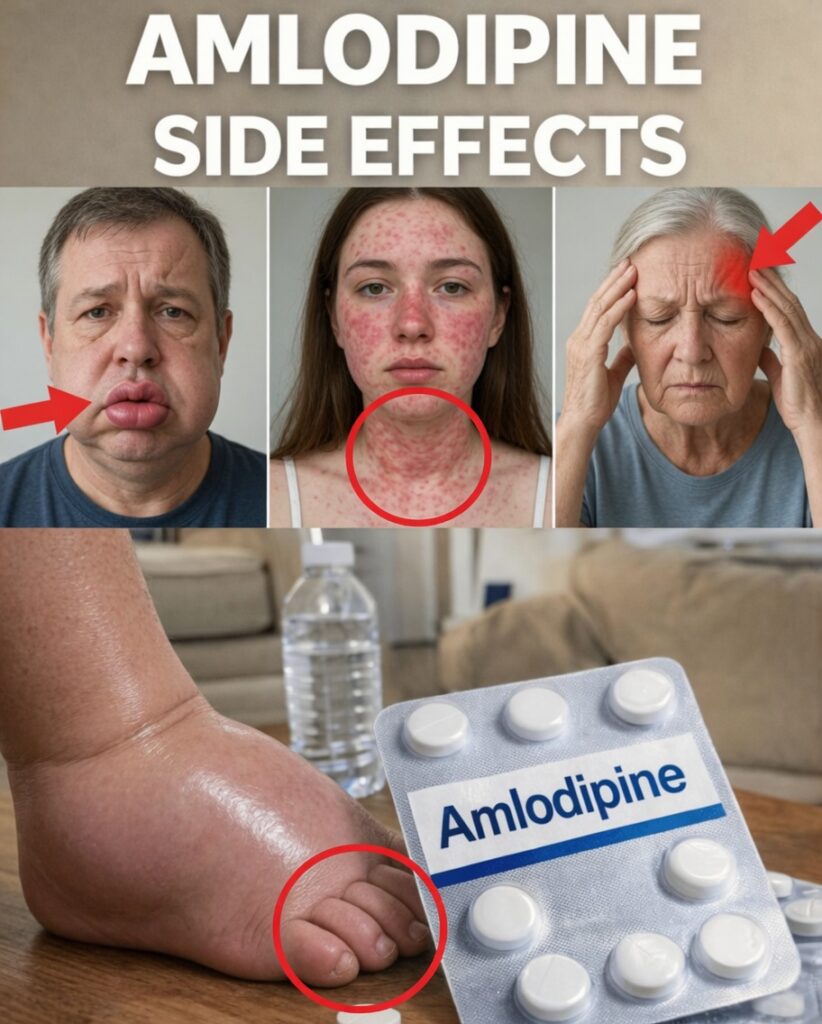
If you’re taking amlodipine—a widely used calcium channel blocker for high blood pressure (hypertension)—you may notice changes that feel surprising at first. Many people report ankle or foot swelling, new or lingering headaches, or a warm, flushed feeling in the face. These reactions are closely tied to how amlodipine relaxes and widens blood vessels: it’s great for lowering blood pressure, but it can also cause discomfort that affects everyday routines—like shoes feeling tight by evening or feeling less energetic than usual.
The reassuring part is that most amlodipine side effects are mild, often improve as your body adjusts, and can usually be managed without stopping treatment. Knowing what’s typical—and what isn’t—can help you feel more comfortable and in control while staying consistent with your medication plan.
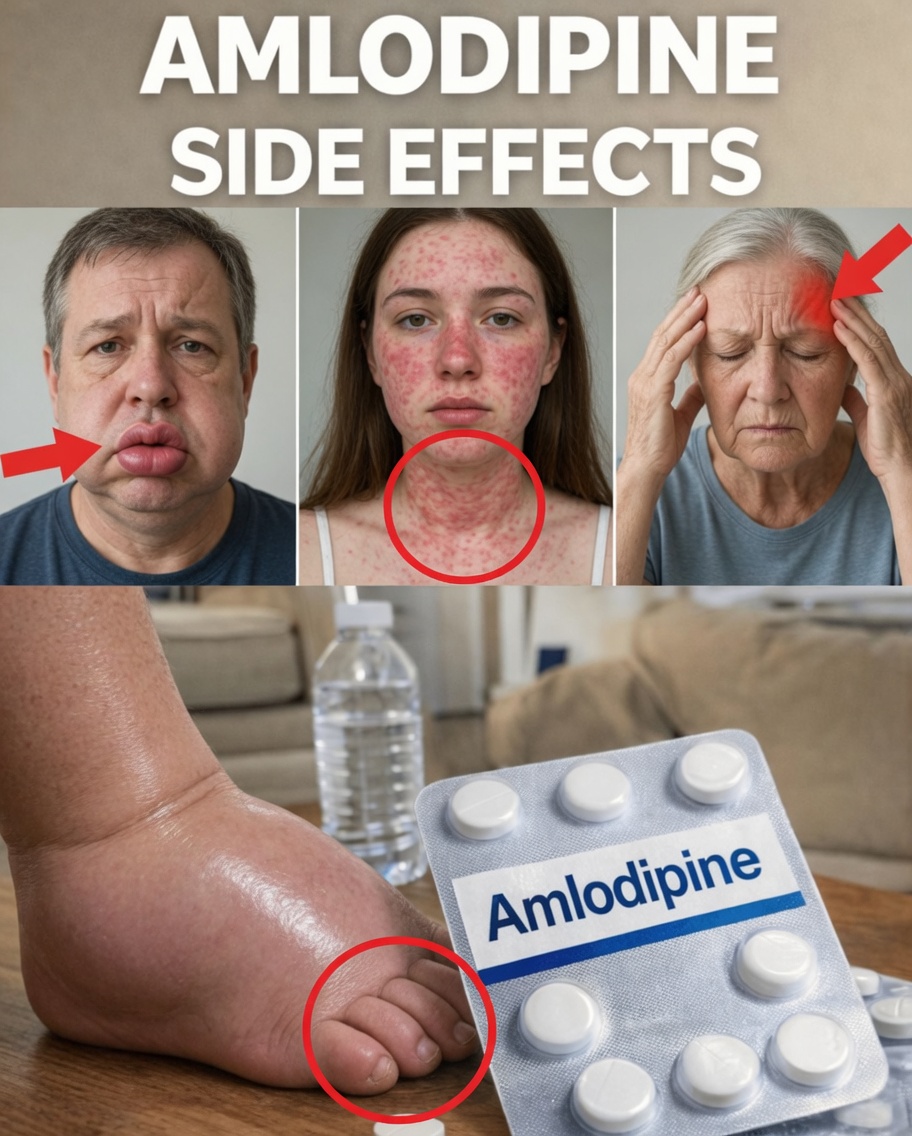
What Is Amlodipine, and Why Can It Trigger Side Effects?
Amlodipine is part of the calcium channel blocker family. By reducing calcium entry into the muscle cells of blood vessel walls, it helps vessels relax and dilate. As a result, blood flows more easily, the heart doesn’t have to work as hard, and blood pressure decreases.
Because this effect is related to blood vessel dilation, some side effects are essentially “spillover effects” of the same mechanism—especially when you first start amlodipine or when your dose is increased. Clinical guidance and patient reports (including commonly cited resources such as Mayo Clinic and Drugs.com) note that many side effects are dose-dependent and often settle after several weeks.
The Most Common Side Effects of Amlodipine
Below are the amlodipine side effects most often described by patients and documented in clinical resources. Not everyone experiences these, but they’re common enough to be worth recognizing early.
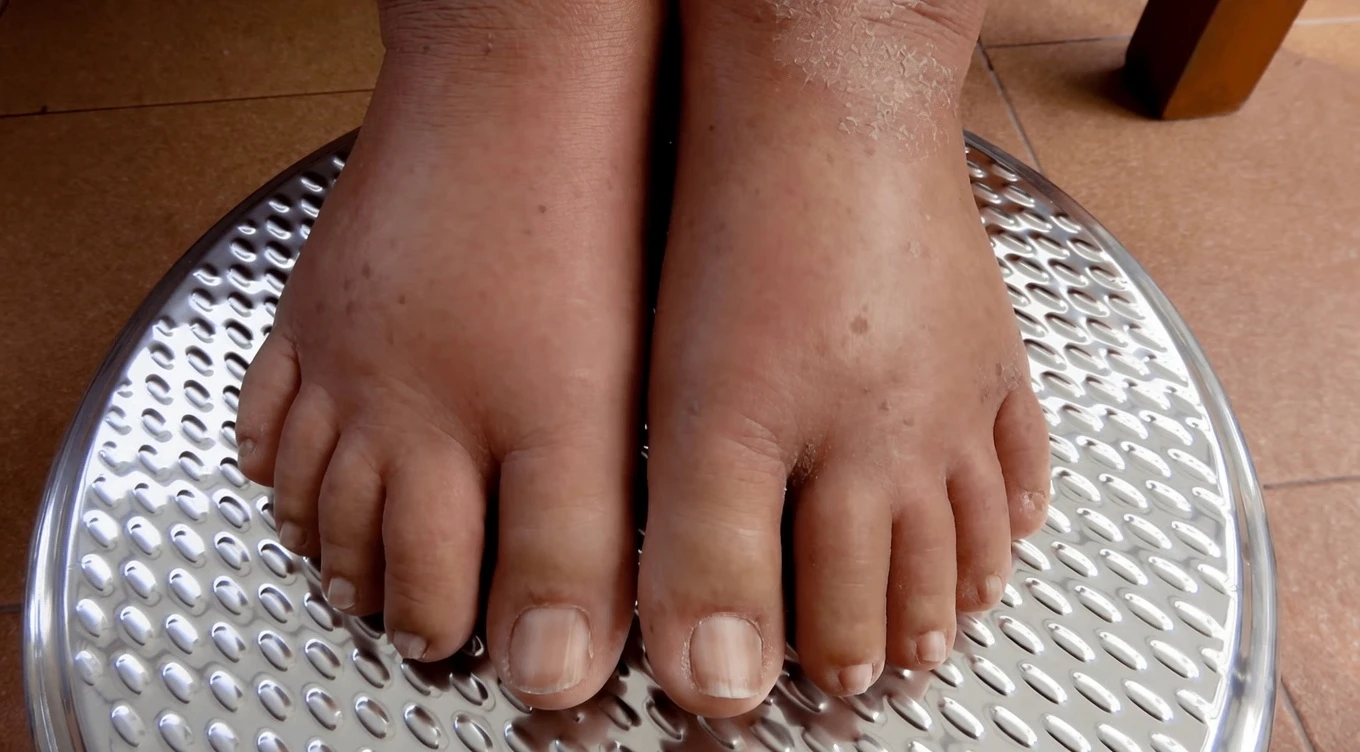
- Ankle and foot swelling (peripheral edema): The most frequently reported issue. Blood vessel widening can shift fluid into tissues, particularly in the lower legs. Many people notice sock marks or shoes feeling tighter later in the day.
- Headaches: Often more noticeable during the first weeks, ranging from mild pressure to persistent discomfort.
- Dizziness or lightheadedness: Especially when standing up quickly, related to changes in blood pressure.
- Facial flushing: Sudden warmth and redness in the face, neck, or upper chest.
- Palpitations or faster heartbeat: A sense that the heart is racing or pounding.
- Fatigue or weakness: Feeling unusually low on energy.
- Drowsiness: Increased daytime sleepiness in some users.
- Digestive symptoms: Such as nausea, stomach discomfort, indigestion, constipation, or mild abdominal pain.
- Muscle cramps: Sudden tight, painful contractions (often in the legs).
- Muscle or joint aches: Soreness that may fluctuate.
- Sleep changes: Difficulty falling asleep or staying asleep.
- Gum overgrowth (gingival hyperplasia): Less common, but notable—gums may gradually appear swollen or enlarged over time.
Many of these effects are temporary. For example, peripheral edema is often reported in a meaningful minority of users (commonly cited around 10–15%, particularly with higher doses), and some people find improvement through practical changes or dose adjustments guided by a clinician.
Less Common (But Possible) Side Effects
Some people experience additional symptoms that are reported less frequently, including:
- Hair thinning or hair loss
- Mood changes, irritability, or mild anxiety
- Increased sweating
If any of these continue or interfere with daily life, it’s a good idea to speak with your healthcare provider to confirm whether amlodipine is the cause or if something else may be contributing.
Serious Side Effects: When to Get Medical Help Immediately
Severe reactions to amlodipine are uncommon, but they can happen. Seek urgent medical care or contact your clinician right away if you experience:
- Severe dizziness, fainting, or extreme lightheadedness (possible sign of overly low blood pressure)
- Chest pain that worsens, pressure, or tightness—especially if you have a history of heart disease
- Allergic reaction symptoms such as rash, itching, swelling of the face/lips/tongue, or trouble breathing
- Irregular heartbeat, a very slow pulse, or new rhythm symptoms
Trusted health references such as MedlinePlus and the NHS emphasize reporting these warning signs promptly.

Practical Ways to Manage Common Amlodipine Side Effects
These everyday strategies may help improve comfort while continuing blood pressure treatment. Always confirm changes with your prescriber—especially if symptoms are new, worsening, or concerning.
For swollen ankles and feet (edema)
- Elevate your legs when resting (ideally above heart level for 15–30 minutes, a few times daily).
- Cut back on salt (sodium) to reduce fluid retention.
- Consider compression socks if your clinician recommends them.
- Keep moving: gentle walking can support circulation.
For headaches and dizziness
- Hydrate consistently throughout the day.
- Stand up slowly from sitting or lying down.
- If a headache strikes, rest in a quiet, dark room when possible.
For flushing and palpitations
- Limit common triggers such as hot beverages, spicy foods, and alcohol, which can intensify flushing or a racing heartbeat.
- Use slow, deep breathing during episodes to reduce discomfort and anxiety.
For fatigue and sleep problems
- Stick to a regular sleep schedule.
- Add light exercise earlier in the day (if approved for you).
- Ask your doctor whether changing the dosing time (for example, taking it in the evening) could help.
General best practices
- Keep a simple symptom log (what you felt, when it happened, and any triggers).
- Do not stop amlodipine or change your dose without medical guidance.
Key Takeaways
Amlodipine is a trusted, effective medication for hypertension, but side effects can occur—most often swelling, headaches, and flushing. In many cases, symptoms ease over time as your body adapts. With realistic expectations and practical symptom-management steps, many people continue amlodipine successfully while maintaining quality of life.
Frequently Asked Questions (FAQ)
-
How long do amlodipine side effects last?
Many common side effects—such as headaches or swelling—often improve within a few weeks. If symptoms persist, intensify, or interfere with daily functioning, speak with your clinician. -
Does amlodipine cause weight gain?
Some people notice mild weight changes related to fluid retention (edema). This is not the same as body fat gain. Reducing sodium and managing swelling may help. -
Can I drink alcohol while taking amlodipine?
Alcohol can increase the likelihood of dizziness, flushing, and low blood pressure symptoms. Limiting alcohol and discussing safe intake with your healthcare provider is recommended.
Disclaimer
This article is for educational purposes only and does not replace professional medical advice. Always consult your doctor or pharmacist about medication side effects, interactions, and personal health concerns. Never stop prescribed treatment without medical guidance.