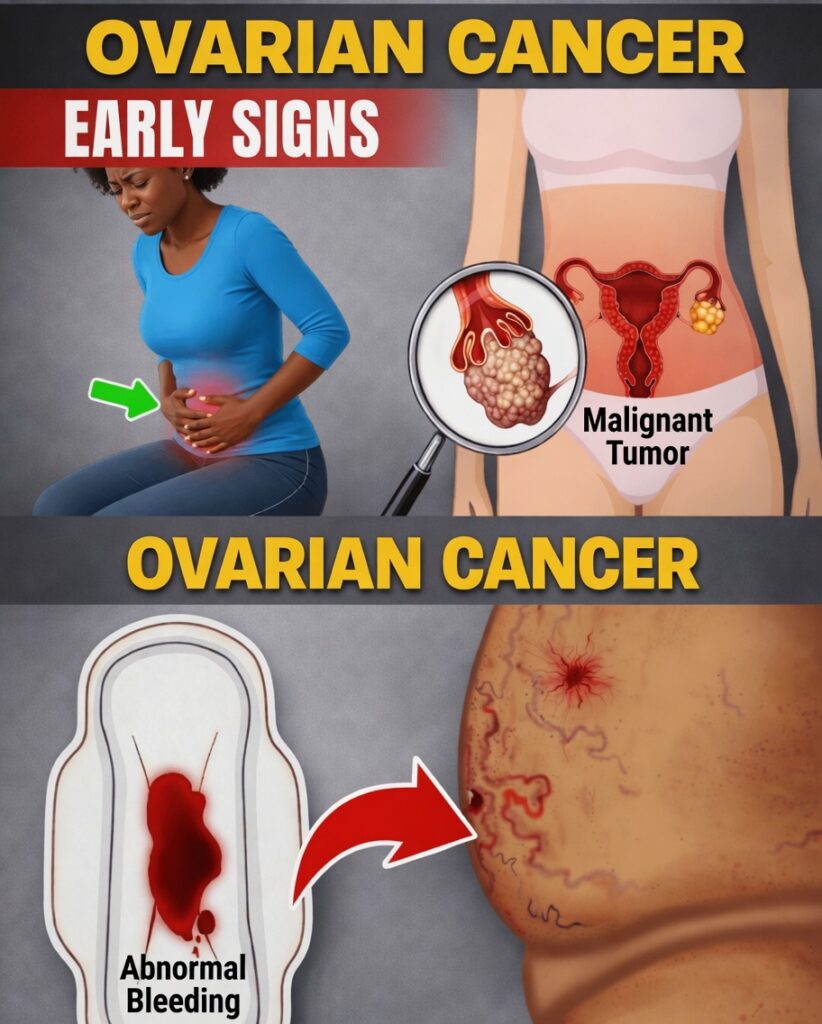
Ovarian cancer can progress with very subtle symptoms—so subtle that many women mistake them for everyday digestive upset, menstrual changes, urinary issues, or simple tiredness. Because these signs often feel “normal,” ovarian cancer is frequently detected later than it should be. Ongoing bloating, unexplained pelvic discomfort, and unusual urinary patterns may seem minor at first, but when they persist without an obvious reason, they should not be ignored. Evidence cited by trusted medical organizations such as the American Cancer Society and Mayo Clinic suggests that these vague symptoms appear more often in women diagnosed with ovarian cancer than in the general population. Recognizing persistent changes early—and raising them with a clinician—can support faster, more appropriate evaluation.
A crucial point many people miss: most of these symptoms can come from non-cancer causes, and usually do. However, when they happen almost daily for weeks, a professional check-up is the smart next step—particularly for women over 50 or anyone with a family history of ovarian or breast cancer. Below are eight early warning signs to know, why they may occur, and what practical steps to take next so you can decide when to act and what to ask at your appointment.
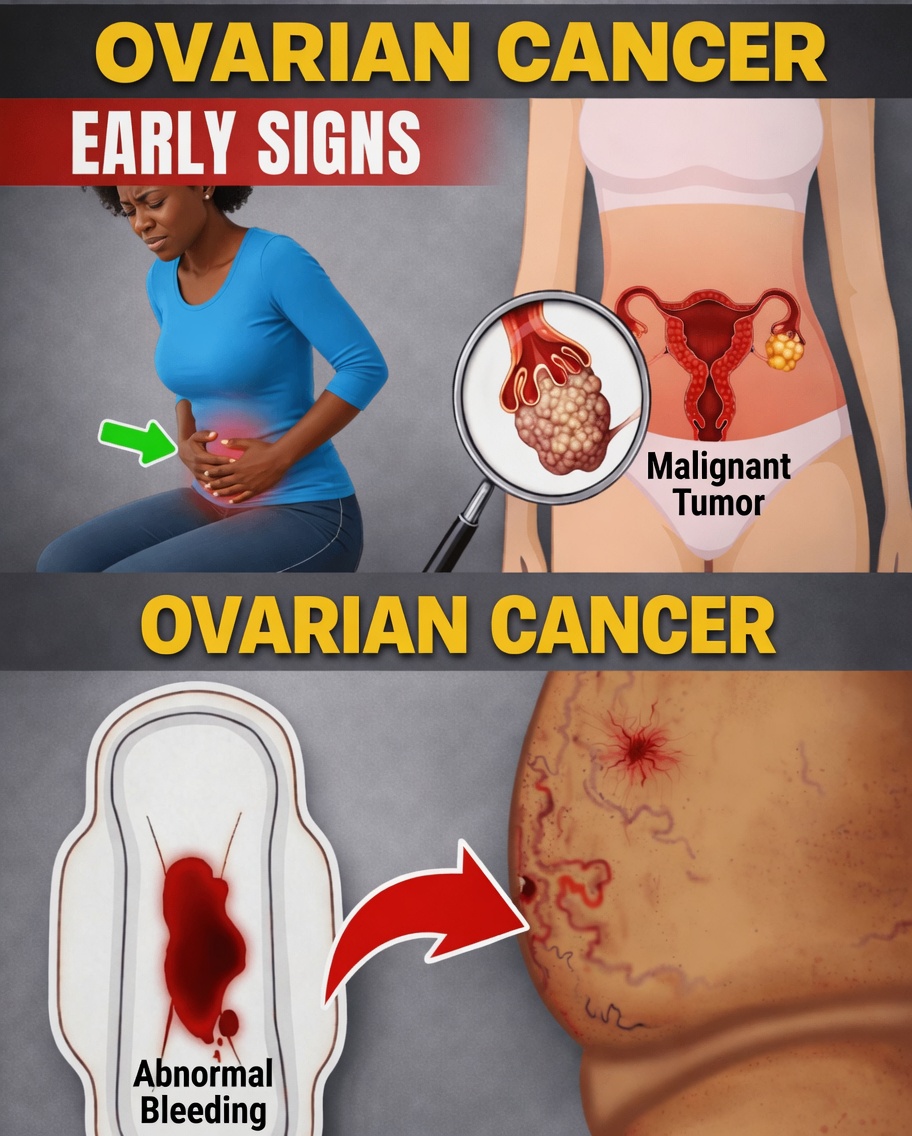
Why Ovarian Cancer Symptoms Are Often Overlooked
Ovarian cancer is sometimes called “silent” because early symptoms commonly resemble far more common conditions—such as irritable bowel syndrome (IBS), urinary tract problems, or menopause-related changes. Many women report noticing symptoms for months before seeking medical advice, partly because signs may start out mild, come and go, or feel like routine discomfort.
Anatomy also plays a role. The ovaries sit deep in the pelvis, so a growing mass can press on nearby organs—like the bladder, intestines, or stomach—without any visible external changes. Fluid buildup in the abdomen (ascites) and pressure from a tumor can contribute to several symptoms. Guidance from reputable sources including the CDC and Mayo Clinic frequently highlights four especially common early indicators: persistent bloating, pelvic/abdominal pain, getting full quickly, and urinary changes. Other symptoms may appear as well, especially in combination.
The 8 Early Warning Signs to Watch For
The signs below are commonly referenced by leading health authorities. A single symptom does not confirm ovarian cancer, but persistent patterns deserve attention.
1) Persistent Bloating or Abdominal Swelling
This is one of the most frequently reported early complaints. You may feel unusually “puffed up,” notice your abdomen looks larger, or find waistbands suddenly tighter even without a clear change in diet or exercise. In some cases, bloating is linked to fluid accumulation or pressure from a mass. When bloating lasts for weeks and isn’t tied to meals, your menstrual cycle, or known food triggers, it’s worth documenting and discussing with a clinician.
2) Pelvic, Abdominal, or Lower Back Pain
Ongoing discomfort in the pelvis, lower belly, or lower back may resemble menstrual cramps but continues outside your period. Some women describe it as persistent pressure or a dull ache that can be intermittent or constant. Pain during sex can also occur for some people.

3) Feeling Full Quickly or Reduced Appetite
If small meals suddenly leave you overly full—or you feel bloated soon after eating—take note. Some people also experience nausea, indigestion, or a reduced desire to eat. This can happen when swelling or a mass limits space in the abdomen.
4) Frequent or Urgent Urination
Needing to urinate more often than usual, rushing to the bathroom, or feeling an ongoing urge even when little urine passes can be related to pressure on the bladder from nearby growth.
5) Changes in Bowel Habits
Persistent constipation, diarrhea, or alternating bowel patterns without a clear dietary or lifestyle explanation may occur. Some women also report increased gas, discomfort, or a sense of incomplete bowel movements.
6) Severe, Persistent Fatigue
Feeling drained despite adequate rest can be a warning sign. This fatigue tends to feel different from “normal tiredness” and may not improve with sleep, time off, or caffeine.
7) Unusual Vaginal Bleeding or Discharge
Irregular bleeding, spotting between periods, heavier-than-usual flow, or bleeding after menopause should be evaluated promptly. Any new or unexplained vaginal discharge changes should also be raised with a healthcare provider.
8) Unexplained Weight Changes
Some women lose weight without trying, while others notice an expanding midsection due to fluid buildup or abdominal swelling. Sudden changes that do not match your eating habits or activity level are important to mention during a medical visit.
Normal vs. Concerning: How Patterns Can Differ
Many everyday issues can mimic ovarian cancer symptoms. The key difference is often persistence and progression.
-
Typical bloating after meals → fades relatively quickly
-
Concerning bloating → continues for weeks, may worsen, not clearly linked to food or cycle
-
Occasional urinary urgency → often linked to caffeine, hydration, or infection
-
Concerning urinary changes → frequent/urgent without a clear trigger, sometimes waking you at night
-
Fatigue after a demanding day → improves with rest
-
Concerning fatigue → ongoing exhaustion with little or no relief after sleep
When These Symptoms Become More Concerning
Cancer organizations and clinical guidance emphasize that symptoms occurring nearly daily for more than a few weeks, especially when new, persistent, or getting worse, deserve evaluation. Risk is also higher for:
- Adults over 50
- People with a family history of ovarian or breast cancer
- Individuals with BRCA mutations or other hereditary cancer syndromes
Because there is no reliable routine screening test for ovarian cancer in average-risk women, symptom awareness and timely medical assessment matter.

Practical Steps to Take Next
If one or more of these symptoms continue, you can take action without panic—just with structure.
- Track symptoms for 2–4 weeks
- Record frequency, severity, timing, and possible triggers (meals, cycle, stress).
- Book a medical visit if symptoms are frequent or persistent
- A common benchmark used in guidance is symptoms occurring more than 12 times per month, or simply not resolving.
- Start with a primary care provider or gynecologist.
- Prepare for your appointment
Bring:- Your symptom notes/log
- Relevant personal and family medical history
Consider asking: - “Could these symptoms be related to ovarian health?”
- “What else could explain them, and how do we rule those out?”
- “Which tests are appropriate based on my symptoms and risk?”
- Understand possible evaluations
Depending on your situation, a clinician may recommend:- A pelvic exam
- Pelvic or transvaginal ultrasound
- Blood tests such as CA-125 (useful in evaluation but not definitive and not a general screening tool)
- Support your baseline health
Keep up with routine check-ups, prioritize balanced nutrition, maintain physical activity, and stay attentive to changes that persist.
Final Thoughts: Pay Attention to Persistent Changes
Ovarian cancer symptoms often overlap with benign conditions, but ongoing changes are not something to dismiss. Noticing patterns early and discussing them with a healthcare professional can lead to earlier evaluation and better-informed next steps. Seeking clarity isn’t overreacting—it’s responsible health care.
Frequently Asked Questions (FAQ)
What is the most common early symptom of ovarian cancer?
Persistent bloating or abdominal swelling is reported very often in ovarian cancer cases, including in information shared by organizations such as the American Cancer Society and Mayo Clinic.
Is there a screening test for ovarian cancer?
For women at average risk, there is no dependable routine screening test. Tools like transvaginal ultrasound and CA-125 may be used when symptoms or risk factors are present, but they are not recommended as broad, population-wide screening methods.
Who is at higher risk for ovarian cancer?
Risk increases for:
- People over 50
- Those with a family history of ovarian/breast cancer
- Individuals with BRCA mutations or hereditary cancer syndromes
Lifestyle factors may contribute, but genetics and age are often more significant.
Disclaimer: This article is for informational purposes only and does not replace professional medical advice. If you have persistent or concerning symptoms, seek prompt evaluation from a qualified healthcare provider.