
Many people move through daily life without realizing their kidneys may be under strain. Elevated creatinine in the blood is often a sign that kidney filtration is slowing down, but early kidney decline rarely comes with dramatic, obvious warnings. Instead, the body may send small, easy-to-miss signals—like unusual tiredness or subtle changes in routine—that blend into “normal life.”
This is why chronic kidney disease (CKD) is frequently described by organizations such as the National Kidney Foundation as a silent condition: symptoms can remain minimal or unclear until kidney function has already dropped significantly. The encouraging part is that noticing these understated changes can prompt earlier conversations with a healthcare professional and earlier testing.

Even more surprising: many of these clues are commonly blamed on aging, stress, or poor sleep—when they may actually reflect higher creatinine levels and reduced kidney efficiency. Below are 12 often-overlooked signs worth paying attention to.
Why Early Awareness Matters for Kidney Health
Your kidneys work nonstop to:
- Filter waste products from the blood
- Maintain healthy fluid and electrolyte balance
- Help regulate blood pressure
Creatinine is a waste product produced from normal muscle activity. When kidney filtration slows, creatinine can accumulate in the bloodstream, often showing up on routine bloodwork. Many experts emphasize that tracking serum creatinine and eGFR (estimated glomerular filtration rate) can help detect kidney concerns earlier. Still, before testing happens, your body may already be dropping subtle hints.
12 Subtle Signs That May Point to High Creatinine or Reduced Kidney Function
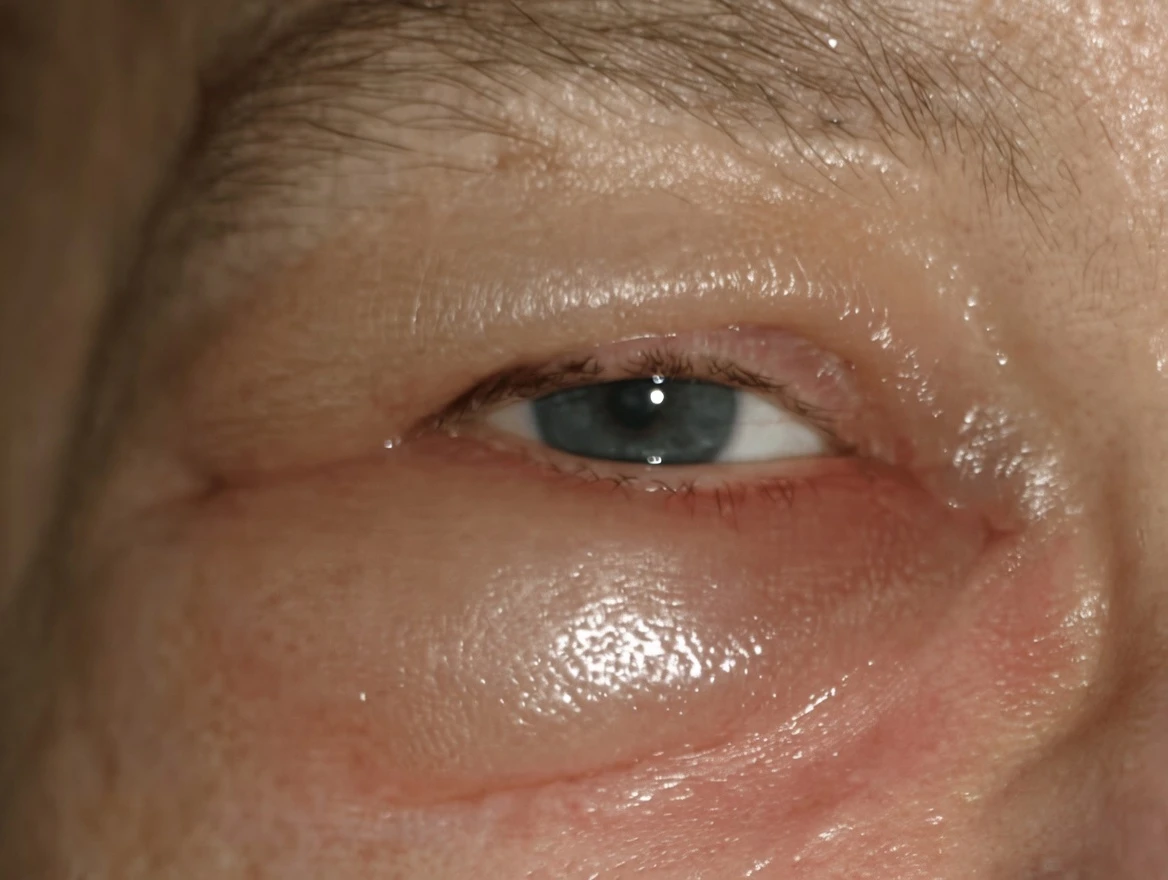
1. Mild Morning Puffiness Around the Face and Eyes
If you wake up with slightly swollen eyelids or a face that looks “fuller” in the morning—and it improves as the day goes on—this may reflect overnight fluid retention. When kidneys don’t remove excess salt and water efficiently, swelling can become more noticeable after lying down.
Unlike occasional puffiness from poor sleep or allergies, this type of swelling may feel recurrent and persistent.
2. Changes in Urination Patterns (Frequency or Volume)
Kidney stress can show up as shifts such as:
- Waking up repeatedly at night to urinate (nocturia)
- Urinating less than usual during the day
- Feeling like your output no longer matches your intake
Medical sources such as the Mayo Clinic highlight altered urination habits as a potential early sign of kidney strain because the kidneys may lose some ability to concentrate urine properly.
3. Ongoing Dry, Itchy Skin That Doesn’t Improve
Persistent itching that doesn’t respond well to lotion or seasonal changes may be more than simple dryness. When filtration declines, waste products can build up and contribute to skin irritation.
This itch is often described as widespread and stubborn, not limited to a small patch.
4. Unusual Breath Odor or a Metallic Taste
A lingering metallic taste or mild ammonia-like breath odor can occur when waste products such as urea accumulate. Over time, this may reduce enjoyment of food and contribute to poor appetite—even if everything else seems “normal.”
5. Nighttime Muscle Cramps That Interrupt Sleep
Recurring leg or muscle cramps—especially at night—can be linked to electrolyte imbalances associated with kidney dysfunction. These cramps tend to feel more intense than occasional twitches and may appear regularly enough to disturb rest.
6. Difficulty Concentrating or “Brain Fog”
If you feel mentally sluggish, unfocused, or unusually forgetful despite adequate sleep, it may be related to the body’s reduced ability to clear certain wastes. Many people write this off as stress, but persistent brain fog can sometimes track with systemic toxin buildup.
7. Dull Discomfort in the Lower Back or Sides
A mild, achy sensation near the flanks—just below the ribs on either side—can sometimes occur with kidney stress. This symptom is not always present and can have many causes, but if it repeats or lingers, it’s worth noting (especially alongside other signs).
8. Blood Pressure That Becomes Harder to Control
Kidneys play a major role in blood pressure regulation. If your blood pressure remains elevated despite medication, diet changes, or exercise efforts, kidney function may be part of the picture. Reduced kidney performance can make hypertension more difficult to manage.
9. Noticeable Changes in Urine Appearance
Watch for changes such as:
- Foamy urine that doesn’t quickly dissipate
- Darker color than usual
- Persistent bubbles
Foaminess can be associated with protein in the urine (proteinuria)—a key marker of kidney filter damage. The National Kidney Foundation has long emphasized foamy urine as an important sign to take seriously.
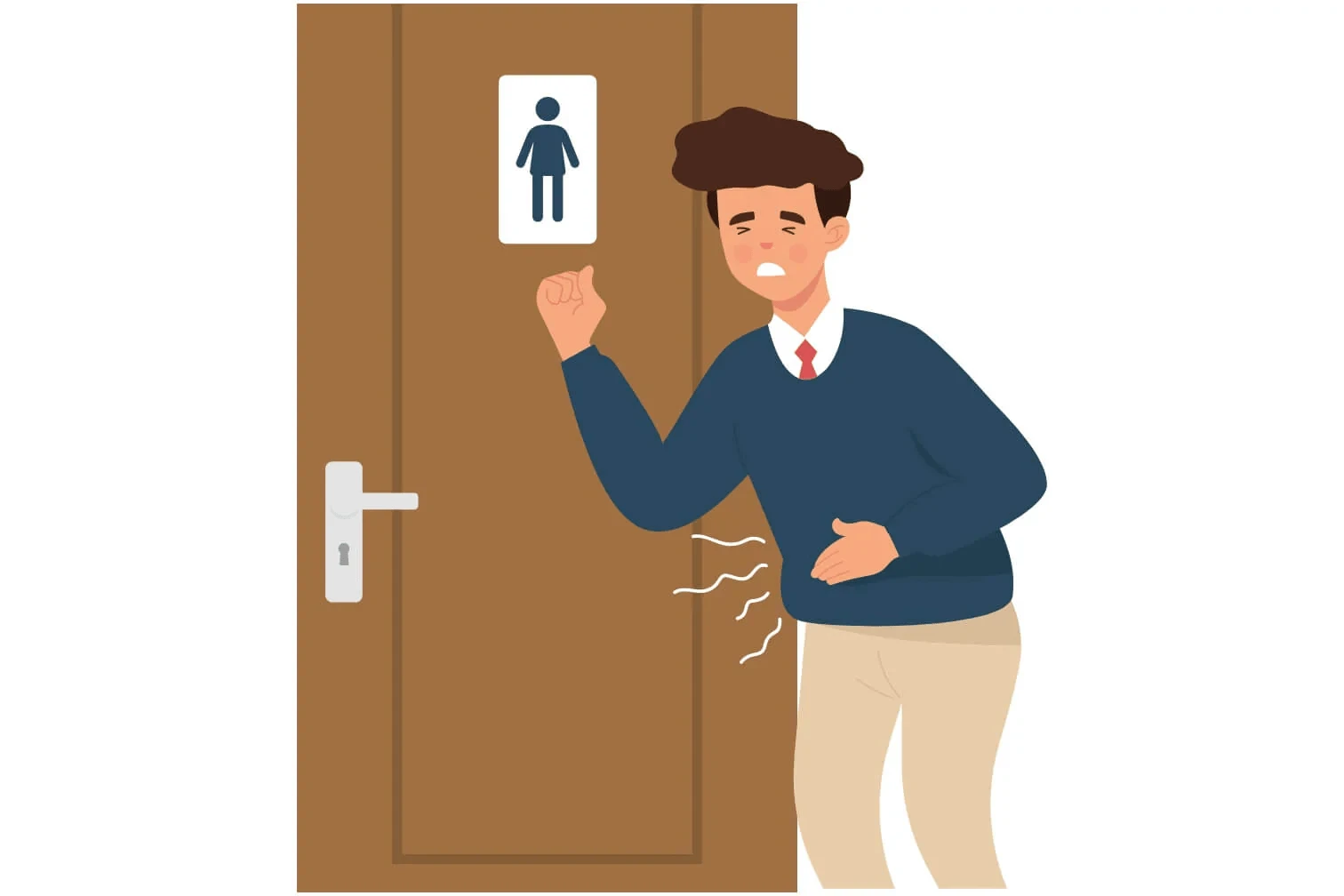
10. Low-Grade Nausea or Reduced Appetite With Unexplained Weight Changes
If meals suddenly feel unappealing, or you notice mild nausea after eating, it may be connected to waste buildup. Over time, this can lead to unintentional weight loss or gradual changes in eating habits.
11. Bruising More Easily or Minor Bleeding
Kidneys contribute to hormone balance, including production of erythropoietin, which supports red blood cell production. When kidney function declines, anemia may develop, and some people notice easier bruising, gum bleeding, or a general sense of weakness.
12. Sleep Problems and Persistent Fatigue Even After Rest
Trouble falling asleep, waking frequently, or feeling exhausted in the morning can be linked to systemic imbalance. When waste products accumulate, they may disrupt sleep quality, creating a cycle of poor rest and ongoing fatigue.
What These Symptoms Mean (and What They Don’t)
These signs can overlap with many common conditions, so none of them confirm high creatinine on their own. However, if you recognize several patterns—especially if they persist for weeks—it’s worth discussing them with a clinician and considering kidney-related lab work.
Practical Steps You Can Take Today to Support Kidney Health
Only a qualified healthcare professional can diagnose kidney disease or interpret creatinine results, but these everyday habits may support kidney wellness and help you stay proactive:
- Drink water consistently throughout the day (avoid extremes unless advised by your doctor).
- Reduce excess salt and ultra-processed foods to support fluid balance.
- Track your blood pressure at home if you have a monitor.
- Schedule routine checkups, especially if you have diabetes, high blood pressure, or a family history of kidney disease.
- Pay attention to urine changes, swelling, and long-term shifts in energy.
These steps aren’t treatments or cures—rather, they help support overall health and encourage timely medical evaluation.
Quick FAQ
What can cause high creatinine levels?
Common contributors include dehydration, certain medications, high-protein diets, and chronic conditions such as high blood pressure or diabetes. The most reliable way to understand your level is through proper lab testing interpreted by a clinician.
How do doctors check for high creatinine and reduced kidney function?
Kidney function is commonly evaluated with a blood test for serum creatinine, often paired with eGFR to estimate filtration efficiency. A urine test may also be used to detect protein leakage and other abnormalities.
When should you talk to a doctor about these signs?
Seek medical evaluation if multiple subtle changes persist for several weeks, especially if you have risk factors such as age over 60, hypertension, diabetes, or a family history of kidney problems. Early testing can meaningfully affect long-term outcomes.
Disclaimer
This article is for informational purposes only and does not replace professional medical advice. Always consult a qualified healthcare provider for personalized guidance, diagnosis, or treatment. Do not ignore symptoms or delay seeking care based on this content.