Vitamin E for Seniors: Benefits, Risks, and What to Know About Stroke Concerns
Many older adults take daily vitamins to support energy, heart function, and cognitive health. However, even supplements viewed as beneficial can sometimes affect the body in ways people do not expect. For seniors already dealing with blood pressure issues or circulation changes, anything that may influence blood clotting can raise understandable concerns.
The good news is that learning how supplements work—especially vitamin E—can help you make smarter, more balanced choices. And one important point, often missed, ties everything together near the end.
Why Vitamin E Is Widely Used in Senior Health
Vitamin E has long been considered a valuable nutrient, and with good reason. It is a fat-soluble antioxidant that helps defend cells against oxidative stress, which tends to rise as people get older.
Common food sources of vitamin E include:
- Nuts such as almonds and hazelnuts
- Seeds, especially sunflower seeds
- Vegetable oils like sunflower, safflower, and olive oil
- Leafy green vegetables such as spinach
Because of its antioxidant role, vitamin E is often added to multivitamins and standalone supplements promoted for heart and brain wellness.
Food Sources vs. Supplements: Why the Difference Matters
Vitamin E obtained through food is generally considered safe and naturally balanced. Supplements, however, can provide much larger amounts in a concentrated dose. That distinction is more important than many people realize.
Studies suggest the body may respond differently to nutrients from whole foods compared with isolated forms in capsules or tablets. In other words, vitamin E in a handful of almonds is not necessarily the same as a high-dose supplement in terms of how the body uses it.
What Research Shows About Vitamin E and Stroke Risk
A number of major studies and meta-analyses have examined whether vitamin E supplements influence stroke risk.
Findings have generally shown:
- No major reduction in total stroke risk
- A small drop in ischemic stroke risk, which is caused by a blockage
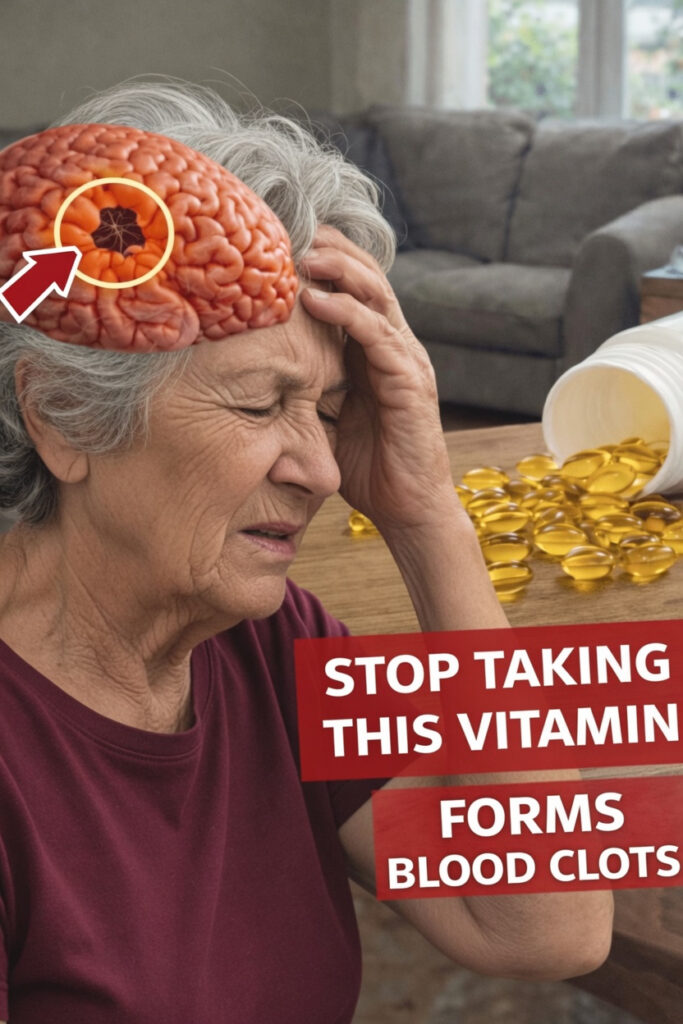
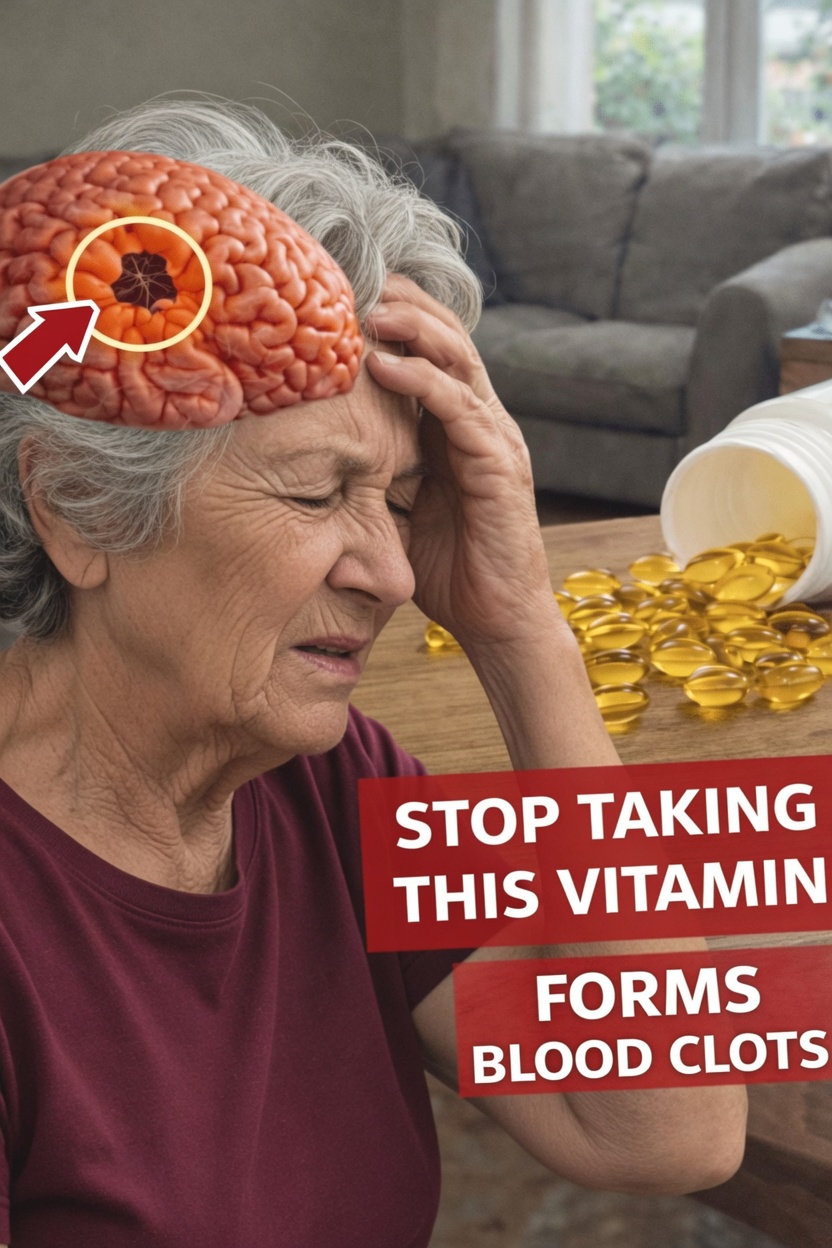
- A slight increase in hemorrhagic stroke risk, which involves bleeding in the brain
One frequently referenced analysis involving tens of thousands of participants reported roughly a 22% higher relative risk of hemorrhagic stroke among people using vitamin E supplements.
That number may sound concerning, but context matters. The overall absolute risk is still fairly low, and the concern appears to be more relevant with higher doses, especially in older adults.
Why Vitamin E May Affect Bleeding Risk
Vitamin E can influence the body’s clotting process in several ways. It may:
- Lower platelet aggregation, meaning blood cells are less likely to clump together
- Interfere with certain clotting mechanisms
- Act somewhat like a mild blood thinner
In younger or otherwise healthy individuals, this effect may not be problematic and could even support circulation. In seniors, though—particularly those with delicate blood vessels or those taking medications—it may tip the balance toward easier bleeding.
That subtle distinction is the part many people overlook.
Why Older Adults May React More Strongly
Aging brings natural changes to the cardiovascular system that can increase sensitivity to anything affecting blood flow and clotting.
Some common age-related factors include:
- Higher blood pressure
- Less flexible blood vessels
- Greater use of medications, including anticoagulants
- Health conditions such as diabetes or heart disease
Because of these combined factors, even a small change in clotting behavior may have a bigger impact in older adults than in younger people.
High Doses Are the Main Concern
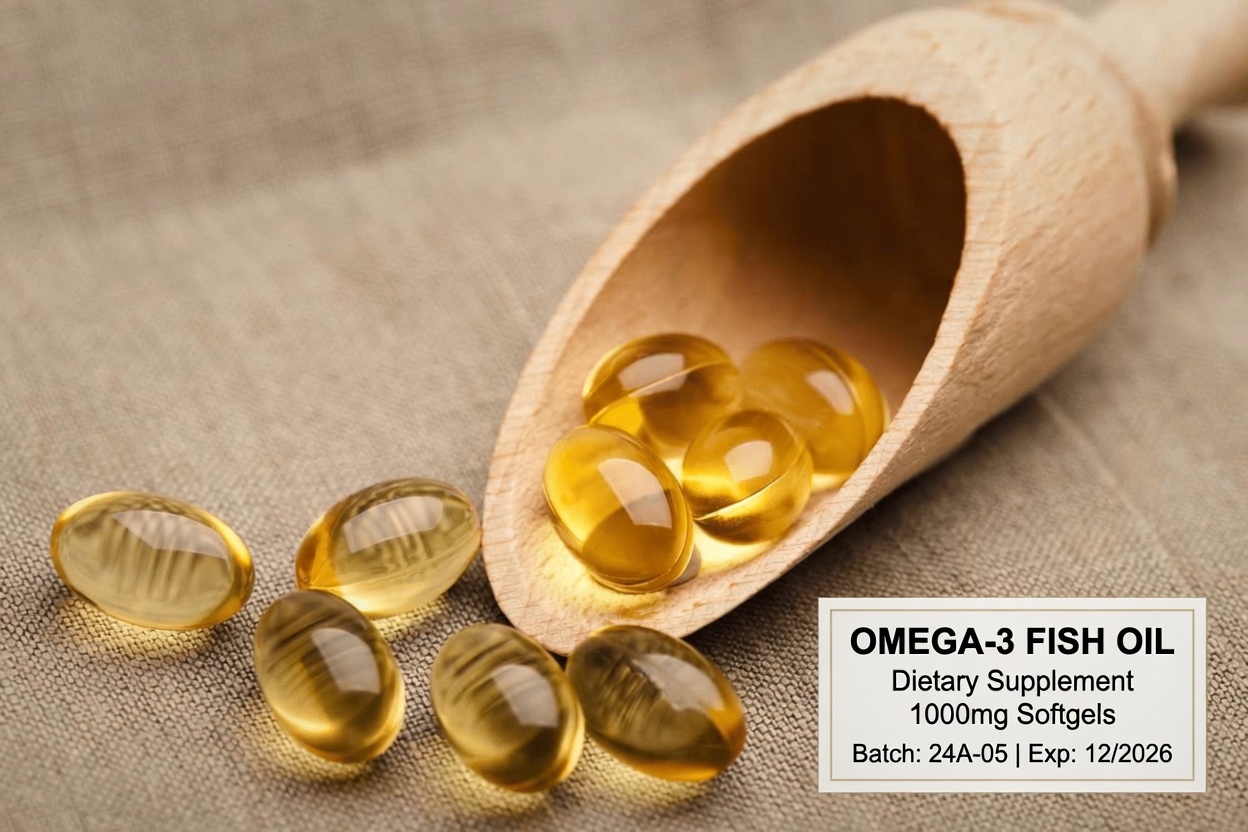
Most of the caution around vitamin E is linked to high supplemental intake, often above 400 IU per day.
By comparison:
- Vitamin E from food is usually consumed in lower, more natural amounts
- Whole foods contain other nutrients that work together in a balanced way
- The body tends to regulate absorption more effectively from food sources
This means the issue is usually not vitamin E itself. The bigger concern is excessive intake from isolated, high-dose supplements.
How Vitamin E Compares With Other Supplements
To put vitamin E into perspective, it helps to compare it with other common nutrients that may also affect circulation or clotting.
Key Supplements and Their Effects
Vitamin K
- Helps maintain normal blood clotting
- Especially important to monitor for people taking blood thinners
Vitamin B6, B12, and Folate
- Help control homocysteine levels
- May support blood vessel health
Omega-3 Fatty Acids
- Can have mild blood-thinning effects
- Generally considered safe for most people
Vitamin C and Vitamin D
- Support overall health
- Very high amounts may interact with some medications
What This Means for You
The main takeaway is simple: health is about balance, not just one nutrient.
And here is the often-missed point: no supplement works alone. Your diet, lifestyle, medications, and medical conditions all influence how your body responds.
Safer Supplement Habits After Age 60
If you already take supplements—or are thinking about starting—these practical steps can help reduce risk and improve decision-making.
1. Review Everything You Take
Look carefully at all sources of vitamin E, including:
- Multivitamins
- Single-nutrient supplements
- Fortified foods
Add up your total daily intake so you know how much you are really getting.
2. Choose Food First
Natural sources are often the best starting point, such as:
- Almonds, which provide about 7 mg per ounce
- Sunflower seeds
- Avocados
- Spinach
These foods deliver vitamin E in a more balanced nutritional package without pushing intake too high.
3. Be Cautious With Large Doses
The recommended daily intake for adults is around 15 mg, or about 22 IU.
Higher supplemental amounts should generally be used only with professional guidance.
4. Check for Medication Interactions
Be especially careful if you use:
- Blood thinners
- Heart medications
- Blood pressure medicines
In these situations, supplement choices deserve extra attention because interactions may increase risk.
5. Speak With a Healthcare Professional
A brief discussion with a qualified provider can help you:
- Review your current supplement routine
- Spot possible interactions
- Adjust doses if necessary
This simple step can prevent avoidable problems.
Lifestyle Has a Bigger Impact Than Supplements
Supplements may play a supportive role, but they are only one part of healthy aging.
Research repeatedly shows that the strongest habits for stroke prevention include:
- Keeping blood pressure in a healthy range
- Staying physically active
- Following a balanced Mediterranean-style diet
- Getting enough sleep
- Managing stress well
Put simply, long-term heart and brain health is not built from a bottle. It comes from everyday routines.
The Bottom Line on Vitamin E and Stroke Risk
Vitamin E is still an important nutrient, especially when it comes from whole foods. But high-dose vitamin E supplements may not provide the benefits many people expect. In some cases, they may shift the body’s clotting balance in ways that deserve attention.
This does not mean supplements should always be avoided.
It means they should be used carefully, thoughtfully, and with your overall health picture in mind.
And the key insight mentioned earlier is this: the safest and most effective strategy is usually not about taking more. It is about finding the right balance.
FAQ
Is vitamin E from food safe for seniors?
Yes. Vitamin E from natural foods like nuts, seeds, and vegetables is generally considered safe and beneficial for overall health.
Should I stop taking vitamin E supplements?
Not necessarily. Moderate use may still be appropriate for some people, especially if there are no major risk factors. However, any change to your supplement routine should be discussed with a healthcare professional.
What are better ways to protect brain health as I age?
The most reliable strategies include eating well, staying active, sleeping enough, and managing blood pressure. These habits have stronger long-term evidence for supporting brain health.
Disclaimer
This article is for informational purposes only and does not replace professional medical advice. Always consult a qualified healthcare provider before changing your supplement routine, particularly if you take medications or have existing health conditions.