Olive Leaf Benefits: A Simple Natural Addition for Heart Health and Daily Wellness
Modern life often brings a constant mix of pressure, convenience foods, and too little time to properly care for ourselves. Over time, these everyday habits can quietly affect both cardiovascular health and overall vitality. When low energy starts becoming the norm or your body feels less resilient, it can be discouraging.
The encouraging part is that wellness support does not always require a major lifestyle overhaul. Small, natural choices—such as adding olive leaf to your routine—may offer a practical and gentle way to support how you feel each day.
What makes this Mediterranean leaf especially interesting is how easily it can fit into ordinary habits. From tea to supplements, olive leaf may provide meaningful support from the inside out without making your routine complicated.
Why Olive Leaf Stands Out
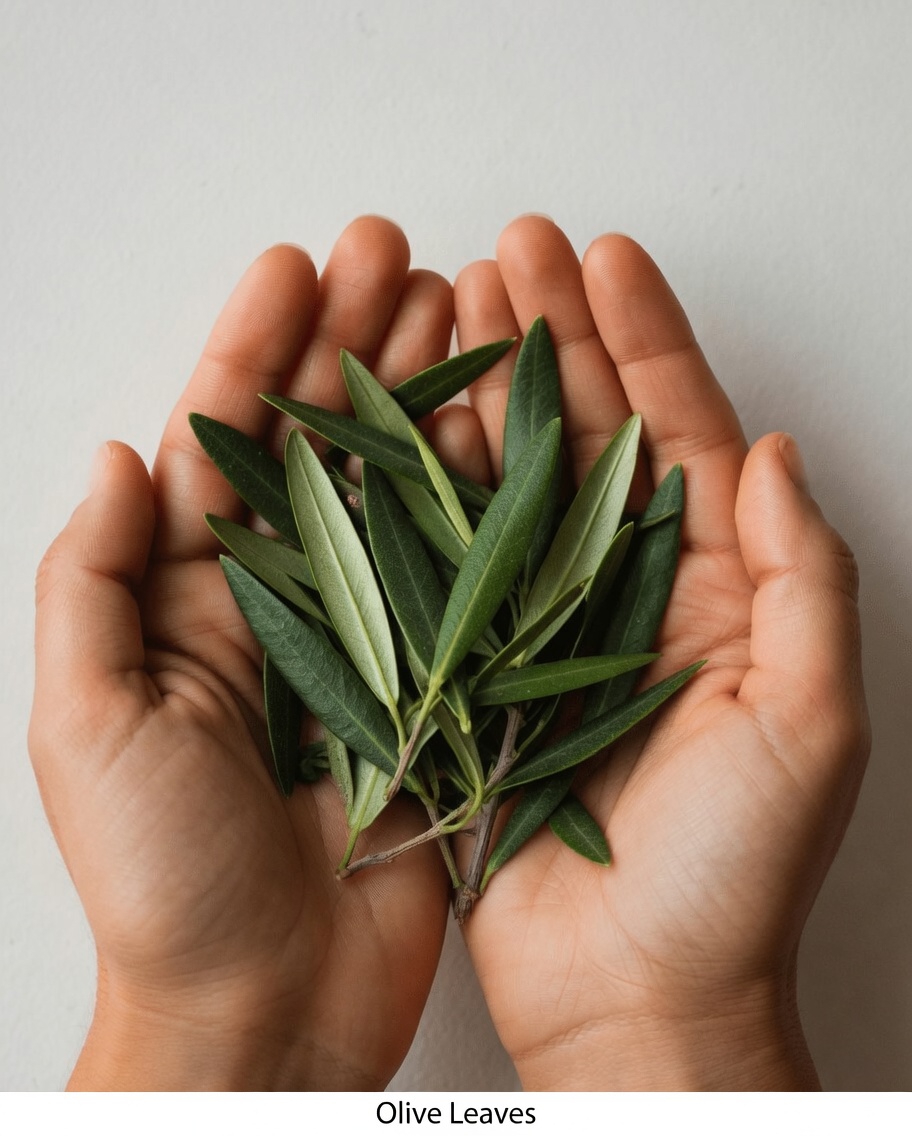
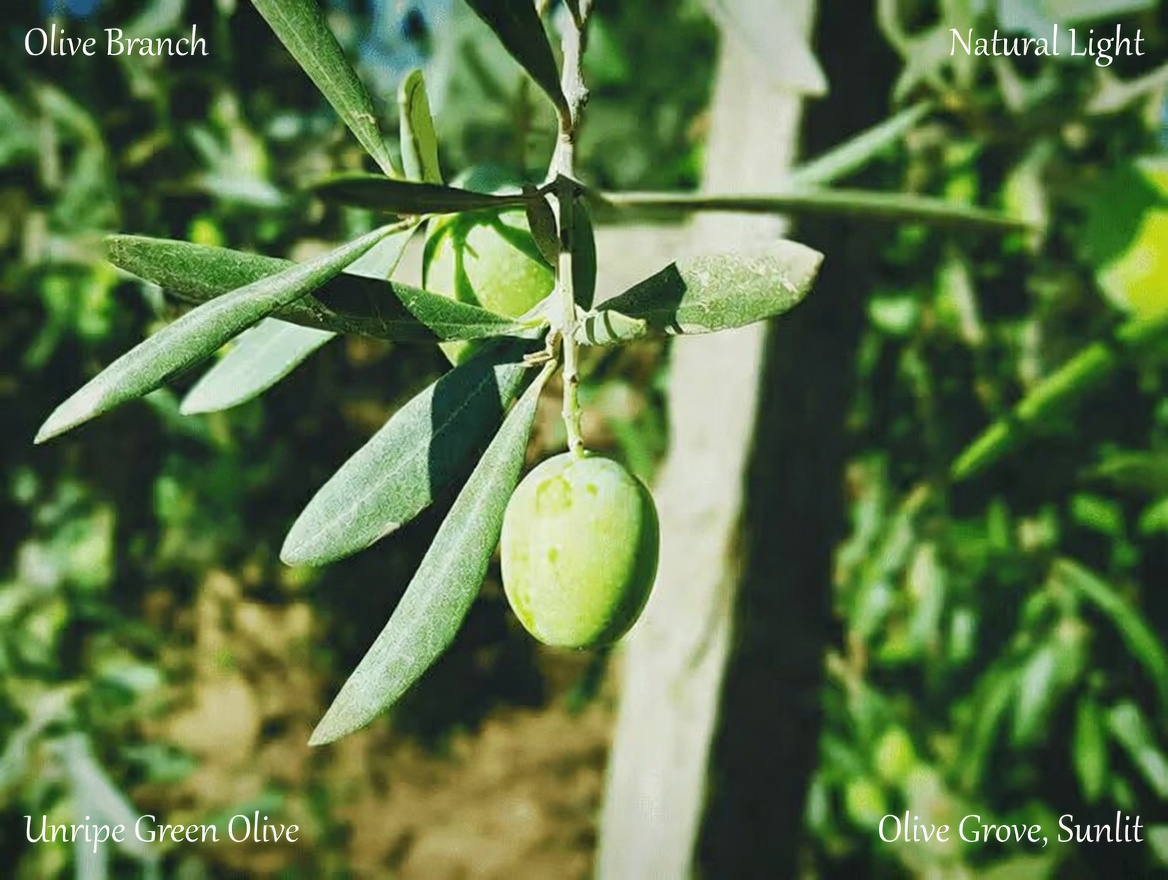
Olive leaf is harvested from the same olive trees that produce the olives and olive oil widely used in Mediterranean diets. For generations, traditional communities have used these leaves as part of everyday health practices. Today, scientific interest is growing around one of its main compounds: oleuropein.
Oleuropein is a naturally occurring polyphenol known for its antioxidant properties. Antioxidants help the body deal with oxidative stress, which can build up through normal daily living. While olive oil contains small amounts of these compounds, the leaves themselves are much more concentrated. That is why olive leaf tea, powder, and standardized extracts have become popular options for people interested in natural wellness support.
The Antioxidant Power Behind Olive Leaf
Oxidative stress and ongoing low-level inflammation are common concerns in modern lifestyles. These issues may influence energy, recovery, and heart function over time. Research suggests that olive leaf extract may help by offering both antioxidant and anti-inflammatory support.
Studies published in journals such as Antioxidants have explored how oleuropein and similar plant compounds may help neutralize free radicals and reduce certain inflammatory markers in laboratory and animal research. Human studies also add to the evidence, indicating potential benefits when olive leaf is used regularly within a balanced wellness plan.
Its value may go beyond general antioxidant protection. Olive leaf also appears to affect metabolic processes in ways that could be helpful for people focused on long-term health and prevention.
How Olive Leaf May Naturally Support Heart Health
For those looking to care for their cardiovascular system in a more natural way, olive leaf is worth considering. Reviews of clinical research, including analyses involving more than 800 people, have connected olive leaf extract with modest improvements in several important heart-health indicators.
Some of the most promising areas include:
- Blood pressure support: Certain study participants experienced mild but meaningful drops in both systolic and diastolic blood pressure, especially when their numbers were already elevated.
- Cholesterol management: Some evidence suggests reductions in LDL cholesterol and triglycerides, while HDL cholesterol may remain unchanged.
- Blood vessel protection: The antioxidant compounds in olive leaf may help defend the circulatory system against routine oxidative damage.
These results were typically seen in controlled studies using standardized olive leaf extracts over several weeks. As always, individual responses differ. Olive leaf works best as part of a broader heart-healthy lifestyle that includes nutritious food choices and regular physical activity.
Additional Wellness Benefits Olive Leaf May Offer
Heart support is not the only reason olive leaf has attracted attention. Early research points to other possible wellness applications as well.
Potential areas of support include:
- Blood sugar balance: Some small studies have reported improved insulin sensitivity and more stable glucose responses in people with metabolic concerns.
- Immune support: Laboratory findings suggest olive leaf may have antimicrobial-like properties, which could help the body during common upper respiratory discomforts.
- Daily energy and recovery: By helping reduce oxidative burden, olive leaf may support recovery from routine physical and mental stress.
These findings are promising, but they should be viewed realistically. Olive leaf is not a cure-all. It is best considered one supportive tool within a healthy lifestyle.
5 Easy Ways to Use Olive Leaf Every Day
If you want to try olive leaf, there are several simple and affordable ways to make it part of your routine. You do not need to dramatically change your habits to get started.
-
Drink olive leaf tea daily
Steep 1 to 2 teaspoons of dried olive leaves in hot water for 5 to 10 minutes. For a smoother taste, add lemon or a small amount of honey. Many people enjoy it as a calming morning or afternoon ritual. -
Use a high-quality olive leaf extract
Choose a standardized supplement that contains at least 20% oleuropein. A common starting amount is 500 mg per day, divided into two servings with meals. -
Add olive leaf powder to recipes
Powdered olive leaf can be blended into smoothies or incorporated into certain baked foods. It adds a mild, earthy flavor. -
Link it to habits you already have
Take olive leaf with breakfast, alongside your coffee, or during your evening wind-down. Attaching it to an existing routine makes consistency easier. -
Monitor your experience
Keep a simple journal for 4 to 6 weeks. Track energy levels, digestion, and overall comfort to see whether olive leaf seems to make a difference.
Choosing the Best Form of Olive Leaf
Here is a quick comparison of the most common options:
| Form | Pros | Cons | Best For |
|---|---|---|---|
| Dried Leaves / Tea | Affordable, natural, soothing ritual | Mild flavor, requires steeping time | People who enjoy daily tea habits |
| Liquid Tincture | Fast absorption, easy to carry | Strong taste | Quick, on-the-go use |
| Capsule Extract | Convenient, consistent dosing | Less like a whole-food option | Busy lifestyles |
| Powder | Flexible for smoothies and recipes | Can clump if stored poorly | Smoothie and recipe lovers |
Tips to Get Better Results From Olive Leaf
To make olive leaf more effective, combine it with foundational healthy habits:
- Be consistent: Many of the benefits reported in studies appeared after 4 to 8 weeks of regular use.
- Follow a Mediterranean-style diet: Fruits, vegetables, legumes, whole foods, and healthy fats pair naturally with olive leaf.
- Stay hydrated: Proper hydration can support recovery and overall function.
- Prioritize sleep: Getting 7 to 9 hours of sleep may help amplify the benefits of any wellness routine.
- Talk to your doctor if needed: If you use medication for blood pressure or blood sugar, consult a healthcare professional first because olive leaf may strengthen those effects.
Final Thoughts: A Small Leaf With Impressive Potential
Olive leaf is not a shortcut or a miracle solution. Its strength lies in helping build simple, sustainable habits that support wellness over time. From cardiovascular markers to everyday energy, current research suggests this traditional plant may have a valuable place in a modern health routine.
Start with a small step, stay consistent, and pay attention to how your body responds. Olive leaf may become one of the easiest natural tools you use to support your well-being.
FAQ
Is olive leaf safe to use every day?
For most healthy adults, olive leaf is generally considered safe when used as directed. It has a long history of traditional use and is usually well tolerated. In rare cases, mild side effects such as headache or stomach discomfort may occur. If you have a medical condition or take prescription medication, speak with your healthcare provider first.
How much olive leaf extract should I take per day?
Many studies use 500 to 1,000 mg per day of standardized olive leaf extract. A lower starting amount is often a good idea so you can observe how your body responds. If you prefer tea, 1 to 2 cups daily offers a gentler approach.
Can I harvest and use olive leaves from my own tree?
Yes, you can. If you grow an olive tree or have access to one, you can collect young leaves, wash them well, and dry them for tea. Be sure the leaves have not been exposed to pesticides or other chemical treatments.
Disclaimer
This article is intended for informational purposes only and does not diagnose, treat, cure, or prevent any disease. The content is based on currently available research and should not replace professional medical advice. Always consult a qualified healthcare provider before starting any new supplement or making major changes to your wellness routine, especially if you have an existing health condition or take medication. Individual results may vary.