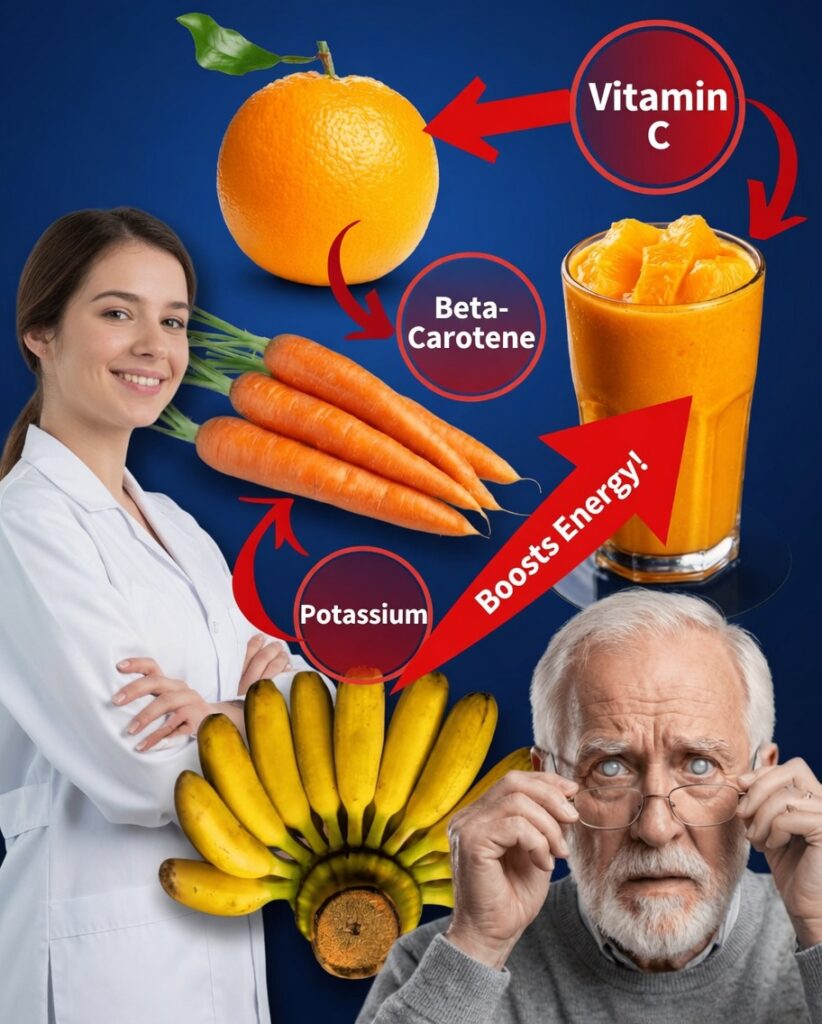
As we get older, it’s common to notice small but annoying vision shifts—slightly blurrier reading, more eye fatigue after screen time, or headaches that make it harder to focus. With modern life demanding more time on digital devices, these issues can feel even more frustrating. Research also points to oxidative stress and inflammation as contributors to age-related eye changes, which may explain why quick fixes sometimes don’t feel like enough.
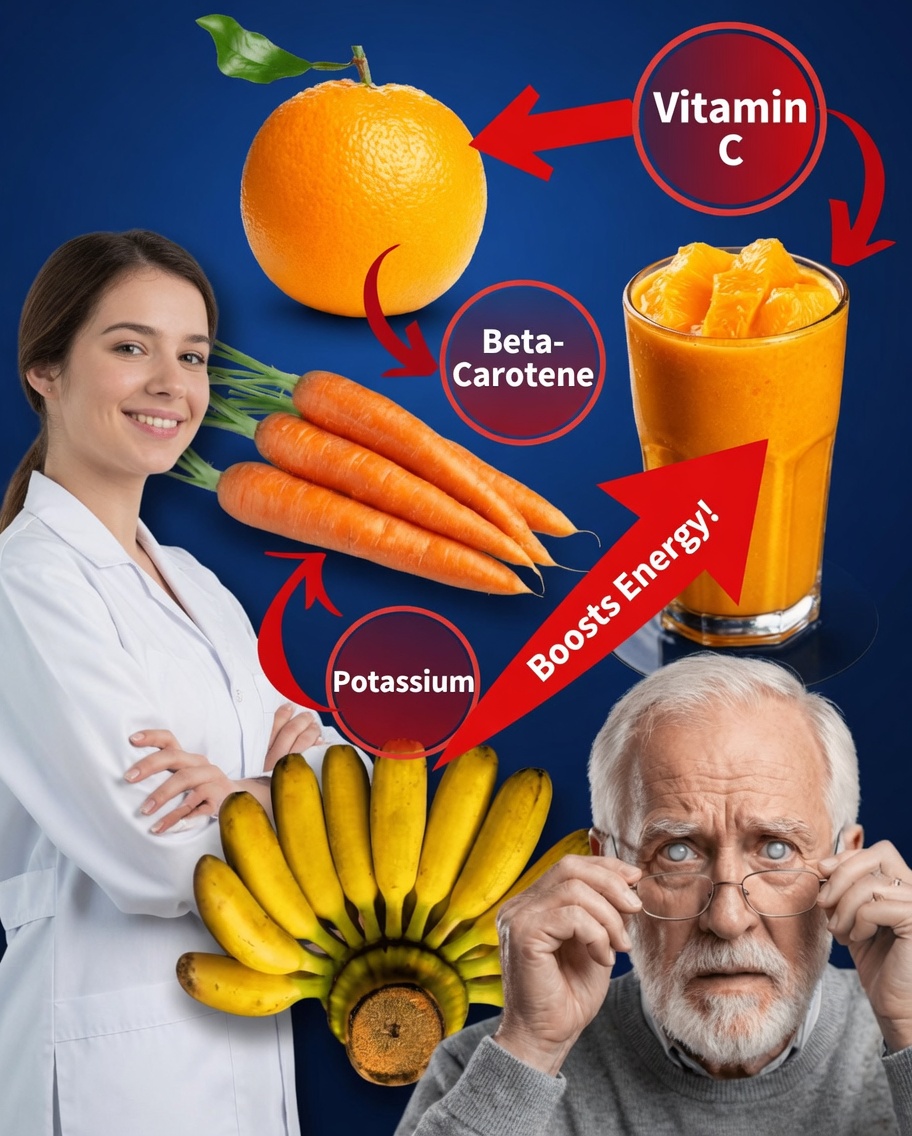
What if a simple, nutrient-dense habit could help support eye comfort from the inside out? Below, you’ll find a refreshing eye-support smoothie made with everyday ingredients that naturally provide vitamin A, vitamin C, and plant compounds studied for their antioxidant and anti-inflammatory potential—plus an easy plan to stick with it.
Why Eye Comfort Often Feels More Challenging After 40
After 40, many people spend more hours on screens, juggle higher stress, and experience natural body changes that can influence overall eye wellness. In the U.S., vision concerns are widespread—glaucoma affects roughly 4.2 million adults, and age-related macular degeneration (AMD) impacts millions more as subtle changes develop over time.
These aren’t just minor inconveniences. Reduced eye comfort can interfere with reading, driving, work, and hobbies. While brighter lighting, screen adjustments, or eye drops may provide quick relief, they don’t always address deeper contributors such as free-radical damage (oxidative stress) or low-grade inflammation, which research associates with gradual age-related eye changes.
If you’ve ever squinted at a menu or felt your eyes “give up” after a long day, you’re in good company. Evidence suggests that consistently getting key nutrients from whole foods may support overall eye health and comfort.
The Eye-Support Smoothie: A Simple Habit You Can Do Daily
This smoothie is not a cure or a treatment. Instead, it’s a practical, enjoyable way to increase intake of nutrients linked in research to eye wellness:
- Carrots for beta-carotene (a precursor to vitamin A)
- Oranges for vitamin C
- Bananas for potassium
- Turmeric for curcumin, a compound studied for anti-inflammatory activity
Research (including findings associated with the National Eye Institute’s AREDS work) connects dietary antioxidants—such as vitamin C and carotenoid-rich foods—to eye health support, including certain age-related changes. Separately, preclinical research has explored curcumin’s potential role in inflammation pathways that may affect eye tissues, though more human studies are needed.
What makes this blend appealing is its synergy: it’s a whole-food combination that’s easy to prepare and simple to repeat consistently.
Step-by-Step Smoothie Recipe (1 Serving)
Make one serving using the steps below:
- Peel and chop 1 medium carrot into small pieces (helps it blend smoothly).
- Slice 2 ripe bananas (for sweetness and a creamy texture).
- Peel and segment 2 oranges, removing seeds if needed.
- Add everything to a blender with:
- ½ teaspoon turmeric powder
- 2 cups water (adjust for thickness)
- Blend on high for 30–60 seconds until smooth.
- Drink right away—ideally about 30 minutes before breakfast.
To build the habit, aim for one smoothie daily for 7 days. Many people find it refreshing and energizing.
Pro tip: Add a tiny pinch of black pepper. Research on nutrient absorption suggests it can significantly improve curcumin bioavailability.
Ingredient Benefits: How This Smoothie May Support Eye Wellness
Here’s how each component contributes, based on commonly cited nutrition science and research themes.
Carrots (Beta-Carotene → Vitamin A): Retinal and Low-Light Support
Carrots are a well-known source of beta-carotene, which your body converts into vitamin A—a nutrient essential for retinal function and night/low-light vision. AREDS-related research and broader antioxidant literature emphasize that vitamin A and carotenoid-rich diets support eye tissue maintenance and may help defend against oxidative damage.
Practical takeaway: Increasing beta-carotene-rich foods is a simple, food-first step many adults use to support daily eye comfort.
Oranges (Vitamin C): Antioxidant Defense for Eye Cells
Oranges deliver vitamin C, a key antioxidant that helps protect cells from oxidative stress. Research associations (including those discussed in the context of AREDS findings) link higher antioxidant intake with eye health support, including lens and vascular health.
Vitamin C also supports healthy blood vessels—important because eye tissues rely on stable circulation for oxygen and nutrient delivery.
Turmeric (Curcumin): Anti-Inflammatory Potential (Evidence Still Evolving)
Curcumin, turmeric’s best-known active compound, has been studied in lab and animal models for its anti-inflammatory and antioxidant activity. Early research explores how it may interact with pathways relevant to eye conditions where inflammation is involved, such as glaucoma and cataracts—though definitive human evidence is still developing.
Adding turmeric in food amounts is a gentle, diet-based strategy that many people can maintain long-term.
Bananas (Potassium): Fluid Balance and Circulatory Support
Bananas provide potassium, which supports fluid balance and healthy blood pressure—both relevant to overall circulation. Healthy circulation helps nourish the small vessels that support eye tissues. Bananas also make the smoothie more filling and naturally sweet, helping consistency.
Why the Combination Matters: Nutrient Synergy
Together, these ingredients create a broader nutritional profile that supports:
- Antioxidant coverage (vitamin C, beta-carotene)
- Anti-inflammatory potential (curcumin)
- Hydration and electrolyte balance (potassium, water)
Research often shows that fruit- and vegetable-rich dietary patterns correlate with better overall health outcomes, including eye-related measures in various populations.
Quick Reference: Key Nutrients and Potential Roles
- Beta-Carotene (Carrots) → converts to vitamin A for retinal support (often discussed alongside AREDS nutrition themes)
- Vitamin C (Oranges) → antioxidant protection for cells, lens, and vessels
- Curcumin (Turmeric) → studied for anti-inflammatory activity (preclinical eye-protection interest)
- Potassium (Bananas) → supports fluid balance and circulation
Quick Self-Check: Track Your Eye Comfort for 7 Days
Take 60 seconds to benchmark how you feel today:
- Rate your eye comfort from 1–10
- Note symptoms such as:
- eye strain
- focus fatigue
- occasional headaches
- dryness or “tired eyes” after screens
Drink the smoothie daily for one week, then rate again. Also track changes in overall energy and focus—small shifts are easier to spot when written down.
7-Day Starter Timeline (Simple and Realistic)
- Days 1–3: Build the routine; notice how it feels in your morning schedule
- Days 4–5: Some people report less screen fatigue or end-of-day strain
- Days 6–7: Reassess comfort and clarity; compare to your original score
Smoothie vs. Other Common Options
- Smoothie (whole foods): nutrient-dense, hydrating, tasty, and easy to repeat
- Eye drops: fast symptom relief, but typically temporary and not nutrition-based
- Supplements: convenient and targeted, but can be expensive and absorption may vary (often better with food)
For many people, a food-first routine is a practical foundation—especially when paired with healthy screen habits.
Extra Tips to Support Eye Comfort Alongside Nutrition
- Use the 20-20-20 rule: every 20 minutes, look 20 feet away for 20 seconds
- Add variety over time: consider leafy greens (lutein and zeaxanthin) in other meals or occasional smoothie variations
- Stay consistent: antioxidant-related benefits are often linked to regular intake over time, not one-off “boosts”
Conclusion: A Small Daily Step That Can Add Up
A simple, nutrient-packed smoothie can be an easy and enjoyable way to support eye wellness—especially when you focus on whole foods, repeatable habits, and paying attention to how your body responds. Start small, stay consistent, and combine nutrition with smarter screen breaks for the best overall support.
FAQ
1. Can I prepare this smoothie in advance?
Yes, but fresh is ideal for taste and nutrient quality. If needed, refrigerate for up to 24 hours, then stir or re-blend before drinking.
2. Is this smoothie safe if I have existing health conditions?
Check with your healthcare professional first—especially if you have diagnosed eye conditions (such as glaucoma), take medications, or have dietary restrictions.
3. When might I notice improvements?
Many people feel increased energy within a few days. Eye comfort changes—if they happen—are more commonly reported after weeks of consistent use, not overnight.
This article is for informational purposes only and does not replace medical advice. Consult a qualified healthcare provider before making dietary changes, particularly if you have eye conditions or other health concerns.