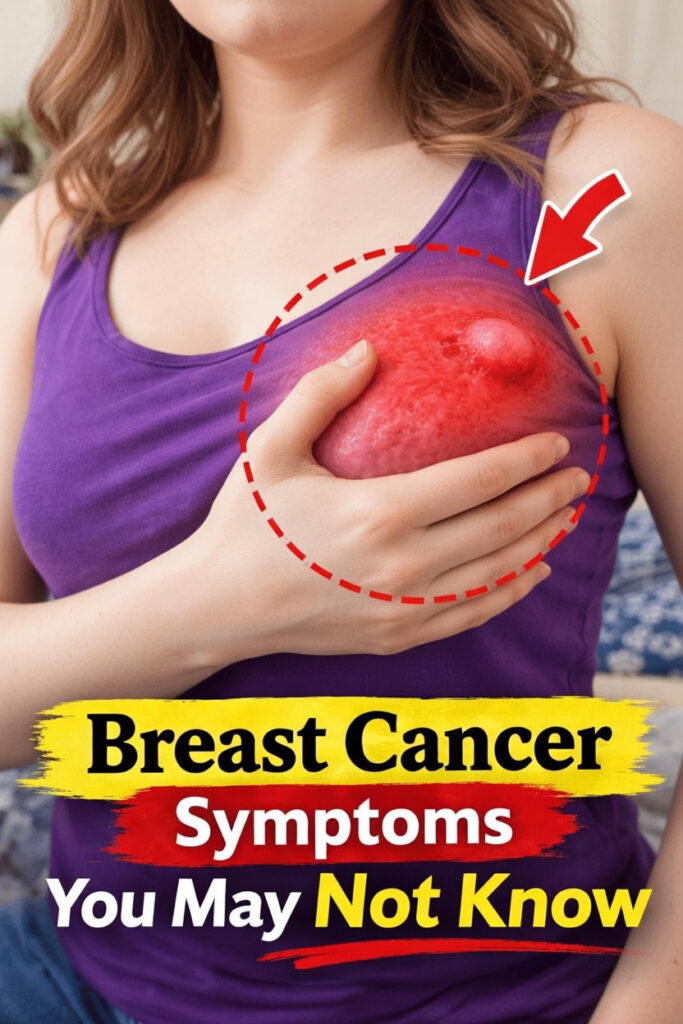
Breast Changes Without a Lump: Signs You Should Not Ignore
Many women feel relieved when they do not find a lump, assuming that everything is normal. But breast changes are not always obvious. Some signs appear slowly and are easy to dismiss as aging, hormones, or mild skin irritation. That uncertainty can quietly linger and cause stress over time.
The encouraging part is that knowing what to watch for can make you feel more informed and more in control. And at the end of this guide, you will find one simple awareness habit that may help you notice early changes more easily.
A Lump Is Important, but It Is Not the Whole Picture
For a long time, public health messages have focused mainly on lumps as the key warning sign. While a lump is still important, organizations such as the American Cancer Society and the CDC make it clear that it is only one possible symptom.
Evidence suggests that roughly one in six breast cancer cases may occur without a clearly noticeable lump. In some situations, other changes may show up first.
That said, most breast changes are not caused by cancer. Hormonal fluctuations, harmless cysts, and common skin conditions are often responsible. Even so, understanding possible warning signs can help you respond calmly and wisely rather than from fear.

Easy-to-Miss Breast Changes
Some breast symptoms are subtle and can be overlooked. They do not automatically signal a serious problem, but if they are new or do not go away, they deserve attention.
Skin and Texture Changes
In some cases, the skin may show changes before anything else becomes noticeable.
Pay attention to:
- Dimpling or puckering, sometimes resembling orange peel texture
- Thickened skin or mild swelling without a distinct lump
- Red or flaky skin on the breast or around the nipple
- An area that feels warm or looks slightly bruised
These changes may appear gradually or develop more quickly. Research has shown that visible skin changes can sometimes be among the earliest signs.
Nipple Changes That Seem Unusual
The nipple area can also reveal important clues, even though many people do not think to check it closely.
Look for:
- A nipple that starts turning inward after previously pointing outward
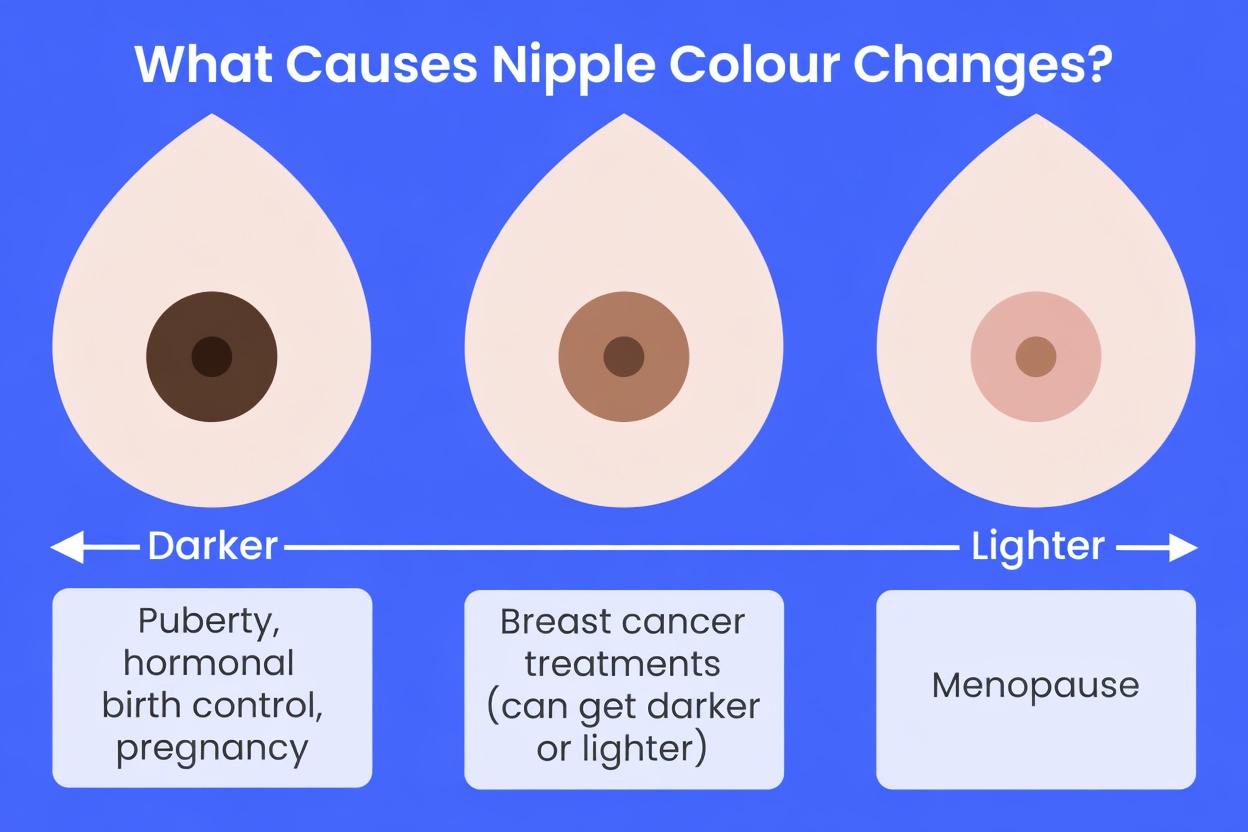
- Noticeable changes in shape, color, or texture
- Ongoing itching or scaling that does not improve
- Discharge that is clear, bloody, or happens without squeezing
If a change appears in only one breast, it is especially worth noting.
Pain That Does Not Match Your Usual Pattern
Breast pain is common and often linked to the menstrual cycle or other non-serious causes.
Still, it is worth paying attention if you notice:
- Pain in one specific area
- Discomfort that does not follow your usual cycle
- Lasting tenderness around the nipple
Most breast pain is not dangerous. However, when it feels different from what is normal for you, it should not be ignored.
Swelling Outside the Breast
Many people focus only on the breast itself, but changes can also appear nearby.
Watch for:
- Swelling or fullness under the arm
- Tenderness around the collarbone
- A small lump in the armpit
These areas contain lymph nodes, which may sometimes react before changes inside the breast are easily noticeable.
Changes in Size or Shape
Not every change is dramatic. Sometimes the difference is slight but still meaningful.
You may notice:
- One breast feels heavier than usual
- A gradual shift in shape
- New unevenness that was not there before
What matters most is your personal baseline. A change from your normal pattern is often the most important clue.
Commonly Recognized Signs vs. Often Overlooked Signs
Here is a simple comparison to make these symptoms easier to understand:
-
Lump
- Commonly recognized: a distinct lump in the breast
- Often overlooked: thickening without a clearly defined lump
-
Skin
- Commonly recognized: not often discussed
- Often overlooked: dimpling, redness, warmth, texture changes
-
Nipple
- Commonly recognized: occasionally mentioned
- Often overlooked: inward turning, discharge, scaling
-
Pain
- Commonly recognized: general soreness
- Often overlooked: persistent pain on one side or in one spot
-
Other Changes
- Commonly recognized: basic size awareness
- Often overlooked: swelling in the armpit, fullness, or shape changes
This wider view shows why breast awareness needs to go beyond checking for a lump alone.
Why So Many Symptoms Are Missed
There is a simple reason many of these signs go unnoticed. They often develop slowly and may seem harmless at first. They can look like ordinary skin irritation, hormonal changes, or everyday discomfort.
Studies suggest that fewer than half of adults can identify breast cancer symptoms beyond a lump. That lack of awareness is exactly why this topic is so important.
The positive news is that awareness is a skill you can build.
Simple Habits to Stay Aware
You do not need medical training or special equipment. A few small habits can help you stay familiar with your body.
1. Know What Is Normal for You
Once each month, take a few minutes to observe your breasts.
- Stand in front of a mirror and look for visible changes
- Gently feel for differences in texture, shape, or fullness
- If you menstruate, check after your period when breasts may be less tender
The goal is not perfection. Regular attention matters more than technique.
2. Keep a Record of Anything New
If something feels or looks different:
- Make a note on your phone
- Track how long it continues
- Notice whether it improves, stays the same, or changes
This can be useful if you later speak with a healthcare professional.
3. Stay Up to Date With Screenings
Follow screening recommendations based on your age, family history, and personal risk factors.
Health experts consistently emphasize that routine screening supports earlier detection.
4. Listen to Your Instincts
If something feels unusual, it is okay to ask questions.
Many breast concerns turn out to be benign, but getting reassurance is still valuable. Trusting yourself is an important part of breast health awareness.
Why Awareness Can Make a Real Difference
In the United States, about one in eight women will develop breast cancer during their lifetime. Outcomes are often much better when changes are found early.
Awareness does not have to create anxiety. In fact, many women feel calmer once they understand what signs to watch for. Familiarity with your own body can replace uncertainty with confidence.
The goal is not to expect something bad. It is simply to know what is normal for you so that you can recognize when something changes.
The Simple Habit Many People Overlook
At the beginning, we mentioned one easy habit that can make a difference.
Here it is: create one consistent moment of breast awareness as part of your self-care routine.
That could be:
- After a shower
- Before going to sleep
- During your morning routine
Just a few calm minutes each month can help you stay connected to your body in a practical and reassuring way. Over time, this awareness can become second nature.
Frequently Asked Questions
Can breast pain by itself be a warning sign?
Breast pain is very common and is often related to hormones or non-cancerous conditions. However, if the pain is new, ongoing, or limited to one area, it is reasonable to have it evaluated for peace of mind.
Do these symptoms appear the same way in every person?
No. Every body is different. Some people may notice several changes, while others see only one subtle difference. That is why knowing your own normal pattern is so valuable.
How often should I check for breast changes?
Many experts recommend a monthly self-check along with regular clinical screening. The aim is steady awareness, not a perfect routine.
Final Thoughts
Breast health is about more than searching for a lump. Skin changes, nipple differences, pain patterns, swelling, and shifts in shape can also be important signals.
The key is not to become overwhelmed, but to stay gently attentive.
Small and consistent habits can help you feel more informed, more confident, and more in control of your health. And if something does not seem right, speaking with a healthcare professional is always a smart step.
Disclaimer
This article is for informational purposes only and is not a substitute for professional medical advice. Always consult a qualified healthcare provider if you have symptoms or concerns.