
Blood clots can contribute to major cardiovascular problems by disrupting circulation and straining overall vascular health. This risk tends to rise in adults over 40—especially with long sitting hours, low activity levels, or ongoing inflammation. When blood flow isn’t optimal, many people notice issues such as heavy legs, tiredness, or swelling after a desk day, a long drive, or air travel.
Medical treatments exist, but growing research suggests that certain fruits—rich in natural enzymes, polyphenols, and antioxidants—may support healthier circulation, vessel function, and platelet balance as part of a balanced diet.
What if a few simple, delicious fruit choices could help your body’s natural flow-supporting processes? Below are seven research-backed fruits and easy ways to eat them consistently—without overcomplicating your routine.

Why Certain Fruits Can Support Circulatory Wellness
Some fruits contain bioactive compounds associated in research with:
- Better endothelial function (supporting the inner lining of blood vessels)
- Higher nitric oxide availability (helping vessels relax and widen)
- Lower oxidative stress (reducing damage from free radicals)
- More balanced platelet activity (important for healthy clotting dynamics)
Compounds frequently studied in this context include bromelain, punicalagins, anthocyanins, hesperidin, and other flavonoids. For best results, prioritize whole, fresh fruits over heavily processed juices, candies, or sweetened products.
Quick self-check: On a scale of 1–10, how often do you feel leg heaviness, swelling, or low energy after sitting too long? Note it—you can compare later.
The 7 Best Fruits to Add for Everyday Circulation Support
1) Pineapple: Bromelain and Fibrin Support
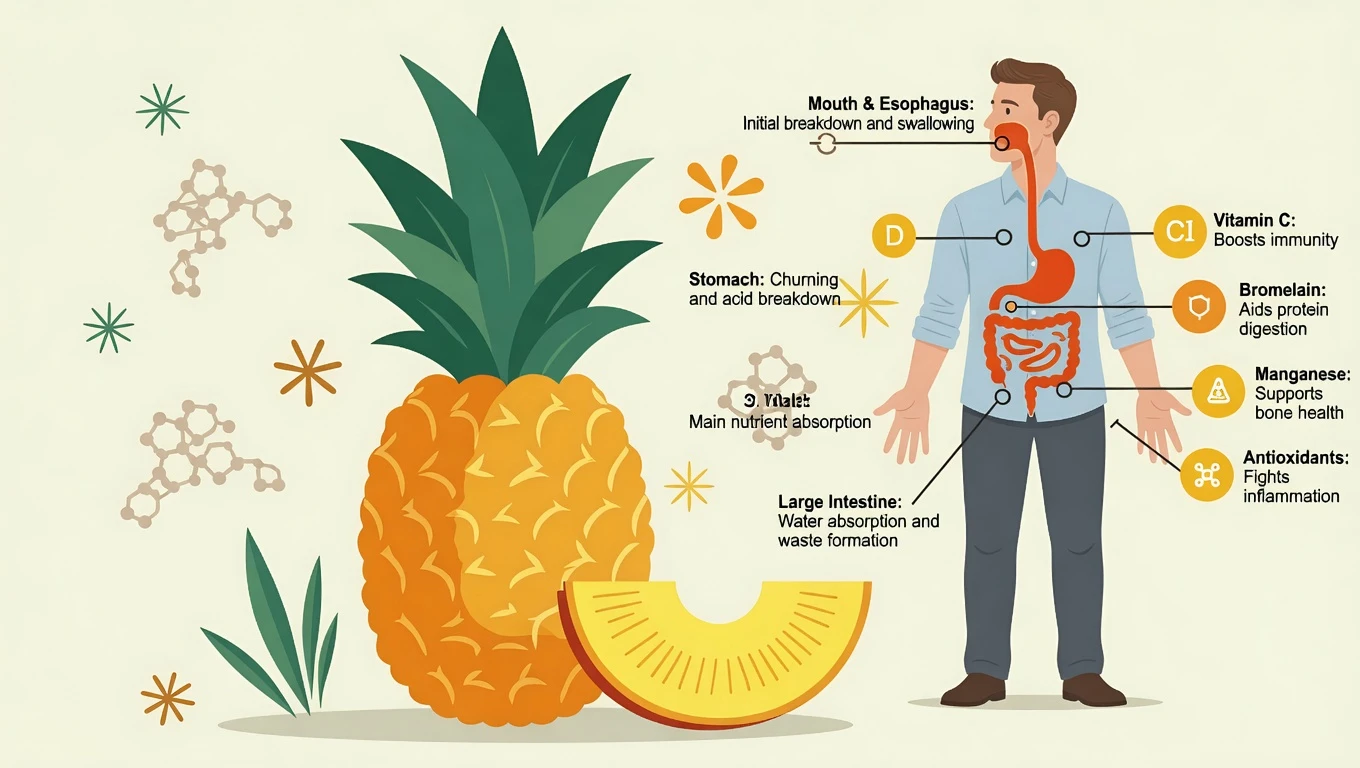
Fresh pineapple provides bromelain, an enzyme studied for its potential role in helping the body manage fibrin, a protein involved in clot formation. Laboratory and animal research suggests bromelain may support smoother blood flow by assisting natural fibrin-related processes.
Many people also report feeling less puffy during travel when they regularly include fresh pineapple. Evidence is promising in anti-inflammatory and circulation-related contexts, though more large human trials are still developing.
2) Pomegranate: Polyphenols for Vessel Function and Nitric Oxide
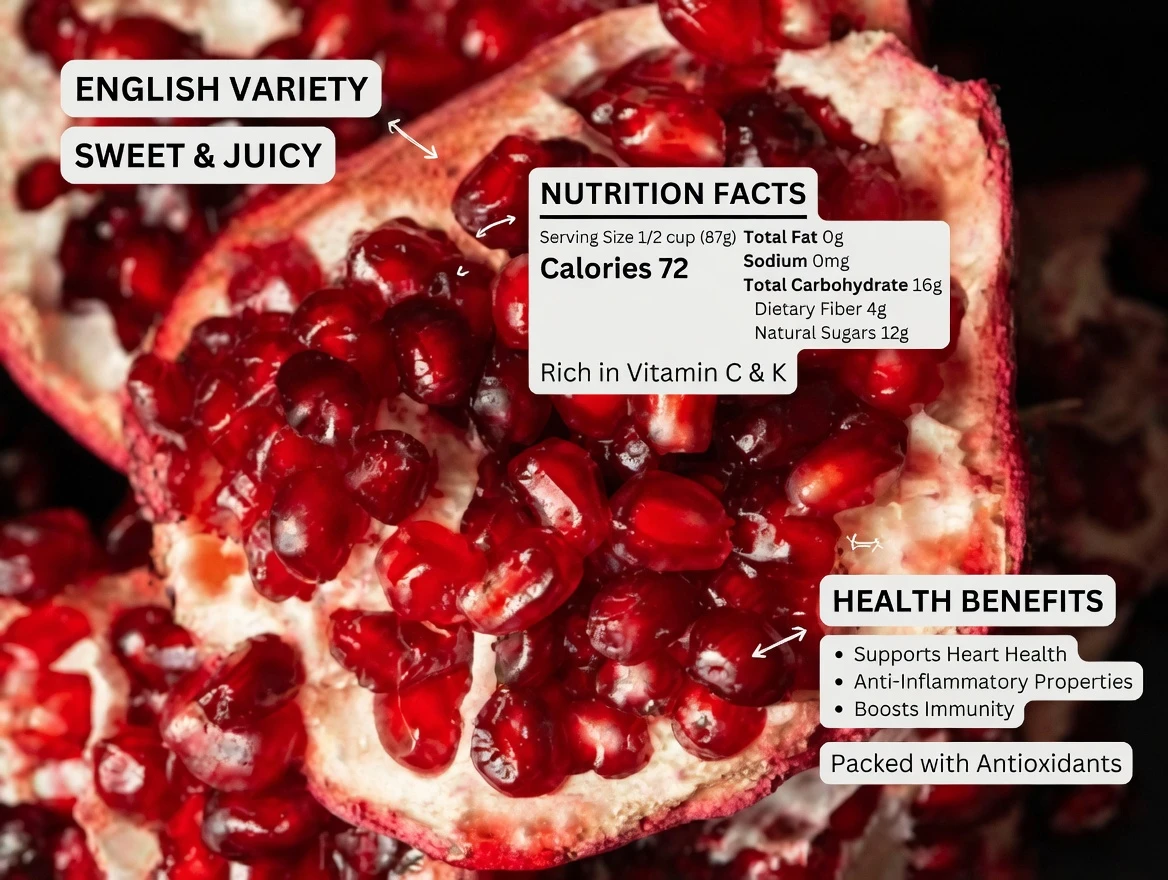
Pomegranate stands out for punicalagins and other polyphenols, which research links to:
- Reduced oxidative stress
- Support for nitric oxide (helping blood vessels dilate)
- Potential help with platelet aggregation balance
Human studies associate regular pomegranate intake with improved markers of arterial and endothelial function in certain groups—suggesting potential benefits for day-to-day vascular wellness.
3) Oranges: Hesperidin for Vascular Strength
Oranges contain hesperidin, a citrus flavonoid studied for supporting:
- Endothelial integrity
- A healthier inflammatory response that can affect arteries
- Microvascular function after meals
Alongside hesperidin, oranges also provide vitamin C, which supports collagen formation—important for maintaining resilient blood vessel walls.
4) Berries: Anthocyanins Against Oxidative Stress
Berries (such as blueberries, strawberries, and similar varieties) are rich in anthocyanins, antioxidants linked to healthier vascular responses. Meta-analyses and clinical research associate berry intake with improvements in flow-mediated dilation, a commonly used measure of endothelial function.
Higher anthocyanin intake is also associated with lower inflammation markers in multiple studies, which may matter because inflammation often contributes to circulatory discomfort.
Midpoint pause: You’ve now covered four strong options. Re-check your energy and “heavy legs” score from earlier—has your awareness shifted?
Extra Support Options: 3 More Fruits to Round Out Your Routine
5) Grapefruit: Naringenin and Platelet Activity (With a Safety Note)
Grapefruit contains naringenin, a compound shown in lab studies to potentially moderate excessive platelet activation through cellular signaling pathways.
Important: Grapefruit can interact with several medications (including certain statins and other prescriptions). If you take prescription drugs, consult your clinician or pharmacist before adding grapefruit regularly.
6) Kiwi: Enzymes + Antioxidant Vitamins
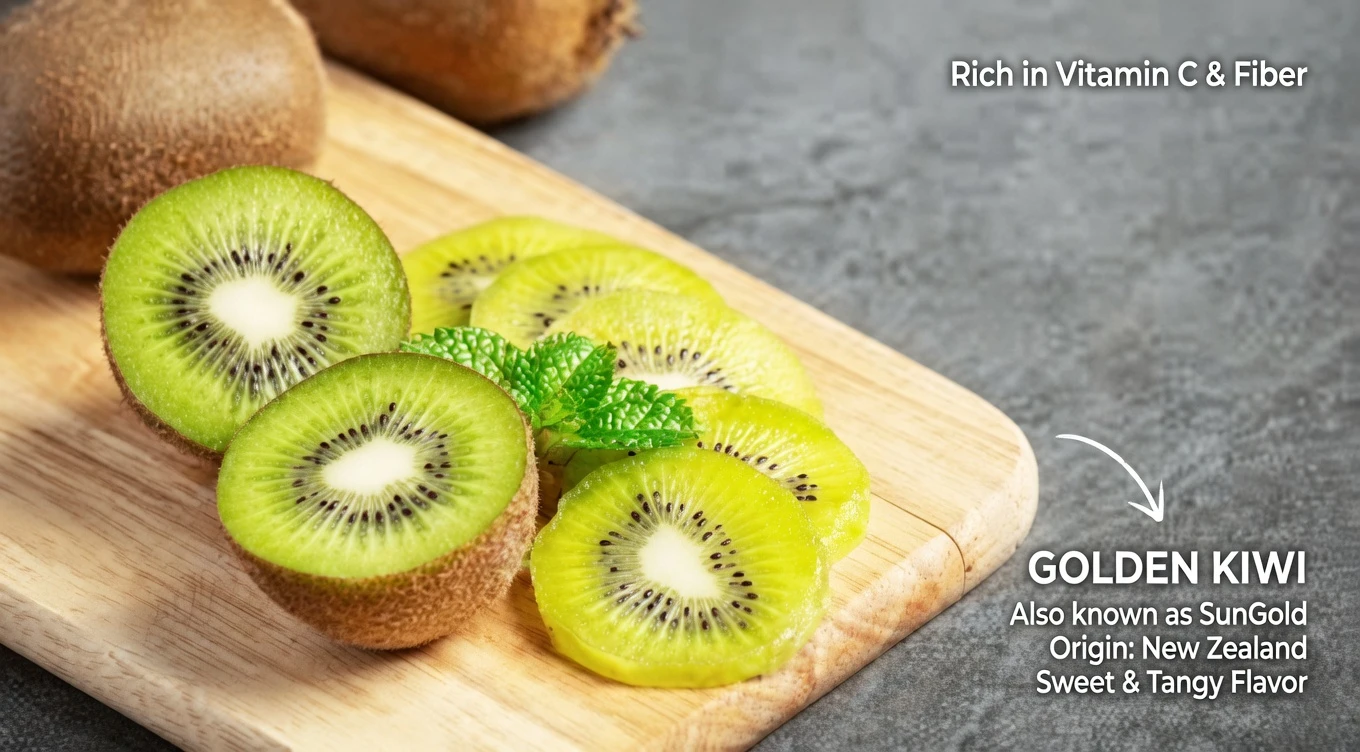
Kiwi offers actinidin (a natural enzyme) plus vitamins C and E. An older study from Oslo reported that eating 2–3 kiwis per day reduced certain markers related to platelet aggregation in some participants—showing an effect comparable to low-dose aspirin in that specific context.
Simple upgrade: Combine kiwi with berries to stack a wider range of antioxidants in one snack or smoothie.
7) Avocado: Healthy Fats and Folate for Vascular Health
While avocado is often thought of as a “healthy fat” food rather than a classic fruit, it’s botanically a fruit and can be a strong addition for circulation-friendly eating patterns. Its monounsaturated fats support healthier lipid profiles, and large observational studies link higher avocado intake with lower cardiovascular risk.
Avocado also contains folate, which may help support healthy homocysteine levels—often discussed in relation to vascular health.
What These Fruits May Be Doing Together (The Big Picture)
When eaten consistently as part of a healthy diet, these fruits may contribute to:
- Nitric oxide support for vessel relaxation (pomegranate, oranges, berries)
- Endothelial function support (berries are especially noted here)
- Oxidative stress reduction for long-term vessel protection
- Comfort benefits such as less heaviness and fatigue from better circulation
- Homocysteine support through avocado’s folate
The practical advantage: combining fruits can be synergistic, since each provides different compounds that work through different pathways.
Easy, Realistic Ways to Eat These Fruits Daily
Start small, then build consistency:
- Smoothie routine: Blend pineapple + kiwi + mixed berries, optionally adding spinach for extra micronutrients.
- Fast snacks:
- Yogurt topped with pomegranate arils
- Orange slices with a small handful of almonds
- Salad upgrade: Add avocado slices and grapefruit segments to leafy greens (avoid grapefruit if medication interactions apply).
- Daily target: Aim for 2–3 servings per day, spread across meals, and rotate varieties.
Quick Comparison Table (Compounds, Benefits, Best Forms)
| Fruit | Key compound(s) | Potential support | Best form |
|---|---|---|---|
| Pineapple | Bromelain | Fibrin-related balance, anti-inflammatory support | Fresh chunks |
| Pomegranate | Punicalagins, polyphenols | Platelet balance, nitric oxide support | Seeds (arils) or fresh juice |
| Oranges | Hesperidin, vitamin C | Vessel strength, endothelial support | Whole fruit or fresh juice |
| Berries | Anthocyanins | Endothelial function, antioxidant protection | Fresh or frozen |
| Grapefruit | Naringenin | Platelet moderation (lab evidence) | Fresh segments (check medications) |
| Kiwi | Actinidin, vitamins C/E | Platelet marker support (study-based), antioxidants | Fresh, peeled |
| Avocado | Monounsaturated fats, folate | Cholesterol profile support, homocysteine support | Sliced or mashed |
A Simple 5-Week Rotation Plan
- Weeks 1–2: Add 1–2 fruits daily (example: pineapple + berries).
- Weeks 3–4: Rotate across all seven fruits for variety.
- Week 5+: Combine them in meals and track changes in energy, swelling, and leg comfort.
How Fruit-Based Support Compares With Other Options
| Option | Accessibility / cost | Evidence level | Key considerations |
|---|---|---|---|
| These 7 fruits | High, generally affordable | Promising and growing | Minimal risk for most; grapefruit may interact with medications |
| Prescription blood thinners | Prescription | Strong clinical evidence | Bleeding risk, requires medical supervision |
| Low-dose aspirin | Over-the-counter | Established in specific settings | Stomach irritation/bleeding risk in some people |
| Omega-3 supplements | Medium | Good evidence for certain outcomes | Aftertaste, quality varies |
Safety and Medical Disclaimer
This article is for informational purposes only and does not provide medical advice. It is not intended to diagnose, treat, cure, or prevent any disease. Speak with a qualified healthcare professional before making dietary changes—especially if you have a clotting disorder, cardiovascular risks, or use blood-thinning medications. Some foods (notably grapefruit) can interact with prescriptions.
A 30-Day Mindset: Small Changes, Noticeable Momentum
Imagine a month from now: easier movement, steadier energy, and more confidence that you’re supporting circulation through everyday choices. Start with one fruit today—which one will you try first?
- Save this guide for later
- Share it with someone who worries about circulation
- Test a new fruit combo and track how you feel
P.S. Pair these fruit habits with a short daily walk—movement can further support healthy blood flow.
FAQ
1) How many of these fruits should I eat per day to potentially see benefits?
A practical goal is 2–3 servings daily, spaced out, focusing on variety to cover complementary compounds.
2) Can these fruits replace medication for clot prevention?
No. These fruits may support general vascular wellness, but they do not replace prescribed treatments. Follow your clinician’s plan.
3) Are there risks to eating these fruits?
Most people tolerate them well. The main caution is grapefruit, which can interact with certain medications (for example, some cholesterol drugs). If you take prescriptions, confirm safety with a healthcare professional.