Chronic kidney disease (CKD) impacts more than 1 in 7 adults in the United States, roughly 35.5 million people—and many don’t realize it until the condition has progressed. With age, small changes like persistent tiredness, mild swelling, or inconsistent blood pressure may show up, often connected to how effectively the kidneys filter waste and regulate fluid and mineral balance. The encouraging reality is that everyday food choices—especially those rich in antioxidants, fiber, and kidney-supportive nutrients—can contribute to overall kidney wellness as part of a balanced lifestyle.
What if a few simple, enjoyable additions to your meals could help you feel more energized and steady day to day? Below are 15 evidence-informed superfoods and drinks that nutrition experts frequently highlight for kidney support—focusing on options that are lower in potassium and phosphorus when it matters most, while still delivering valuable protective compounds. Stay to the end for a practical “synergy” tip that helps tie everything together.
Why Kidney Health Deserves More Attention Today
Many adults in their 40s, 50s, and beyond notice gradual shifts: slower mornings, occasional puffiness, or a general sense of feeling “not quite right” even when trying to stay active. The CDC notes that CKD often advances quietly, influenced by factors such as oxidative stress, inflammation, and fluid balance. While no single ingredient can “fix” kidney health, guidance from organizations like the National Kidney Foundation supports a helpful principle: choosing nutrient-dense foods that don’t overload the kidneys can support the body’s natural filtration and protective functions.
The best part is how realistic the changes can be. Small, consistent swaps—done in a way you actually enjoy—often lead to noticeable improvements over time, such as steadier energy and a stronger sense of control.
Top Vegetables: Low-Potassium Favorites for Daily Meals
These vegetables stand out because they’re versatile, flavorful, and generally gentle for kidney-conscious eating.
Red Bell Peppers (Crunchy Antioxidant Support)
Red bell peppers are low in potassium while providing vitamins C, A, B6, folate, and fiber. Add them to salads, omelets, wraps, or quick stir-fries for color and crunch. Their antioxidant profile is commonly discussed in relation to reducing oxidative stress, which is relevant to long-term kidney wellness.
Cauliflower (Comfort-Food Swap Without the Load)
Cauliflower brings vitamin C, folate, and fiber, while typically staying lower in potassium and phosphorus than many starchy sides. Use it as:
- Mashed “potatoes”
- Cauliflower rice
- A simple roasted sheet-pan vegetable
Cabbage (Budget-Friendly and Phytochemical-Rich)
Cabbage is often underestimated, yet it offers fiber, vitamin C, and beneficial plant compounds associated with natural detox pathways. Light steaming or quick sautéing helps preserve nutrients. It also adds volume to soups, bowls, and slaws without relying on heavy ingredients.
Garlic (Big Flavor, Less Need for Salt)
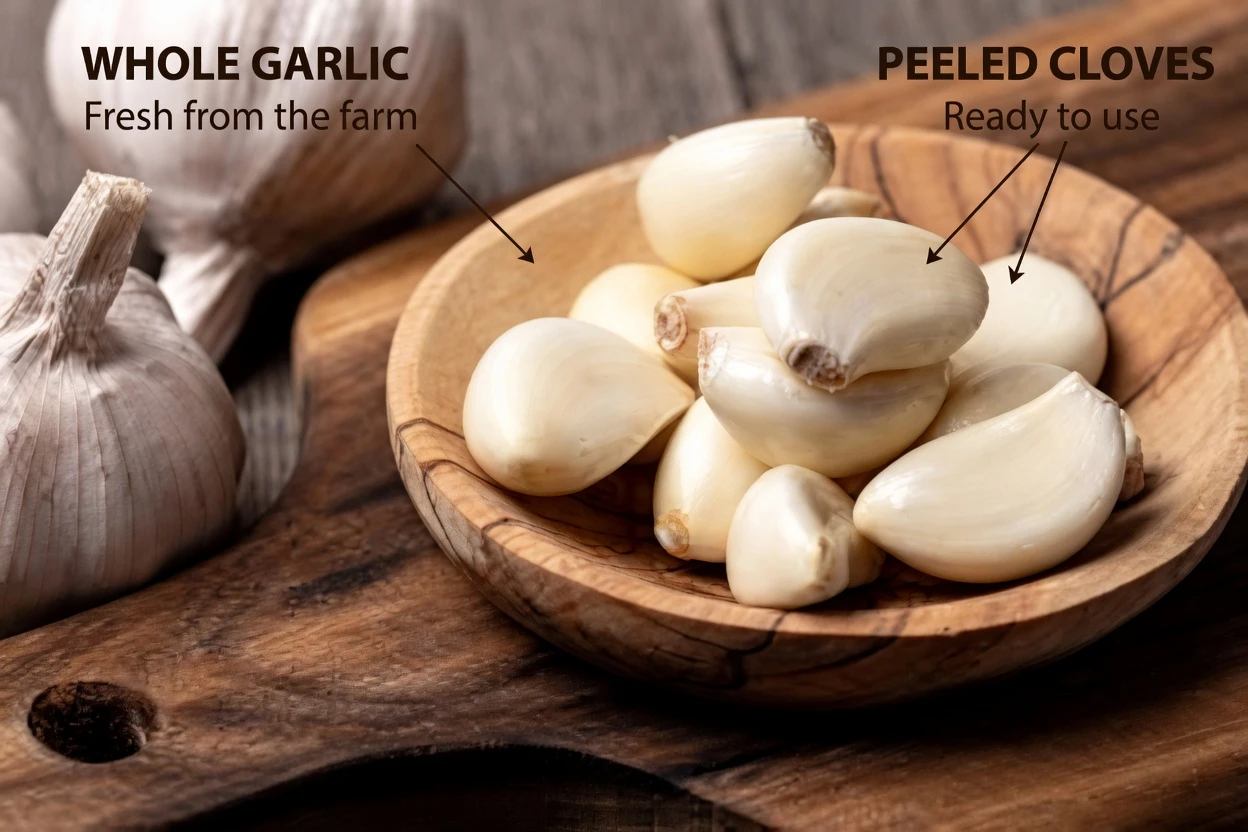
Garlic delivers bold taste with minimal sodium. Its key compound, allicin, is widely studied for connections to inflammation reduction and circulatory support. Use fresh garlic in:
- Homemade dressings
- Roasted vegetables
- Marinades for fish or chicken

Antioxidant-Rich Fruits and Smart Protein Choices
These options add natural sweetness and high-value nutrition without unnecessary mineral overload.
Blueberries (Small Fruit, Strong Protection)
Blueberries are known for anthocyanins, compounds linked to antioxidant and anti-inflammatory activity. They’re also naturally sweet and typically lower in potassium than many fruits. Try them:
- Fresh as a snack
- Mixed into yogurt
- Sprinkled on oatmeal
Apples (Fiber + Gentle Anti-Inflammatory Compounds)
Apples provide pectin fiber for digestive support and quercetin, a plant compound often associated with anti-inflammatory benefits. Enjoy them:
- Sliced with a snack plate
- Baked with cinnamon
- Chopped into salads for crunch
Egg Whites (High-Quality Protein with Lower Phosphorus)
Egg whites are a practical way to get complete protein with minimal phosphorus compared with many other protein sources. They work well as:
- Scrambled egg-white bowls
- Hard-boiled egg whites for snacks
- A protein boost mixed into recipes
Fatty Fish (Salmon, Mackerel) for Omega-3 Benefits
Fatty fish provides omega-3 fatty acids, which support inflammation balance and cardiovascular health—both closely connected to kidney function. A realistic goal is:
- 2–3 servings per week, grilled or baked
Kidney-Supportive Drinks: Hydration Plus Functional Benefits
Hydration is foundational—water remains the priority for most people—but these drinks can offer additional advantages when used appropriately.
Lemon Water (A Simple Daily Ritual)
Lemon adds citrate, which may help reduce the risk of certain kidney stone formation, plus vitamin C for antioxidant support. A common routine is:
- Warm water + the juice of ½ lemon in the morning
Unsweetened Cranberry Juice (Urinary Tract Support)
Cranberries contain proanthocyanidins, which may help discourage bacteria from adhering to the urinary tract—supporting a system closely linked with kidney health. For best fit:
- Choose unsweetened
- Consider diluting with water to reduce intensity
Beet Juice (Circulation and Blood Pressure Support)
Beets contain natural nitrates, which can support healthy blood flow and blood pressure management. If you’re new to it:
- Start with a small amount
- Mix with water or apple juice for a milder taste
Green Tea or Matcha (Catechin-Packed Antioxidants)
Green tea and matcha provide catechins, antioxidants studied for protective effects against cellular stress. Keep it simple:
- Brew lightly
- Drink unsweetened when possible
Hibiscus Tea (Tart, Caffeine-Free, Blood Pressure Friendly)
Hibiscus tea is often associated with blood pressure support and mild diuretic properties. Steep dried hibiscus for a bright, refreshing beverage that works well hot or iced.
Parsley Tea (Gentle Herbal Fluid Support)
Parsley is traditionally used as a mild diuretic, supporting fluid balance. For an easy infusion:
- Steep fresh parsley leaves in hot water
- Keep flavor mild and natural (avoid sweeteners)
A Simple 30-Day Starter Plan (Realistic and Sustainable)
Build momentum gradually so the routine sticks.
-
Week 1: Start with red bell peppers, cauliflower, and lemon water
- Aim for 2–3 vegetable servings daily
- Increase fluids steadily
-
Week 2: Add garlic, cabbage, and blueberries
- Include one antioxidant-rich item per day
-
Weeks 3–4: Introduce fatty fish and hibiscus tea
- Check in with how you feel (energy, puffiness, overall steadiness)
Quick Comparison: High-Burden Habits vs. Supportive Swaps
- Processed, high-sodium foods → often contribute to fatigue, fluid imbalance, and inconsistent energy
- Kidney-supportive superfoods (this list) → provide steadier nutrients, antioxidants, and gentle hydration
Another useful lens:
- Only relying on medication changes → may be variable and can involve side effects
- Adding balanced food habits → enjoyable, budget-friendly, and easier to sustain over weeks

Pro Tips to Make These Habits Easy (and Enjoyable)
- Rotate 2–3 items per day to avoid boredom.
- Pair vitamin C sources (peppers, lemon) with meals for supportive nutrient synergy.
- Use hydration feedback: pale yellow urine is a simple general indicator for many people.
- Cook vegetables and fish with olive oil to add heart-healthy fats.
The overlooked insight: consistency plus adequate hydration amplifies results. When antioxidant-rich foods are paired with steady fluid support, the combined effect often feels more noticeable within a month.
Picture yourself 30 days from now—more stable mornings, a lighter overall feel, and confidence that you’re making smart, delicious choices. Start small: slice a red bell pepper, squeeze lemon into water, or brew a cup of hibiscus tea.
FAQ
What makes a food “kidney-friendly”?
In general, kidney-friendly options are lower in potassium, phosphorus, and sodium, while offering fiber and antioxidants to support overall health without adding unnecessary filtration burden.
How much water should I drink each day?
Many people target 8+ cups daily, but needs vary based on body size, activity level, climate, and medical conditions. Follow guidance from your healthcare provider for personalized recommendations.
Can these foods replace medical treatment or professional advice?
No. These foods can support a healthy lifestyle, but they don’t replace medical care. If you have CKD, take medications, or are on dialysis, consult a qualified clinician before making diet changes.
This article is for informational purposes only and is not a substitute for professional medical advice. Speak with your doctor or a registered dietitian before adjusting your diet—especially if you have kidney disease, are on dialysis, take medications, or manage other health conditions. Individual results vary.