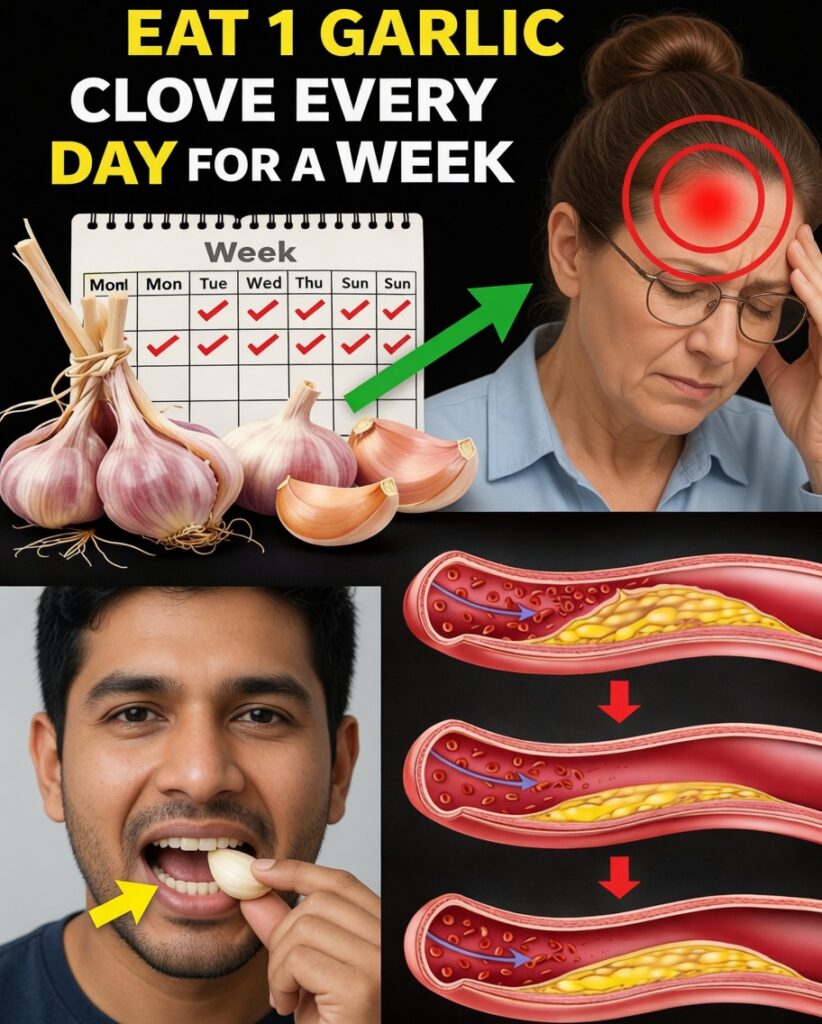
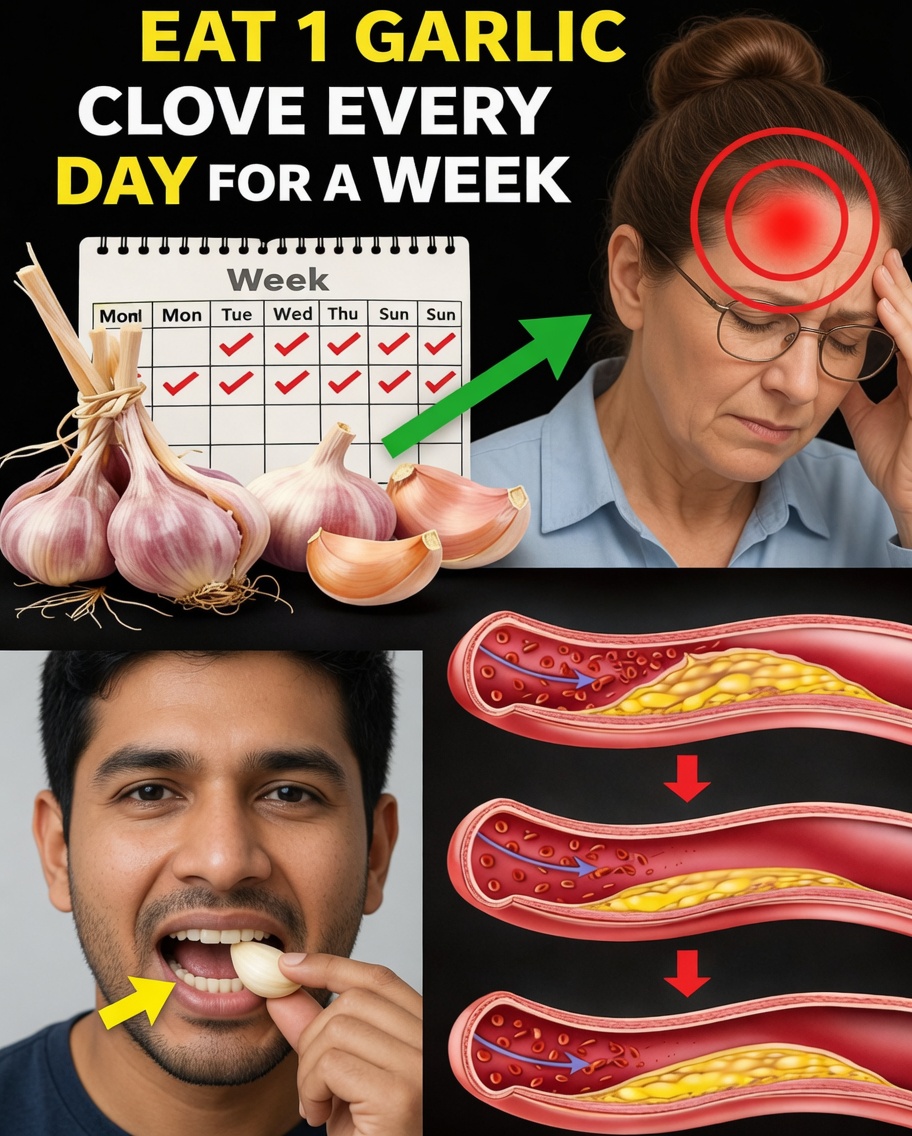
Why One Properly Prepared Garlic Clove Can Make a Noticeable Difference
Many people navigate everyday health frustrations: occasional high blood pressure readings, cholesterol that won’t stay consistent, an afternoon energy crash, or getting sick more often than they’d like. These problems can creep in gradually, leaving you tired and discouraged—even if you’re already trying to eat better or take supplements.
One of the simplest, most accessible options is also one of the most overlooked: fresh garlic. When prepared correctly, garlic contains natural compounds that can support cardiovascular health, immune function, and overall vitality. The key detail most people miss is that preparation matters as much as the garlic itself.
The Most Common Garlic Preparation Mistake
Garlic’s headline compound—allicin—is not present in an intact clove. It’s created only after you crush or chop garlic, which triggers a reaction between alliin and the enzyme alliinase. That reaction happens quickly, but allicin is fragile and can be significantly reduced by immediate high heat (roughly above 140°F / 60°C).
That’s why many people lose garlic’s potential benefits by:
- Chopping it and tossing it straight into a hot pan
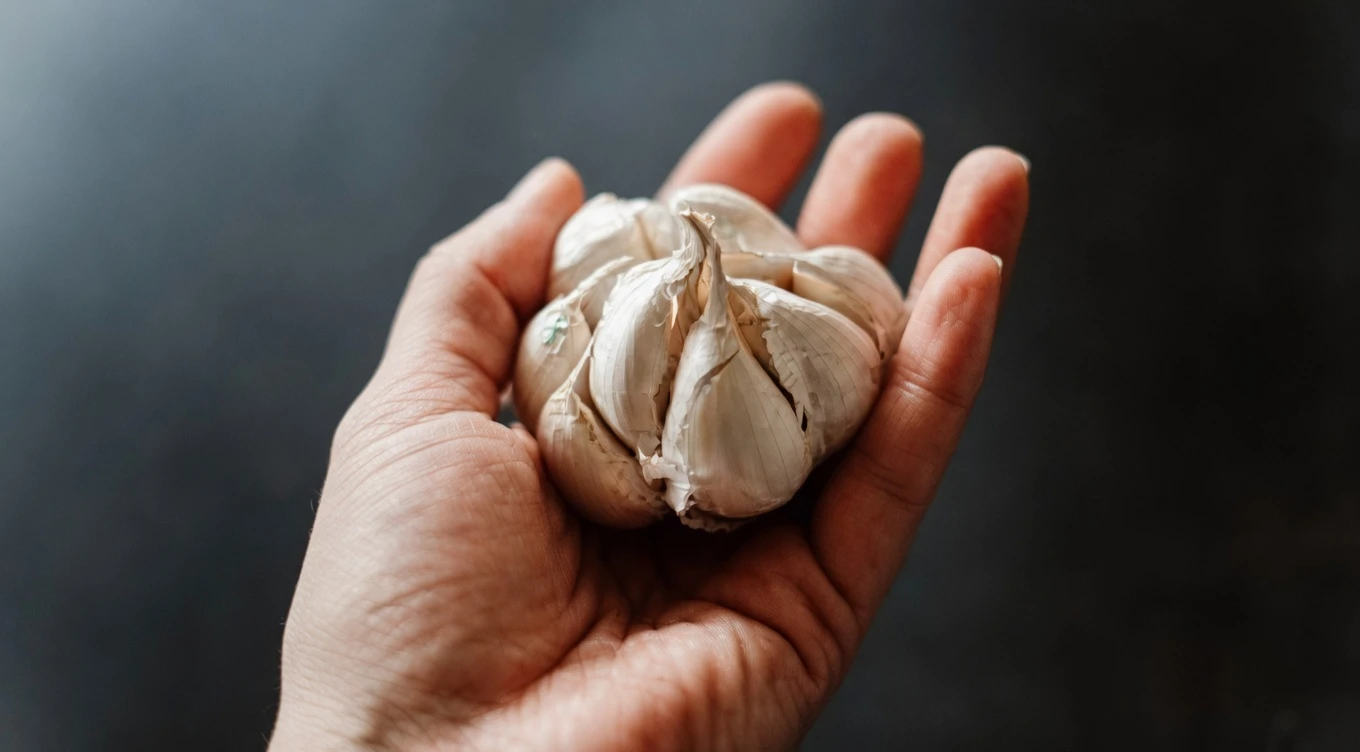
- Swallowing whole cloves without crushing (meaning the compound is barely “activated”)
Research and clinical discussions commonly highlight one simple fix: crush or mince the clove and let it sit for 10–15 minutes before consuming or adding it to food. This waiting period helps maximize allicin formation.
A 7-Day Look at What May Shift in Your Body
When you use garlic consistently—and prepare it the right way—supportive effects may build gradually. Here’s a realistic day-by-day overview of what some people may experience.
Day 1: Early Support for Circulation and Blood Flow
Crushed raw garlic may encourage nitric oxide production, which helps blood vessels relax and supports endothelial function. Reviews of clinical trials link garlic intake to modest improvements in blood pressure support, particularly in people who already have elevated readings. Some individuals report subtle signs of improved circulation, such as warmer hands and feet or slightly steadier energy.
Day 2: Gentle Immune System Reinforcement
Sulfur-containing compounds derived from allicin can help support immune activity, including white blood cell function (such as natural killer cells). During cold seasons, studies have associated regular garlic intake with fewer or milder symptoms, potentially due to improved immune efficiency and reduced inflammation signaling.
Day 3: Lipid and Cholesterol Metabolism Support
Garlic may influence enzymes involved in cholesterol processing in the liver. Meta-analyses suggest that consistent use may contribute to modest reductions in total cholesterol and LDL, and in some cases a possible HDL improvement over time.
Day 4: Cellular Defense and Gut-Related Benefits
Garlic provides organosulfur compounds (such as diallyl disulfide) linked to cell-protective pathways and healthy function at the cellular level. Observational research has associated regular garlic consumption with lower risk patterns for certain conditions, potentially connected to gut environment support and reduced oxidative stress.

Day 5: Support for Glucose Control and Energy Stability
Garlic may help with insulin sensitivity and oxidative stress balance. Some clinical observations suggest improved post-meal glucose control and more stable energy in people who struggle with blood sugar swings.
Day 6: Liver Support and Antioxidant Enzyme Activity
Compounds in garlic can support antioxidant systems, including pathways related to glutathione. This is one reason consistent users sometimes report feeling “lighter,” with benefits such as less bloating, clearer skin, and more stable daily energy.
Day 7: Circulation Support and Healthy Clotting Balance
Garlic has been studied for anti-platelet properties, partly related to nitric oxide and reduced thromboxane activity. Some trials note improved circulation-related measures after about a week of regular use, supporting smoother overall blood flow.
These shifts are usually subtle—not dramatic overnight changes—but they can become more noticeable with consistent habits.
Raw Garlic vs. Supplements vs. Common Medications (Quick Comparison)
-
Allicin delivery
- Crushed raw clove (wait 10–15 minutes): High (freshly formed)
- Garlic supplements: Variable (often degraded or inconsistent)
- Common medications (statins/BP meds): None (different mechanisms)
-
Blood pressure support
- Raw garlic: Modest support; studies in hypertensive groups often show approximately ~5–9 mmHg systolic reduction with consistent use
- Supplements: Often milder or inconsistent
- Medications: Typically stronger effects, with potential side effects and monitoring needs
-
Cholesterol impact
- Raw garlic: Modest LDL support; potential HDL improvement with time
- Supplements: Mixed results
- Medications: Stronger outcomes, requires medical oversight
-
Immune support
- Raw garlic: Often noticeable support (including NK cell activity in research)
- Supplements: Usually mild
- Medications: Not designed for this purpose
-
Cost and accessibility
- Raw garlic: Low cost, widely available
- Supplements: Commonly $10–30/month
- Medications: Higher cost plus clinical follow-up
What People Commonly Notice Over Time (Realistic Timeline)
- Days 1–2: Slight warmth in extremities, mild energy lift (focus on crushing and waiting)
- Days 3–4: More stable mood and less post-meal sluggishness (some prefer mixing with honey to reduce intensity)
- Days 5–7: Digestive steadiness, fewer cravings, and measurable changes like home blood pressure trends
- Week 2 and beyond: Benefits may become more consistent when paired with balanced diet, sleep, and movement
The biggest difference-maker remains the same: wait 10–15 minutes after crushing. If you skip this step, you often get the flavor—but not the full potential.
How to Start Tonight: Step-by-Step
- Peel 1 fresh garlic clove.
- Crush or finely mince it (this initiates the enzymatic reaction).
- Let it rest for 10–15 minutes, exposed to air (crucial for allicin formation).
- Consume it:
- Swallow with water, or
- Mix into yogurt or honey, or
- Stir into room-temperature foods
- Avoid adding it to high heat immediately
- For garlic breath, follow with:
- Apple, milk, or parsley
- Track changes:
- Energy, warmth, digestion, and home metrics (like blood pressure)
- Speak with your clinician before making changes based on results
Consistency beats quantity. One clove prepared properly is often more useful than larger amounts prepared incorrectly.
Final Thoughts: A Small Daily Habit With Big Potential
Adding one correctly prepared garlic clove to your routine is a practical, affordable way to support your body’s natural systems—especially for heart health, immune resilience, and steadier energy. Try it consistently for a week and observe how your body responds.
FAQ
How do I prepare garlic for maximum benefits?
Crush or chop it, wait 10–15 minutes, then consume raw or add to cool/room-temperature foods. Heating immediately can significantly reduce the active compounds.
Is eating raw garlic every day safe?
For many people, one clove daily is tolerated well. However, it can cause digestive discomfort and may interact with certain medications (especially blood thinners). Start small and monitor your response.
Can garlic replace blood pressure or cholesterol medications?
No. Garlic can be supportive, but it is not a substitute for prescribed treatment. Always work with a healthcare professional if you’re managing blood pressure, cholesterol, or other medical conditions.
Medical Disclaimer
This content is for informational purposes only and is not medical advice. Garlic may interact with blood thinners, blood pressure medications, and other drugs. Consult a qualified healthcare provider before starting regular raw garlic use—especially if you have a bleeding disorder, upcoming surgery, low blood pressure, or are pregnant/breastfeeding. High intake may cause digestive upset or allergic reactions in some individuals. Monitor symptoms and relevant labs with your clinician.