
Brain Health After 50: 5 Evidence-Informed Foods to Support Memory, Focus, and Healthy Aging
As the years add up, many people start to feel small changes in mental performance—forgetting names more often, hitting an afternoon energy dip, or simply feeling less “fast” than they used to. This is not unusual. Brain imaging research suggests that overall brain volume naturally declines with age, with estimates around 0.4% whole-brain volume loss per year starting in midlife. Lifestyle choices—including diet—can shape how smoothly this process unfolds.
The encouraging part: daily food choices can support cognitive wellness by helping with blood flow, reducing oxidative stress, and supplying key nutrients the brain depends on. Insights from clinicians such as Dr. Daniel Amen, known for reviewing 250,000+ SPECT brain scans, frequently emphasize that what you eat can influence brain activity patterns and long-term brain resilience.

Why the Brain Changes With Age (and Why Nutrition Matters)
From your 50s onward, it’s common to notice slower recall in conversation or mental fatigue later in the day. Large-scale studies using brain imaging indicate that, in typical aging, brain volume may decline roughly 5–10% between ages 30 and 60, with gradual shifts in white matter and specific brain regions.
Diet plays a role here:
- Poor dietary patterns may increase inflammation and impair circulation.
- Nutrient-dense foods can support neurons, protect against oxidative damage, and promote healthier blood flow.
Because the brain is an energy-demanding organ, fueling it consistently with the right building blocks matters. No single food is a cure-all, but research repeatedly links diets rich in antioxidants, healthy fats, and essential minerals with better cognitive outcomes over time.
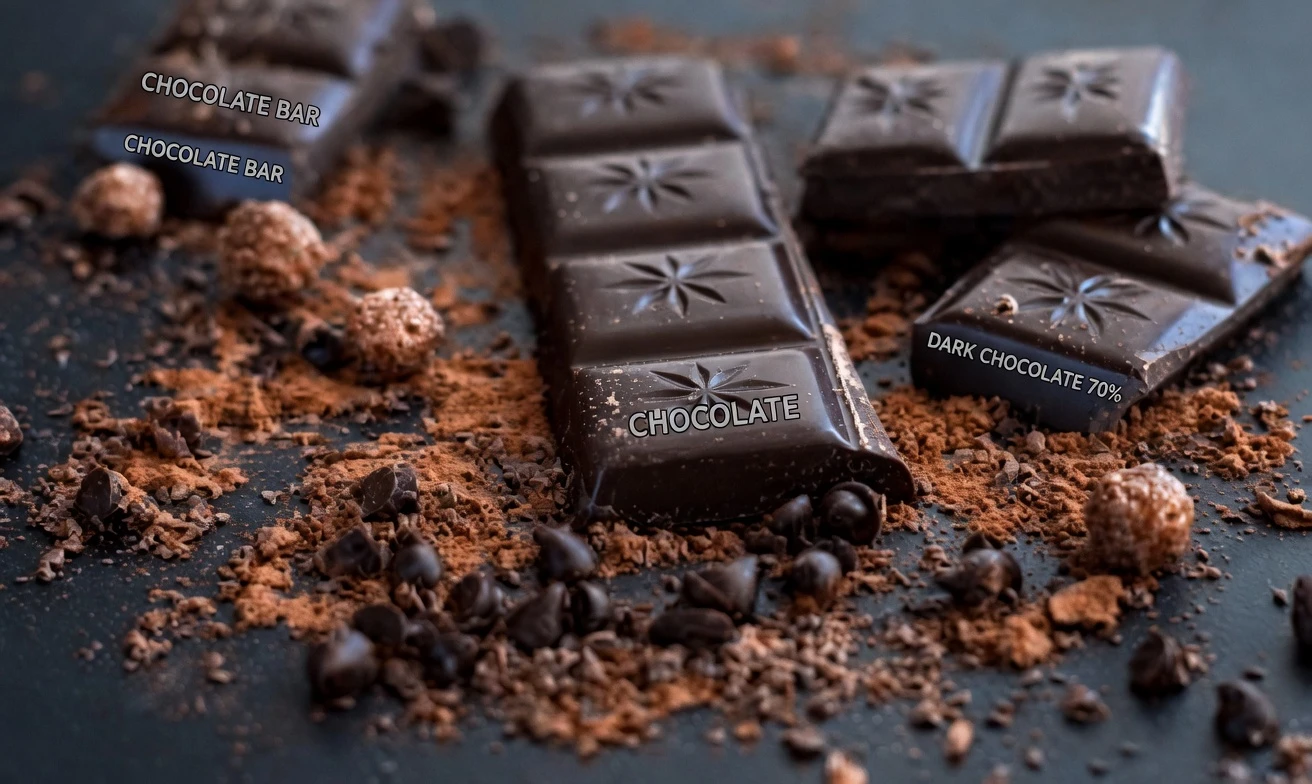
Food #1: Dark Chocolate (70%+ Cacao) for Better Circulation Support
High-cacao dark chocolate is rich in flavonoids, plant compounds associated with improved vascular function and potential support for cerebral blood flow. These benefits are often connected to better oxygen and nutrient delivery to brain tissue, along with antioxidant protection.
How to use it:
- Aim for 20–30 grams (roughly 1–2 small squares).
- Choose 70–85% cacao to keep sugar lower and flavonoid content higher.
- Consider it an evening treat that fits into a calming routine.
Food #2: Pumpkin Seeds for Magnesium, Zinc, and Neurotransmitter Support
Pumpkin seeds are a compact source of brain-supportive nutrients, especially:
- Magnesium, which helps regulate nerve signaling and can support calmer, more stable brain activity
- Zinc, important for immune and neurological function
- Tryptophan, a precursor involved in neurotransmitter pathways
Easy ways to eat them:
- Add ¼ cup to salads, yogurt, oatmeal, or bowls.
- Snack on them raw or lightly roasted for a quick mineral boost.
Food #3: Wild-Caught Fatty Fish (Salmon, Sardines, Mackerel) for Omega-3s
Fatty fish supplies DHA and EPA, omega-3 fats that are essential components of brain cell membranes and are widely studied for their role in inflammation regulation. Higher omega-3 intake is frequently associated with better memory performance and steadier mood in older adults.
Practical target:
- Eat 4–6 ounces a few times per week.
- Use simple formats: grilled or baked fillets, or canned sardines/salmon for convenience.
- If you dislike fish or have restrictions, discuss alternatives with a clinician.
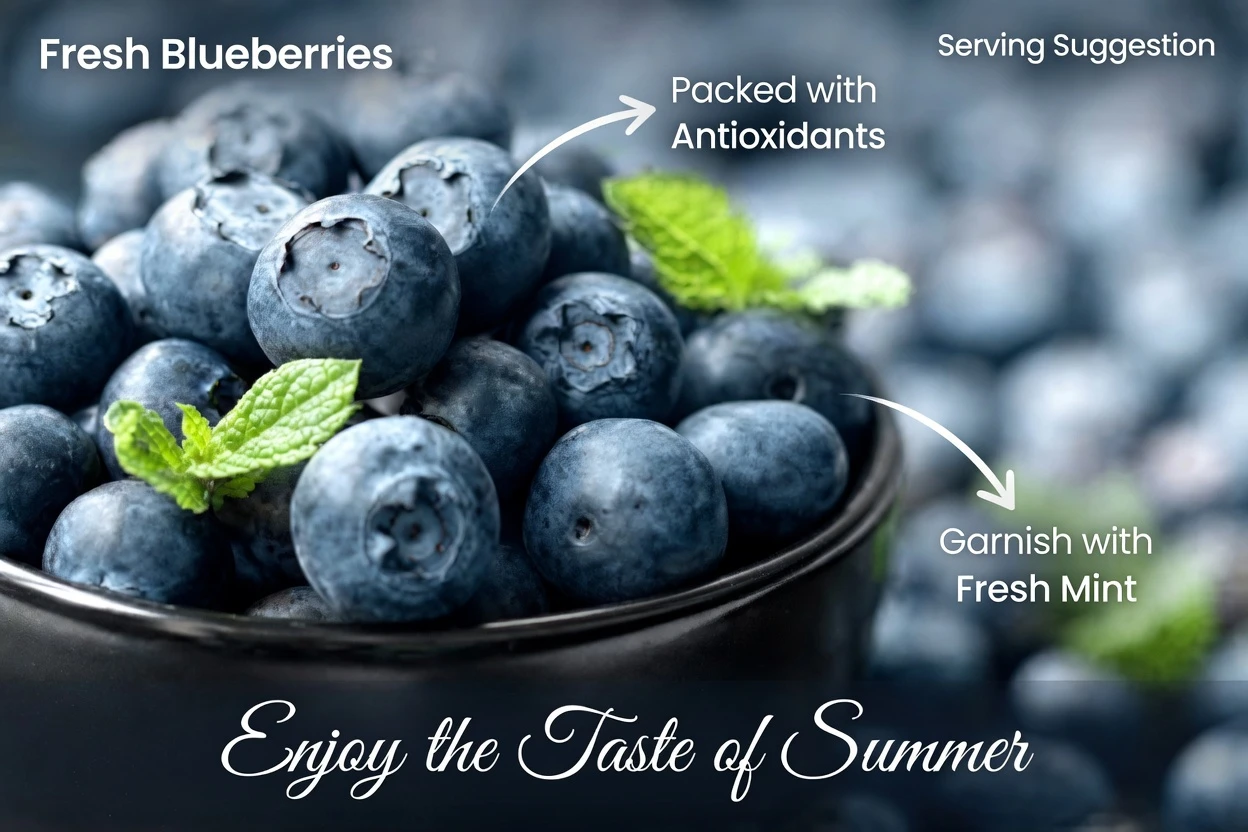
Food #4: Blueberries for Antioxidant Defense and Memory Support
Blueberries are well known for anthocyanins, powerful antioxidants studied for their ability to help counter oxidative stress and support neuroplasticity (the brain’s ability to adapt and form new connections). Clinical research—including trials involving older adults—has linked consistent berry intake to measurable memory improvements over weeks to months.
How to include them:
- Add ½ cup fresh or frozen to smoothies, oatmeal, yogurt, or snack bowls.
- Keep frozen blueberries on hand for year-round use.
Food #5: Walnuts for Plant Omega-3s and Polyphenols
Walnuts provide a combination of nutrients associated with brain and vascular support:
- ALA (plant-based omega-3)
- Polyphenols (protective antioxidant compounds)
- Vitamin E, linked with cellular protection
Population studies commonly find that regular nut intake correlates with stronger cognitive scores and healthier aging patterns.
Simple serving:
- Eat about 1 ounce daily (a small handful).
- Use them in trail mix, salads, or as a crunchy topping on breakfast foods.
Bonus: Why Timing and Food Pairing Can Help
Some brain health discussions highlight that evening nutrition may complement natural overnight processes, including memory consolidation and the brain’s “cleanup” systems during sleep. Additionally, pairing certain nutrients can be beneficial:
- Healthy fats (fish, walnuts) can help the body utilize fat-soluble compounds
- Antioxidants + fats can be a practical combination for overall absorption and impact
Simple combinations to try:
- Evening wind-down: dark chocolate + pumpkin seeds or walnuts
- Breakfast support: blueberries in yogurt or oatmeal
- Lunch/dinner upgrade: salmon or sardines over leafy greens
Common Brain Complaints and Food-Based Support Options
- Afternoon mental slump: omega-3s (fatty fish) + magnesium (pumpkin seeds)
- Occasional forgetfulness: anthocyanins (blueberries) + flavonoids (dark chocolate)
- Mood dips: minerals and tryptophan (seeds) + steady nutrient intake overall
A Simple 8-Week Starter Plan (Small Habits That Add Up)
- Weeks 1–2: Add dark chocolate and pumpkin seeds in the evening. Track changes in evening cravings or energy.
- Weeks 3–4: Add blueberries most days and fatty fish 3 times weekly. Notice shifts in focus, recall, or mood stability.
- Weeks 5–8: Add walnuts daily. Include green tea if you enjoy it, as it contains L-theanine.
Consistency matters more than perfection—repeated small choices can compound into meaningful change.
Final Thoughts
Supporting brain health doesn’t require extreme diets or complicated routines. The most sustainable approach is often the simplest: repeatable, enjoyable foods that provide antioxidants, minerals, and healthy fats—day after day. If you want an easy first step, start tonight with a modest serving of high-cacao dark chocolate, then build from there.
Medical note: This article is for informational purposes only and does not replace medical advice. Speak with your healthcare provider before making dietary changes—especially if you have medical conditions, take medications, or have concerns about cognitive health. Results vary by individual.
FAQ
What are the best foods for brain health over 50?
Many experts emphasize fatty fish, berries, nuts, seeds, and high-cacao dark chocolate because they deliver omega-3 fats, antioxidants, and minerals that support brain and vascular function.
How much dark chocolate is typically recommended for brain benefits?
A common moderate range is 20–30 grams per day of 70%+ cacao to emphasize flavonoids while limiting added sugar.
Can diet really affect brain aging?
Research suggests that nutrient-rich dietary patterns support cognition and may help protect against age-related changes. That said, diet works best alongside other fundamentals like sleep, exercise, stress management, and medical care.