
Do you feel like you’re running to the bathroom far more often than usual—sometimes with little relief in between? That constant “I need to go” sensation can be disruptive, exhausting, and understandably concerning, especially when it interferes with work, travel, or sleep. Urinary frequency is common, and it’s often linked to everyday routines, but in some cases it can signal an underlying health issue that deserves attention.
Clinical guidance from organizations such as the Mayo Clinic and Cleveland Clinic commonly notes that many adults urinate around 6–8 times per day. If you’re going well beyond that on most days, it’s worth looking for patterns and triggers. One frequently overlooked factor tends to stand out once you track it consistently—keep reading to learn what it is and how small adjustments may help.
What Counts as Frequent Urination?
“Normal” varies. Many health professionals consider 4–10 bathroom trips per day within a typical range, depending on hydration, activity level, and environment. However, frequent urination may be a concern if you:
- Regularly urinate more than 8–10 times daily
- Wake up multiple times overnight to urinate (nocturia)
- Feel persistent urgency, bladder pressure, or incomplete emptying
In other words, frequency is not only about the number—it’s also about how disruptive the symptoms feel and whether they come with other changes.
6 Common Causes of Frequent Urination
Below are six of the most common explanations for urinary frequency, ranging from lifestyle factors to medical conditions.

1. High Fluid Intake (Especially Caffeine and Alcohol)
A very practical explanation is simply consuming more liquid than your body needs. When you drink more—during hot weather, workouts, or intentional “hydration pushes”—your kidneys increase urine output to remove the excess.
Even more important: caffeine and alcohol can act as diuretics (increasing urine production) and may also irritate the bladder, making urges stronger and more frequent.
Common diuretic or bladder-irritating drinks include:
- Coffee and black tea
- Soda and energy drinks
- Alcohol (especially beer and wine)
- Some teas, including green tea for some individuals
If you suspect this is the driver, track your intake for several days. Many people notice improvement by reducing caffeine/alcohol or avoiding them later in the day.
2. Urinary Tract Infection (UTI)
UTIs are among the most frequent medical causes of urinary frequency, especially in women (though men can get them too). When bacteria irritate the urinary tract, the bladder may send “go now” signals even when little urine is present.
Common UTI-related symptoms include:
- Burning or pain during urination
- Cloudy or strong-smelling urine
- Pelvic discomfort or lower abdominal pressure
- Urgency with small urine volumes
Medical resources such as the Cleveland Clinic and Mayo Clinic emphasize that UTIs are typically treatable, but delaying care may worsen symptoms or allow the infection to spread. Seek prompt evaluation if you also have fever or significant pain.

3. High Blood Sugar (Diabetes Mellitus)
Frequent urination can be an early sign of type 1 or type 2 diabetes, particularly when paired with increased thirst. When blood glucose levels rise, the kidneys work to remove excess sugar—pulling more water into urine and increasing volume.
Often-associated signs may include:
- Unusual thirst
- Fatigue
- Unexplained weight changes
Health references such as WebMD commonly list frequent urination and thirst as classic warning signs. Routine blood sugar testing can help identify this early.
4. Diabetes Insipidus (A Rare Hormone-Related Condition)
Despite the similar name, diabetes insipidus is not the same as diabetes mellitus. It involves problems with antidiuretic hormone (ADH) or the kidneys’ response to it. Without proper ADH function, the body can produce large amounts of very dilute urine, leading to frequent urination and strong thirst.
This condition is less common, but it can significantly affect daily life. A clinician can evaluate hormone function and kidney response if symptoms strongly suggest it.
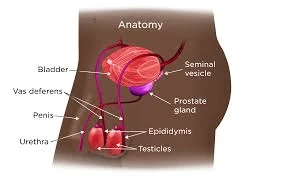
5. Prostate Enlargement in Men (BPH)
In men—especially those over 50—benign prostatic hyperplasia (BPH) is a leading cause of urinary frequency. An enlarged prostate can compress the urethra, interfering with urine flow and preventing the bladder from fully emptying. Leftover urine can make you feel like you need to go again soon after.
Symptoms often include:
- Weak urine stream
- Hesitancy (difficulty starting)
- Frequent nighttime urination
- A feeling of incomplete emptying
Lifestyle changes and medical treatments can be highly effective, so it’s worth discussing with a healthcare professional if symptoms are persistent.
6. Stress and Anxiety
The bladder and nervous system are closely linked. Stress and anxiety can heighten nervous system activity, sometimes triggering bladder overactivity and increased urgency—even when the bladder isn’t truly full.
For many people, symptoms worsen when multiple factors overlap (for example, caffeine plus stress). Identifying combinations is often the turning point.
Practical Steps to Try Today
If urinary frequency is affecting your comfort or routine, these strategies may help:
- Track fluids for 3–4 days: Note what you drink, when you drink it, and how often you urinate. Aim for steady hydration rather than large bursts. Consider limiting caffeine and alcohol, especially after midday.
- Try “double voiding”: Urinate, wait 30–60 seconds, then try again to support more complete emptying.
- Strengthen pelvic floor muscles: Gentle Kegel exercises may reduce urgency and improve bladder control for many people.
- Reduce stress signals: Short walks, mindfulness, breathing techniques, or journaling can lower anxiety-related triggers.
- Look for warning signs: Pain, fever, blood in urine, extreme thirst, or major sleep disruption should prompt timely medical evaluation.
These changes can be helpful, but they do not replace individualized medical care when symptoms persist.
When to See a Doctor
Consider seeing a healthcare provider if frequent urination:
- Continues despite lifestyle adjustments
- Frequently wakes you at night and disrupts sleep
- Comes with pain, fever, blood in urine, fatigue, unexplained weight loss, or excessive thirst
Clinicians can perform straightforward tests (urinalysis, blood glucose testing, prostate evaluation when relevant) to identify likely causes and guide treatment.
FAQ: Frequent Urination
How many times a day is “too many”?
Many adults urinate 6–8 times daily, and up to 10 may be normal depending on fluids and lifestyle. Regularly exceeding that—especially with urgency—may justify a closer look.
Can drinking too much water cause frequent urination?
Yes. Overhydration increases urine output. A balanced approach—drinking to thirst and spreading fluids across the day—often helps.
Is frequent urination at night (nocturia) different?
Sometimes. Causes can overlap, but nocturia is often influenced by evening fluid timing, prostate changes, and conditions like diabetes. Reducing late-day fluids helps many people.
Can medications be responsible?
Yes. Diuretics, some blood pressure medications, and certain supplements can increase urine output. If you suspect a medication effect, review your list with a clinician.
Medical Disclaimer
This article is for informational purposes only and does not provide medical advice. For personalized evaluation and guidance—especially if symptoms are persistent or worsening—consult a qualified healthcare professional.