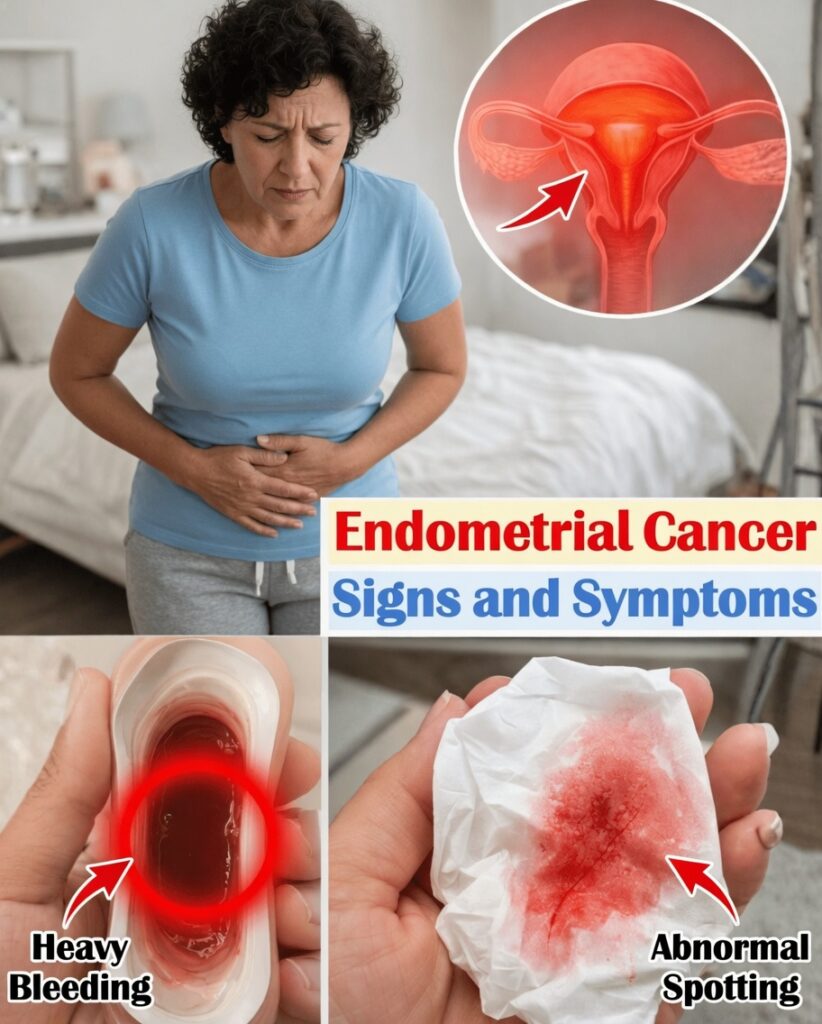
Many women move through busy days brushing off cycle changes, mild aches, or persistent tiredness as “just part of being a woman.” Yet the uterus is closely tied to reproductive health, hormone regulation, and overall energy. When something isn’t quite right—whether due to common conditions such as uterine fibroids, endometriosis, adenomyosis, or hormone fluctuations—your body often sends early, subtle signals. Overlooking them can allow discomfort, fatigue, or future complications to build.
The encouraging part is that early awareness and timely medical support can dramatically improve outcomes. Below are 12 common warning signs of uterine problems to keep on your radar. Stay to the end for practical next steps you can begin today—and one key connection that explains why so many symptoms overlap.
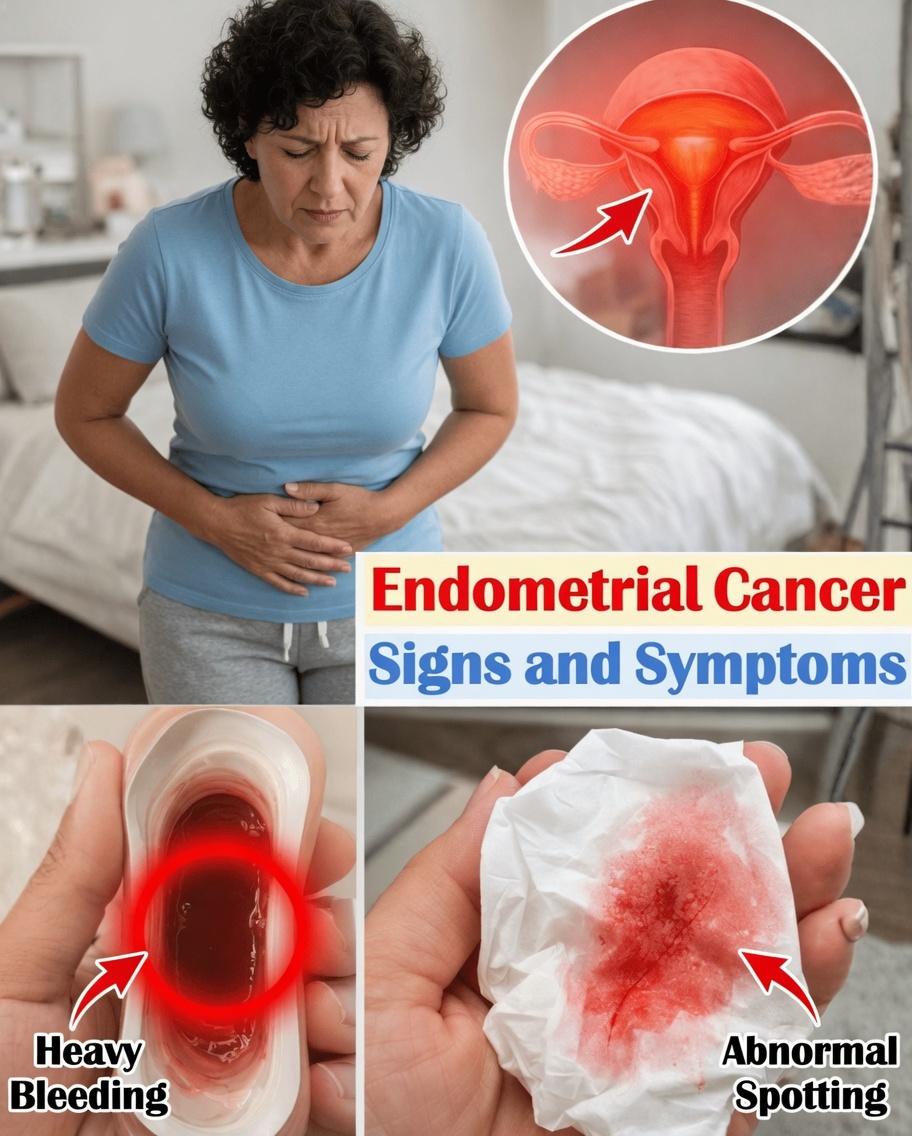
1. Unusually Heavy Menstrual Bleeding
If you’re soaking through pads or tampons much faster than normal (for example, needing a change every hour) or passing large clots, this is more than an “extra heavy” period. Clinically, heavy menstrual bleeding (often called menorrhagia) is frequently associated with fibroids and hormonal imbalance, as referenced by major medical sources such as the Mayo Clinic.
Over time, ongoing heavy bleeding can contribute to low iron and iron-deficiency anemia, leaving you depleted and short on stamina. It’s also one of the most common reasons people seek gynecologic care.
2. Period Pain So Severe It Disrupts Daily Life
Cramping can be normal—but pain that forces you to miss work, cancel plans, stay in bed, or rely on strong medication just to function deserves attention. Intense menstrual pain (severe dysmenorrhea) may be linked to endometriosis or adenomyosis, where tissue grows outside the uterus or within the uterine muscle wall.
Pain that worsens over time or doesn’t respond to typical over-the-counter options often points to an underlying cause that should be evaluated.
3. Irregular, Unpredictable, or Skipped Cycles
Cycles that consistently fall shorter than 21 days, longer than 35 days, or disappear for months aren’t just inconvenient—they can be your body’s alert system. Irregular periods may be connected to:
- PCOS (polycystic ovary syndrome)
- Thyroid changes
- Ovulation disruption and broader hormonal shifts
Using a cycle-tracking app or calendar can help reveal patterns. Any sudden or dramatic change is a good reason to check in with a healthcare professional.
4. Pelvic Pressure or Pain That Persists Beyond Your Period
A lingering sensation of heaviness, pressure, or a dull ache in the lower abdomen—even when you’re not menstruating—can be a red flag. Persistent pelvic discomfort is commonly reported with fibroids (especially when pressing on surrounding tissues) or chronic inflammation.
If it interferes with sitting comfortably, exercise, or sleep, don’t wait it out.
5. Noticeable Changes in Vaginal Discharge
Discharge that becomes unusually thick, changes color, develops a strong odor, or comes with itching or irritation may signal infection or inflammation affecting the cervix or uterus. Many causes are treatable, but ongoing changes—especially alongside pain or abnormal bleeding—should be assessed promptly.
Good hygiene can support vaginal health, but persistent changes require professional evaluation.
6. Pain During or After Sex
Painful intercourse (dyspareunia) is not something you have to accept as normal. It often overlaps with conditions such as:
- Endometriosis
- Fibroids
- Scar tissue from previous infections or procedures
Many people experience significant improvement once the underlying issue is identified and treated. Honest conversations—with both your partner and your clinician—can help you get there sooner.
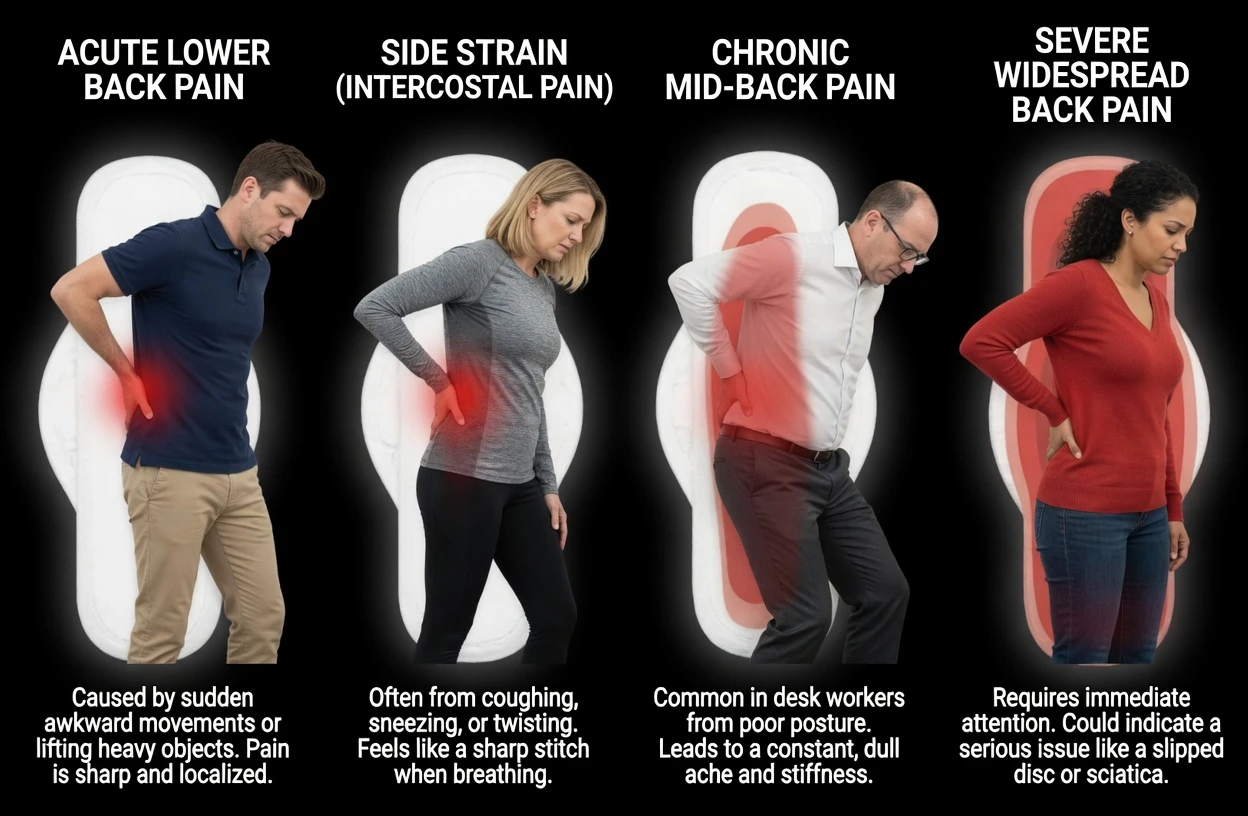
7. Unexplained Lower Back, Hip, or Leg Pain
A deep ache that spreads into the lower back, hips, or thighs—without a clear injury—can occur when an enlarged uterus presses on nearby nerves. This pattern is often reported in cases of larger fibroids.
If the pain is persistent and unrelated to activity, a pelvic evaluation can help clarify the cause.

8. Frequent Urination or Ongoing Constipation
Needing to urinate more often, feeling like you can’t fully empty your bladder, or dealing with stubborn constipation can happen when uterine growths press on the bladder or bowel. These urinary and digestive changes are commonly associated with uterine fibroids.
Supportive habits can help (hydration and fiber-rich foods), but persistent symptoms should not be ignored.
To see whether these bathroom changes may be cycle-related, try tracking:
- Whether symptoms intensify right before or during your period
- Whether bloating or pressure increases mid-cycle
- Whether you feel relief after menstruation ends
9. Persistent Bloating or Abdominal Fullness
A swollen, “puffy,” or stretched feeling in the abdomen—especially when diet and weight haven’t changed—can be linked to fibroids, cysts, or fluid-related issues. Some describe it as looking pregnant even when they are not.
A pelvic exam and a simple ultrasound can often identify the cause quickly.
10. Fatigue That Doesn’t Improve with Rest
If you feel exhausted despite sleeping well, your body may be running low on iron. Months of heavy bleeding can lead to anemia, which commonly causes:
- Low energy
- Weakness
- Reduced exercise tolerance
A basic blood test can assess iron levels and guide appropriate treatment.
11. Difficulty Conceiving After a Year of Trying
If pregnancy hasn’t happened after 12 months of regular unprotected sex (or 6 months if you’re over 35), it may be time to explore possible structural or inflammatory causes, including:
- Fibroids
- Endometriosis
- Uterine scarring
Early conversations with a fertility specialist can provide clarity and often open up more options.
12. Any Bleeding After Menopause
Bleeding or spotting after you’ve gone 12 months without a period is not considered normal and should be evaluated as soon as possible. It may indicate changes in the uterine lining and needs prompt medical review.
Fast assessment often brings reassurance—and ensures early treatment if needed.

The Overlooked Link: Your Uterus Doesn’t Work Alone
Many of these warning signs overlap because the uterus is influenced by the whole-body network—especially hormones, inflammation, and stress. The “surprising connection” is that your cycle patterns often reveal the bigger picture early, before symptoms become more severe.
Practical Steps You Can Take Today
If any of these signs feel familiar, use this simple plan:
- Track symptoms for 2–3 cycles (journal or app): bleeding heaviness, pain level (1–10), timing, and triggers
- Book a routine gynecology visit and describe specific changes (not just “something feels off”)
- Ask about baseline evaluations such as:
- Pelvic ultrasound
- Bloodwork for iron levels and hormones
- While awaiting answers, support your body with rest, balanced meals, gentle movement, and stress reduction
Early action helps you feel more in control and can lead to better outcomes.
FAQ
What causes most uterine-related symptoms?
Common causes include non-cancerous growths like fibroids, tissue disorders such as endometriosis, and hormonal fluctuations. Many conditions are treatable or manageable with medical guidance.
How can I tell whether my period pain is normal?
Pain that limits daily life, worsens over time, or appears alongside heavy bleeding and fatigue is beyond typical cramps and should be evaluated by a healthcare provider.
Can lifestyle changes improve these symptoms?
Healthy habits—such as maintaining a supportive weight, eating anti-inflammatory foods, and reducing stress—may ease mild symptoms. However, they are not a replacement for professional diagnosis and treatment.
Medical Disclaimer
This article is for informational purposes only and does not replace professional medical advice. Always consult a qualified healthcare provider for personalized guidance, diagnosis, or treatment. If you experience severe pain, heavy bleeding, or other urgent symptoms, seek medical care immediately.