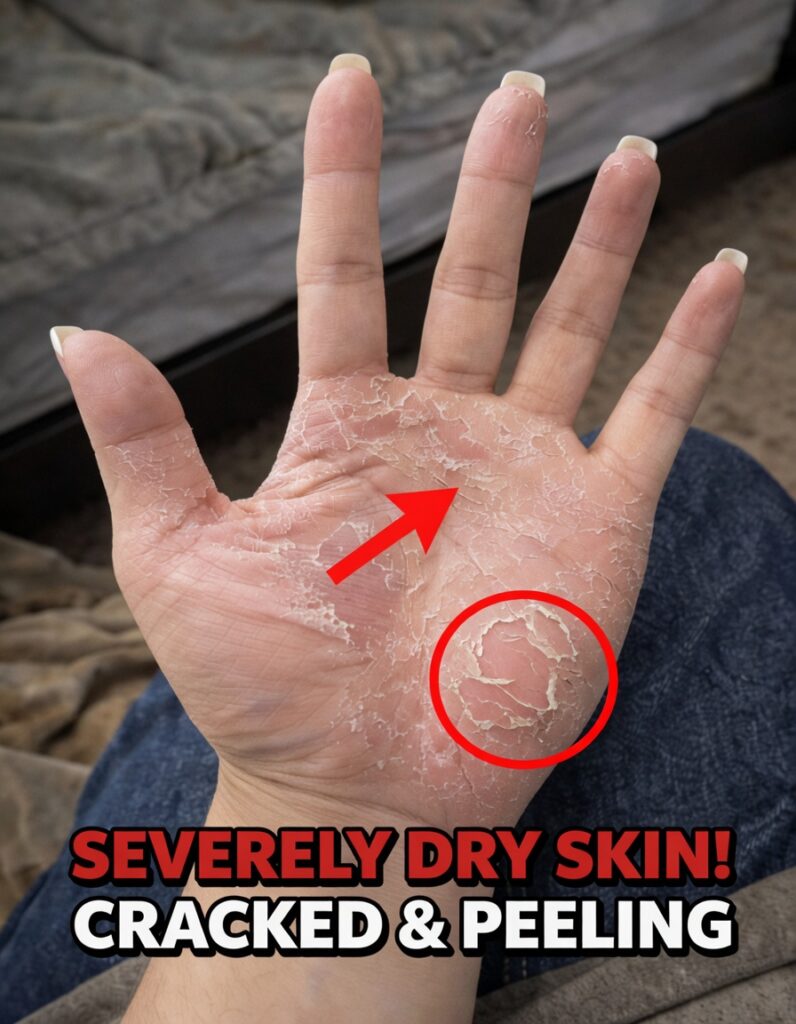
Hand Dermatitis: Early Signs, Common Triggers, and Practical Relief
Your hands put in constant work—holding tools, washing dishes, typing, cooking, and greeting others. Along the way, they’re repeatedly exposed to water, soap, cleaning agents, and dry air. So when you start noticing redness, ongoing itching, or painful splits in the skin, it may be more than routine dryness. These changes can point to hand dermatitis (hand eczema), a widespread inflammatory skin condition that can interfere with daily comfort and function if left unchecked.
Research suggests hand eczema affects roughly 9–14% of people each year, and many cases are tied to everyday exposures and habits. The upside is that spotting early symptoms and adjusting your routine can significantly reduce irritation and help restore the skin barrier.
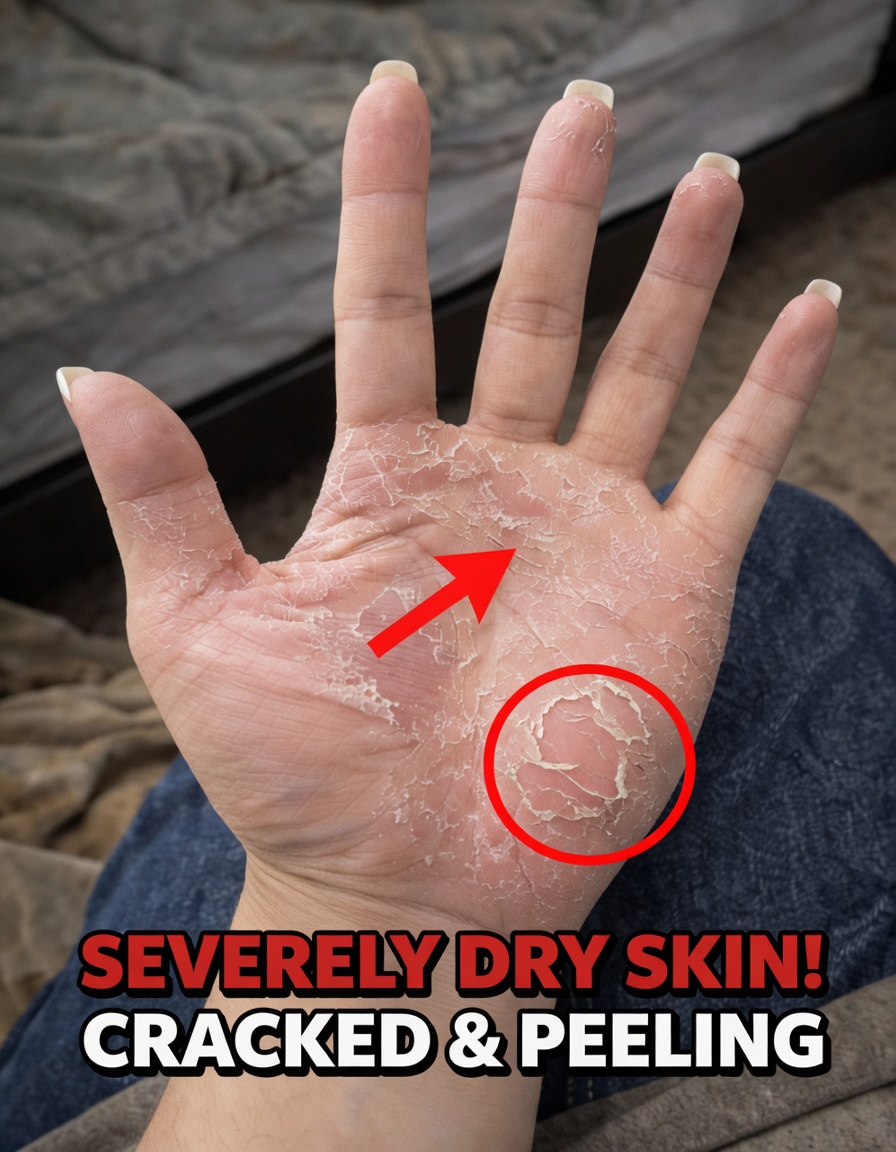
Why Hand Dermatitis Happens: Understanding the Most Common Triggers
Hand dermatitis rarely appears “out of nowhere.” In many people, it develops after repeated contact with irritants that slowly damage the skin’s protective barrier. In fact, evidence shows irritant contact dermatitis is the most frequent type affecting the hands—especially in jobs involving wet work or chemical exposure.
Common triggers include:
- Strong soaps, detergents, and cleaning products that remove the skin’s natural oils
- Frequent handwashing or long periods of water exposure, often seen in healthcare, food service, cleaning, and hairdressing
- Allergens, such as fragrances, preservatives, nickel (jewelry), or latex (gloves)
- Cold or low-humidity environments that pull moisture from the skin
- Existing skin conditions (for example, atopic dermatitis) that make flare-ups more likely
Genetics and lifestyle can also contribute. People with a history of allergies, eczema, or generally sensitive skin may notice symptoms earlier or experience more frequent recurrences. Identifying your personal triggers is one of the most effective ways to reduce flare-ups.
Early Warning Signs of Hand Dermatitis to Watch For
Hand dermatitis often begins subtly and becomes more noticeable over time. What starts as occasional dryness can progress if the underlying irritation continues. Dermatology guidance consistently emphasizes that catching these changes early can help prevent worsening symptoms.
Typical signs include:
- Itching that doesn’t go away, even after using regular hand lotion
- Redness and sensations like burning, stinging, or soreness
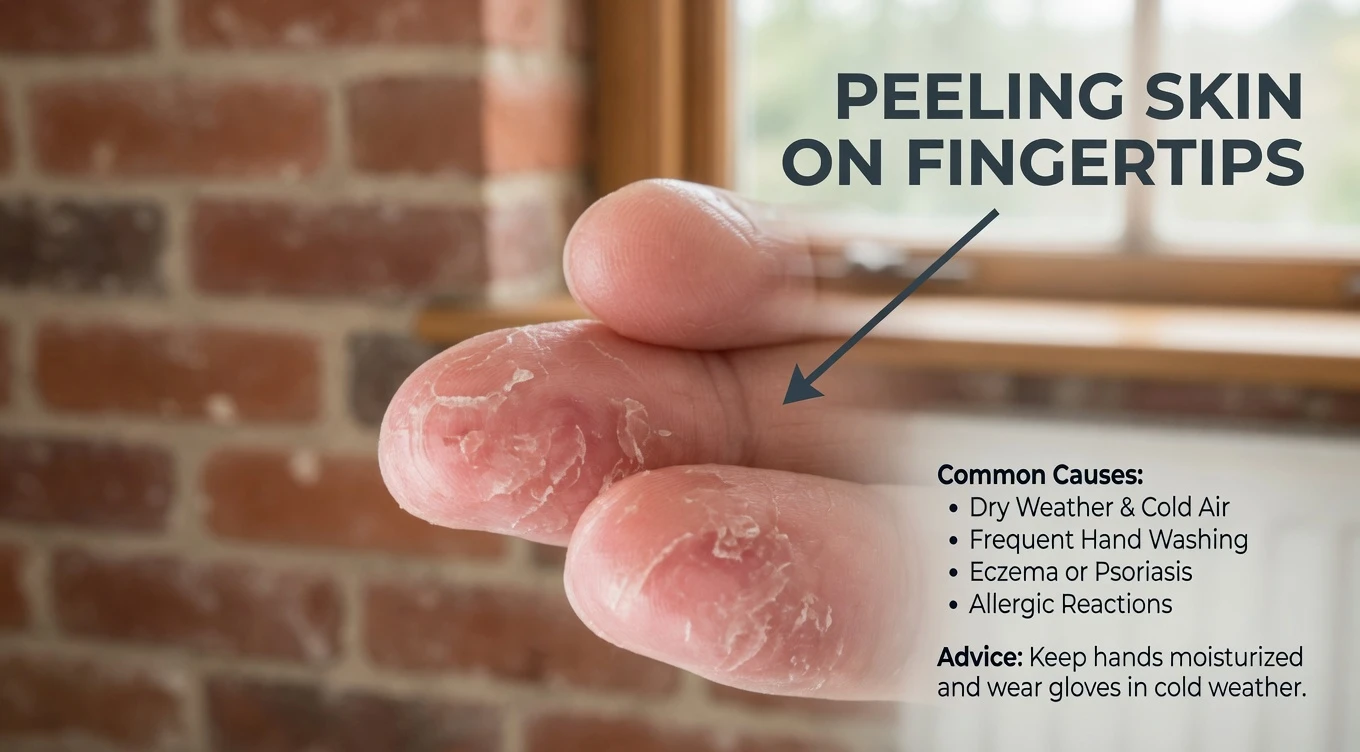
- Cracks or fissures, especially on fingertips or between fingers, sometimes painful
- Peeling, scaling, or rough texture that keeps returning
- Small blisters (in some cases) that can itch intensely
- Thickened skin after repeated episodes
Symptoms may appear on the palms, fingers, or the backs of the hands. Depending on skin tone, inflammation can look bright red, deeper red-brown, or darker patches rather than obvious redness.
A simple way to think about progression:
- Mild stage: slight dryness, mild itch, occasional redness
- Moderate to advanced stage: deep cracks, possible bleeding, stronger discomfort, and trouble with tasks like gripping or washing
If symptoms keep returning or intensify, it’s a sign your skin barrier may need more consistent protection and trigger control.
Practical Hand Care Routine to Reduce Flare-Ups
Many people improve significantly through daily, repeatable habits focused on barrier repair and irritant avoidance—no extreme measures required.
Try these evidence-aligned steps:
-
Moisturize often
Use a thick, fragrance-free cream or ointment multiple times daily—especially right after washing. Ingredients like ceramides and hyaluronic acid can help support barrier recovery. -
Switch to gentle cleansers
Choose mild, soap-free or pH-balanced options instead of harsh or heavily fragranced antibacterial soaps. -
Protect your hands during wet work
Wear waterproof gloves for dishwashing, cleaning, or chemical handling. If sweating is an issue, add cotton liners to reduce friction and irritation. -
Dry hands carefully
Pat dry rather than rubbing, and make sure to dry between the fingers to prevent trapped moisture. -
Use hand sanitizer strategically
Alcohol-based sanitizers can be drying, so use them when needed—but avoid overuse when handwashing is optional and irritating.
Consistency matters. Over time, these habits can reduce discomfort and improve the look and feel of your hands.
When to Seek Professional Help
Self-care is enough for many mild cases, but professional guidance is important when symptoms persist or disrupt daily life. Consider contacting a healthcare provider if hand dermatitis affects your work, sleep, or routine activities—or if you notice worsening swelling, pus, fever, or signs of infection.
A dermatologist may recommend:
- Over-the-counter or prescription treatments, such as anti-inflammatory creams and specialized moisturizers
- Patch testing to confirm specific allergens and pinpoint what to avoid
- Additional options for stubborn cases, including barrier creams or light therapy
Getting help early often improves outcomes and can prevent complications like secondary infections from broken skin.
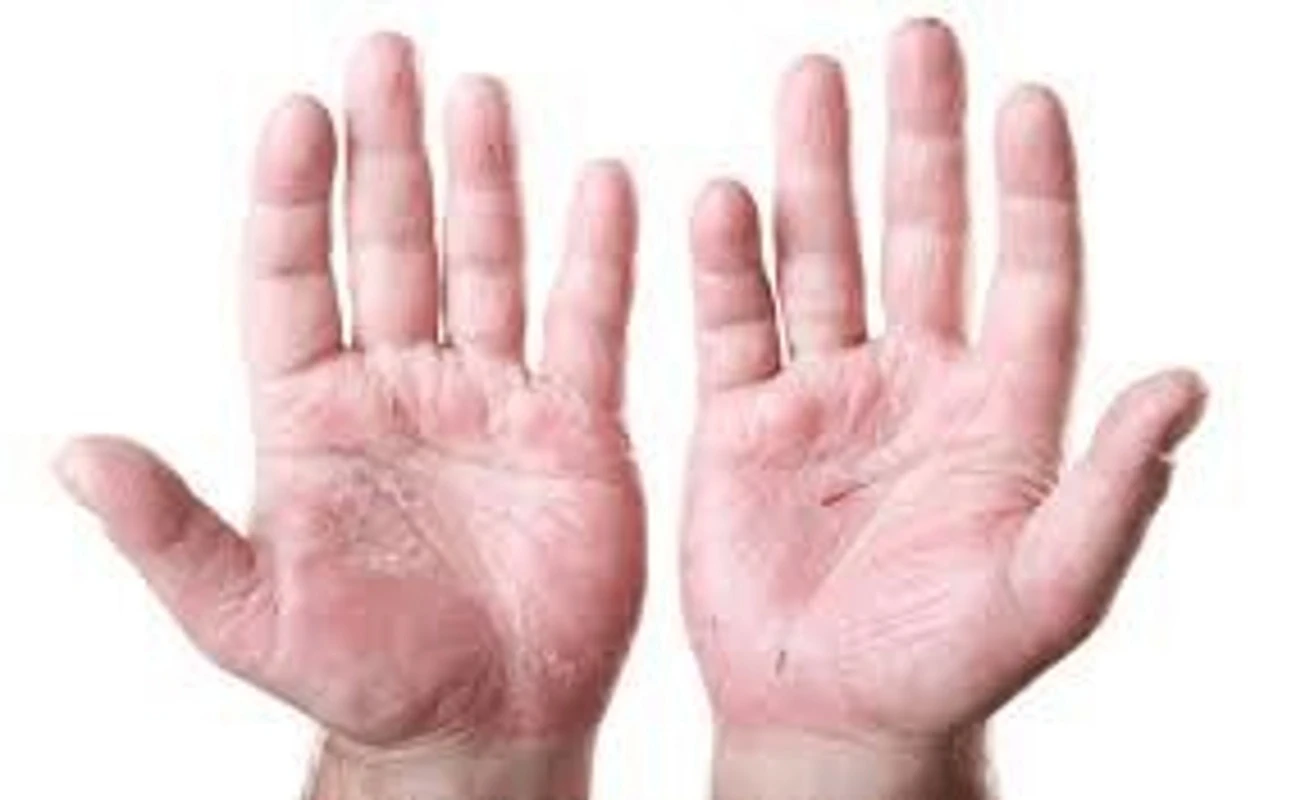
Healthier Hands Start with Small, Sustainable Changes
Hand dermatitis can seem minor at first, but it may impact confidence, productivity, and everyday comfort. By recognizing early symptoms, reducing exposure to irritants, and building a protective hand-care routine, many people achieve calmer, more resilient skin. Start with one manageable upgrade today—such as switching to a gentler cleanser or moisturizing after every wash.
FAQ
-
What can cause hand dermatitis to flare up suddenly?
Flare-ups are often triggered by repeated irritation (frequent washing, strong cleaners), environmental dryness (cold weather, low humidity), stress, or underlying eczema-prone skin. -
Can hand dermatitis clear up on its own?
Mild cases may improve with consistent moisturizing and avoiding triggers. Ongoing or recurrent symptoms often require sustained care and sometimes medical treatment to prevent relapse. -
How is hand dermatitis different from ordinary dry skin?
Typical dry skin usually improves quickly with moisturizer. Hand dermatitis involves inflammation—such as persistent itching, redness, cracking, and sometimes blisters—and often won’t resolve unless triggers are addressed.
Disclaimer: This article is for informational purposes only and does not replace professional medical advice. For personalized evaluation and treatment, consult a qualified healthcare provider.