
In the middle of a packed day—balancing work, family responsibilities, and a little self-care—small irritations can feel surprisingly draining. Lingering shoe odors, hair weighed down by styling residue, or dry, rough skin patches can turn “quick fixes” into annoying chores. Many people end up buying expensive (and sometimes harsh) products that still don’t fully solve the problem.
A simpler option is often already in your kitchen: baking soda. This budget-friendly staple offers gentle, practical ways to handle everyday beauty and household challenges—without adding extra steps to your schedule.
Stay with this guide to the end for one extra-comforting evening ritual that can make self-care feel easy again.

Why Baking Soda Works for So Many Tasks
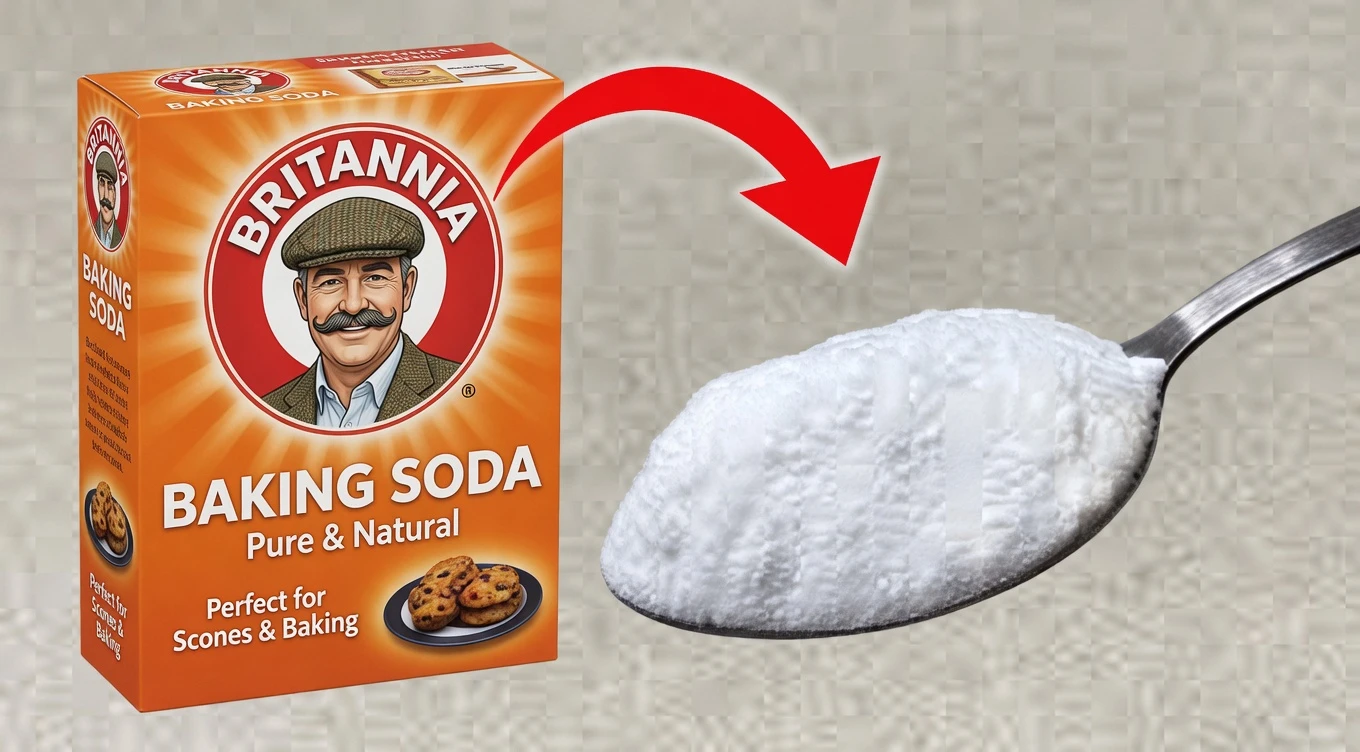
Baking soda (also called sodium bicarbonate) is a mild alkaline powder used in homes for generations. Organizations such as the American Chemical Society highlight two key properties that make it so useful:
- Odor neutralizing ability (instead of simply masking smells)
- Gentle abrasive texture that can lift residue and grime without heavy chemicals
It’s inexpensive, widely available, and versatile enough to support both personal care and home cleaning routines.
15 Practical Baking Soda Tricks for Everyday Life
1) Freshen Breath with a Simple Rinse
- Mix 1/2 teaspoon baking soda into a glass of water.
- Swish for 30 seconds, then spit out.
Many people like how clean their mouth feels afterward. In general oral hygiene guidance, mild alkaline rinses are sometimes used to help maintain a balanced environment in the mouth.
2) Gently Exfoliate Rough Skin
- Combine 3 parts baking soda with 1 part water to make a paste.
- Massage lightly in circular motions on damp skin (especially elbows and knees).
- Rinse well with warm water.
Mild abrasives can help remove dead skin buildup for a smoother feel.
Important: Patch test first to check how your skin reacts.
3) Clarify Hair and Remove Product Buildup
- Add about 1 teaspoon baking soda to your usual shampoo.
- Work into wet hair, leave for 1 minute, then rinse thoroughly.
- Always follow with conditioner.
This is popular for people who use gels, sprays, oils, or dry shampoo and want hair to feel lighter.
Use occasionally to help prevent dryness.
4) Calm Itchy or Uncomfortable Skin with a Bath Soak
- Add 1 cup baking soda to a warm bath.
- Soak for 15–20 minutes, then pat skin dry.
Wellness resources frequently mention baking soda baths as a comforting option for mild, everyday skin discomfort.
5) Clean Makeup Brushes More Easily
- In warm water, mix a little mild soap with baking soda.
- Swirl brushes in the solution, rinse completely, and lay flat to dry.
- Repeat weekly if you use brushes often.
Clean brushes support better makeup application and better hygiene.
6) Brighten Nails at Home
- Dip a damp toothbrush into baking soda.
- Gently scrub nails, rinse, then apply hand cream.
This can improve the look of nails over time, especially if you wear polish frequently.
7) Deodorize Shoes Overnight
- Sprinkle a generous amount of baking soda inside shoes.
- Leave overnight, then shake or vacuum out in the morning.
It’s also effective for gym shoes and sports bags because it helps absorb both odor and moisture.
8) Improve Laundry Freshness
- Add 1/2 cup baking soda during the wash cycle.
Household care sources (including publications like Good Housekeeping) often recommend it to help detergent perform better, especially in hard water.
9) Polish Jewelry with a Gentle Paste
- Mix baking soda with a small amount of water to form a paste.
- Apply with a soft cloth to silver or gold, rub lightly, rinse, then buff dry.
This helps restore shine without aggressive scrubbing.
10) Refresh Carpets Naturally
- Sprinkle baking soda evenly over carpeted areas.
- Let sit for 15 minutes or longer.
- Vacuum thoroughly.
Optional: Add a few drops of essential oil to the baking soda first for a customized scent.
11) Deodorize and Clean Cutting Boards
- Sprinkle baking soda on a damp cutting board.
- Scrub with half a lemon for extra cleaning power.
- Rinse well.
It’s a helpful approach for food odors and stains on prep surfaces.
12) Help Deter Ants in the Kitchen
- Mix equal parts sugar and baking soda.
- Place small amounts near entry points.
This is a common household tip for minor ant issues.
13) Absorb Refrigerator Odors
- Keep an open box of baking soda in the fridge.
- Replace every three months.
It quietly neutralizes lingering food smells with almost no effort.
14) Make Pots and Pans Easier to Scrub
- Sprinkle baking soda over stuck-on residue.
- Add hot water and let soak.
- Scrub gently.
Many home cooks rely on this to loosen messes without harsh cleaners.

15) Create a Relaxing Foot Soak (The Self-Care Gem)
- Dissolve 1/4 cup baking soda in a basin of warm water.
- Soak feet for 10–15 minutes.
- Dry thoroughly and apply moisturizer.
This small ritual can soften rough skin and help you decompress. Pair it with herbal tea, calm music, or soft lighting to turn a regular evening into a simple self-care moment you’ll actually look forward to.
Benefits of Adding Baking Soda to Your Routine
Baking soda is a smart staple because it’s:
- Cost-effective: One box often costs far less than specialty products.
- More eco-conscious: Reduces reliance on chemical-heavy, single-purpose alternatives.
- Highly versatile: Supports beauty, cleaning, and deodorizing with one ingredient.
Many environmental resources also point to simple, multipurpose household items as a step toward more sustainable habits.
Quick Comparison: Baking Soda vs. Commercial Products
| Aspect | Baking Soda | Commercial Alternatives |
|---|---|---|
| Cost | Low (often under $1 per box) | Higher ($5–$20+ per item) |
| Ingredients | Single compound | Often multiple chemicals |
| Versatility | High (15+ everyday uses) | Usually single-purpose |
| Environmental impact | Minimal | Higher (packaging, chemicals) |
This comparison helps explain why so many people are moving toward simpler, pantry-based solutions.
Conclusion
Baking soda is a dependable everyday helper that can simplify both personal care and household routines—without complicated steps or expensive products. Trying a few of these ideas may make daily tasks feel easier, cleaner, and more under control. Often, it’s the smallest natural swaps that bring the most noticeable comfort.
Frequently Asked Questions
Can baking soda be used on sensitive skin?
Yes, but it’s best to dilute it, use a light touch, and patch test first. People with sensitive skin often tolerate it better when used sparingly and rinsed thoroughly.
How often should you clarify hair with baking soda?
For most people, once a week or less is a safer range to reduce the risk of dryness. Pay attention to how your scalp and hair respond, and scale back if hair feels rough or brittle.