
Living with diabetes can bring day-to-day hurdles beyond blood sugar numbers. Over time, some people notice reduced circulation in the hands and feet, episodes of numbness or tingling, and a general drop in comfort or stamina. Even with careful glucose management, these changes may gradually affect confidence, mobility, and relationships—often leaving people feeling restricted.
A growing body of research suggests that common nutrient shortfalls may contribute to these concerns, especially nutrients involved in vascular function and nerve support. Among the most discussed are Vitamin D, Vitamin E, and Vitamin B12. Below is what current evidence suggests, plus practical food sources and simple next steps.

How Diabetes Affects Circulation, Nerves, and Everyday Comfort
Diabetes may progressively impact small blood vessels and peripheral nerves, which can lead to weaker circulation in the extremities and symptoms such as cold hands/feet or decreased sensation. Research indicates that around 50–70% of people with diabetes develop some level of diabetic neuropathy over time. In parallel, oxidative stress—often elevated in diabetes—can place additional strain on blood vessels.
Because healthy circulation supports energy, movement, and many aspects of quality of life (including intimate well-being), reduced blood flow can have wide-reaching effects. While medical care, glucose control, regular activity, and clinician guidance remain foundational, identifying and correcting nutrient deficiencies may add a helpful, natural layer of support.
Studies also suggest that certain vitamin deficiencies can be more frequent in diabetes due to factors such as medication interactions, absorption challenges, and dietary gaps. This is where Vitamins D, E, and B12 are frequently highlighted for their potential roles in endothelial function, antioxidant defense, and nerve health.
1) Vitamin D: A Key Nutrient for Blood Vessel Function
Often referred to as the “sunshine vitamin,” Vitamin D plays a meaningful role in vascular health. Low Vitamin D status is widespread, and some studies report that more than 80% of people with type 2 diabetes may have insufficient levels.
Clinical research—including randomized trials—has associated Vitamin D repletion (especially in those who are deficient) with improvements in endothelial function, which refers to how well the inner lining of blood vessels helps regulate relaxation and blood flow. Some studies report improved flow-mediated dilation after low Vitamin D levels are corrected.
People who address a deficiency sometimes report practical benefits like warmer hands/feet and steadier energy—though responses vary and results are typically gradual.
Vitamin D food sources to include
- Fatty fish (salmon, mackerel, sardines)
- Fortified dairy or plant-based milks
- Egg yolks
Sunlight tip (safely)
When appropriate for your skin type and local UV conditions, consider 10–15 minutes of midday sun several times per week. Always prioritize skin protection and personal medical guidance.

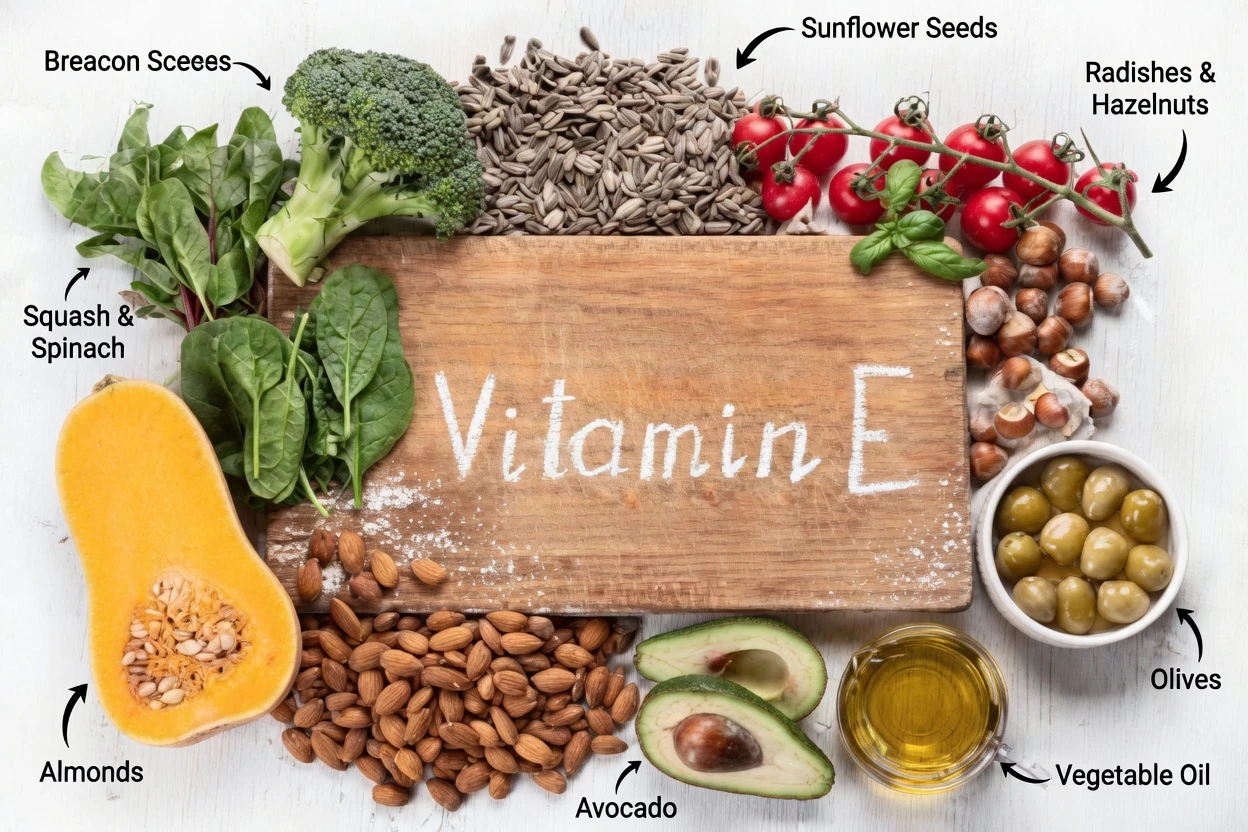
2) Vitamin E: Antioxidant Support for Vessels and Nerves
Vitamin E is a fat-soluble antioxidant that helps protect cells from oxidative damage—an issue that can be amplified in diabetes. By helping buffer oxidative stress, Vitamin E may support the integrity of vessel linings and ease strain on circulation.
Some studies and trials suggest Vitamin E—especially from food, and in certain cases supplements—may support circulatory function and help with neuropathy-related symptoms. Research on tocotrienol-rich Vitamin E forms has also reported improvements in measures such as nerve conduction over time.
In everyday routines, people often notice benefits as small, cumulative changes—such as slightly better sensation or comfort—when Vitamin E-rich foods become a consistent habit.
Simple ways to add more Vitamin E
- A small handful of almonds or sunflower seeds
- Spinach or Swiss chard added to salads and bowls
- Avocado in meals or snacks
A practical approach is to add one reliable source per day and monitor how you feel over a few weeks.
3) Vitamin B12: Essential for Nerve Signaling (Especially with Metformin)
Vitamin B12 supports nerve communication and red blood cell production. It’s especially relevant for diabetes because long-term use of metformin—one of the most common type 2 diabetes medications—can reduce B12 absorption in up to 30% of users, increasing the risk of low levels and potentially worsening symptoms such as tingling or numbness.
Evidence suggests that correcting B12 deficiency is associated with improved neuropathy outcomes for many people, including better sensation and improved energy—particularly when low B12 is a key contributor.
Better B12 intake options
- Animal-based sources: fish, meat, eggs
- Plant-forward options: fortified cereals and nutritional yeast
- Supplements only if testing confirms low levels, and with clinician guidance
If you take metformin, routine monitoring of B12 can be a high-impact step.
Why Vitamins D, E, and B12 May Complement Each Other
While each vitamin works differently, research suggests potential overlap in how they may support diabetes-related comfort and circulation:
- Antioxidant protection that may reduce inflammation and oxidative stress (notably Vitamin E)
- Support for nitric oxide pathways that help vessels relax and regulate flow (often discussed with Vitamin D status)
- Reinforcement of nerve signaling and nerve maintenance (notably Vitamin B12)
- Possible secondary benefits for energy and mood, especially when deficiencies are corrected
- Stronger results when paired with glucose management and lifestyle habits
Comparison: Common Support Approaches (Cost, Ease, and Focus)
-
Food + targeted vitamins (D, E, B12)
- Approx. monthly cost: Under $30 (varies by country and food choices)
- Circulation support: Promising
- Nerve support: Good
- Ease of use: ★★★★
-
Prescription options
- Approx. monthly cost: $50+ (varies widely)
- Circulation support: Strong
- Nerve support: Limited
- Ease of use: ★★★
-
General multivitamin
- Approx. monthly cost: $20+
- Circulation support: Moderate
- Nerve support: Moderate
- Ease of use: ★★★★★
-
Lifestyle changes alone
- Approx. monthly cost: Free
- Circulation support: Good
- Nerve support: Variable
- Ease of use: ★★
A Practical 30-Day Starter Plan
-
Week 1: Check your baseline
- Ask about testing for Vitamin D and Vitamin B12 (especially if you take metformin).
- Begin food upgrades:
- Fatty fish twice weekly
- Nuts/seeds daily
- Eggs or B12-fortified foods regularly
-
Week 2: Address deficiencies safely
- If results show low levels, discuss appropriate supplementation with your healthcare provider.
- Track your sun exposure/outdoor time and keep it consistent.
-
Week 3: Stay consistent and observe
- Look for small signals: warmth in extremities, less tingling, steadier energy.
- Avoid changing too many variables at once.
-
Week 4: Pair nutrition with movement
- Add light, regular movement (such as daily walking).
- Reassess comfort and daily stamina—many people notice gradual shifts over time.
Helpful “combo” meals and snacks
- Fatty fish (a natural source of Vitamin D plus supportive fats; may also contribute Vitamin E depending on diet context)
- Nuts/seeds + leafy greens (Vitamin E plus broader micronutrient support)
- Eggs/meat + fortified foods (stronger B12 coverage)
Balance matters—avoid high-dose supplements unless labs and professional guidance support that plan.
Final Takeaway: A Natural Support Layer Worth Exploring
For many people with diabetes, circulation and nerve discomfort build slowly and can affect everyday quality of life. Evidence suggests that Vitamin D (vessel function), Vitamin E (antioxidant defense), and Vitamin B12 (nerve support) may be especially relevant—particularly when deficiencies are present.
A simple first step is food-based: try adding salmon or a daily serving of almonds, and consider testing Vitamin D and B12 when possible. If supplementation is needed, do it with professional guidance—especially when medications are involved.
Note: Eating fatty fish twice per week is a practical way many people naturally increase Vitamin D intake and support overall nutrient density.
Frequently Asked Questions
Which foods are the best natural sources of Vitamins D, E, and B12 for diabetes support?
- Vitamin D: fatty fish, fortified milks, egg yolks
- Vitamin E: nuts, seeds, leafy greens, avocado
- Vitamin B12: fish, meat, eggs, fortified cereals, nutritional yeast
Using a mix of these foods can create a more consistent intake pattern.
How can I tell if I may be low in these vitamins?
Fatigue, cold hands/feet, and tingling are common in diabetes and can overlap with deficiency symptoms. The most reliable method is blood testing—especially for Vitamin D and Vitamin B12, and particularly if you take metformin.
Are there risks to supplementing these vitamins?
Yes. Over-supplementation can occur, especially with fat-soluble vitamins like Vitamin D and Vitamin E. Testing first and following medical guidance is the safest approach. Food sources are generally the most reliable long-term foundation.
This article is for informational purposes only and is not a substitute for professional medical advice. Individual results vary. Always consult your healthcare provider before testing, changing your diet, or starting supplements—especially if you use prescription medications.