Many people add chia seeds to their daily routine for lasting energy, better digestion, and an easy nutrient boost. This “superfood” is naturally rich in fiber, omega-3 fatty acids, plant protein, and key minerals. Yet a surprising number of users still experience bloating, stomach discomfort, or minimal results. In many cases, the issue isn’t the chia seeds—it’s how they’re prepared.
The solution is often simple: improve your soaking method. Below are five common chia-soaking mistakes, why they matter from a nutrition perspective, and the quick fixes that help you get a smoother texture and better comfort.
Why Soaking Chia Seeds Properly Matters
Chia seeds can absorb 10–12 times their weight in liquid, creating a gel-like coating. This gel is linked to:
- Slower digestion, which may support steadier energy
- Greater fullness (satiety) after meals
- Better release and use of beneficial compounds, including omega-3s
However, hydration depends on details like water temperature, soaking duration, and the liquid you choose. If chia isn’t hydrated evenly—or if you eat it with too little liquid overall—the high fiber content can feel uncomfortable, especially for people new to chia or those with sensitive digestion.
Mistake 1: Soaking Only in Cold Water
Cold water slows down how quickly chia seeds hydrate. If you eat them before they fully gel, they may continue swelling later, which can feel heavy or irritating for some people.
Fix: Use room-temperature or slightly warm water (about 70–100°F / 21–38°C) to encourage faster, more even gelling without harming delicate nutrients.
Extra tip: Stir once, then stir again a few minutes later to reduce clumps.
Mistake 2: Getting the Soaking Time Wrong
Soaking time affects both texture and how your body handles chia:
- Too short (under 10–15 minutes): seeds may expand later in the digestive tract
- Too long (over 24 hours): flavor and texture can degrade, and mild fermentation may occur
Best timing:
- 15–30 minutes at room temperature for drinks, smoothies, or quick mixes
- 8–12 hours in the fridge for thicker chia pudding (starting with enough liquid)
Quick clue: If your chia feels gritty or you notice bloating, increasing soak time to 20+ minutes often helps.
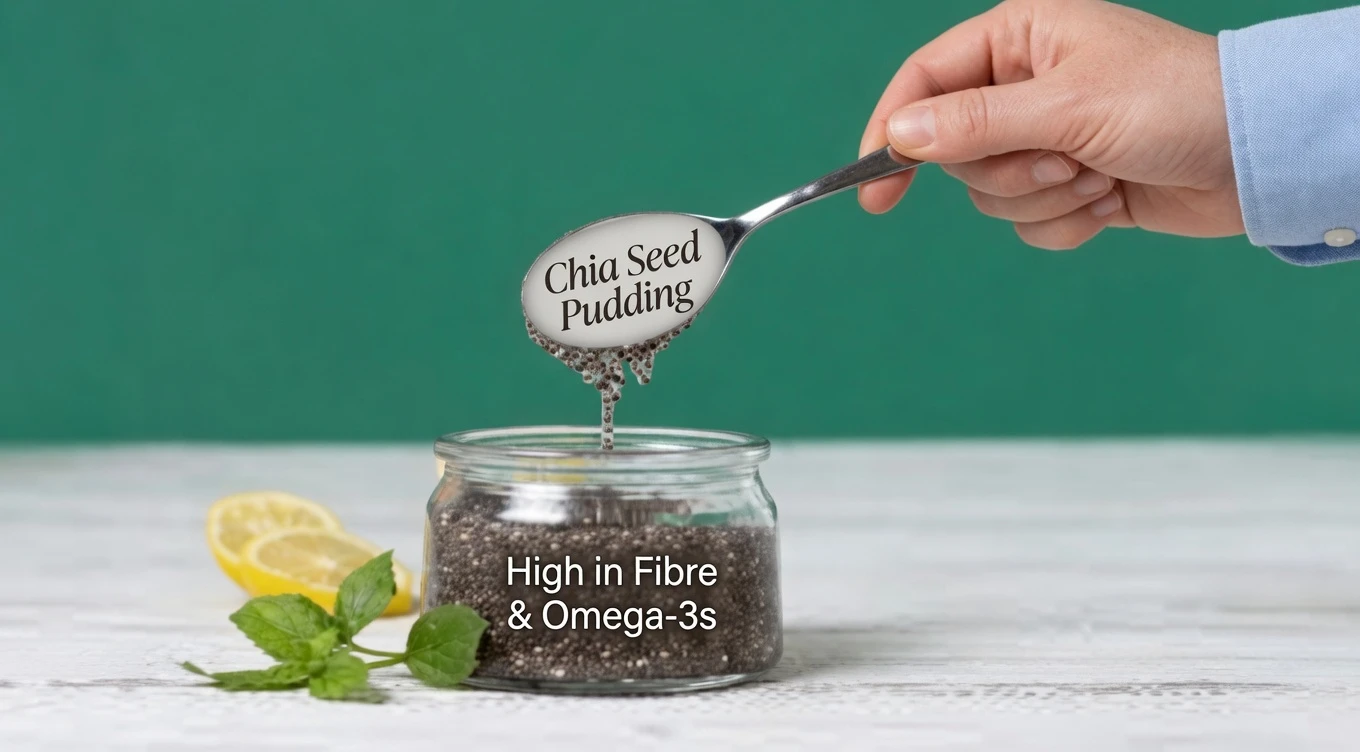
Mistake 3: Using a Poor Liquid Choice
Chia will gel in many liquids, but your choice can influence how it feels and functions:
- Sugary juices may increase sugar load and affect blood sugar response
- Some dairy-based options feel heavier for certain people
- Highly acidic liquids may irritate sensitive stomachs
Better liquids for soaking chia seeds:
- Plain filtered water
- Unsweetened plant milks (almond, coconut, oat, etc.)
- Herbal tea (cooled to warm/room temp)
- Coconut water (lighter sweetness, hydrating)
These options support consistent hydration and let chia’s natural benefits stand out.
Mistake 4: Skipping the Rinse
Like many seeds and grains, chia contains phytic acid, which can bind to minerals (such as iron, zinc, and calcium) and reduce absorption. Soaking helps, but a quick rinse can further reduce residue and support gentler digestion for some people.
Fix: Rinse chia seeds in a fine-mesh strainer under warm running water for 20–30 seconds, then soak as usual.
Mistake 5: Storing Soaked Chia Incorrectly
Batch-prepping chia is convenient, but improper storage can lead to:
- Off smells or flavors
- Texture breakdown
- Increased spoilage risk (especially with fruit mixed in)
Fix: Store soaked chia in an airtight glass container in the fridge for up to 3 days. Stir before using and discard if the smell, color, or texture seems “off.”
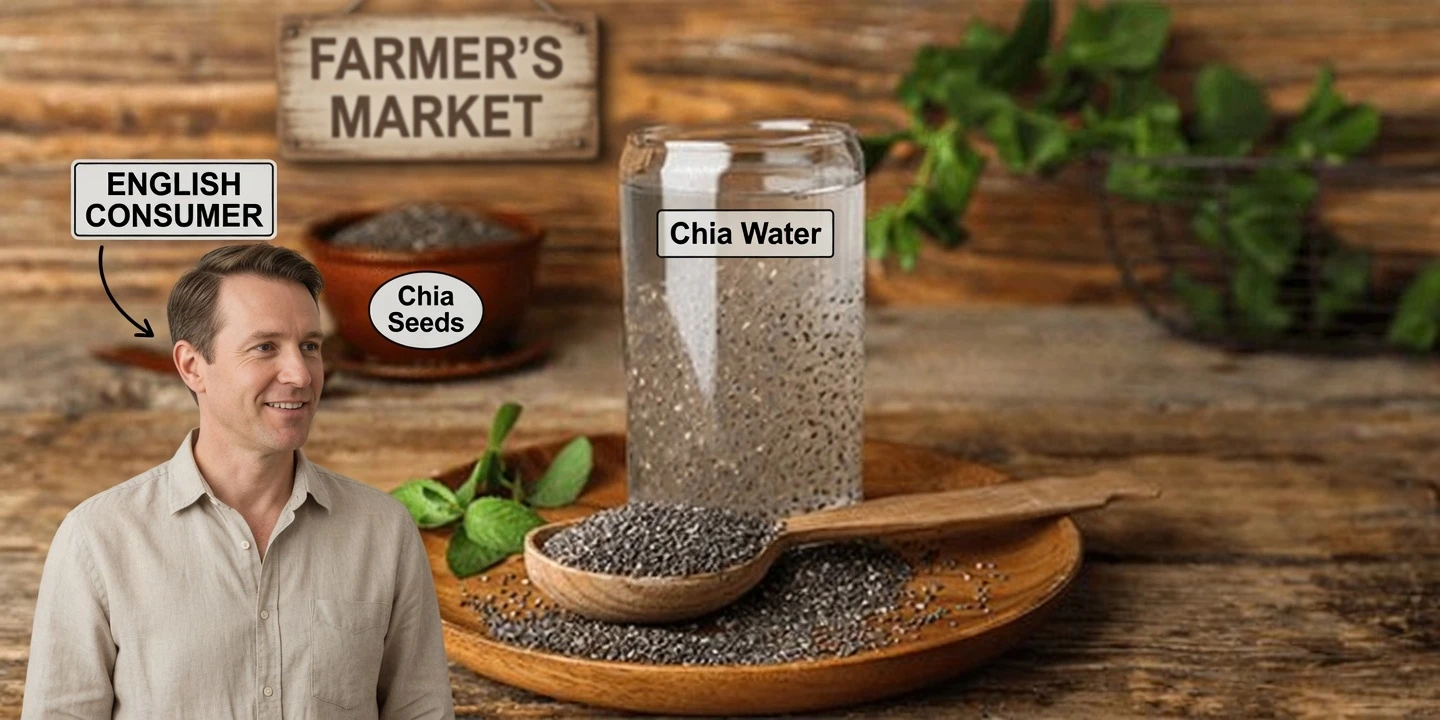
Common Mistakes vs. Simple Fixes (Quick Table)
-
Soaking in cold water
- Issue: Slower hydration, possible discomfort
- Fix: Use room-temperature or slightly warm water
-
Too short or too long soaking time
- Issue: Uneven texture, bloating, or off flavor
- Fix: 15–30 minutes for quick use; 8–12 hours refrigerated for pudding
-
Wrong liquid choice
- Issue: Sugar spikes, heaviness, irritation
- Fix: Water, unsweetened plant milk, herbal tea, coconut water
-
Not rinsing first
- Issue: Reduced mineral availability for some people
- Fix: Rinse 20–30 seconds under warm water
-
Poor storage after soaking
- Issue: Spoilage, off taste, texture changes
- Fix: Airtight glass jar; refrigerate; use within 3 days
The Right Way to Soak Chia Seeds (Step-by-Step)
Use this method to get consistent gel texture and better comfort:
-
Rinse first
Rinse 1–2 tablespoons of chia seeds in a fine strainer under warm water for 20–30 seconds. -
Use the right ratio
Mix 1 part chia seeds with 6–8 parts liquid
Example: 2 tbsp chia + 1 to 1.5 cups water or unsweetened plant milk. -
Stir well, then soak
Stir immediately to prevent clumping. Let sit 15–30 minutes at room temperature.
For pudding texture, soak overnight (8–12 hours) in the fridge. -
Store safely
Transfer to a clean glass jar with a tight lid and refrigerate. -
Add flavor if you like
Try a squeeze of lemon or a pinch of cinnamon for a more enjoyable taste.
This approach creates the classic chia gel that blends easily into yogurt, smoothies, oatmeal, or can be eaten on its own.
Real-World Tweaks That Often Help
Small changes can lead to noticeable improvements. Some people report that switching to room-temperature soaking and adding a quick rinse reduces heaviness and improves digestion. Others feel best when they avoid long soaks beyond what they’ll use in a day or two and store chia properly for freshness.
When you stack several small improvements together, the results are often more noticeable within about a week.
Extra Benefits When Chia Is Soaked Correctly
When prepared well, soaked chia seeds may support:
- Smoother digestion and regularity (soluble fiber gel)
- More stable energy from slow-release nutrients
- Better hydration habits (since chia encourages fluid intake)
- A satisfying way to add nutrients without discomfort
What to Do Next
Start with a small batch tonight: rinse, soak, and store using the steps above. Over the next few days, pay attention to:
- Texture (smooth vs. gritty)
- Comfort (bloating vs. light digestion)
- How you feel (steady energy vs. sluggishness)
Experiment with different liquids to find what you enjoy most.
Tip: A small pinch of cinnamon added during soaking brings a warm flavor that pairs naturally with chia.
Frequently Asked Questions
How long should chia seeds be soaked before eating?
For most uses, 15–30 minutes at room temperature is enough. For pudding-style chia, 8–12 hours in the fridge works well.
Do I need to rinse chia seeds?
Rinsing is optional, but many nutrition-focused routines recommend it to help reduce phytic acid and potentially support mineral availability.
Can you eat chia seeds without soaking?
Yes, but soaking usually improves texture and digestion. If you try them dry, start with a small amount and drink plenty of liquid.
Medical Disclaimer
This article is for informational purposes only and does not replace medical advice. If you have digestive symptoms or health conditions, consult a qualified healthcare professional before making major dietary changes.