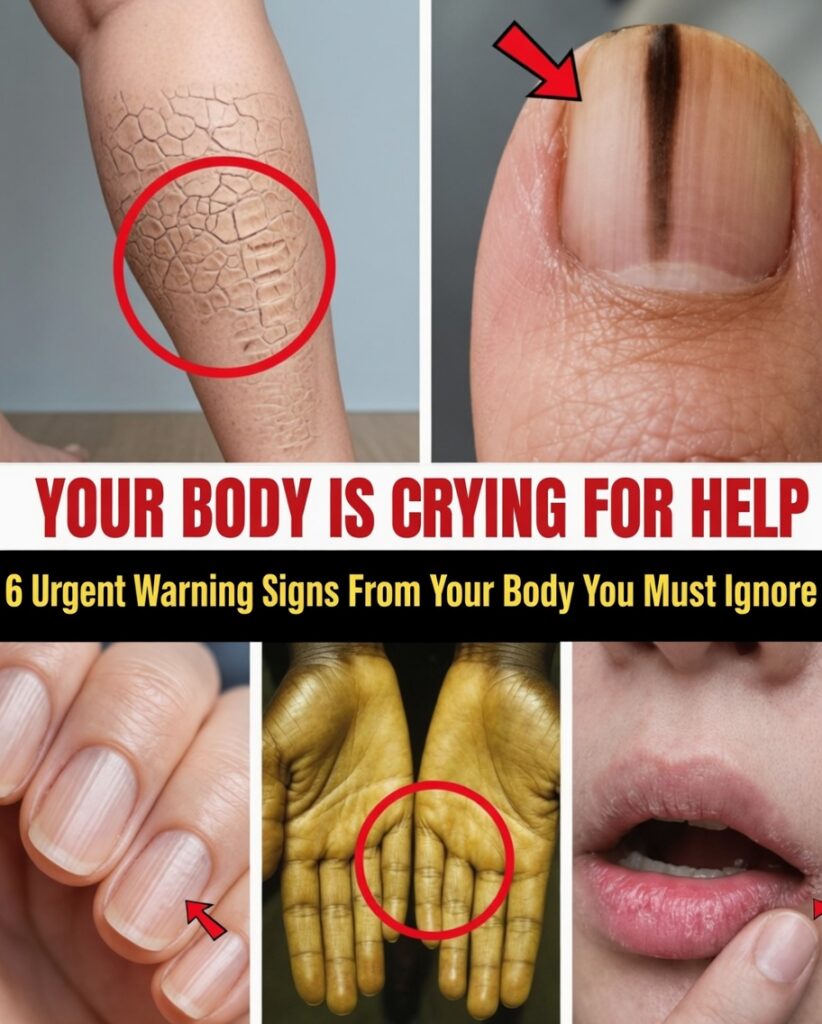
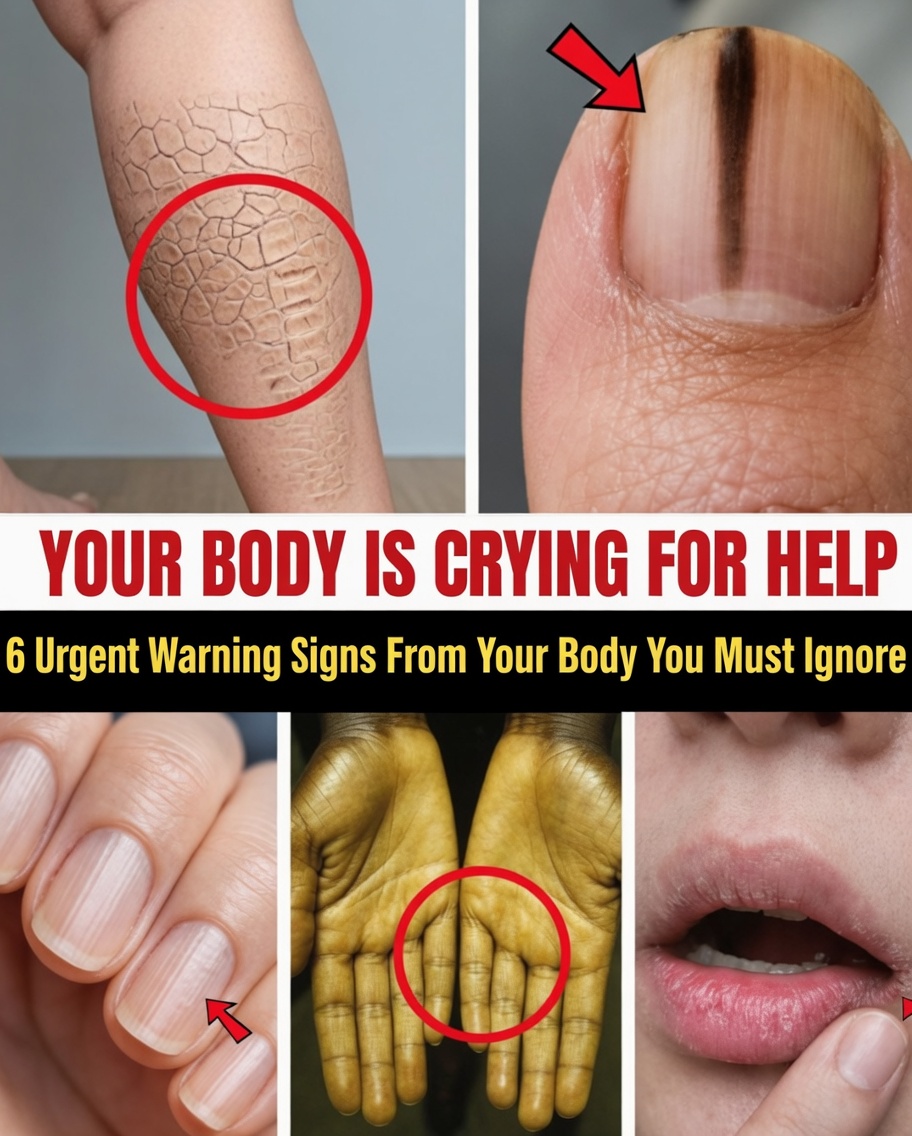
As you enter your 40s and beyond, you may start noticing small shifts in your skin, hair, nails, mouth, or even your day-to-day energy. It’s easy to dismiss these as “normal aging” or the result of a busy life—but in some cases, they can reflect common nutrient shortfalls worth investigating. Research discussed by institutions such as the NIH and Harvard often points out that everyday symptoms may correlate with how effectively your body is getting (and using) key nutrients through diet and lifestyle.
These outward changes can be discouraging—especially when skincare products, new routines, or extra sleep don’t fully fix the problem. The encouraging part is that paying attention early and making simple, food-first adjustments can support overall well-being. By the end of this guide, you’ll have practical next steps to explore what your body may be asking for.
Why These Signs Show Up More After 40 (and Why They’re Commonly Missed)
After 40, metabolism typically slows, and nutrient absorption can shift due to changes in digestion, hormones, medications, or lifestyle. At the same time, responsibilities and stress can make gradual changes harder to notice. Large-scale data suggests nutrient gaps affect millions of people, often quietly—until the effects become persistent.
Even “minor” concerns like dryness, discomfort, or slower healing can reduce daily comfort and confidence. If overlooked, small imbalances may continue in the background and potentially influence energy, immunity, and tissue repair over time. The good news is that nutrition-focused changes can be a meaningful lever for improvement.
Self-reflection: What’s the one change you’ve noticed most recently? Write it down—you’ll use it later.
The Mirror Effect: What Your Skin, Hair, Nails, and Mouth Can Signal
Your appearance can act like an early notification system. Skin, hair, nails, and oral tissues renew often, so they may show signs of nutrient strain before deeper issues feel obvious. For busy adults over 40, learning these clues can help you take proactive, practical steps toward better vitality.
Quick check-in: On a scale of 1–10, how aware do you feel of your body’s signals right now? If it’s under 8, this article is designed to raise that awareness.
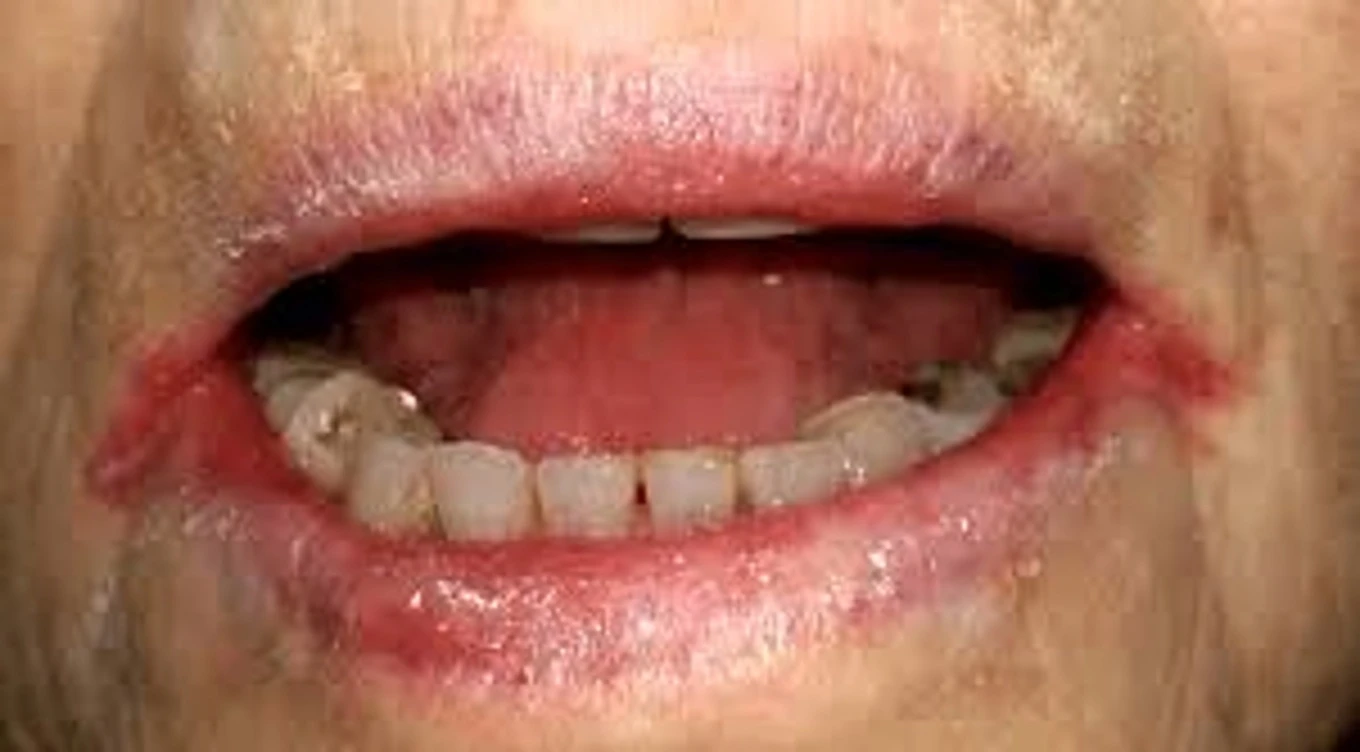
Sign #6: Cracked Corners of the Mouth (Angular Cheilitis)
If the corners of your mouth feel sore, split, or burn—especially when eating, talking, or smiling—you may be dealing with angular cheilitis. Weather, saliva exposure, and habits can contribute, but research also connects recurring mouth-corner cracking with gaps in nutrients such as iron, zinc, and B vitamins (notably riboflavin/B2).
Many adults find this symptom both uncomfortable and embarrassing. Nutrients like zinc and B vitamins support skin integrity, immune function, and tissue repair, which may be relevant when healing seems slow.
Food-first support to try:
- Zinc sources: pumpkin seeds, shellfish, lean meats
- B vitamin sources: eggs, dairy, leafy greens
- Use a gentle lip balm for comfort while you prioritize nutrition
Rate your mouth comfort 1–10. If it’s low and healing drags on, nutrient status may be worth checking.
Sign #5: Premature or Early Graying Hair
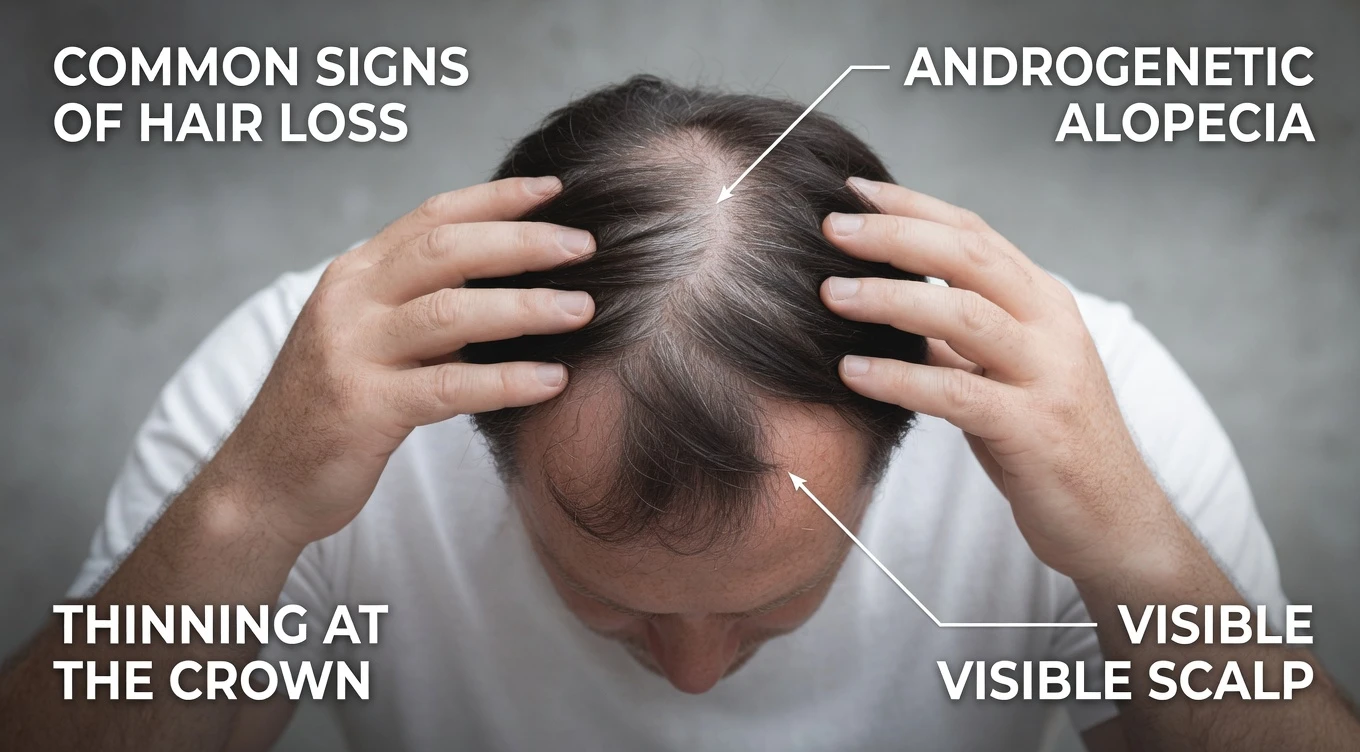
Noticing gray hairs earlier than expected can feel jarring, even if genetics play a role. Some research suggests lower copper status may be associated with reduced melanin activity. Melanin is the pigment that gives hair its color, and copper helps support enzymes involved in pigment-related processes.
While graying is multifactorial, building a nutrient-dense diet that includes copper can support overall balance over time.
Copper-rich foods to include:
- nuts and seeds
- dark chocolate (in moderation)
- shellfish
Self-check: How concerned are you about hair changes (1–10)?
Sign #4: Excessive Sweating (Especially Palms or Head)
If you’re sweating more than usual—particularly on your palms or scalp—without clear triggers like heat, exercise, or anxiety, it may be worth looking beyond surface causes. Vitamin D insufficiency is common in adults, and some observations suggest a relationship between low vitamin D status and nervous-system or autonomic patterns that can influence sweating.
Vitamin D is involved in many systems, including functions related to nerve signaling and stress regulation. Some people notice gradual improvement when they correct low levels through lifestyle changes.
Supportive sources of vitamin D:
- fatty fish (salmon, sardines)
- fortified foods (as available in your region)
- mushrooms exposed to light
- safe, appropriate sun exposure when possible
Rate your sweating frequency 1–10.
Important: Before making major changes (especially supplements), testing vitamin D levels is often the smartest first step.
Mid-Article Reflection Quiz
- Which signs have you seen so far? (mouth-corner cracks, early graying, excessive sweating)
- What is your most noticeable signal right now?
- Can you guess the next one? Hint: it appears directly on the skin.
- Has your awareness improved since you started reading?
Sign #3: Persistent Dry, Scaly Skin
If moisturizers help only temporarily—or not at all—ongoing roughness and flaking may relate to how your body handles fat-soluble nutrients, including vitamin A. Because vitamin A absorption depends on dietary fat and digestive function, issues with fat uptake can contribute.
Vitamin A supports skin barrier function and normal tissue maintenance. Including vitamin A-containing foods alongside healthy fats may help support absorption.
Try pairing:
- carrots, sweet potatoes, leafy greens
- with healthy fats like avocado or olive oil
Rate your skin dryness 1–10.
Insider note: Some people find digestion feels better when meals include gentle, whole-food supports (often cited examples include beets or turmeric), but individual responses vary.
Sign #2: Vertical Ridges on Nails
Vertical nail ridges are frequently brushed off as “just aging,” but in some cases they’re discussed alongside gaps in nutrients involved in growth and oxygen delivery, such as iron, vitamin B12, and biotin. These nutrients contribute to nail structure and may influence how smoothly nails form over time.
Nail-supportive food options:
- spinach and other leafy greens
- eggs
- lean proteins
- nuts
Rate your nail smoothness 1–10.
Sign #1: Bleeding Gums When Brushing
If you see blood when brushing—even gently—don’t ignore it. While dental hygiene and gum disease must be considered, bleeding gums are also a classic sign discussed in relation to low vitamin C intake. Vitamin C supports collagen production, helping maintain gum strength and healthy blood vessels.
Large reviews often associate low vitamin C status with more fragile tissues. Diet patterns high in added sugar may also complicate oral health and overall nutrient density.
Vitamin C-rich foods to prioritize:
- bell peppers
- berries
- citrus fruits
- broccoli
- plus reducing excess added sugar when possible
Rate your gum comfort 1–10.
Quick Reference: Signs and Food-Focused Support
Use this as a simple, bookmark-worthy summary:
- Cracked mouth corners: zinc, iron, B vitamins
- pumpkin seeds, lean meats, eggs, leafy greens
- Early graying hair: copper
- nuts, seeds, dark chocolate, shellfish
- Excessive sweating: vitamin D
- fatty fish, fortified foods, light-exposed mushrooms, safe sun
- Dry, scaly skin: vitamin A + healthy fats
- leafy greens, carrots, sweet potatoes, avocado, olive oil
- Vertical nail ridges: iron, B12, biotin
- spinach, eggs, lean proteins, nuts
- Bleeding gums: vitamin C
- bell peppers, berries, citrus, broccoli
Tip: Start by adding one or two foods per day, then track how you feel over several weeks.
Real-Life Examples: When People Pay Attention Early
From professionals who felt more comfortable smiling again to older adults enjoying daily life with fewer nagging irritations, the pattern is consistent: awareness + small, steady nutrition upgrades can lead to noticeable changes in comfort and confidence.
The difference often isn’t a dramatic overhaul—it’s consistency.
Gentle Action Steps You Can Start Today
- Observe: Track your top 1–2 signs for one week.
- Test when appropriate: Ask your clinician about basic labs if symptoms persist (iron markers, B12, vitamin D, etc.).
- Add foods gradually: Choose 2–3 items from the list above and prioritize whole foods first.
- Measure results: Note changes in skin comfort, mouth irritation, nails, or energy after 4–6 weeks.
- Stay consistent: Small habits compound into long-term support.
Common pitfall: treating only the surface (more lotion, stronger products) without addressing potential underlying gaps. A food-first strategy often provides more durable benefits.
Bottom Line: Treat These Signs as Useful Feedback
Imagine 30 days from now: fewer irritating symptoms, steadier energy, and more confidence in your health decisions. Your body doesn’t send signals randomly—learning to interpret them and responding thoughtfully can support more vibrant years ahead.
Medical note: This article is for informational purposes only and does not replace professional medical advice. Consult a qualified healthcare provider for individualized guidance, especially before making significant dietary changes or starting supplements.
FAQ
- Do these signs always mean a nutrient deficiency?
No. Aging, stress, medications, dental issues, skincare habits, and medical conditions can all contribute. However, if symptoms persist despite good routines, discussing nutrient testing and diet quality with a healthcare professional can be a practical next step.