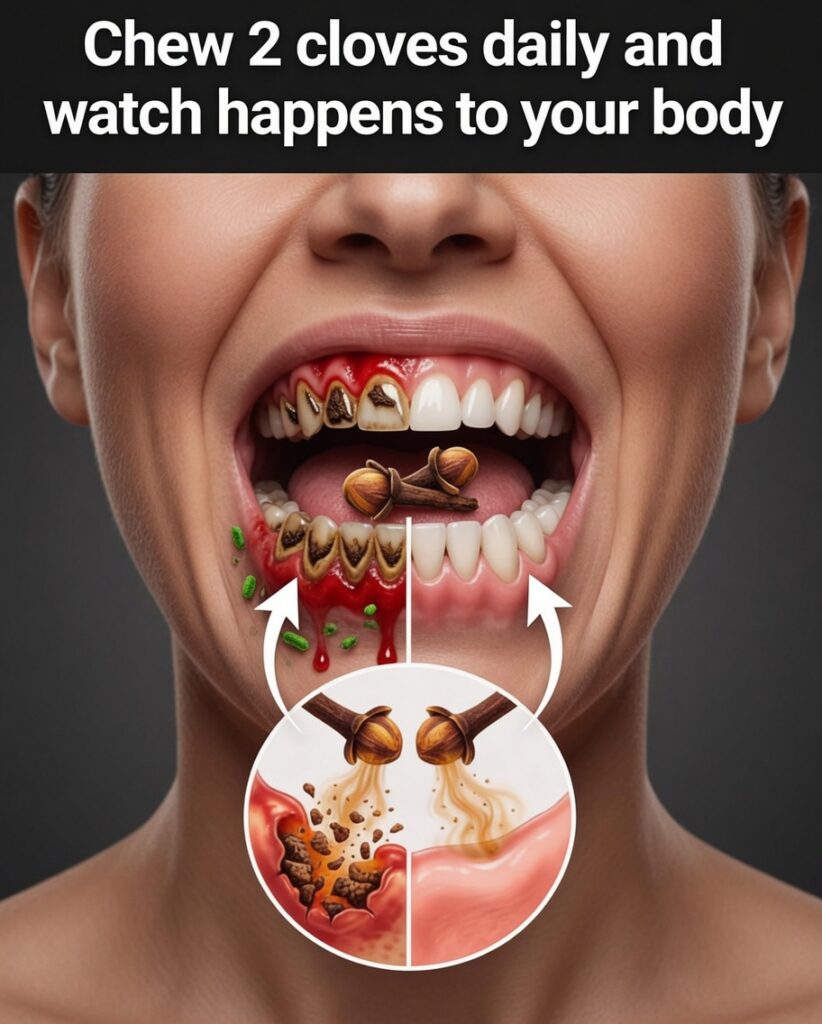
Many people underestimate everyday kitchen spices, but small habits—like chewing one or two cloves—may offer meaningful support for overall wellness. In a market crowded with complicated supplements, this tiny, fragrant clove bud has remained a staple in traditional health practices for centuries. Modern research is now helping explain why, pointing to a unique mix of active plant compounds that could benefit the body in several ways.
So what might actually happen if you make chewing cloves part of your daily routine? Below are research-backed possibilities, plus a practical, safe way to get started.
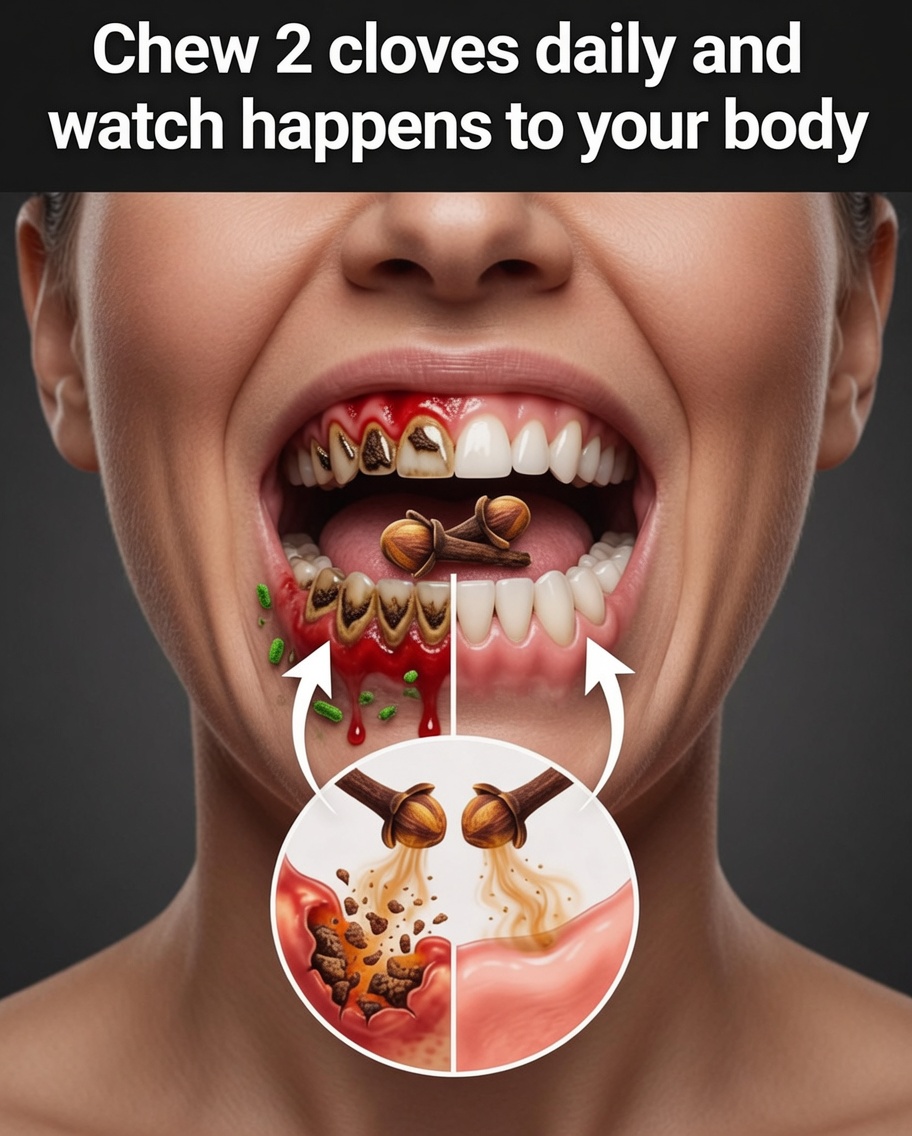
Cloves: A Nutrient-Dense Spice with Powerful Plant Compounds
Cloves are dried flower buds from the Syzygium aromaticum tree, native to Indonesia. Beyond their familiar warm flavor in teas, desserts, and savory dishes, cloves contain a surprisingly concentrated package of nutrients and antioxidants.
Just one teaspoon of ground cloves can provide more than half of the daily value for manganese, along with helpful amounts of:
- Fiber
- Vitamin K
- Vitamin C
- Calcium
- Magnesium
What truly sets cloves apart is their high level of antioxidants, especially eugenol (their signature compound), plus flavonoids and beta-carotene. These substances are associated with helping the body manage oxidative stress, which plays a role in long-term health maintenance.
11 Possible Benefits of Chewing 2 Cloves a Day
Based on traditional use and emerging research, chewing cloves daily may support wellness in several areas. Here are the most commonly discussed benefits and what studies suggest.

1. Oral Health and Fresher Breath
Chewing cloves may help naturally freshen breath and support a healthier oral environment. Eugenol has demonstrated antimicrobial activity that may help reduce bacteria associated with plaque buildup and gum irritation.
- A study published in the Journal of Indian Society of Periodontology reported that clove-based mouthwash helped lower oral bacterial levels.
- Another clinical trial found clove oil gel offered a numbing effect comparable to common options used for dental comfort.
2. Digestive Ease and Gut Support
Cloves have a long history of use for occasional digestive discomfort. Animal research suggests eugenol may help protect the stomach lining by supporting mucus production, which can promote a more balanced gut environment.
Cloves may also encourage the secretion of digestive enzymes, which could help reduce bloating and support smoother digestion.
3. Antimicrobial Defense (Bacteria and Fungi)
In laboratory settings, cloves have shown activity against a range of microorganisms. Test-tube findings suggest potential effectiveness against bacteria such as E. coli and S. aureus, and fungi like Candida.
Some research also points to possible antiviral activity against certain common viruses, which helps explain why cloves are often used traditionally for everyday immune support.
4. Blood Sugar Support
Cloves appear promising for people focused on blood sugar balance. One human study found that taking 250 mg of clove extract daily was linked with lower post-meal glucose levels in participants with and without prediabetes.
Animal studies suggest compounds such as nigricin may support insulin-related function and improve glucose uptake into cells.
5. Relief for Coughs and Throat Irritation
Traditional wellness approaches often recommend cloves for soothing the throat. Certain compounds may help calm irritation and potentially reduce cough reflex sensitivity, offering gentle relief during seasonal changes.
6. Potential Cellular Support
Laboratory research has explored clove compounds for their influence on cellular processes. In concentrated test models, they have shown potential effects related to supporting healthy cell function and limiting unwanted cell growth.
These findings are preliminary, and more human studies are needed to understand what everyday clove chewing can realistically achieve.
7. Liver Health Support
Animal research suggests eugenol may help protect liver cells by reducing oxidative stress and inflammation. In rat studies involving induced liver challenges, clove treatment improved certain liver-related markers.
A small human study also reported favorable changes in liver enzymes, though moderation is still important.
8. Antioxidant Support for Healthy Aging
Cloves rank among the highest spices for antioxidant capacity—sometimes outperforming vitamin E in laboratory comparisons. Antioxidants help neutralize free radicals that contribute to natural aging processes.
Over time, regular antioxidant intake may support healthier cellular function and overall vitality.
9. Natural Support for Discomfort and Tension
Eugenol is widely studied for its analgesic and anti-inflammatory properties. Chewing cloves has traditionally been used to ease tooth discomfort, mild headaches, and everyday tension.
Many people find the effect subtle but helpful as part of a broader wellness routine.
10. Bone Health and Strength
Because cloves are rich in manganese, they contribute to processes involved in bone formation and maintenance. Emerging research suggests that manganese, alongside other clove compounds, may support bone density over time.
11. Brain and Cognitive Function Support
Clove antioxidants may help protect brain cells from oxidative stress. In animal models of cognitive decline, eugenol has been associated with reduced inflammation and support for healthy brain function.
Human research is still developing, but the early data is encouraging.

How to Chew Cloves Daily (A Simple, Safe Routine)
If you want to try chewing cloves, use this simple method:
- Choose high-quality whole cloves from a trusted source.
- Start with 1–2 cloves per day, preferably in the morning.
- Place them in your mouth and chew slowly for 5–10 minutes to release the oils.
- Swallow or discard the remnants (many people swallow them).
- Rinse your mouth afterward to reduce the chance of staining.
For a gentler option, you can also steep the chewed cloves in warm water to make a soothing clove tea.
Quick Tips for Better Results
- Start with a small amount to check tolerance.
- Consider chewing after meals if your goal is digestive support.
- Use cloves as a complement to consistent oral hygiene (brushing and flossing).
- Store cloves in an airtight container, away from heat and light.
Conclusion: A Small Daily Habit with Real Potential
Chewing just two cloves a day is a simple, affordable habit that may help you benefit from one of nature’s most concentrated spices. From fresher breath and digestive comfort to antioxidant support, the research helps explain why cloves have remained valued across generations.
Keep in mind that many benefits are based on traditional use and early-stage studies. For best results, use cloves as part of a balanced lifestyle rather than a standalone solution.
Frequently Asked Questions
How many cloves should I chew daily?
Most general wellness recommendations suggest 1–2 whole cloves per day. Start with one and increase only if you feel comfortable.
Can cloves replace regular dental care?
No. Cloves may offer supportive benefits, but they cannot replace brushing, flossing, and routine dental checkups.
Are there side effects or precautions?
Cloves are typically safe in small amounts, but overuse may cause mouth irritation. If you take blood thinners or diabetes medications, consult a healthcare professional before using cloves daily.
Disclaimer: This content is for informational purposes only and does not provide medical advice. These statements have not been evaluated by the FDA. Always consult a qualified healthcare professional before changing your routine, especially if you have a medical condition or take medications. Individual results may vary.