Aging brings changes most of us recognize: stiffer joints, less energy, and growing concerns about heart health, brain function, and overall vitality. While genetics and “just getting older” often get the blame, daily habits usually have a much stronger impact than people realize. Interestingly, a growing body of research suggests one more factor may play a small role: your blood type.
Some studies have linked specific blood groups to modest differences in risks related to cardiovascular disease, clotting, and inflammation—all of which can influence how the body handles age-related wear and tear. These findings are not absolute, but they raise an important question: could knowing your blood type offer practical insight as you plan for healthier aging?
Blood Type O: A Possible Advantage for Heart Health (and More)
Across multiple studies—including large cohort research and meta-analyses—blood type O is frequently associated with a slightly lower risk of certain cardiovascular issues compared with non-O blood groups. In particular, type O has been linked to reduced odds of heart disease and some clot-related complications.
One possible explanation involves clotting biology. Many people with type O tend to have lower levels of von Willebrand factor and factor VIII, which may contribute to a lower tendency toward excessive clot formation in some contexts. Over time, this could translate into more favorable circulation-related outcomes for certain individuals.
Some population-level findings also suggest relationships between blood type O and lower risk for specific cancers, though evidence varies by cancer type and study design.
It’s crucial to keep the conclusion in perspective: these are statistical associations, not guarantees. Even if type O shows a modest edge in certain markers, lifestyle choices still dominate long-term outcomes.

Blood Types A, B, and AB: Why Inflammation and Clotting Get More Attention
Research also indicates that blood types A, B, and AB may, in some analyses, carry a slightly higher likelihood of factors connected to aging-related disease risk—particularly those involving blood clotting and inflammation. Several studies have reported that non-O groups (especially A and AB in certain datasets) are linked with increased risk of thromboembolic events, higher clotting tendencies, or elevated inflammatory markers.
This matters because chronic low-grade inflammation is widely recognized as a contributor to many age-related changes, influencing everything from cardiovascular function to metabolic health. Some scientists propose that blood group differences may affect inflammatory responses through immune signaling or vascular biology.
A number of studies also explore connections between non-O blood types and age-related concerns such as blood pressure patterns or neurological health—though findings are not uniform and should not be over-interpreted.
The most important takeaway: these patterns do not mean you are “destined” for poor outcomes if you have blood type A, B, or AB. Evidence-based habits—especially anti-inflammatory nutrition, movement, and preventive care—can meaningfully reduce risk.
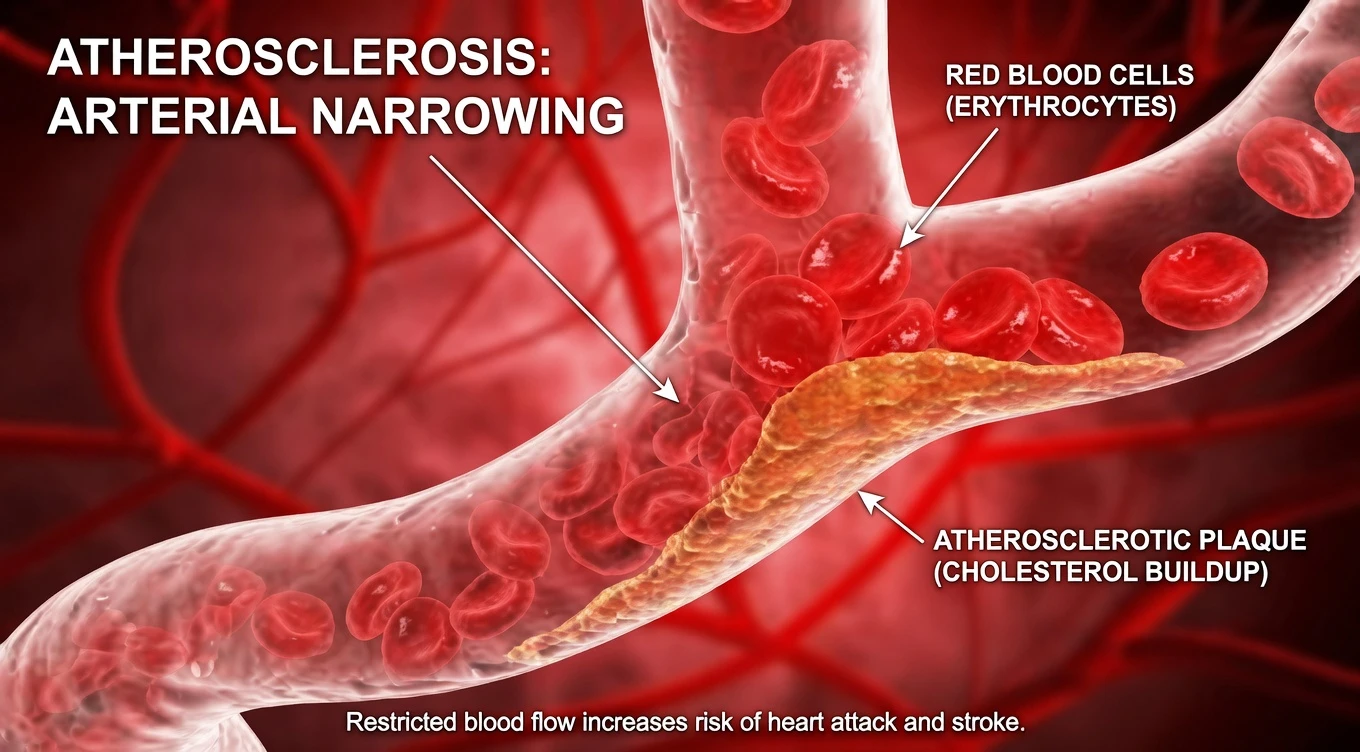
How Blood Type May Relate to Oxidative Stress and Immune Resilience
Aging is strongly influenced by oxidative stress, a process where free radicals outnumber the body’s defenses, damaging cells and tissues over time. Oxidative stress contributes to both visible aging and internal decline across systems such as the heart, brain, and immune function.
Some research investigates whether blood type may be linked to subtle differences in how the body manages oxidative load and recovery. Because blood group antigens can affect immune communication, they may influence how efficiently tissues respond to everyday stressors, inflammation, or infections across the lifespan.
In broad population findings, type O often appears somewhat more favorable in markers connected to cardiovascular and inflammatory burden, while non-O types may show slightly different long-term patterns of repair and defense. Still, the scientific consensus remains clear: blood type does not override lifestyle.
Quick Research-Based Comparison (General Trends)
-
Blood Type O
- Often associated with lower cardiovascular risk in observational studies
- May reflect more favorable clotting-factor profiles in many individuals
- Appears frequently in some longevity and healthy-aging datasets
-
Blood Types A, B, AB
- Linked in some analyses to modestly higher clotting-related or inflammatory markers
- Risk is not fixed and can be significantly influenced by preventive habits
These are broad trends from observational data, not personal predictions.
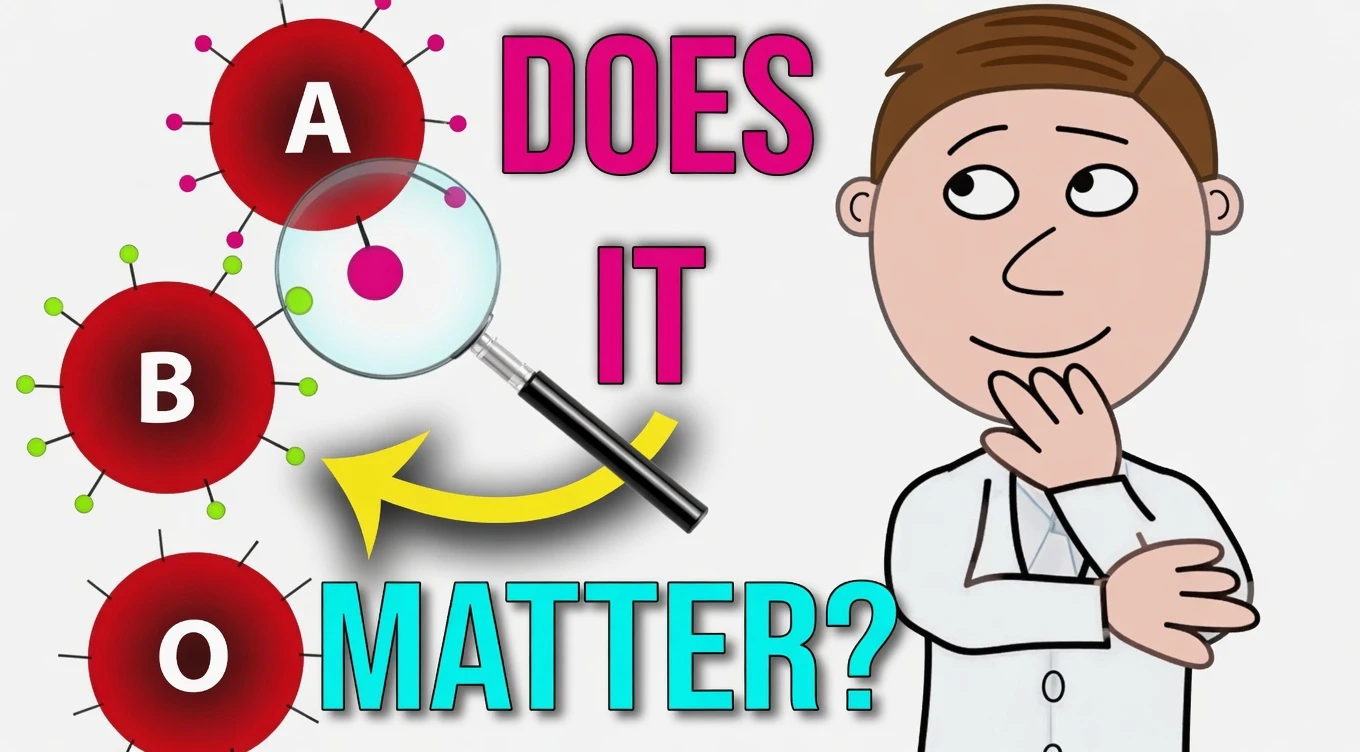
Daily Habits That Promote Healthy Aging (Regardless of Blood Type)
Blood type may offer minor context, but your everyday choices have the strongest effect on how you age. The most reliable strategies are well-supported across large bodies of research:
-
Build an antioxidant-rich diet
- Emphasize berries, leafy greens (such as spinach), nuts, and spices like turmeric or ginger
- Green tea can be a helpful addition for many people
-
Move consistently
- Aim for 150 minutes per week of moderate activity (brisk walking, swimming, cycling, yoga, resistance training)
- Long-term consistency matters more than extreme intensity
-
Protect your sleep
- Target 7–9 hours per night to support cellular repair, hormone balance, and inflammation control
-
Manage stress with intention
- Deep breathing, meditation, nature time, and enjoyable hobbies can reduce chronic stress, which is linked to oxidative damage
-
Avoid high-risk habits
- Don’t smoke
- Keep alcohol intake moderate
-
Stay current with health screenings
- Regular checkups help detect issues early—no matter your blood group
Small, repeatable improvements compound over time. Many people notice better mood and energy within weeks of adopting even one or two changes.
Summary
Based on population research, blood type may subtly relate to circulation, inflammation, and oxidative-stress resilience. Type O is often associated with slightly more favorable cardiovascular markers, while types A, B, and AB may deserve more attention to inflammation and clotting-related factors in some studies. However, these effects are generally modest and do not determine how you will age as an individual.
The strongest evidence consistently supports lifestyle fundamentals: nutrient-dense eating, regular movement, quality sleep, stress management, and preventive healthcare. Knowing your blood type can enhance awareness, but your habits shape the outcome.
Disclaimer
This article is for informational purposes only and does not provide medical advice. Blood type associations are based on observational research and do not prove causation or determine individual risk. Speak with a qualified healthcare professional for personalized guidance.
Frequently Asked Questions
Does my blood type determine how fast I age?
No. Research suggests only small associations with certain health risks. Your lifestyle, environment, and medical factors have a far greater influence on aging outcomes.
Should I change my diet based on blood type?
Most people benefit from broadly healthy, anti-inflammatory eating patterns. While blood-type diets are popular, stronger evidence supports general nutrient-rich approaches rather than strict blood-type rules.
Can knowing my blood type help prevent age-related problems?
It can provide awareness—for example, encouraging closer attention to cardiovascular health for some non-O individuals. But prevention depends most on proven behaviors like exercise, balanced nutrition, and regular screenings.