
When an Itch Won’t Quit: Why Persistent Itching Deserves Attention
A constant, stubborn itch can wear you down—especially when moisturizers, allergy pills, and “wait it out” advice don’t help. It can interrupt sleep, make work and daily routines miserable, and keep your mind stuck on one thing: scratching. While many people assume it’s simply dry skin or a mild allergy, itching that lingers for weeks may be your body’s way of pointing to something deeper that shouldn’t be ignored.
So what if that ongoing itch is more than a skin issue? Below, you’ll learn the most common (and less obvious) causes of chronic itching, the warning signs that matter most, and practical steps to calm your skin while you look for answers. You’ll also find useful questions to bring to a medical appointment.
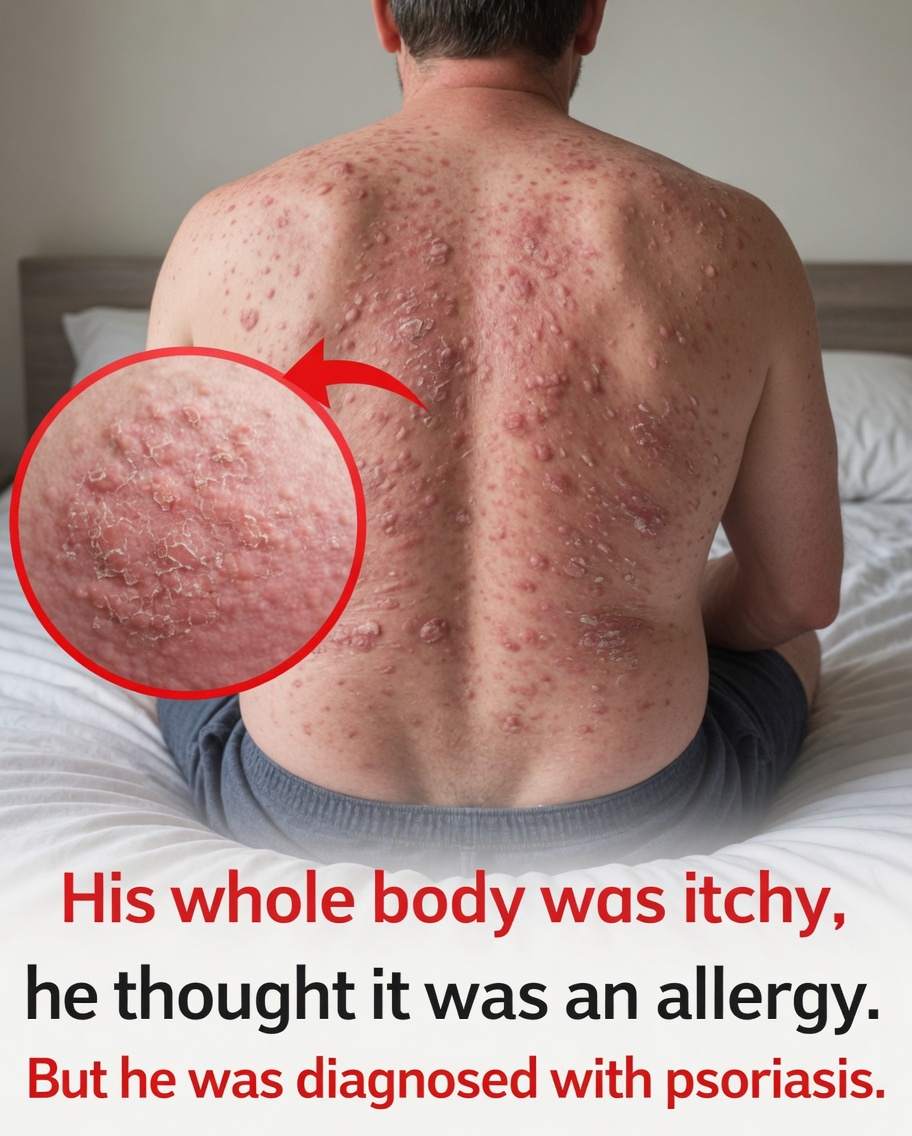
Chronic Itching (Pruritus): Not Always “Just Skin”
Itching—known medically as pruritus—is extremely common. Studies suggest that a significant portion of adults (up to around 17%) experience generalized itching at some point, and it tends to become more frequent with age. In many cases, the explanation is simple: dry weather, irritating products, or sensitive skin.
The concern rises when itching becomes chronic (lasting longer than a few weeks), especially if:
- It affects large areas or the entire body
- There’s no obvious rash
- It feels much worse at night
- It shows up alongside other changes such as fatigue or unexplained weight loss
Health authorities and medical centers such as Mayo Clinic and Harvard Health note that systemic (internal) conditions can sometimes trigger itching through inflammation, nerve-related changes, or the buildup of substances the body normally clears.
The good news: noticing patterns early often leads to clearer answers—and more manageable outcomes.
Everyday Causes vs. Signs It Might Be Something More
Most itching starts with ordinary, non-serious triggers that improve once the irritant is removed.
Common, usually non-serious triggers
- Dry skin (xerosis), especially in older adults or dry climates
- Irritant or allergic reactions (new detergent, fragrance, fabric, food, or medication)
- Minor skin irritation or healing skin
- Insect bites
When symptoms persist despite changing products, improving hydration, and moisturizing consistently, it’s worth considering broader causes—particularly if the itch is widespread and there’s no clear skin explanation.
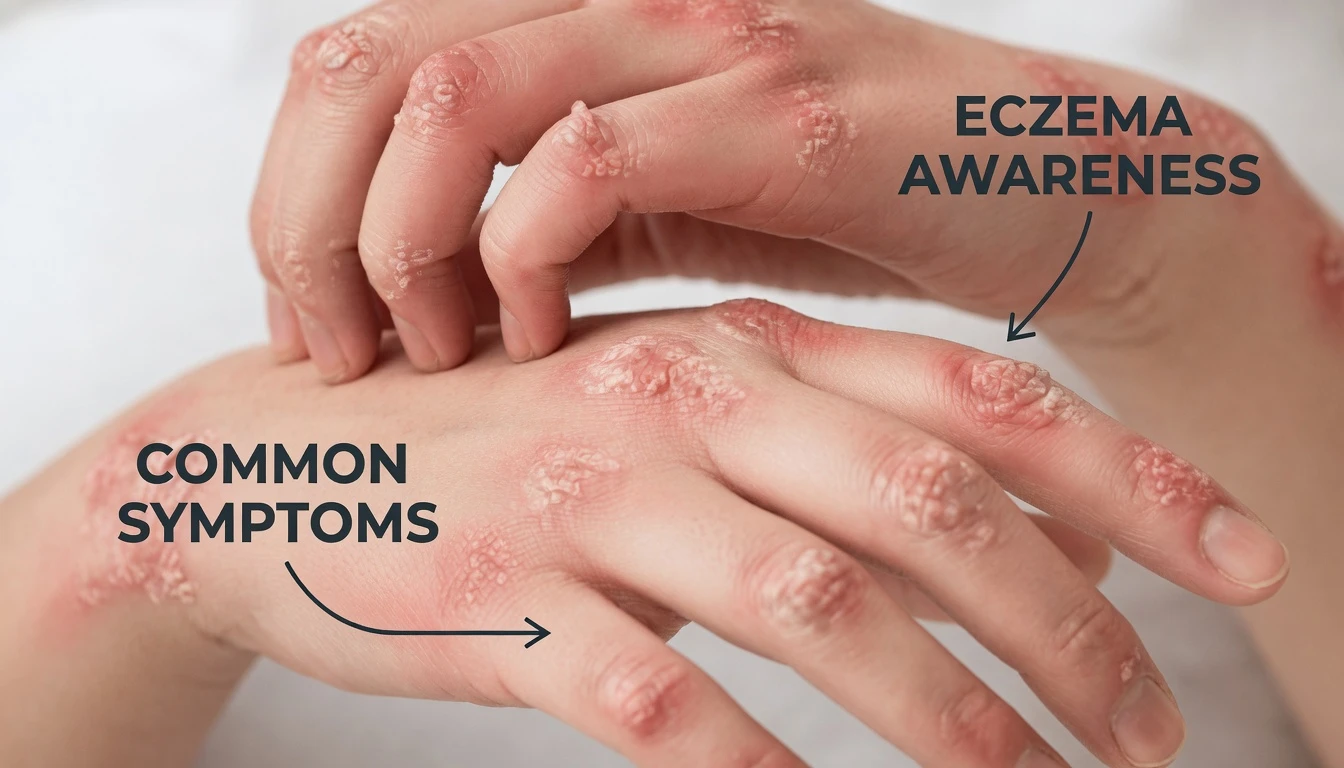
Potential Internal Health Connections Linked to Ongoing Itching
According to clinical guidance and reviews from sources such as Mayo Clinic and Cleveland Clinic, chronic itching can sometimes be associated with underlying medical conditions. These are not the most common causes, but awareness helps you seek evaluation sooner when needed.
Liver-related conditions
When the liver isn’t working well, substances such as bile acids may build up in the bloodstream, which can trigger widespread itching. Many people describe stronger itching in areas like the palms and soles.
Kidney disease
With chronic kidney disease, waste products can accumulate in the body, contributing to what’s often called uremic pruritus. The National Kidney Foundation notes this can be common in people on dialysis, though it may appear earlier depending on kidney function.
Blood sugar imbalance (diabetes or prediabetes)
Diabetes-related itching may stem from dryness, skin sensitivity, reduced circulation, or nerve changes that develop over time. Even without a dramatic rash, irritation can become persistent.
Thyroid disorders
Both hypothyroidism and hyperthyroidism may contribute to itching, often indirectly through changes in metabolism, sweating, and skin dryness.
Less common—but important—possibilities
In rarer situations, persistent generalized itching has been linked to:
- Certain blood disorders
- Specific cancers (including lymphoma), as discussed by cancer centers such as MD Anderson
- Parasitic infestations (for example, scabies), which can be intensely itchy and stubborn
Key point: itching alone rarely identifies one exact condition. What matters most is the duration, distribution, and whether other symptoms are present.
Red Flags: When It’s Time to Get Checked
Medical guidance from trusted clinical sources suggests seeking professional evaluation if any of the following apply:
- Itching lasts more than 2 weeks despite home care
- It’s generalized (not limited to one small area)
- It becomes severe at night and disrupts sleep
- You notice unexplained weight loss, fatigue, fever, or night sweats
- There’s no visible rash or obvious trigger
Starting with a primary care clinician or dermatologist is often the best path. They may recommend basic lab work to assess organ function, thyroid health, and blood sugar—simple steps that can provide major clarity.

What You Can Do Right Now to Reduce Itching
These practical, evidence-based strategies can help decrease discomfort while you monitor symptoms or wait for a medical appointment:
- Moisturize strategically: Apply a thick, fragrance-free cream immediately after bathing to seal in moisture.
- Switch to gentle cleansing: Use mild, soap-free cleansers and avoid heavily scented products.
- Avoid hot water: Hot showers strip natural oils and can intensify itching—choose lukewarm water instead.
- Use cooling relief: Cool compresses or lukewarm oatmeal baths can calm irritated skin quickly.
- Track patterns: Record when itching is worst (nighttime, after meals, after medications, after travel) and note any changes in energy, appetite, or weight.
- Support your skin from within: Stay hydrated and aim for balanced meals to support overall skin function.
These steps won’t correct an underlying medical issue if one exists, but they often reduce intensity and help you gather useful information for your doctor.
Quick Self-Check: Everyday Itch vs. Possible Concern
Use this simple comparison to evaluate what you’re experiencing:
- Duration: days vs. weeks or longer
- Trigger: obvious (new detergent, cold weather) vs. no clear cause
- Location: localized vs. whole-body
- Other symptoms: none vs. fatigue, weight changes, fever, night sweats
- Response to basics: improves fast vs. little to no relief
What to Expect at a Doctor’s Appointment
A typical evaluation for persistent itching may include:
- A detailed symptom history (timing, exposures, medications, recent travel, diet changes)
- A physical and skin examination
- Blood tests to assess liver and kidney function, blood sugar, and thyroid levels
- Specialist referral when appropriate (for example, endocrinology, hepatology, nephrology)
Many cases still turn out to be manageable skin-related problems, but ruling out systemic causes can bring reassurance—or lead to targeted treatment sooner.
Final Thoughts: Take Persistent Itching Seriously
Living with ongoing itching is exhausting, isolating, and distracting. While the cause is often benign, persistent symptoms—especially when widespread or paired with other changes—are worth a professional evaluation. Listening to your body, tracking patterns, and acting early can make the path to relief much shorter.
Frequently Asked Questions
How long should itching last before I see a doctor?
If itching continues for more than two weeks without improvement—or sooner if it’s severe, widespread, or paired with other symptoms—schedule a medical evaluation.
Can stress make itching worse?
Yes. Stress can increase skin sensitivity and intensify the itch-scratch cycle, where scratching inflames skin and leads to even more itching.
Is itching at night normal?
Mild nighttime itching can happen due to temperature changes and fewer distractions. However, intense nighttime itching, especially when persistent, is a reason to get checked.
Disclaimer
This article is for informational purposes only and is not a substitute for professional medical advice. Always consult a qualified healthcare provider for personalized diagnosis and treatment. Do not delay seeking medical care based on this content.