
Ginger Side Effects: Benefits, Risks, and How to Use It Safely
Ginger is a popular natural remedy for occasional indigestion, nausea, and day-to-day inflammation support. Many people enjoy it in tea, cooking, or supplements thanks to its warming, spicy flavor. However, taking larger amounts—especially in concentrated forms—can sometimes cause unwanted reactions, from mild stomach irritation to potential interactions with certain medications or health conditions.
The good news is that ginger is typically safe for most people when used thoughtfully. Understanding possible side effects and knowing when to be cautious can help you get the benefits while avoiding surprises.

Common Ginger Side Effects in Everyday Use
Ginger’s signature “kick” comes largely from compounds like gingerol, which are also linked to its digestive-support properties. In typical food portions or an occasional cup of ginger tea, most healthy adults tolerate it well.
That said, information summarized by sources such as WebMD and the National Center for Complementary and Integrative Health (NCCIH) suggests that higher intakes may lead to noticeable—usually mild—side effects, including:
- Heartburn or a burning feeling in the chest
- Stomach discomfort, cramping, or bloating
- Loose stools or diarrhea
- Mouth and throat irritation, especially with strong ginger preparations
These effects are more likely when intake rises above roughly 5 grams per day and often improve after reducing the dose. If your stomach is sensitive, it’s best to start with a small amount and increase gradually.
Ginger and Bleeding Risk: A Key Concern for Some People
One of the most discussed safety questions is whether ginger can affect blood clotting. Certain ginger compounds may mildly influence platelet activity, which could increase bleeding risk in specific scenarios.
This matters most if ginger is combined with blood-thinning medications, such as:
- Warfarin
- Aspirin
- Other anticoagulants or antiplatelet drugs
In these situations, some people may notice easier bruising or longer bleeding times, and case reports have documented changes in clotting markers requiring medical review.
If you have a bleeding disorder or an upcoming procedure, many clinicians recommend stopping high-dose ginger supplements about 1–2 weeks before surgery. Normal culinary use (for example, a small amount in a meal or tea) is generally considered much lower risk.
A simple rule: if you take any blood thinner, talk with a healthcare professional before using ginger supplements or high daily doses.

Gallbladder Issues: When More Ginger May Not Be Better
Ginger can stimulate bile flow, which can support fat digestion for many people. But if you have gallstones or known gallbladder disease, increased bile activity may aggravate discomfort in some cases.
If gallbladder health is a concern for you:
- Prefer small culinary amounts over concentrated supplements
- Consider professional guidance before using higher doses
Ginger During Pregnancy and Breastfeeding
Ginger is commonly used for nausea, and limited research suggests that low doses may be tolerated during pregnancy. Short-term use of up to about 1 gram per day has not shown clear links to major complications in many studies.
However, larger doses raise more uncertainty, especially near delivery or in people with individual risk factors. Evidence for ginger use during breastfeeding is still limited, so moderation is important.
If you are pregnant or nursing, the safest approach is to use ginger only with provider guidance, especially if considering supplements.
Ginger, Blood Sugar, and Diabetes Medications
Some studies suggest ginger may support healthy blood sugar and insulin sensitivity. While that can be beneficial, it also means extra caution if you take medications that already lower glucose, such as:
- Insulin
- Metformin
- Other diabetes drugs
Combining ginger (particularly in supplement form) with these medications could increase the chance of hypoglycemia (low blood sugar). If you want to use ginger regularly, monitoring and personalized medical advice can help keep things safe.
Blood Pressure and Possible Medication Interactions
Ginger may slightly reduce blood pressure in some people. For anyone taking antihypertensive drugs or certain heart medications, this may add to the medication’s effect and potentially lead to symptoms such as:
- Lightheadedness
- Dizziness
- Feeling unusually weak
If you use blood pressure or heart rhythm medications, pay attention to how you feel and check in with a clinician if you plan to add ginger supplements or higher daily doses.
Safe Ginger Dosage: Practical Guidelines
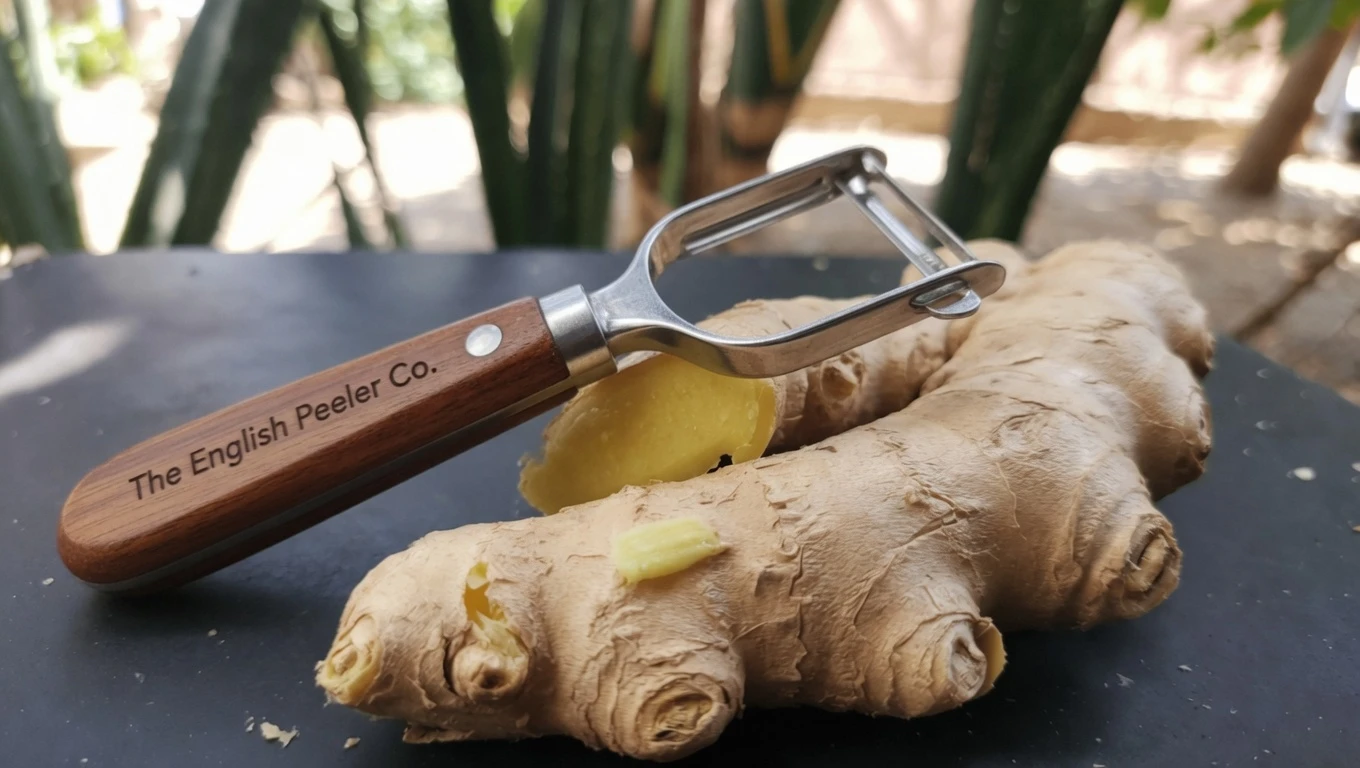
Many reputable sources, including WebMD and NCCIH, commonly cite 3–4 grams per day as a reasonable upper range for healthy adults, depending on the form used. This is roughly comparable to about 1–2 teaspoons of freshly grated ginger.
A simple way to think about intake:
- Food and tea: ~1–2 grams/day (typically low risk for most people)
- Supplements for targeted use: ~1–4 grams/day (moderate; watch for side effects)
- High intake: >5–6 grams/day (greater likelihood of digestive side effects and interactions)
Pregnancy: commonly referenced guidance is ≤1 gram/day, only with provider approval.
If you’re new to ginger, start with a small amount (for example, ¼–½ teaspoon of fresh ginger) and adjust based on your response.
Who Should Be Extra Careful with Ginger?
- Most healthy adults: Moderate intake (up to ~3–4 g/day) is usually well-tolerated
- Pregnant individuals: Keep it low (≤1 g/day) and consult a provider
- People on blood thinners: Higher risk of interaction; seek medical guidance
- Those with gallbladder disease or gallstones: Avoid high doses; consider smaller food amounts
- People managing diabetes: Monitor glucose closely if using ginger with medication
- Those on blood pressure medications: Be alert for additive lowering effects
How to Use Ginger More Mindfully (Without Overdoing It)
- Choose fresh or culinary forms first: Cooking and tea are often gentler than concentrated capsules
- Start small and build slowly: Let tolerance guide you
- Track your total intake: Especially if you combine food use with supplements
- Plan around procedures: Avoid high-dose supplements before surgery unless cleared by your clinician
- Watch for interactions: If you take prescription medications, confirm safety with a healthcare professional
Alternatives If Ginger Doesn’t Work for You
If ginger causes side effects or doesn’t fit your health situation, these options may feel milder:
- Peppermint tea for digestive comfort
- Chamomile or lemon infusions for gentle soothing support
- Turmeric for similar wellness goals (with its own precautions and interactions)
Conclusion: Enjoy Ginger Safely and Confidently
Ginger can be a valuable, time-tested addition to meals and wellness routines. Most people can use it without problems by staying within sensible amounts, paying attention to personal risk factors, and being aware of medication interactions—especially with blood thinners, diabetes drugs, and blood pressure medications.
This article is for informational purposes only and does not replace professional medical advice. Speak with a qualified healthcare provider before changing your diet or supplement routine, particularly if you have a medical condition or take medications.
FAQ
How much ginger is safe per day for most adults?
Many experts and health references suggest up to 3–4 grams per day from food and/or supplements is generally well-tolerated for healthy adults.
Can ginger be a problem if I take blood thinners?
It may increase bleeding risk or enhance blood-thinning effects in some people. If you use anticoagulants or antiplatelet medications, consult your clinician before using ginger supplements or higher daily amounts.
Is ginger safe during pregnancy for nausea?
Low doses (often cited as up to 1 gram per day) may be acceptable for many people for short periods, but pregnancy needs are individual—check with your healthcare provider first.