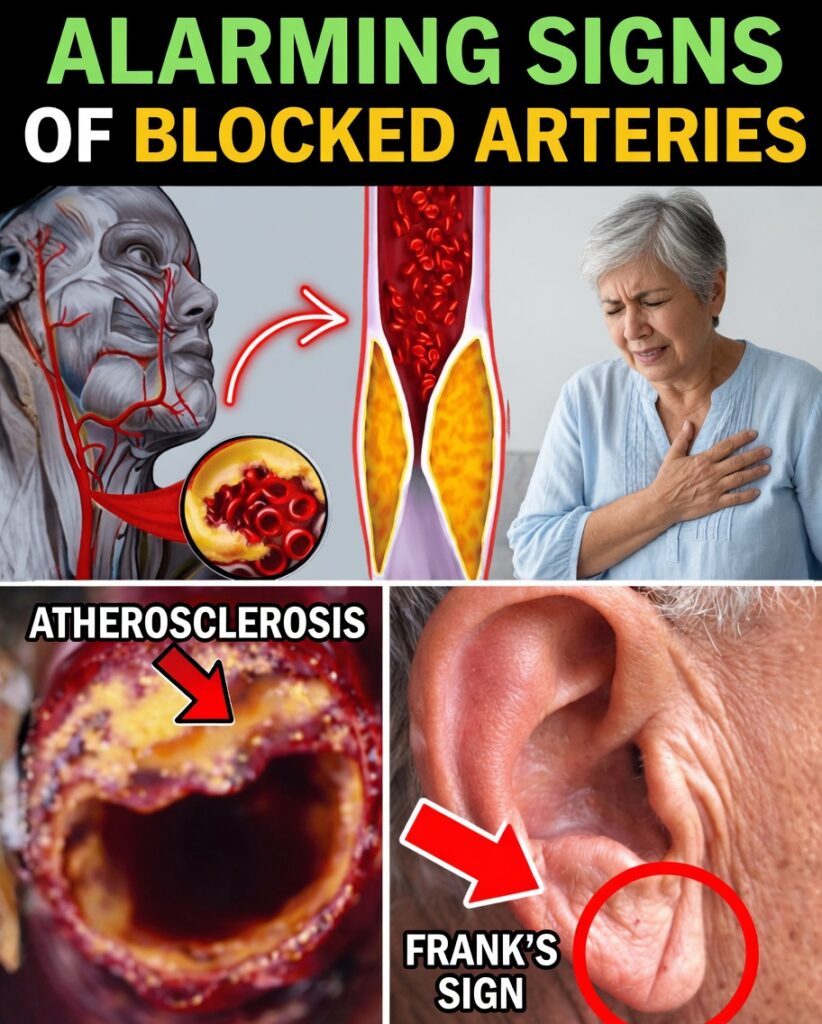
Cardiovascular disease is still among the top causes of death in the United States, taking hundreds of thousands of lives every year. What makes it especially dangerous is how often it advances quietly—sometimes for years—before a major event occurs. Many adults over 40 brush off small changes such as persistent low energy, mild discomfort during exertion, or occasional leg aches as “normal aging” or stress. Over time, these seemingly minor issues can steadily reduce your stamina and enjoyment of daily life.
The encouraging news: noticing early, low-key warning signs—and responding with heart-supportive habits—can help protect circulation and long-term cardiovascular health.
What This Article Covers
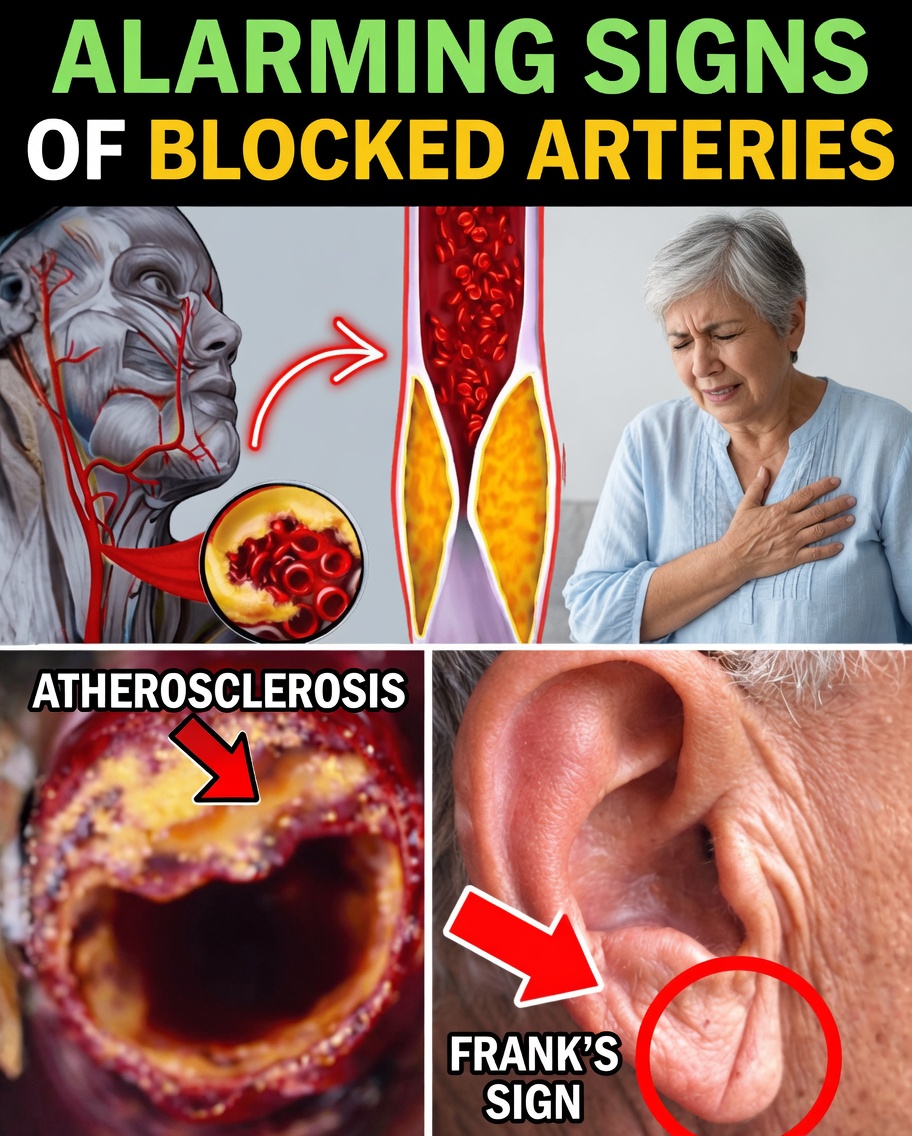
Below are 9 subtle signs that may be associated with reduced blood flow caused by artery narrowing (atherosclerosis). Recognizing these patterns can help you take proactive action. Stay through the end for practical lifestyle strategies supported by common clinical guidance and research-based recommendations to support healthy circulation.
Why Atherosclerosis Symptoms Are Easy to Miss
Atherosclerosis typically develops gradually as plaque builds up inside artery walls. As arteries narrow and stiffen, less oxygen-rich blood reaches tissues and organs. Major organizations such as the Mayo Clinic and the American Heart Association note that this process can remain “silent” for a long time because the body initially compensates.
Symptoms often appear only when your body demands more oxygen—during physical activity, stress, or illness. Because of that, many people assume the issue is simply:
- Being “out of shape”
- A busy schedule and poor sleep
- Normal aging
Early awareness matters because it creates an opportunity to adopt routines that support cardiovascular wellness before problems become severe.
Symptoms People Commonly Explain Away (And What They Might Indicate)
Many early warning signs overlap with everyday complaints, which is why they’re so often dismissed. Here’s how that can look:
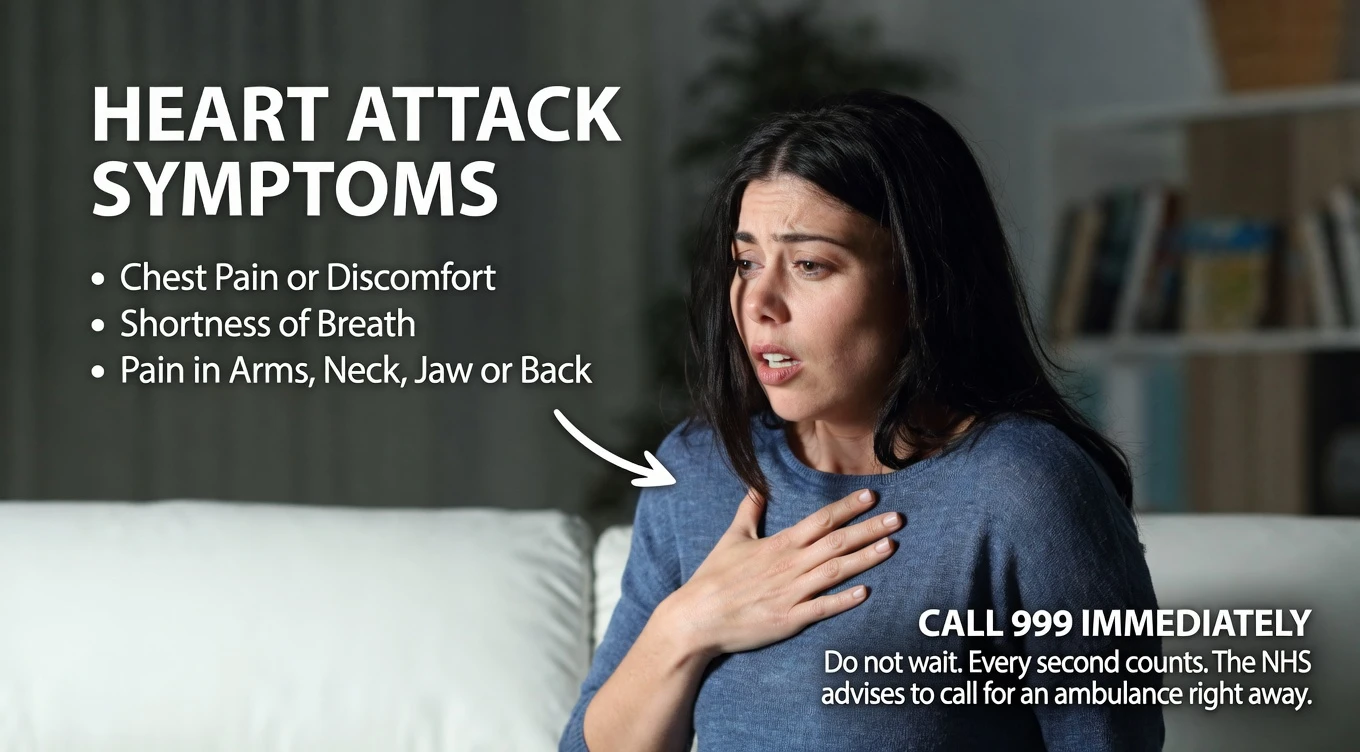
- Chest discomfort — often blamed on indigestion or stress → may be connected to reduced blood flow to the heart during exertion
- Shortness of breath — frequently attributed to low fitness → could reflect an oxygen supply-and-demand mismatch
- Persistent fatigue — chalked up to aging or overwork → may relate to reduced oxygen and nutrient delivery
- Leg pain during walking — assumed to be muscle strain → can be linked to peripheral artery narrowing
- Unexplained sweating or nausea — sometimes mistaken for anxiety → may be part of the body’s stress response to strain
These overlaps are exactly why pattern recognition is so important. Next, let’s break down each sign more clearly.
Sign #1: Chest Pressure or Discomfort During Exertion
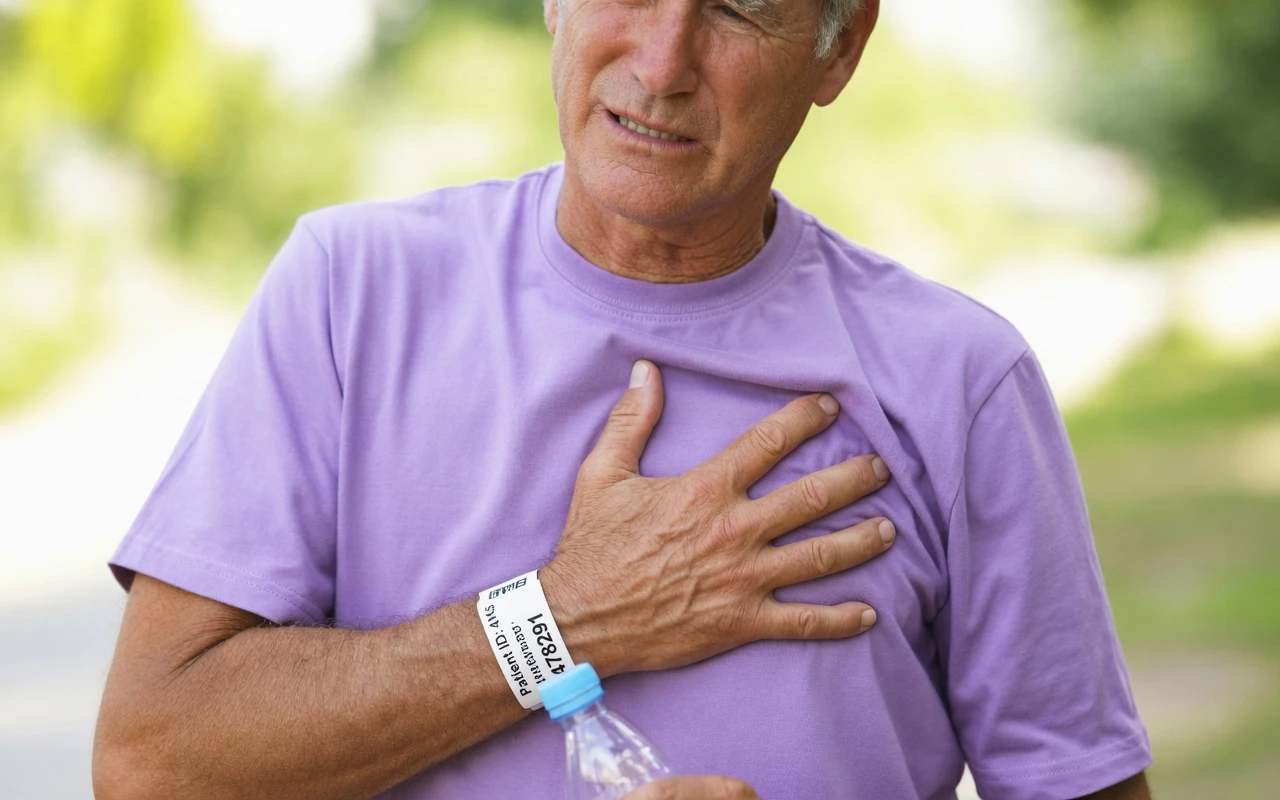
A sensation of tightness, squeezing, heaviness, or pressure in the chest that shows up during activity and improves with rest is a classic pattern. Research commonly describes this as angina, which can occur when narrowed coronary arteries can’t deliver enough oxygenated blood to meet the heart’s increased workload.
Many people first notice it during everyday moments like:
- Walking faster than usual
- Climbing stairs
- Carrying bags or groceries
If you notice this pattern, tracking when it happens (what you were doing, how long it lasted, and what relieved it) can be useful information to share with a healthcare professional.
Sign #2: Getting Winded With Light Activity
Feeling unusually short of breath during tasks that used to be easy—such as walking uphill, doing light chores, or carrying a small load—may suggest that the heart and lungs are working harder because circulation is less efficient.
Health authorities explain that when oxygen delivery drops, the body may compensate by increasing breathing rate and effort.
A helpful checkpoint: Is this becoming more frequent over time, or taking longer to recover from than it used to?
Sign #3: Persistent Fatigue That Doesn’t Improve With Rest
Ongoing, heavy fatigue—especially when sleep doesn’t help—can sometimes occur when tissues aren’t receiving enough oxygen and nutrients. With chronically reduced circulation, the body may redirect resources toward essential organs, leaving you feeling drained.
Many people report gradual improvement in energy when they consistently support cardiovascular health with:
- Regular movement (even gentle activity)
- Nutrient-dense meals
- Better stress management
Sign #4: Leg Pain or Cramping While Walking (That Stops With Rest)
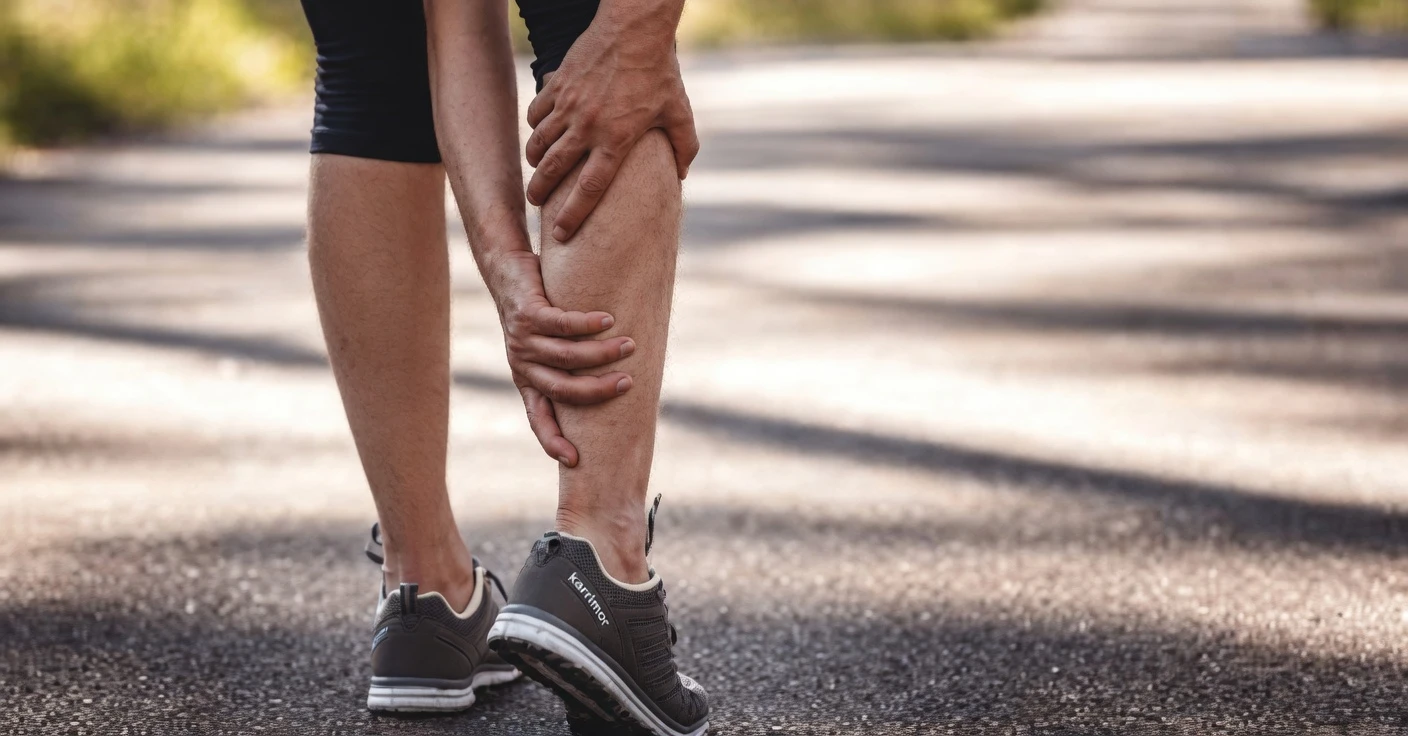
Cramping, aching, or tightness in the calves, thighs, or buttocks that appears during walking and eases when you stop is often associated with claudication, a hallmark feature of peripheral artery disease (PAD).
Clinical resources frequently describe this as a mismatch between what leg muscles need during movement and what narrowed leg arteries can deliver.
Some individuals find they can walk farther over time after building a steady routine of low-impact activity, as tolerated.
Sign #5: Unexplained Nausea or Cold Sweats
Episodes of nausea, clamminess, or cold sweating—particularly when there is no obvious trigger—can occur as part of the body’s automatic stress response. Cardiovascular literature documents these “autonomic” reactions, especially when the heart is under strain.
Because these symptoms can also come from many non-cardiac causes, it’s especially important to consider them in combination with other signs on this list.
Sign #6: Palpitations or Irregular Heartbeats
A feeling of fluttering, pounding, racing, or skipped beats may occur when the heart is compensating by working harder. Palpitations can have multiple explanations (including caffeine, stress, medications, or rhythm conditions), but they are worth noting—particularly if they appear alongside fatigue, chest discomfort, or breathlessness.
Sign #7: Consistently High Blood Pressure Readings
Persistently elevated blood pressure can reflect stiffer, narrower arteries, which makes the heart pump with more force to circulate blood. Monitoring at home can help reveal patterns that one-time readings might miss.
If you track blood pressure, look for:
- Repeated high readings over days or weeks
- A steady upward trend
- Large spikes associated with stress or inactivity
Sign #8: Swelling in the Legs, Ankles, or Feet
Swelling (edema), especially later in the day, may happen when circulation and fluid balance are affected, allowing fluid to pool—often worsened by gravity.
While swelling can have many causes, ongoing or worsening edema is a meaningful sign to discuss with a clinician, particularly if it appears with shortness of breath or fatigue.
Sign #9: Cold Hands or Feet, or Noticeable Color Changes
Hands and feet that feel unusually cold—or appear pale or bluish—may suggest reduced peripheral circulation. When blood flow is limited, the body tends to prioritize core organs, sometimes leaving extremities with less warmth and color.
This can be more noticeable in cooler environments, but persistent symptoms deserve attention.
Practical Lifestyle Steps That Support Heart and Circulation Health
Small, consistent actions often have the greatest long-term impact. Here’s an easy, staged approach based on widely used health guidance:
-
Weeks 1–2: Build the foundation
- Add more vegetables to meals
- Aim for 20–30 minutes of walking daily (as tolerated)
Many people notice subtle improvements in energy and mood.
-
Weeks 3–4: Add stress-lowering practices
- Try deep breathing, stretching, or brief mindfulness sessions
- Prioritize sleep consistency
These habits can support healthier blood pressure and recovery.
-
Week 5 and beyond: Strengthen consistency
- Emphasize whole foods and adequate hydration
- Reduce long sitting periods with frequent movement breaks
- Keep routine monitoring (blood pressure, symptoms, walking tolerance)
Supportive Habits vs. Higher-Risk Patterns
Lean into these heart-supportive habits:
- Eat more leafy greens, berries, nuts, and fatty fish (commonly associated with heart-friendly nutrients)
- Move regularly: aim for moderate activity most days
- Stay hydrated and actively manage stress
Limit behaviors that strain circulation:
- Excess ultra-processed foods and high-sodium patterns
- Long uninterrupted sitting
- Smoking
Extra ideas many people find practical:
- Add cruciferous vegetables like broccoli for antioxidant support
- Use brisk walking (when safe and appropriate) to encourage healthy circulation
Final Takeaway: Listen Early, Act Small, Stay Consistent
Subtle symptoms are often your body’s quiet request for attention. By noticing patterns and making supportive changes—more movement, improved nutrition, and regular check-ins—you can strengthen your path toward better circulation, greater energy, and more confidence in your long-term health.
Even one small change today can be a meaningful start.
Frequently Asked Questions
What are the earliest signs of artery narrowing?
Early signs can include fatigue, mild shortness of breath with activity, and leg discomfort while walking. Because they can feel “normal,” they’re easy to overlook—but worth monitoring.
Can lifestyle changes really improve circulation?
Yes. Research consistently links regular physical activity, a heart-healthy eating pattern, and stress management with better vascular function and overall cardiovascular health.
When should I see a doctor about these symptoms?
Seek medical evaluation promptly if symptoms are persistent, worsening, or concerning, especially chest discomfort, significant breathlessness, faintness, or leg pain that limits walking. A clinician can evaluate your risk factors and recommend appropriate testing.
Medical Disclaimer
This article is for informational purposes only and does not replace professional medical advice, diagnosis, or treatment. If you have health concerns or symptoms, consult a qualified healthcare provider.