Many people become more concerned about cancer risk as they get older—especially after routine screenings show unexpected changes or when family history raises questions. A growing body of research suggests that everyday habits, including diet, can meaningfully influence long-term health. The American Cancer Society estimates that roughly 40% of cancer cases in the U.S. are associated with modifiable factors such as diet, excess body weight, physical inactivity, and alcohol intake. What you eat can affect inflammation, insulin regulation, and metabolic health, all of which are linked to cancer risk in population studies.
Fortunately, you don’t need an extreme diet to make progress. Small, realistic adjustments can reduce exposure to dietary patterns tied to higher risk. Below are five common foods (or food categories) that research frequently associates with increased cancer risk when eaten often and in large amounts—plus practical, evidence-informed alternatives. At the end, you’ll also find a simple timing strategy that some people use to complement these swaps.
How Diet Can Influence Cancer Risk
Modern dietary patterns often lean heavily on ultra-processed foods, typically high in added sugars, refined carbohydrates, and certain industrial fats. Over time, these patterns can contribute to:
- Chronic, low-grade inflammation
- Elevated insulin and blood sugar swings
- Weight gain and metabolic dysfunction
These factors are repeatedly associated with higher cancer risk in observational research. Organizations such as the World Health Organization (WHO) and the International Agency for Research on Cancer (IARC) also evaluate evidence and classify certain exposures as carcinogenic or probably carcinogenic.
The encouraging takeaway: emphasizing whole, nutrient-dense foods and cutting back on the categories below may help lower risk over the long run.
1. Processed Meats
Processed meats include bacon, sausages, ham, hot dogs, and deli meats. They are preserved through curing, smoking, salting, or chemical preservatives such as nitrates/nitrites. The IARC classifies processed meat as a Group 1 carcinogen, meaning there is convincing evidence linking it to cancer—especially colorectal cancer.
Research often cites that consuming about 50 grams daily (roughly one hot dog or a couple slices of bacon) is associated with an approximately 16–18% higher colorectal cancer risk. One proposed mechanism involves compounds formed during processing (and sometimes cooking), such as nitrosamines, which may damage DNA in the digestive tract.

Better options to try
- Choose fresh, minimally processed proteins: grilled chicken or turkey, eggs, or fish (e.g., salmon)
- Add plant proteins: beans, lentils, chickpeas, tofu, or tempeh
- If you eat processed meats occasionally, keep portions small and balance the meal with fiber-rich vegetables
2. Industrial Seed Oils (High Omega-6 Intake)
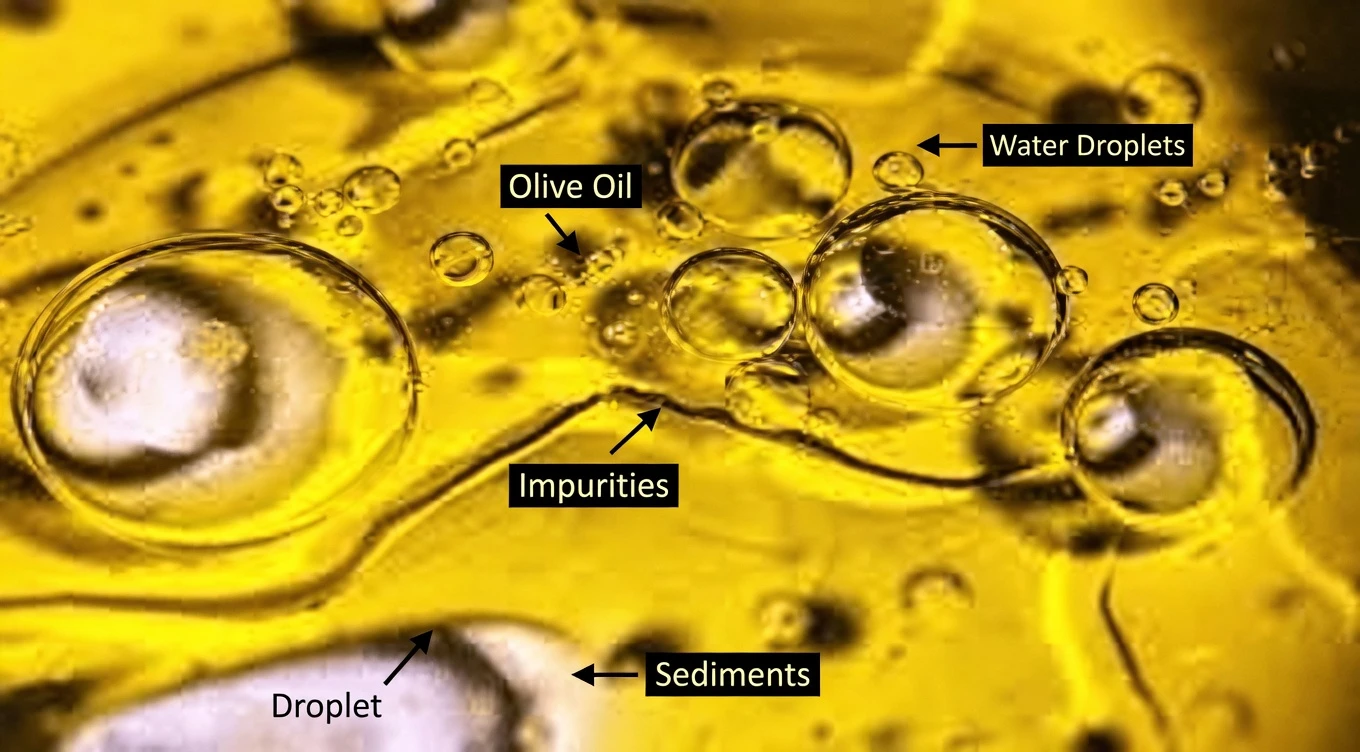
Common oils used in packaged foods and restaurant frying—such as soybean, corn, sunflower, and canola oil—are high in omega-6 fatty acids. Omega-6 fats are essential in small amounts, but many modern diets provide them in excessive quantities, often alongside low omega-3 intake. This imbalance may influence inflammatory pathways, particularly when these oils dominate the diet through fried and ultra-processed foods.
The evidence is not uniform across all studies, and omega-6 fats are not automatically harmful in isolation. However, some research links ultra-processed dietary patterns high in these oils to higher inflammatory markers and potential associations with certain cancers (including colorectal cancer), especially when combined with other processed-food factors.
Better options to try
- Use extra-virgin olive oil for dressings and low-to-medium heat cooking
- Consider avocado oil for higher-heat cooking
- Use butter or ghee in moderation if it fits your dietary needs
- Improve fat balance by adding omega-3 sources: fatty fish, walnuts, chia seeds, flaxseeds
3. Added Sugars and Sugary Drinks
Sugary drinks and high-sugar foods—such as soda, sweetened coffees, desserts, and many flavored yogurts—can rapidly increase blood glucose and insulin. Sugar does not “feed cancer” in the simplistic way internet myths claim, but excess sugar intake can promote weight gain and insulin resistance, both recognized risk factors for cancers such as breast, colorectal, and pancreatic.
Large population studies repeatedly associate high intake of sugar-sweetened beverages with weight gain and poorer metabolic health, which can indirectly raise cancer risk over time.
Better options to try
- Replace sugary drinks with water, sparkling water with citrus, unsweetened tea, or herbal infusions
- If you need sweetness, consider stevia or monk fruit in small amounts
- Choose whole fruit (berries, apples, oranges) to satisfy cravings while also getting fiber and micronutrients
- Check labels and keep added sugars below 10% of daily calories, consistent with common dietary guidance
4. Refined Carbohydrates and High-Glycemic Staples
Foods like white bread, regular pasta, pastries, many breakfast cereals, bagels, and baked goods digest quickly and can trigger sharp rises in blood sugar. Diets high in refined carbohydrates are frequently associated with higher insulin demand, less stable energy, and difficulty with weight management. Observational research also links high-glycemic dietary patterns with increased risk for certain cancers, including colorectal cancer.
A key improvement is replacing refined grains with fiber-rich carbohydrates, which support gut health and steadier glucose control.
Better options to try
- Choose whole grains: oats, quinoa, brown rice, barley
- Use higher-fiber alternatives: beans, lentils, sweet potatoes
- Try lower-starch swaps: cauliflower rice, zucchini noodles
- Select breads and cereals with whole grains and higher fiber as the first ingredients
5. Fried Foods and Highly Processed Snacks
Foods such as French fries, chips, donuts, and many fast-food items are often cooked at high temperatures, frequently in reused industrial oils. High-heat cooking and heavy processing can increase exposure to compounds such as:
- Acrylamide (notably in some fried or baked starchy foods)
- Advanced glycation end-products (AGEs)
These compounds may contribute to inflammation and oxidative stress over time. Separately, large studies also associate high intake of ultra-processed foods with higher cancer risk, potentially due to a mix of factors: poor nutrient density, high calorie load, additives, and displacement of protective whole foods.

Better options to try
- Cook with methods like baking, steaming, grilling, or air-frying
- Make snack swaps: nuts, Greek yogurt (unsweetened), fruit, hummus with vegetables
- Build meals around vegetables, quality protein, and healthy fats to reduce reliance on packaged foods
Quick Swap Table (Everyday Reference)
- Processed meats → Associated with colorectal cancer (IARC Group 1) → Fresh poultry, eggs, fish, beans → Use in breakfast, salads, wraps
- Industrial seed oils (high omega-6) → May contribute to inflammation in ultra-processed diets → Extra-virgin olive oil, avocado oil → Cooking and dressings
- Sugary drinks / high added sugar → Promotes obesity and insulin resistance → Water, sparkling water, unsweetened tea → Daily hydration
- Refined carbohydrates → Blood sugar spikes and higher insulin demand → Oats, quinoa, brown rice, legumes → Bases and side dishes
- Fried/highly processed snacks → Acrylamide/AGE exposure and ultra-processed diet patterns → Baked/air-fried whole foods, nuts, fruit → Snacks and sides
A Simple Timing Strategy to Pair with These Changes
Some people find it easier to improve food quality when they also adopt time-restricted eating, such as a 16:8 approach (eating within an 8-hour window like 12 p.m. to 8 p.m.). This pattern may help reduce average insulin exposure and support metabolic health. Research on intermittent fasting is ongoing, and while early findings are promising in some areas, more high-quality human studies are still needed—especially regarding cancer prevention.
If you want to try it:
- Start gradually (e.g., 12:12, then 14:10)
- Prioritize nutrient-dense meals during your eating window
- Speak with a clinician first if you have medical conditions, are pregnant, have a history of disordered eating, or take medications
What You Can Do Starting Today
- Choose one category to reduce this week (not all five at once)
- Stock your kitchen with simple replacements
- Notice changes in energy, cravings, and digestion
- Support diet changes with proven lifestyle habits: regular activity, healthy weight maintenance, and appropriate screening
FAQ
1. If I cut these foods, will my cancer risk definitely drop?
No single dietary change guarantees prevention. However, evidence supports that reducing these foods—while emphasizing whole foods and healthy lifestyle habits—may meaningfully contribute to lower risk.
2. Are all oils unhealthy?
No. The focus is on type, amount, and context. Oils such as extra-virgin olive oil and avocado oil are generally supported by strong health data when used appropriately.
3. Can I still have treats sometimes?
Yes. Long-term success usually comes from consistency, not perfection. Occasional indulgences are compatible with a healthy overall pattern.
This article is for informational purposes only and is not a substitute for professional medical advice. Always consult a qualified healthcare provider before making dietary changes, particularly if you have a medical condition, are undergoing treatment, or take prescription medications. Individual results may vary.