Many people add garlic to everyday meals assuming they’re getting all of its health-supporting power. In reality, small kitchen habits can dramatically reduce how much of garlic’s key compounds—especially allicin—your body can benefit from. Research indicates that allicin is created when garlic is crushed or chopped, yet it can break down quickly due to high heat, excess air exposure, improper storage, or heavy processing. As a result, you may be getting less support for immune function, cardiovascular wellness, and antioxidant activity than you think.
The encouraging part is that you don’t need supplements or complicated routines. With a few science-backed adjustments to how you choose, prepare, cook, and store garlic, you can preserve more of its beneficial sulfur compounds. This guide highlights the most common mistakes and the practical fixes that help you get more out of this staple ingredient.
Why Garlic Preparation Changes Its Benefits
Garlic naturally contains alliin. When you cut, crush, or mince garlic, its cell walls rupture, allowing an enzyme called alliinase to convert alliin into allicin. Studies connect allicin and other organosulfur compounds with garlic’s role in supporting heart health and immune response.
However, allicin is also highly unstable. It can degrade when:
- exposed to high temperatures
- left in the open air too long
- stored in damp or unsuitable conditions
- processed into shelf-stable products
That’s why fresh garlic, prepared correctly, generally provides a stronger profile of bioactive compounds than many processed options.
Mistake #1: Depending on Jarred or Pre-Minced Garlic
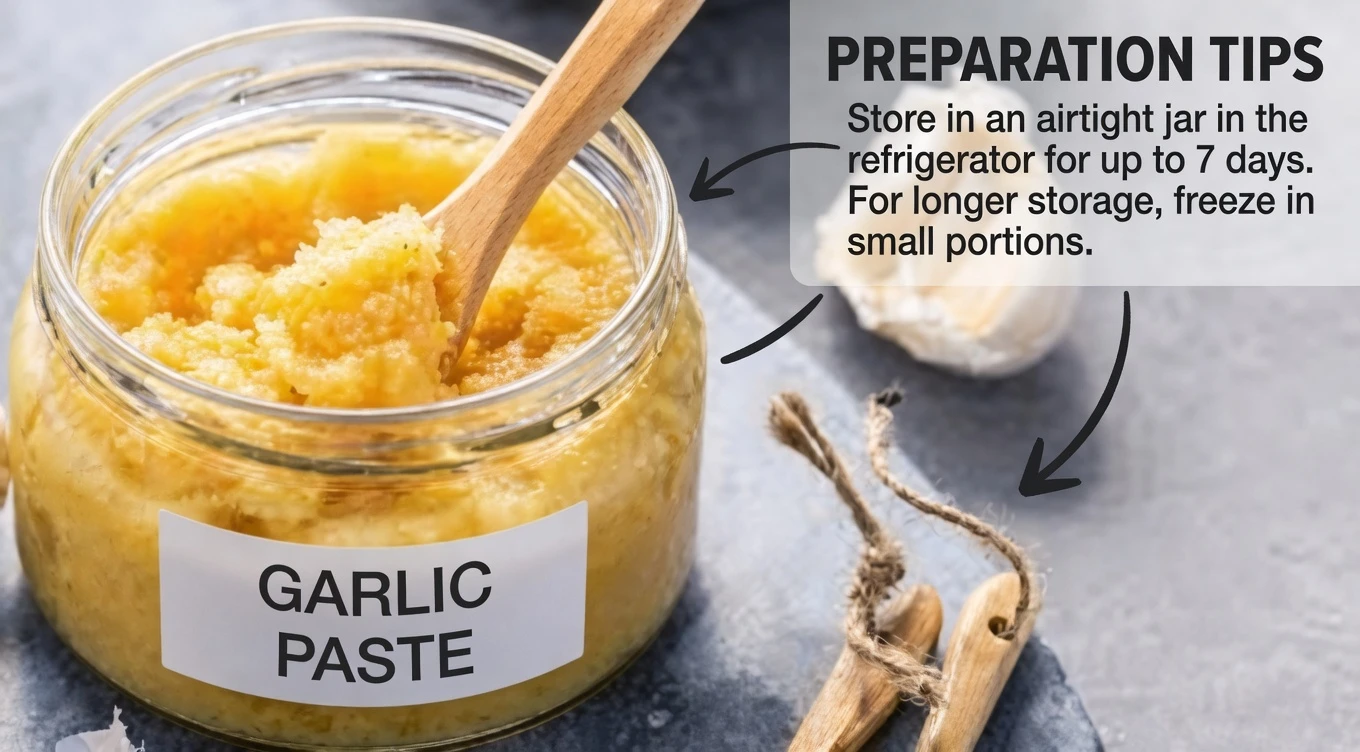
Pre-minced garlic in jars is convenient, but it’s typically treated with heat (pasteurization) and stabilizers that can significantly reduce allicin-related potential. Research on garlic processing shows that fresh garlic retains more of the important organosulfur compounds than many ready-to-use products.
Better approach
- Choose fresh, firm bulbs with tight, papery skins.
- If possible, select bulbs with a slight purple hue, often associated with robust sulfur compound profiles.
- Peel and prepare cloves right before use for best results.
Mistake #2: Cooking Garlic at the Start on High Heat
Dropping garlic into hot oil at the beginning of cooking can destroy its advantages quickly. High heat can inactivate alliinase (the enzyme needed to form allicin) and also break down allicin that has already formed—sometimes within seconds at sufficiently high temperatures.
Better approach
- Add garlic near the end of cooking, ideally in the final 1–2 minutes.
- Use lower heat to protect flavor and preserve more beneficial compounds.
Mistake #3: Not Letting Garlic Rest After Crushing
If you chop garlic and immediately cook it, you reduce the time needed for the alliin-to-allicin reaction. Many sources suggest a short rest period—often around 10–15 minutes at room temperature—to support fuller allicin formation before heat exposure.
Better approach
- Crush or finely chop garlic.
- Let it sit for about 10 minutes before cooking or mixing into food.
Mistake #4: Buying Pre-Peeled Garlic Cloves
Once garlic is peeled, it begins oxidizing more quickly. This faster exposure to air can reduce potency and shorten the window in which the most desirable compounds can form.
Better approach
- Purchase whole bulbs, then peel only what you plan to use.
- Speed up peeling by placing cloves in a lidded jar or bowl and shaking for 20–30 seconds to loosen skins.
Mistake #5: Storing Garlic in the Refrigerator
Refrigerators can increase problems like sprouting, softening, and moisture buildup, which may lead to mold. Garlic generally does best in a dry, breathable environment.
Better approach
- Store whole bulbs in a cool, dark, well-ventilated place (like a pantry).
- Aim for roughly 60–65°F (15–18°C) when possible.
- Use a mesh bag or open basket, not sealed plastic.
Mistake #6: Overlooking Possible Medication Interactions
Garlic can influence blood clotting and may interact with medications such as warfarin (and other anticoagulants) or some blood pressure drugs. Higher intakes—especially via supplements—may increase bleeding risk or affect medication balance for some people.
Better approach
- If you take prescription medications (especially blood thinners) or have bleeding-related concerns, speak with your clinician before significantly increasing garlic intake.
- Food-level garlic is often fine for many people, but individualized guidance matters.
Mistake #7: Burning or Overheating Garlic
Overcooked garlic turns bitter and can destroy beneficial compounds. Excess heat speeds degradation and can create undesirable flavors and byproducts.
Better approach
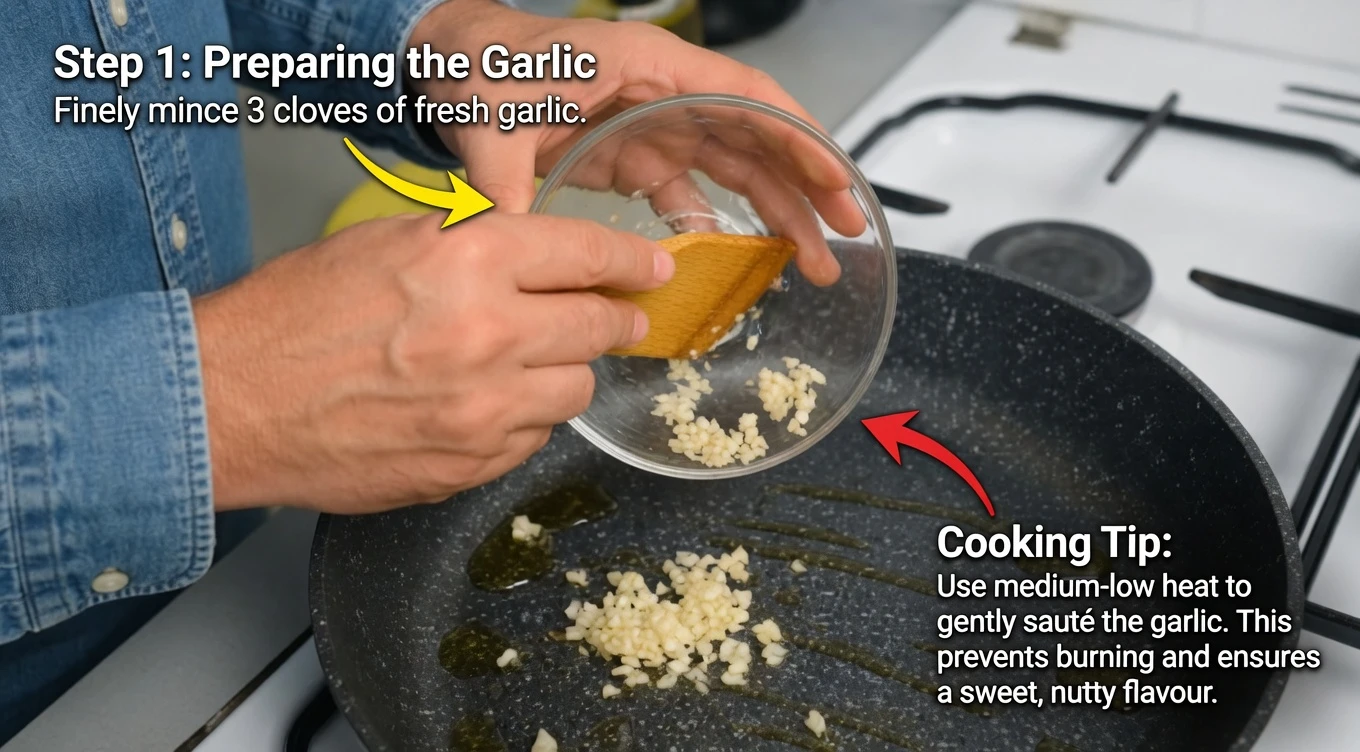
- Cook garlic over medium-low heat.
- If browning happens too fast, lower the heat or add garlic later in the recipe.
Mistake #8: Peeling in a Way That Damages Cloves (and Wastes Them)
Aggressive smashing can bruise cloves and lead to uneven texture, quicker deterioration, and inconsistent cooking results.
Better approach
- Use gentle pressure with the flat side of a knife only when you intend to crush.
- For easy peeling without damage, use the shake method: put cloves in a bowl with a lid and shake vigorously until skins loosen.
Fresh vs. Processed Garlic: A Quick Comparison
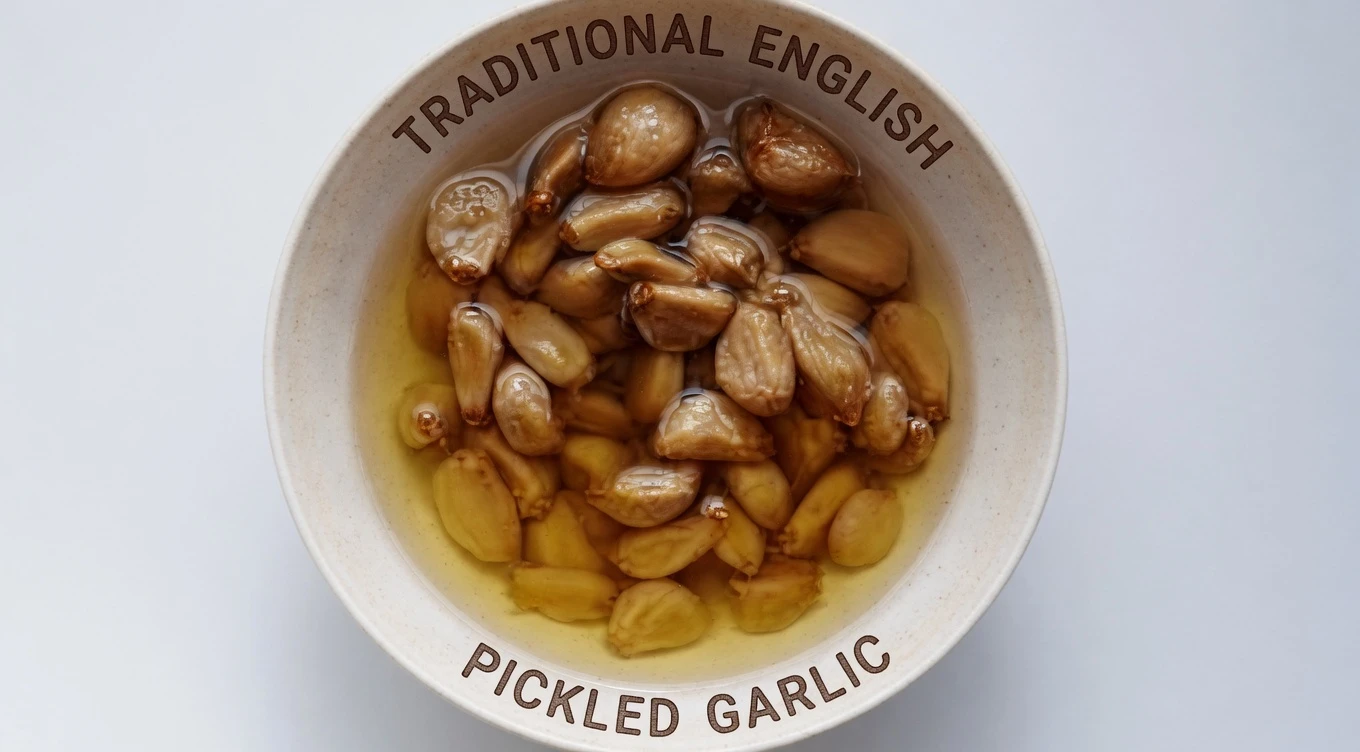
- Fresh garlic: Best potential for allicin and organosulfur compounds when prepared correctly; inexpensive and widely available.
- Jarred minced garlic: Convenient, but typically lower bioactive retention due to processing.
- Garlic powder: Shelf-stable, but often produces minimal allicin compared with fresh preparation.
- Supplements: Quality varies significantly; consult a qualified professional, especially if you take medications.
For most people, fresh garlic handled properly is the most effective and practical option for everyday cooking.
Simple, Effective Ways to Use Garlic
- Easy raw approach: Crush 1 clove, let it rest 10 minutes, then mix into a little yogurt or honey.
- Meal-friendly method: Stir garlic into salads, dressings, or finished soups after cooking to reduce heat exposure.
- Storage strategy: Freeze minced garlic in small portions (for example, mixed with olive oil) to extend usability with minimal compromise.
Final Thoughts
Getting more benefit from garlic often comes down to a few small habits: choose fresh bulbs, allow a short resting period after crushing, and avoid high-heat early cooking. These simple steps can help you preserve more of garlic’s valuable sulfur compounds while still enjoying its flavor.
FAQ
Is raw garlic healthier than cooked garlic?
Raw or lightly heated garlic typically preserves more allicin. Cooked garlic can still contribute beneficial compounds that are more heat-stable, so the best choice depends on taste, digestion, and how you prepare it.
How much garlic is reasonable per day?
A common amount is 1–2 cloves daily as part of meals. If you’re new to raw garlic, start small to assess tolerance.
Can garlic support immune health year-round?
Regular garlic intake as part of a balanced diet may support overall wellness, especially when prepared in ways that help preserve key compounds.
Disclaimer: This article is for informational purposes only and does not replace medical advice. Garlic may interact with certain medications or health conditions. Consult a healthcare professional before making major dietary changes, especially if you are pregnant, have medical concerns, or take prescription drugs.