Many people skip peeing after sex because they want to stay in the cozy afterglow—or they simply forget. However, overlooking this simple step can sometimes lead to unpleasant issues such as a burning sensation when you urinate, needing to go much more often, or a dull ache in the lower abdomen that can linger for hours (and occasionally days). When that happens, an intimate moment can quickly turn into stress and discomfort.
The good news: a fast, low-effort habit that many health professionals recommend can support your body’s natural defenses. Once you understand why it matters, it may become one of the easiest wellness routines you keep.

How Sex Can Impact the Urinary Tract
During sexual activity, close contact and friction can move bacteria from the skin and genital region toward the urethra—the tube that carries urine out of the body. Because the urinary and reproductive organs are located so close together, this transfer can happen more easily than most people expect.
Anatomy plays a major role:
- Women typically have a much shorter urethra (about 4 cm), so bacteria have a shorter distance to travel to reach the bladder.
- Men have a longer urethra (about 20 cm), which provides more distance and, in many cases, more natural protection.
Medical sources (including widely referenced outlets like the Cleveland Clinic and Healthline) commonly note that bacteria entering the urethra during sex is not unusual—but letting those bacteria linger can contribute to irritation or other urinary problems, especially in women.
Post-Sex Urinary Irritation: What It Is and What It Feels Like
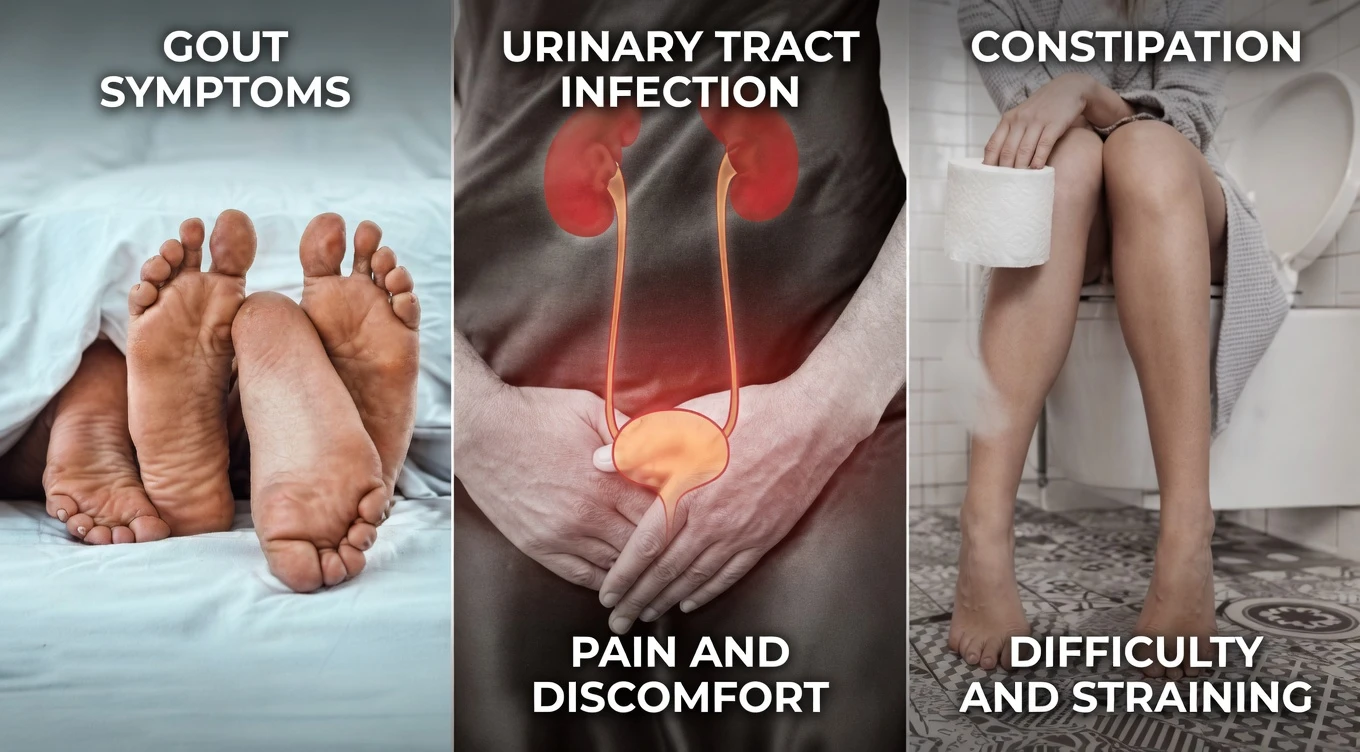
A common issue associated with sex is irritation of the urethra or bladder—sometimes called “honeymoon cystitis” in older terminology. It often involves everyday bacteria (such as E. coli) moving into areas where they shouldn’t be.
Symptoms can show up within hours or over the next day or two, including:
- Stinging or burning during urination
- Frequent, sudden urges to pee
- Pressure, soreness, or mild pain in the lower abdomen
- A lingering feeling of discomfort that doesn’t fade quickly
Many health resources (including Medical News Today) highlight that urinating soon after sex may help wash away bacteria before they settle in and cause more irritation.
Why Urinating After Sex Helps: The “Natural Flush” Effect
Think of peeing after sex as a gentle rinse for your urinary tract. The flow of urine can help push out bacteria that may have entered the urethra during intimacy, supporting the body’s built-in clearing system.
In addition to flushing, this habit may also help with everyday comfort by:
- Reducing temporary bladder pressure
- Supporting a healthier, more stable environment in the intimate area
- Soothing minor irritation related to friction, lubricants, or residue
It’s simple, free, and takes only a minute—yet it works with what your body already does best: clearing things out.
Hygiene Matters Too (And It Works Best With This Habit)
Peeing after sex is helpful on its own, but pairing it with basic hygiene can provide better overall support for urinary comfort.
Consider these practical steps:
- Gently wash the genital area with mild, unscented soap and water (before sex can help reduce surface bacteria).
- Avoid heavily fragranced products, douches, or harsh cleansers that may disrupt natural balance.
- For uncircumcised men, clean carefully under the foreskin to reduce bacterial buildup.
Everyday hygiene—combined with urinating after sex—can reduce the chance of bacteria being transferred where it can cause irritation. Health organizations and medical associations often emphasize that small hygiene habits can make a meaningful difference over time.
What Can Happen If You Regularly Skip Peeing After Sex
Staying in bed afterward can feel harmless, and sometimes it is. But if you frequently skip urinating, bacteria may have more time to remain in the urethra, increasing the chance of irritation.
Over time, some people notice patterns such as:
- More frequent burning after sex
- Increased urgency or frequent bathroom trips
- Ongoing lower abdominal discomfort
- Symptoms that gradually worsen if ignored
These signs are your body’s way of asking for a small adjustment—one that is usually easier to address early than later.
Anatomy and Risk: Why Women Are Affected More Often
This habit is often discussed more in relation to women for one main reason: a shorter urethra provides less of a barrier. With a shorter route to the bladder, bacteria may reach sensitive areas more easily.
That said, men can still benefit. Longer or more intense sexual activity, certain lubricants, or residue can contribute to irritation regardless of gender. For most people, urinating afterward is a simple way to help clear potential irritants and support urinary health.
Here’s a quick overview:
- Urethra length
- Women: shorter (~4 cm)
- Men: longer (~20 cm)
- Ease of bacterial travel
- Women: easier path to the bladder
- Men: more natural distance
- Benefit from post-sex urination
- Women: often more noticeable day-to-day support
- Men: still beneficial, especially for clearing residue/irritants

Comfort Benefits You Might Notice Over Time
People who build this routine often report small but meaningful improvements, such as:
- Less pelvic or bladder pressure after intimacy
- Feeling “fresh” sooner afterward
- Clearing leftover lubricant or bodily fluids more comfortably
- A more relaxed, worry-free post-sex experience
These are subtle changes, but they can make intimacy feel easier and more enjoyable.
How to Make Peeing After Sex a Natural Habit
You don’t need to rush immediately. Many health sources suggest aiming to urinate within 10–30 minutes after sex to get the most benefit.
Try these simple strategies:
- Keep a glass of water nearby and take a few sips afterward to encourage a natural urge.
- Take slow breaths and relax—tension can make it harder to pee.
- Consider a warm shower afterward; warmth can help your body “switch gears” and relax.
- Use a gentle mental reminder until it becomes automatic.
Over time, consistency turns this into an effortless routine.
When to See a Healthcare Professional
If you notice symptoms that don’t improve—or you experience more intense warning signs—contact a healthcare provider. Seek medical advice if you have:
- Persistent burning or pain
- Fever or chills
- Strong pelvic or back pain
- Blood in urine
- Unusual urine changes (cloudiness, strong odor) that persist
Avoid self-treating with antibiotics. Proper diagnosis matters, and a clinician can guide you to the right care.
Final Takeaway: A Small Step That Can Protect Everyday Comfort
Urinating after sex is a quick, practical way to support your urinary tract’s natural cleansing process. It takes very little time, but it may help you avoid unnecessary irritation and enjoy intimacy with more peace of mind.
Build the habit consistently, and you may notice a real difference in how comfortable you feel afterward.
Frequently Asked Questions
-
How soon after sex should I urinate for the best effect?
Many health sources recommend urinating within 10–30 minutes. This helps maximize the flushing effect before bacteria have time to linger. -
Is peeing after sex equally important for men and women?
It can support both. Women often see a bigger impact because their urethra is shorter, but men may also benefit—especially for clearing residue or potential irritants. -
Can urinating after sex prevent all urinary problems?
No single habit guarantees prevention. But it’s commonly recommended as part of a broader approach that includes hydration and gentle hygiene to help reduce everyday risk.
Disclaimer: This article is for informational purposes only.