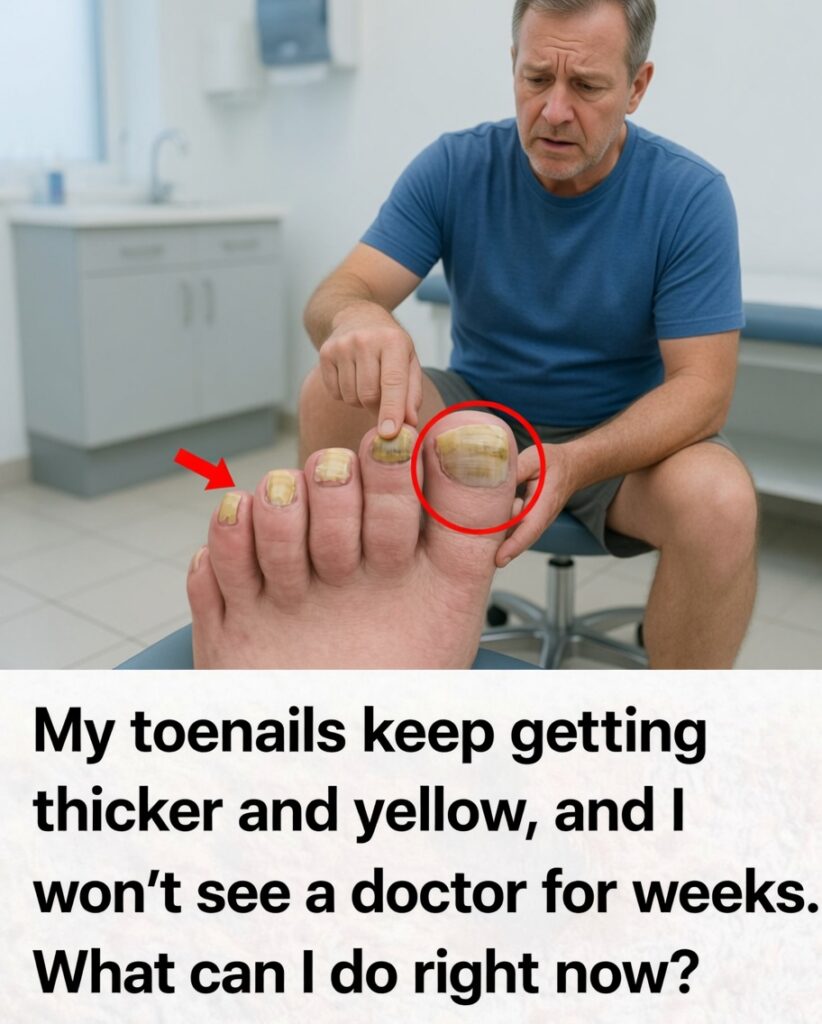
Thick, yellow toenails can be uncomfortable and confidence-shaking—especially when you want to wear sandals or go barefoot. Beyond appearance, nail thickening and discoloration may cause pressure in shoes, tenderness while walking, and ongoing worry about what’s behind the change. Even if your medical appointment is weeks away, you can start practical at-home care today to ease symptoms, slow progression, and feel more in control.
In this guide, you’ll find simple daily habits and gentle foot-care routines that many people use while waiting for professional advice. Stay to the end for one often-missed everyday step that can help keep feet more comfortable and protected.
What Thick, Yellow Toenails May Mean
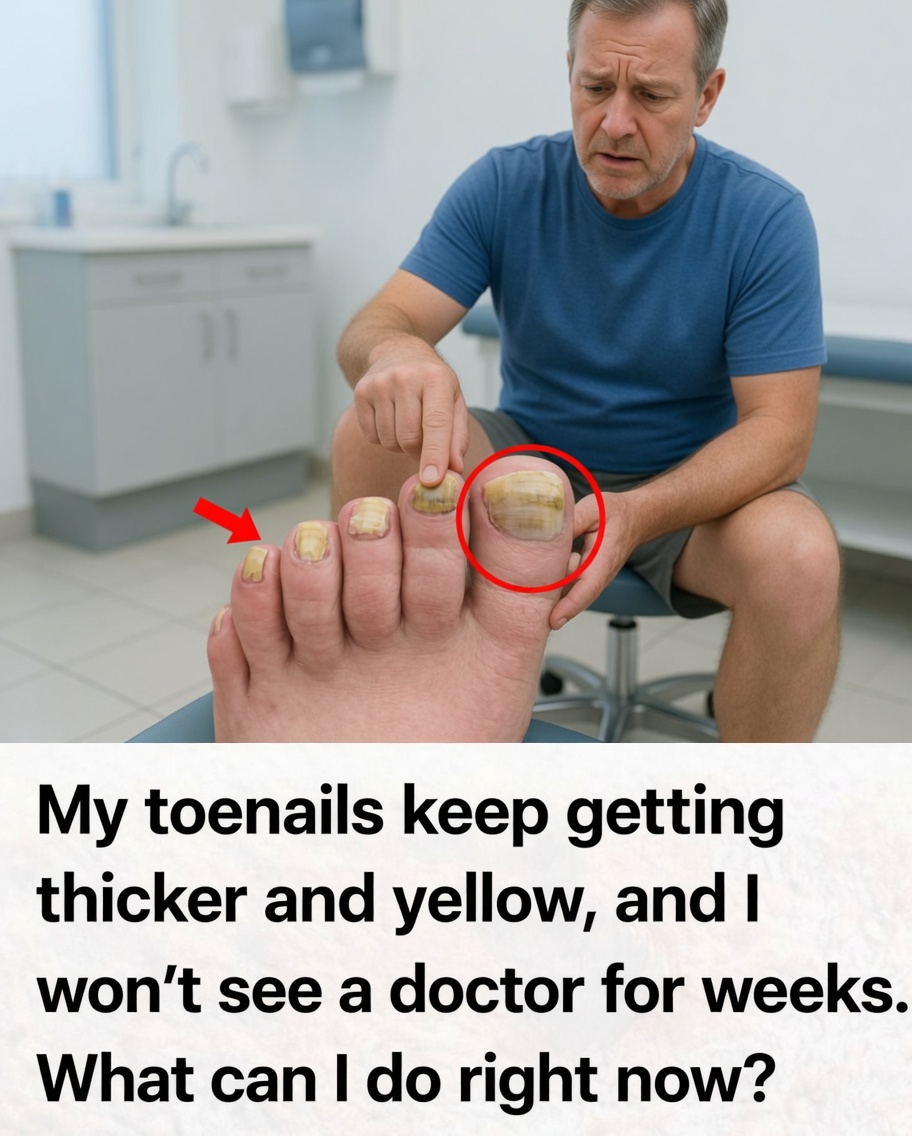
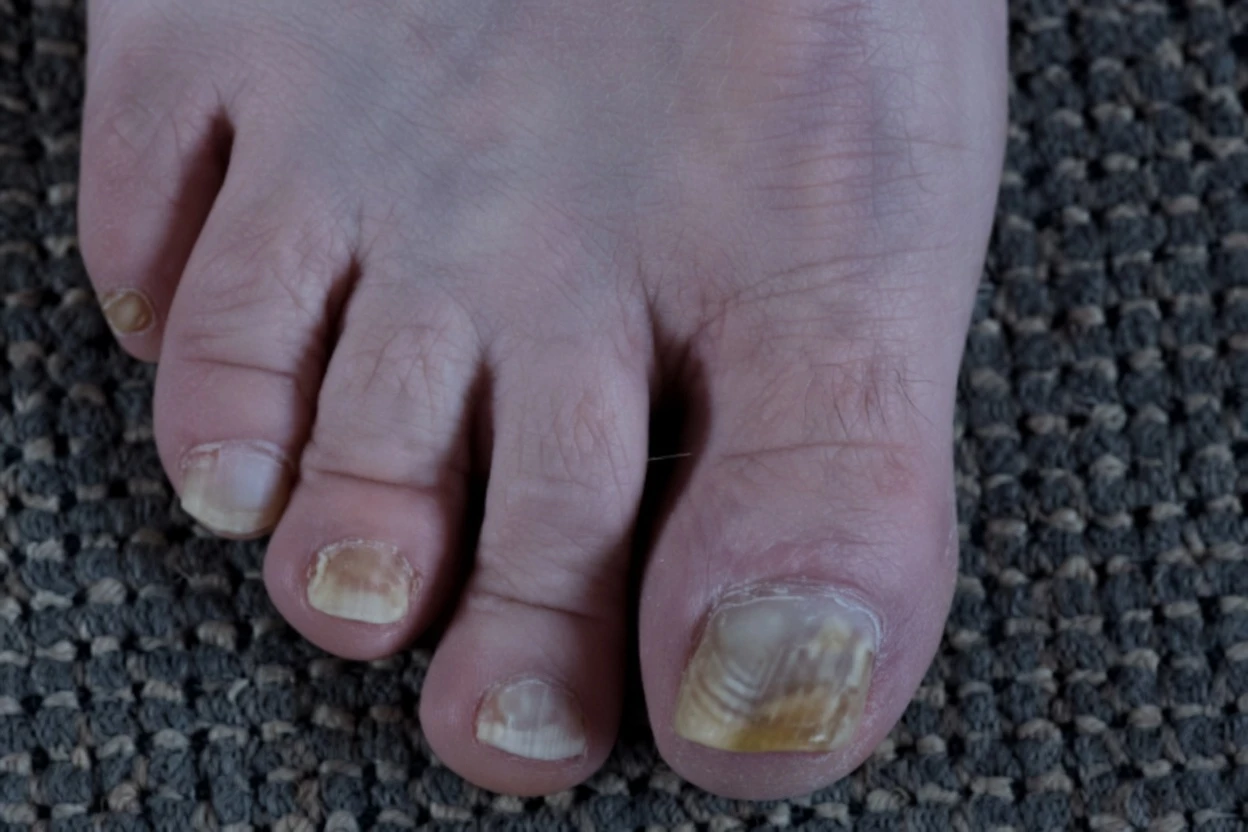
In many cases, thick yellow toenails are associated with onychomycosis, a common fungal nail infection. Fungi tend to thrive in warm, damp environments—like sweaty socks and closed shoes. Public health sources (including the CDC) note that fungal nail infections are widespread and may affect up to around 14% of people. The infection often begins as a small pale or yellow area near the nail tip and may gradually spread, leading to brittleness, crumbling edges, or nail lifting.
That said, fungus is not the only explanation. Similar nail changes can also come from:
- Repeated trauma (tight shoes, long-distance walking/running, toe injuries)
- Age-related nail changes
- Skin conditions such as psoriasis
- Circulation issues or other underlying health factors
A helpful clue is the pattern: when discoloration starts near the edges, spreads inward, and the nail becomes crumbly (sometimes with odor), a fungal cause becomes more likely—though only a clinician can confirm.
A Quick At-Home Check: Gauge Severity and Track Changes
A simple self-check can help you understand what’s going on and create useful records for your doctor.
- Press gently on the nail: Discomfort, tenderness, or pain may suggest irritation or inflammation underneath.
- Inspect closely (use your phone’s zoom or magnifier): Look for nail lifting, yellow/white debris, or unusual colors (like green or black) that may require quicker medical attention.
- Take weekly photos in natural light: Capture thickness, color, and the edges of the nail. A photo timeline can make subtle changes easier to notice and can help your clinician assess progression.
Consider keeping a one-minute note in your phone about symptoms, shoe changes, or anything that seems to trigger worsening.
Why Keeping Feet Dry Is So Important
Moisture management is one of the most effective daily strategies because fungi and bacteria flourish in damp conditions.
After showering, swimming, or workouts:
- Dry feet thoroughly, especially between the toes
- Use a cool-setting hairdryer to reach hard-to-dry areas without heat damage
- Wear moisture-wicking socks (merino wool or synthetic blends)
- Change socks during the day if they become sweaty
Shoes matter too:
- Rotate shoes so each pair can air out for 24 hours
- Consider an antifungal powder in shoes to reduce moisture and odor
These small changes can make your feet a less inviting environment for fungal overgrowth.
How to Trim and Reduce Thickness Safely at Home
Thick toenails can be difficult to cut, and aggressive trimming can increase the risk of cuts or infection. Use a slow, careful approach.
- Soften the nail first: Soak feet in warm (not hot) water for 10–15 minutes.
- Use proper tools: Choose strong straight-edge clippers designed for thicker nails.
- Cut straight across: Take small clips rather than one deep cut to lower the chance of splitting or ingrown edges.
- File gently to reduce bulk: Use an emery board to lightly smooth the surface—stop if you feel pain.
- Moisturize surrounding skin: Apply a light moisturizer around the nail, not under it.
Avoid digging into corners or cutting too short—this can break the skin barrier and raise infection risk.
Common Home Remedies: What May Help Mild Cases
Many people try home approaches while waiting for treatment. These methods are not guaranteed cures, but they may offer mild support when used carefully and consistently.
Tea Tree Oil (Diluted)
Tea tree oil is often discussed for its antifungal properties. If you try it:
- Dilute with a carrier oil (such as coconut oil)
- Apply twice daily
- Patch-test first to avoid irritation
Vinegar Soaks
Vinegar can create a more acidic environment that may be less favorable for fungal growth.
- Mix 1 part white or apple cider vinegar with 2–3 parts warm water
- Soak for 15–20 minutes daily
- Dry thoroughly afterward
Vicks VapoRub
Some small studies and anecdotal reports mention improvement in appearance or comfort when used consistently.
- Apply a thin layer nightly
- Expect variable results
Baking Soda Paste
Often used to help absorb moisture.
- Apply briefly, then rinse
- Dry well afterward
Quick Comparison of Popular At-Home Options
- Tea tree oil: Antifungal potential; must be diluted; daily use
- Vinegar soak: Acidic soak; 15–20 minutes; daily
- Vicks VapoRub: Menthol/eucalyptus-based; apply nightly
- Baking soda paste: Moisture control; short application, then rinse
Choose one or two methods and stay consistent for several weeks to observe any gradual change.
Over-the-Counter Products to Consider
Pharmacies often carry antifungal options such as creams, sprays, and nail solutions with ingredients like:
- Terbinafine
- Clotrimazole
- Undecylenic acid
For best use:
- Apply exactly as directed
- Consider applying after soaking and gentle filing (better penetration)
- Be consistent—toenails grow slowly, so visible improvement can take months
Daily hygiene and dry-foot habits can improve your chances of success with OTC products.
Shoe and Sock Changes That Actually Help
Footwear choices can either support recovery or keep the problem going.
- Pick breathable shoes (mesh or leather)
- Avoid tight toe boxes that trap heat and pressure
- Wear moisture-wicking socks and change them as needed
- Rotate shoe pairs daily so they fully dry
- Consider cedar inserts or antifungal shoe spray for ongoing odor/moisture control
These upgrades can also reduce the likelihood of recurrence.
Reduce Spread and Re-Infection at Home
Fungal spores can linger in your environment. To limit re-exposure:
- Wash socks, towels, and bedsheets regularly in hot water
- Clean and disinfect shower floors/tubs weekly
- Use shoe sprays or consider UV shoe sanitizing methods if needed
- Keep bathrooms well ventilated to lower humidity
Small cleaning habits can make a meaningful difference over time.
Be Cautious With Nail Polish, Pedicures, and Viral “Fixes”
- Thick polish or acrylic overlays can trap moisture, so it’s best to avoid them. If you must cover discoloration, consider more breathable options.
- For pedicures, choose salons with strong hygiene standards—or bring your own tools.
- Avoid social media trends involving harsh chemicals (such as bleach), which can cause burns and worsen nail or skin damage.
When Nail Changes May Be Linked to Overall Health
Some health conditions can increase risk and slow healing, including:
- Diabetes
- Poor circulation
- Weakened immune function
If you have numbness, frequent foot problems, or slow-healing cuts, make sure to mention it during your appointment.
Red Flags: Get Medical Help Sooner If You Notice
Don’t wait if you develop:
- Significant pain, swelling, or pus
- A strong, foul odor
- Redness spreading beyond the nail
- Rapid color change, fever, or feeling unwell
These signs may suggest a more serious infection—especially for people with diabetes or compromised immunity.
How to Prepare for Your Doctor Visit
Bring simple notes to make your appointment more efficient:
- When the nail changes began
- Whether symptoms are spreading to other nails
- Pain, odor, nail lifting, or crumbling
- What home care or OTC products you tried
- Weekly photos showing progression
This information helps your clinician make faster, more accurate decisions.
Final Takeaway
Thick, yellow toenails can feel discouraging, but consistent home care can often improve comfort and help prevent worsening while you wait for professional evaluation. Prioritize dry feet, gentle trimming, clean footwear habits, and cautious use of low-risk supportive options. A medical assessment remains the best way to confirm the cause and choose the most effective treatment plan.
FAQ
How long does it take to see improvement at home?
Toenails grow slowly (about 1 mm per month). Noticeable changes typically take months of consistent care.
Can thick yellow toenails clear up without treatment?
Very mild cases may stabilize with good hygiene, but many cases persist or progress without addressing the underlying cause.
Are thick, yellow toenails always a fungal infection?
Not necessarily. Trauma, psoriasis, aging changes, and circulation problems can look similar—professional evaluation is important.
Disclaimer
This article is for general information only and does not replace medical advice, diagnosis, or treatment. Always consult a qualified healthcare professional—especially if symptoms persist, worsen, or you have underlying conditions such as diabetes or circulation problems. This content does not diagnose, treat, cure, or prevent any disease.