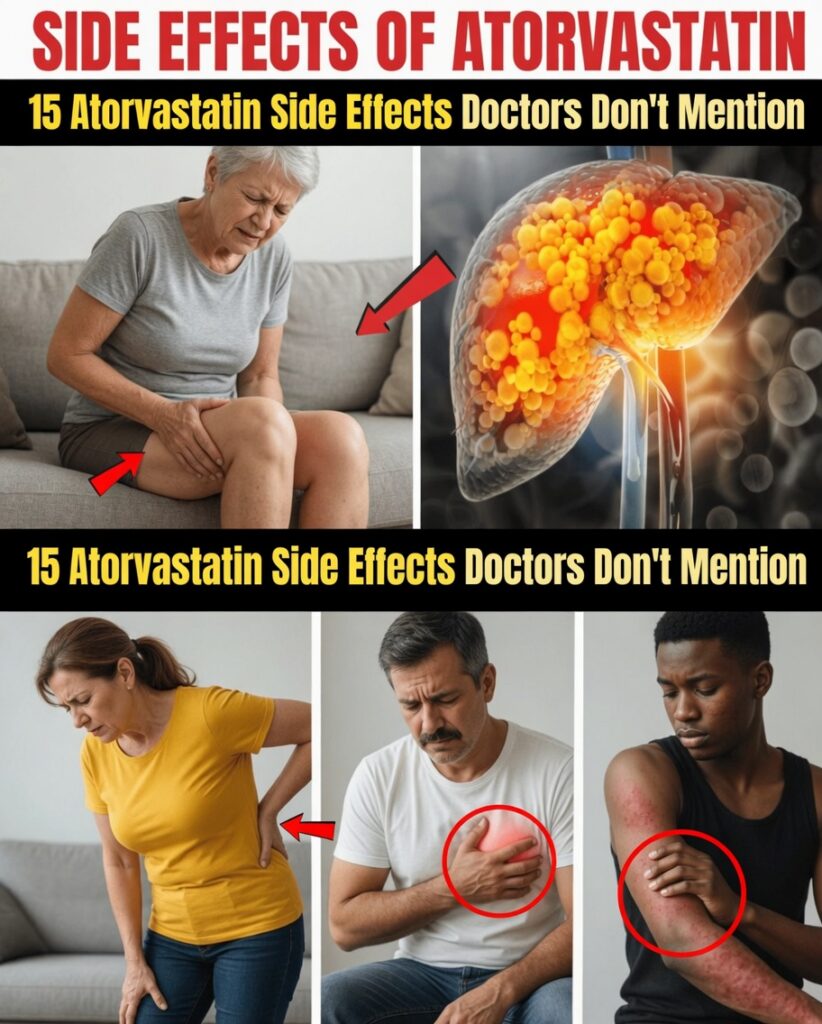
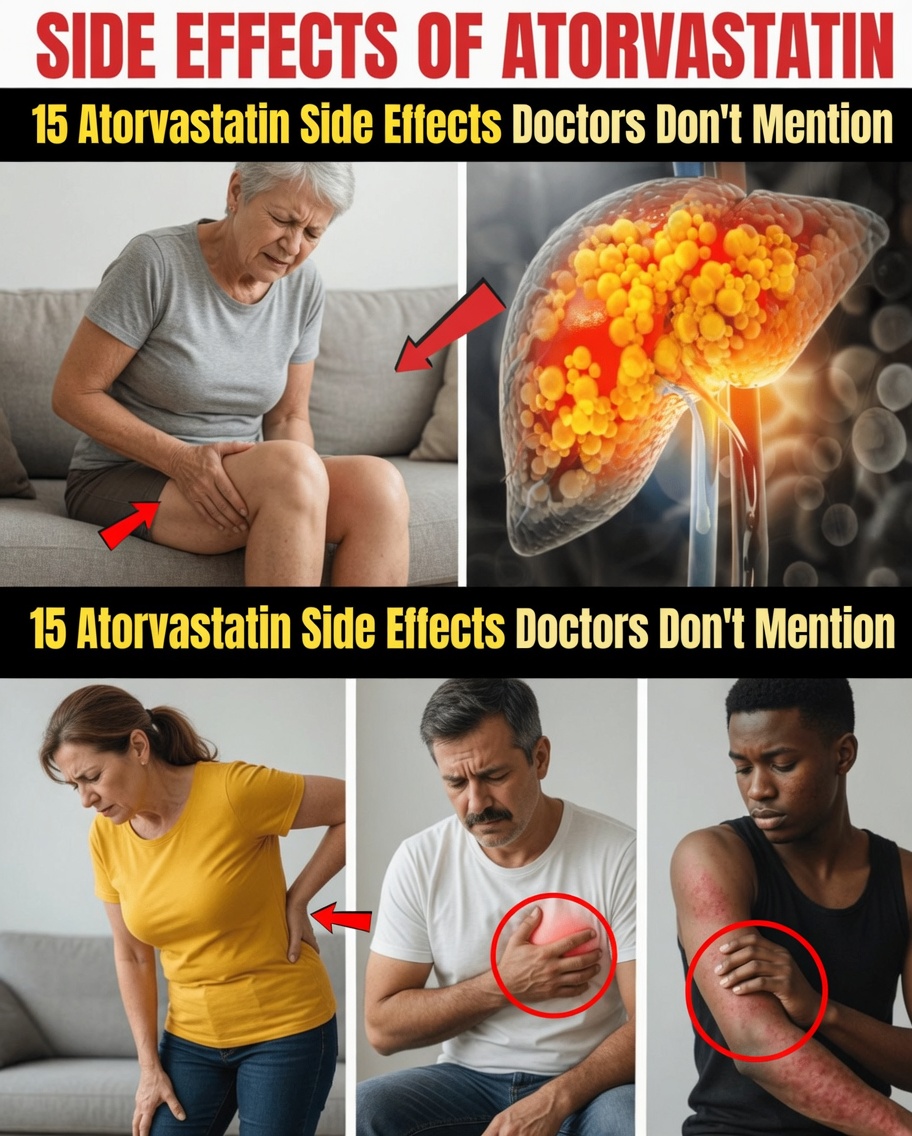
Atorvastatin Side Effects: 15 Real-World Issues to Know (From Common to Rare)
Starting atorvastatin can feel like a smart, reassuring step toward lowering cholesterol and reducing cardiovascular risk. It’s one of the most commonly prescribed statins worldwide, and many people take it for years without major problems.
Still, some users begin noticing changes over time—ongoing leg discomfort, unexpected fatigue, or symptoms that make everyday life feel more difficult than it should. That often leads to a reasonable question: Is this aging, or could it be an atorvastatin side effect?
You’re not alone in wondering. In real-world care, many statin users bring up similar concerns—often during short appointments where not everything gets fully explored. Although atorvastatin is generally well tolerated, post-marketing reports, FDA safety information, and clinical observations suggest a range of possible side effects that may not always be discussed early on.
This guide reviews 15 reported atorvastatin side effects, roughly ordered from more commonly mentioned to rarer but potentially serious. The goal is to help you recognize patterns and have more informed conversations with your healthcare provider.
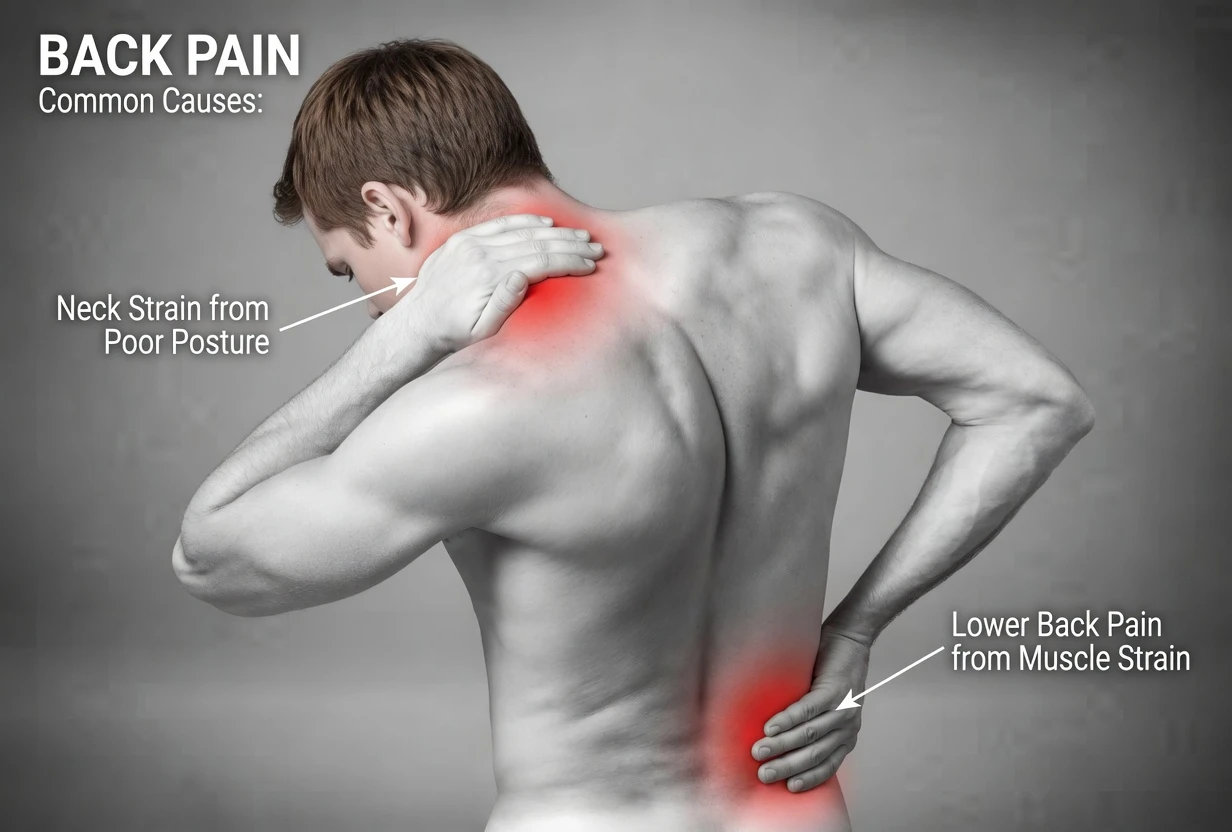
1) Muscle-Related Side Effects (Often the Most Discussed)
1. Muscle pain and weakness (myalgia)
Muscle aches, heaviness, or weakness—especially in the legs—are among the most frequently reported issues with statins. Observational studies have reported rates around 10–20%, while randomized trials often show lower numbers. Many people describe difficulty with stairs, longer walks, or exercise that used to feel routine. Symptoms often improve after a dose adjustment, switching statins, or stopping the medication under medical guidance.
2. Unusual or persistent fatigue
Some users report a deep, lingering tiredness that doesn’t match their activity level and doesn’t fully improve with rest. One proposed explanation is that statins may reduce Coenzyme Q10 (CoQ10) levels in some individuals—CoQ10 plays a role in cellular energy production.
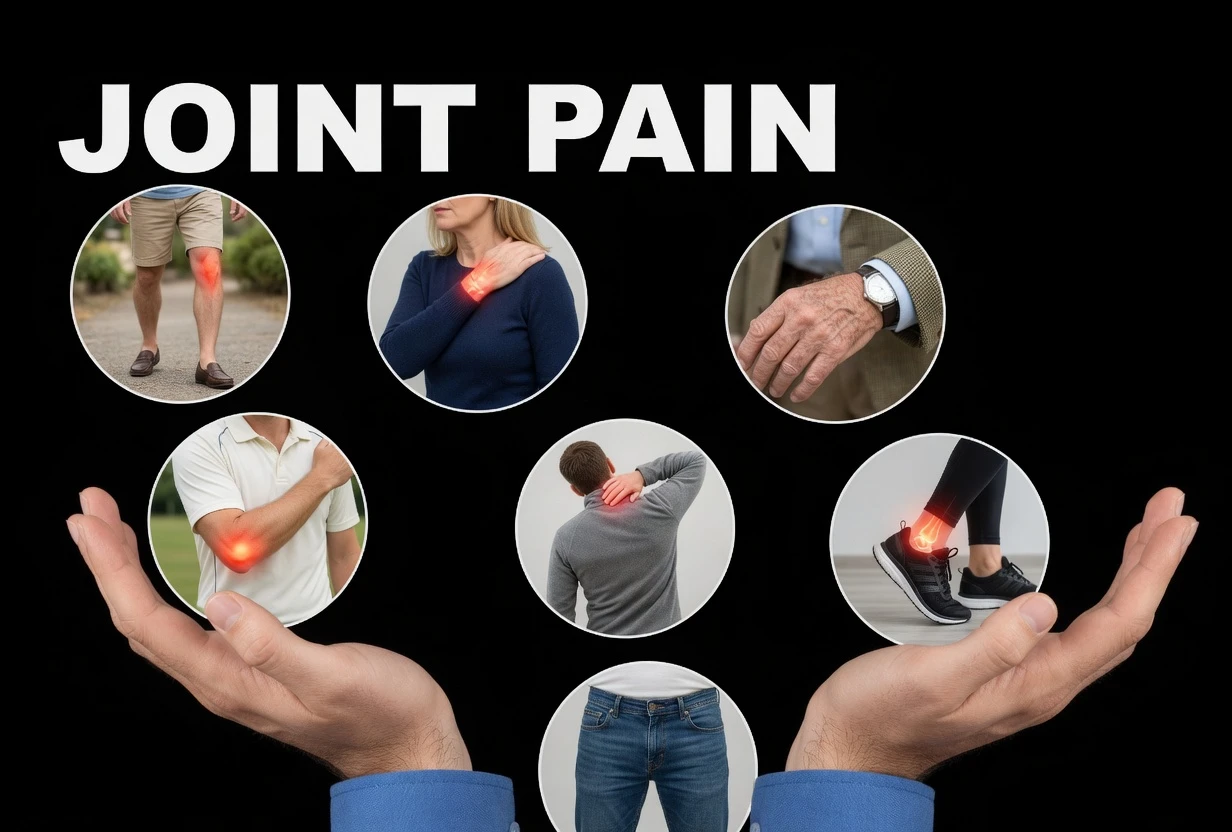
3. Joint discomfort or stiffness
Pain in the knees, hips, shoulders, or hands can resemble arthritis-like stiffness and may reduce mobility. FDA post-marketing data includes joint pain among reasons some people discontinue statin therapy.
2) Neurological, Cognitive, and Mood-Related Reports
4. Brain fog or memory concerns
Some patients describe feeling mentally “off,” struggling with recall, or forgetting recent details. The FDA has noted possible cognitive side effects with statins, and many reports indicate improvement after discontinuation.
5. Mood changes or low mood
A subset of users report irritability, emotional “flatness,” or lower mood after starting atorvastatin. Because atorvastatin is lipophilic (able to cross into the brain more readily than some other statins), researchers have explored possible effects on neurochemistry such as serotonin pathways—though the overall evidence remains mixed.
6. Sleep disruption and vivid dreams
Difficulty falling asleep, waking frequently, or having unusually vivid dreams is described in some patient accounts and clinical observations. Poor sleep can also amplify fatigue and daytime concentration problems.
7. Dizziness or balance problems
Episodes of light-headedness or feeling unsteady may occur. This is particularly concerning for older adults due to the increased risk of falls.
8. Tingling or numbness in hands and feet (peripheral neuropathy)
Pins-and-needles, burning sensations, or numbness in the extremities have been reported. In rare cases where a link is suspected, clinicians may consider discontinuation or switching therapy after evaluating other causes.

3) Other Commonly Mentioned Atorvastatin Side Effects
9. Digestive upset
Some people experience nausea, bloating, constipation, or diarrhea. Depending on the dataset, digestive effects are often reported in the 5–10% range. These symptoms can be mistakenly blamed on diet changes or stress, delaying recognition.
10. Headaches
Headaches may appear after starting the drug, ranging from mild to persistent and sometimes not responding well to basic over-the-counter relief.
11. Skin reactions
Itching, redness, or rashes can occur. For many, this stays mild—but for others it becomes disruptive enough to require a medication review.
12. Sexual health changes
Some men report lower libido or erectile difficulties after beginning atorvastatin. Research findings are mixed, but individual cases describe improvement after stopping or switching therapy.
13. Blood sugar increases and diabetes risk
Large meta-analyses suggest statins can raise the risk of new-onset type 2 diabetes by roughly 9–12%, with higher doses linked to greater risk. For most people, the cardiovascular benefits still outweigh this concern, but glucose monitoring is especially important if you already have risk factors.
14. Liver enzyme elevations
In some users, liver enzymes (ALT/AST) rise without obvious symptoms. Reported rates often fall around 0.5–3%. These elevations frequently resolve with monitoring, dose adjustment, or medication changes guided by a clinician.
4) Rare but Serious: Know the Red Flags
15. Rhabdomyolysis (severe muscle breakdown)
This is the most feared muscle-related complication of statins. Rhabdomyolysis can lead to kidney injury when damaged muscle releases proteins into the bloodstream. Warning signs may include:
- Severe muscle pain or profound weakness
- Dark or cola-colored urine
- Symptoms that escalate quickly, especially after adding another medication
It is rare (often estimated at about 1 in 10,000 or less), but it is a medical emergency. Seek urgent care immediately if suspected.
Real-World Experiences (Names Changed)
Margaret, 68
After months on atorvastatin, Margaret developed persistent leg aching and a foggy, slowed mental feeling. Once she discussed it openly with her doctor and stopped the medication under supervision, she noticed improvement over the following weeks and felt more like herself.
Tom, 74
Tom experienced a severe muscle complication after combining his statin with another prescription drug, which led to hospitalization. He now avoids statins and works with his care team on alternative cardiovascular risk-reduction strategies.
These stories reflect an important truth: responses to statins vary widely, and individualized decision-making matters.
Quick Reference: Reported Side Effects and Approximate Frequency
- Muscle pain/weakness: ~10–20% in observational reports; often reversible
- Fatigue: frequently reported; may improve with changes
- Memory/cognitive symptoms: common in patient accounts; often reversible
- New-onset diabetes risk: ~9–12% increased risk; may persist
- Liver enzyme changes: ~0.5–3%; often reversible
- Rhabdomyolysis: very rare (≪0.1%); potentially life-threatening
Note: Real-world rates—especially for subjective symptoms—can appear higher than clinical trial rates due to factors like expectations, heightened awareness, and the nocebo effect.
Practical Next Steps (Discuss With Your Doctor First)
Do not stop atorvastatin abruptly without medical advice. Instead, consider these steps with your clinician:
- Book a dedicated conversation and describe symptoms clearly (when they started, what worsens them, what improves them).
- Ask about targeted testing, which may include:
- Creatine kinase (CK) for muscle symptoms
- Liver panel (ALT/AST)
- Fasting glucose and/or A1c
- Discussion of CoQ10 if relevant
- Review potential strategies, such as:
- Trying CoQ10 supplementation (often discussed in the 200–400 mg/day range in studies; benefits vary)
- Lowering the statin dose and adding ezetimibe
- Strengthening lifestyle measures proven to reduce LDL (diet changes, activity, weight management)
Professional guidance is essential because, for many patients, the heart-protective benefits of statins can be substantial.
Frequently Asked Questions
How common are atorvastatin side effects?
In controlled trials, many side effects occur at relatively low rates, often under 5–10% above placebo for numerous outcomes. In everyday practice, reported rates—especially for muscle symptoms—can be higher.
Will side effects disappear if I keep taking it?
Some symptoms improve as the body adjusts, or after dose changes. However, ongoing or worsening symptoms deserve evaluation—especially muscle weakness, severe pain, or new neurological symptoms.
Are there alternatives to statins?
Depending on your risk profile, options may include lifestyle interventions, ezetimibe, or injectable therapies like PCSK9 inhibitors. Your best option depends on your cholesterol levels, medical history, and overall cardiovascular risk.
Medical Disclaimer
This article is for educational purposes only and does not provide medical advice. Always consult a qualified healthcare professional before changing or stopping any prescription medication.
Staying informed helps you advocate for your health. If any of these experiences sound familiar, consider discussing them with your clinician—and sharing your story may help others navigate similar concerns.