
Why Legs Can Feel Heavy After 60 (and What Gentle Daily Habits Can Do)
Many adults over 60 notice a new “heavy legs” sensation—stairs feel steeper, walks feel longer, and everyday errands demand more effort. This is often tied to normal age-related changes such as sarcopenia (gradual muscle loss), less efficient circulation, and low-grade inflammation that can make movement feel less stable.
If you’re looking for comforting, low-effort ways to support mobility, you’re not alone. One surprisingly simple habit—drinking specific herbal teas—may provide gentle support for circulation, muscle comfort, and overall vitality when paired with a balanced lifestyle.

The Under-the-Radar Mobility Challenge After Age 60
With age, muscle mass and strength can decline noticeably. Estimates suggest muscle loss may progress by about 3–8% per decade after 60, which can translate into weaker legs and less confidence with each step. When slower blood flow and persistent inflammation are added to the mix, it’s easy to see why many people become less active—creating a frustrating cycle.
The encouraging part: building small, enjoyable routines can help you stay engaged with movement. Traditional teas aren’t magic fixes, but research suggests the right herbs contain compounds that may help:
- Support blood flow and oxygen delivery
- Ease everyday inflammation
- Promote muscle function and recovery
Below are three teas commonly discussed in traditional wellness practices—with modern research exploring their potential benefits.
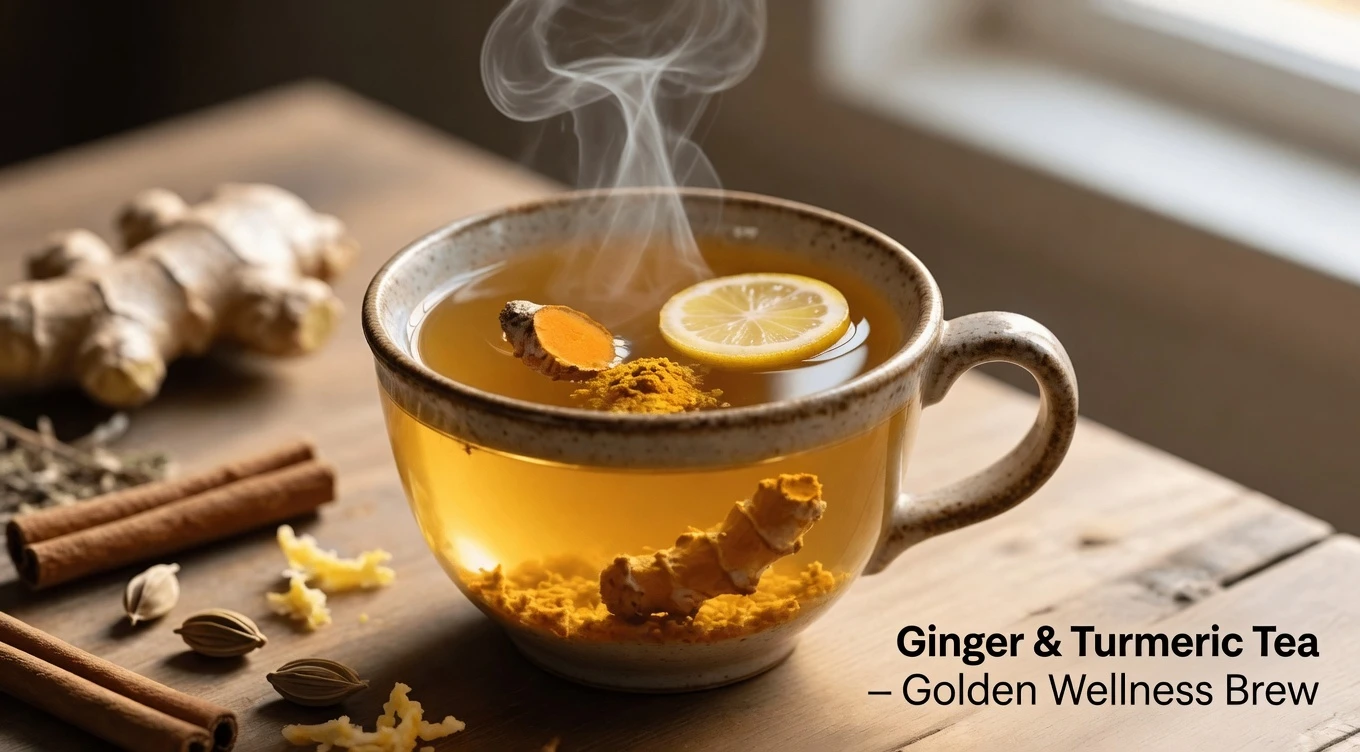
Tea #1: Ginger–Turmeric “Golden Tea” for Warmth, Circulation, and Comfort
A warm cup of ginger and turmeric tea is an easy morning ritual—comforting, fragrant, and energizing without feeling intense.
Key reasons it’s often recommended:
- Gingerols (from ginger) are linked in research to circulation support, potentially helping nutrients and oxygen reach working muscles more efficiently.
- Curcumin (from turmeric) is widely studied for anti-inflammatory properties, which may help with everyday joint and muscle discomfort.
- Adding a small amount of black pepper can significantly improve curcumin absorption—an old traditional tip backed by modern findings.
Many people enjoy this tea because the warmth itself can feel soothing, and improved circulation may contribute to a “lighter legs” sensation over time.
Tea #2: Ginseng Green Tea for Steady Energy and Better Daily Endurance
For mid-morning, green tea with ginseng is a popular choice when you want calm alertness and sustained drive for walking, chores, or errands.
Why this pairing stands out:
- Ginseng is considered an adaptogen, meaning it may help the body handle stress and use energy more efficiently during activity.
- Green tea catechins deliver antioxidant support that may help protect muscle cells from age-related oxidative stress.
- The combination of moderate caffeine + L-theanine in green tea can promote focused energy with less “wired” feeling than coffee for many people.
Some research links ginseng to improved stamina, while green tea compounds have been associated with better muscle-related outcomes in aging models—suggesting potential for supporting day-to-day movement.
Tea #3: Ashwagandha Root Tea for Nighttime Recovery, Strength, and Balance Support
This is the option many people haven’t tried—yet it may be the most interesting for mobility after 60. Ashwagandha root tea has an earthy, calming taste and is often best used in the evening.
Emerging research is exploring its potential to support:
- Muscle strength
- Walking speed
- Balance and stability
Clinical studies in older adults using ashwagandha (often as standardized supplementation) have reported improvements in strength and functional measures over 8–12 weeks. One proposed mechanism is support for healthier cortisol regulation, which matters because chronically elevated stress hormones can contribute to muscle breakdown and slower recovery.
Many people also value it as a nighttime ritual—something warm and calming that supports rest, which is when recovery actually happens.

Quick Comparison: Which Tea Fits Your Day Best?
- Ginger–Turmeric Golden Tea
- Best time: Morning
- Focus: Circulation + inflammation comfort
- Taste: Warm, spicy, earthy
- Ginseng Green Tea
- Best time: Mid-morning
- Focus: Sustained energy + endurance
- Taste: Light, grassy, mildly sweet
- Ashwagandha Root Tea
- Best time: Evening
- Focus: Recovery + strength + balance support
- Taste: Earthy, cozy, calming
A Simple, Safe Daily Tea Routine (Beginner-Friendly)
To get started without overdoing it:
-
Start small
- Drink 1 cup per day of one tea for the first week.
- Notice how your body responds (energy, digestion, sleep, comfort).
-
Add slowly
- After 7–10 days, consider adding a second tea.
- Introduce the third only after 2–3 weeks if it still feels right.
-
Make it consistent
- Same time each day helps turn tea into an effortless habit.
-
Use quality ingredients
- Choose reputable brands or organic herbs when possible.
- Fresh ginger often tastes better than powdered versions.
-
Hydrate alongside tea
- Herbal tea contributes to fluids, but keep drinking plain water too.
- Lemon is optional for brightness and flavor.
Important: Talk with your clinician first—especially if you take medications (including blood thinners) or manage chronic conditions. Herbs can interact with medications and may not be appropriate for everyone.
Real-Life Motivation: Small Changes That Add Up
People who try these teas often describe subtle, meaningful improvements when they stay consistent:
- A 66-year-old reported feeling more stable after building a morning ginger–turmeric routine and adding ashwagandha at night—helping her enjoy social events with less worry.
- A 74-year-old retiree said ginseng green tea helped him feel more capable during daily tasks, including carrying groceries.
- Another adult in her late 60s shared that evening ashwagandha seemed to reduce morning stiffness, making movement feel easier.
These outcomes aren’t guaranteed, but they reflect how gentle habits may compound over time.
A More Confident Path Forward—One Cup at a Time
Supporting mobility doesn’t require extreme routines. A warm cup of tea—enjoyed daily—can be a practical ritual that supports circulation, comfort, energy, and recovery.
Whether you choose the warming ginger–turmeric blend, the steady lift of ginseng green tea, or the rest-focused calm of ashwagandha, the key is consistency. Start with the one that feels most appealing and build from there.
Tip: For ashwagandha tea, a pinch of cinnamon can round out the flavor and may offer added blood sugar support.
FAQ
-
Can I drink these teas if I have health conditions?
Check with your healthcare provider first. Ginger, turmeric, ginseng, and ashwagandha can interact with medications or affect certain medical conditions. -
How long does it take to notice results?
Many studies evaluate outcomes after 4–12 weeks of consistent use. Individual timelines vary depending on overall lifestyle, activity level, and health status. -
Are these teas safe to drink every day?
In moderate amounts, they’re often well tolerated. Start slowly and get medical guidance—especially if you’re over 60, pregnant, or taking prescription medications.
Medical Note
This article is for informational purposes only and does not replace professional medical advice. Consult a qualified healthcare provider before starting any new herbal routine, especially if you have health conditions or take medications.
Which Tea Would You Try First?
Which option sounds most appealing—ginger–turmeric, ginseng green tea, or ashwagandha root tea? Share your thoughts in the comments to help encourage others exploring gentle mobility support.