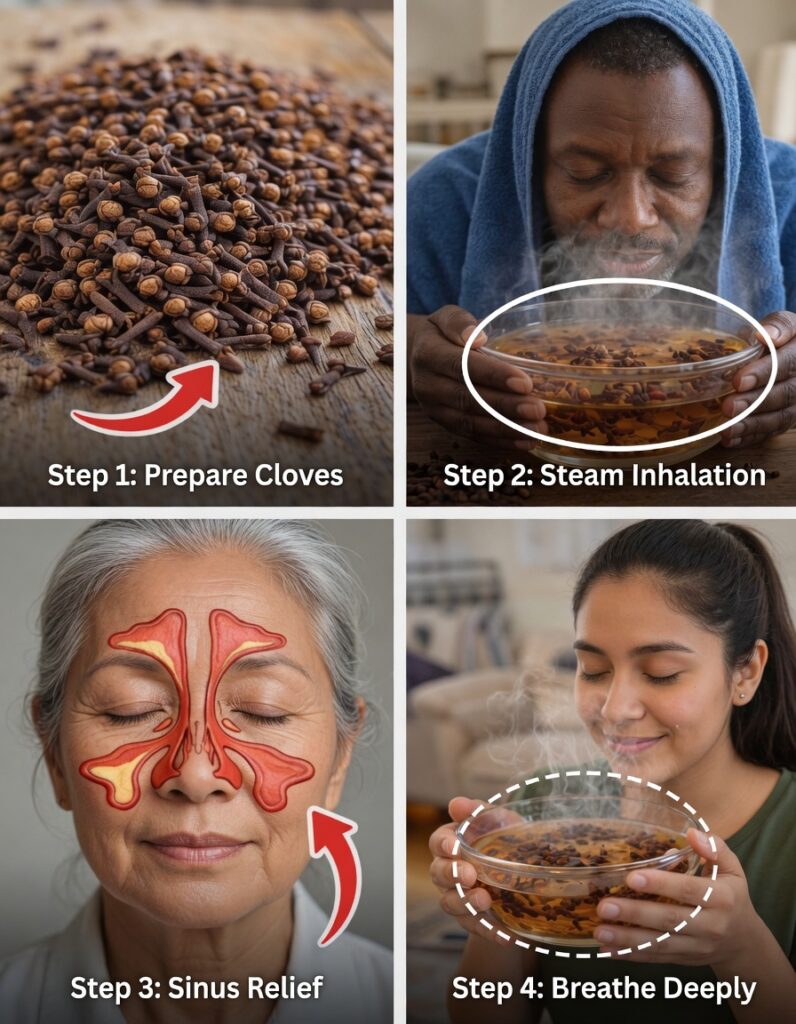
Clove Steam Inhalation for Winter Breathing Comfort: A Simple Home Ritual
Every winter, many adults deal with seasonal respiratory discomfort—blocked sinuses, lingering coughs, or a heavy chest sensation that makes each breath feel harder than it should. These symptoms can interfere with work and exercise, disturb sleep, and leave you feeling exhausted even after a full night in bed. While tools like humidifiers or nasal sprays may provide temporary relief, a growing number of people prefer gentler, kitchen-based practices that fit into a more natural wellness routine.
One traditional method that’s gaining renewed attention is steam inhalation with cloves—a straightforward home ritual using a spice many households already keep in the pantry.
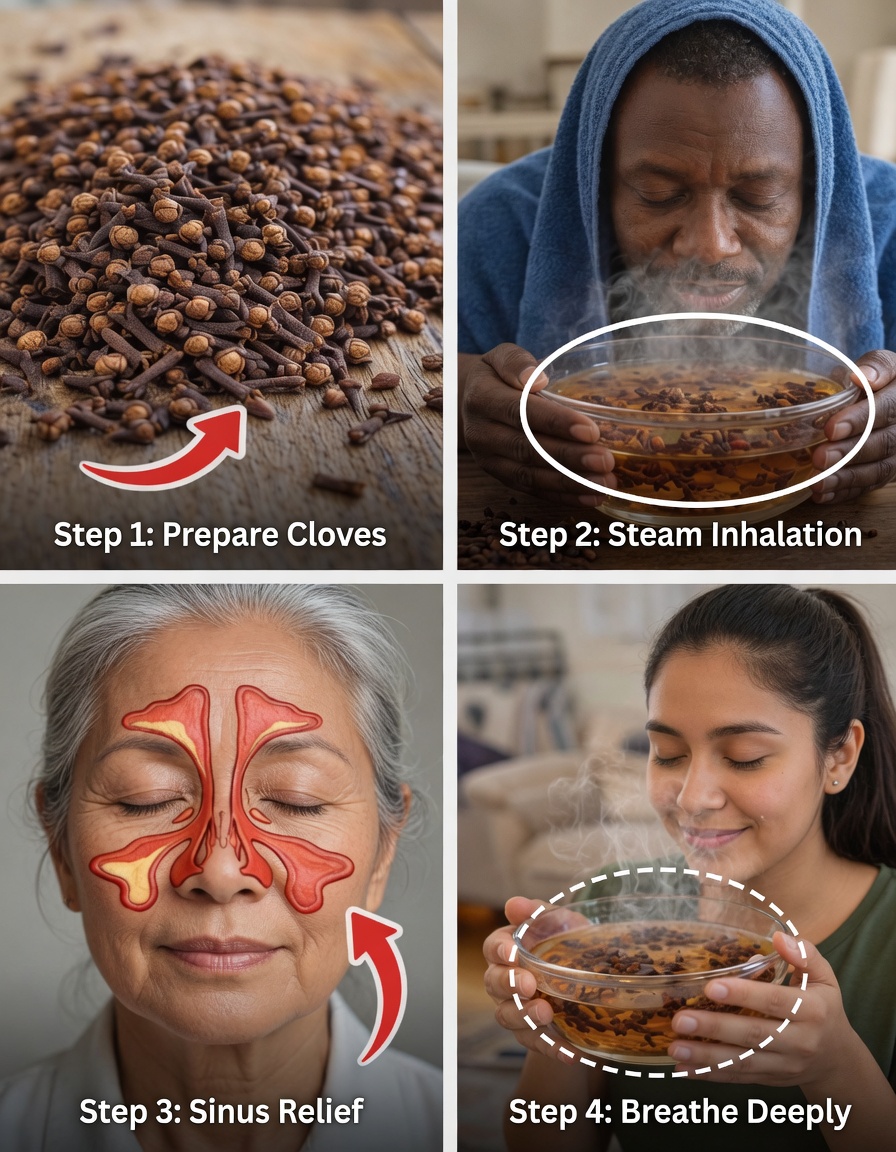
If you’ve ever wondered whether a quick at-home practice could help you feel less congested and breathe more freely, this guide breaks down why clove steam inhalation is popular for respiratory support, including traditional use and emerging research interest in clove’s best-known compound, eugenol.
Why Breathing Issues Often Feel Worse in Cold Weather
Colder months tend to create the perfect conditions for airway irritation. Lower outdoor temperatures, dry indoor heating, allergens, and seasonal viruses can all contribute to thicker mucus, inflamed nasal passages, and ongoing sinus pressure. Groups such as the American Lung Association regularly highlight that many adults experience more frequent sinus and breathing complaints during these times of year.
For some people, congestion leads to mouth-breathing during sleep, disrupted rest, and daytime fatigue—forming a cycle that can feel tougher to shake as you get older.
Conventional options can help, but they aren’t always ideal for long-term use. Some products may cause dryness, and certain decongestants can lead to rebound congestion when used too often. That’s why supportive, low-cost approaches like steam inhalation remain a popular complement: they’re simple, accessible, and designed to soothe the airways rather than “force” relief.
Why Cloves Are Used in Steam Inhalation
Cloves are rich in eugenol, a naturally occurring compound that has been studied for potential anti-inflammatory, antimicrobial, antioxidant, and soothing effects in different research settings. While not a medical treatment, the idea behind clove steam is that warm vapor + aromatic plant compounds may help calm irritated airways and encourage mucus movement.
Traditional health practices across many cultures have long used clove-infused steam during colds, seasonal transitions, and periods of upper-respiratory discomfort—especially when congestion and throat irritation are common complaints.
Potential Benefits of Clove Steam Inhalation (Science-Informed + Traditional Use)
Below are reasons many people find this method appealing, based on traditional use and research interest in clove compounds:
-
Supports sinus comfort and natural drainage
Warm steam can loosen congestion and help mucus move more easily. Eugenol has been investigated for its ability to influence inflammatory signaling in experimental settings. -
May ease cough-related irritation
In traditional use, clove vapor is sometimes treated as an expectorant-like support—helping the body clear mucus while soothing the throat and upper airways. -
Adds antimicrobial vapor exposure
Lab studies on clove components suggest activity against certain microbes, including bacteria sometimes associated with respiratory infections (such as Staphylococcus and Streptococcus). This does not replace medical care, but it helps explain why cloves are commonly included in “cold-season” practices. -
May improve sleep by making breathing feel easier
Many people notice that clearing nasal passages before bedtime reduces nighttime waking due to congestion. -
Helpful during allergy seasons for some people
Research interest around eugenol includes its potential involvement in histamine-related pathways, which may be relevant during high-pollen periods. -
Possible bronchodilator-like support
Some studies suggest clove compounds may help relax airway tissue in certain models, which could be relevant for occasional tightness (not a substitute for asthma care). -
Soothes throat and voice strain
People who rely on their voice—teachers, public speakers, singers—often report that warm aromatic steam feels calming on the throat. -
Antioxidant support for irritated tissues
Cloves contain antioxidant compounds that may help counter oxidative stress, which can rise when respiratory tissues are inflamed or irritated. -
Supports a balanced immune response
Eugenol has been explored for immune-modulating potential in research contexts, suggesting it may support balance rather than overstimulation. -
May reduce facial pressure and tension
Steam and aromatic compounds can feel relieving when congestion creates pressure around the cheeks, forehead, and nasal area. -
Creates a “cleaner breathing” sensation quickly
Many users report noticeable comfort within minutes, especially when congestion is mild to moderate. -
Adds a calming, mood-supportive ritual
The warm aroma and slow breathing can feel relaxing—similar to other sensory wellness rituals—supporting overall comfort during stressful seasons.
How to Do Clove Steam Inhalation Safely (Step-by-Step)
Use this method to keep the session effective and gentle:
- Bring 4–6 cups of water to a boil in a pot.
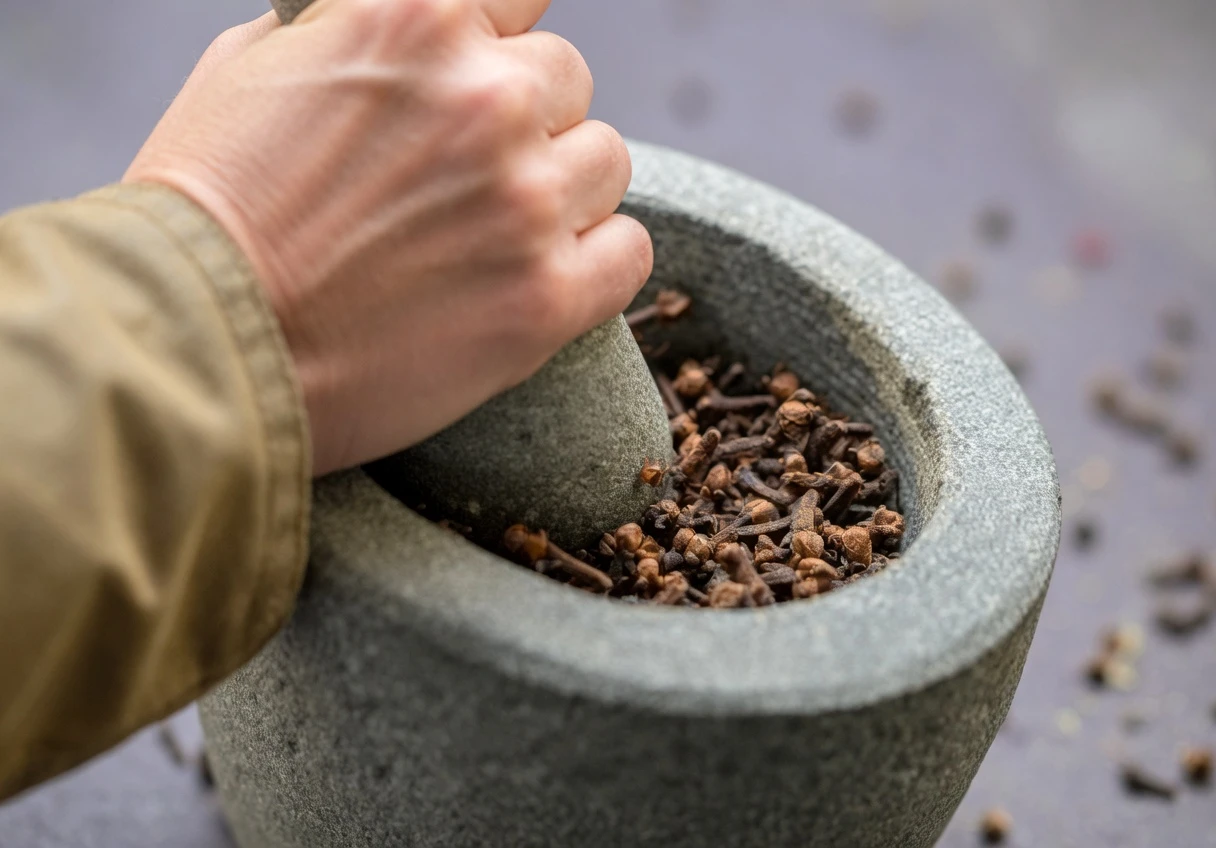
- Add 8–10 whole cloves (whole cloves are preferred over ground, which can release stronger particles).
- Turn off the heat and let the pot rest for 1–2 minutes so the steam is warm, not scalding.
- Place the pot on a stable surface. Lean over it with your face 8–12 inches (20–30 cm) away.
- Drape a towel over your head to trap the steam.
- Close your eyes and breathe slowly (ideally through your nose) for 5–10 minutes. Stop or pause if it feels too intense.
- Finish by gently blowing your nose and/or sipping warm water.
Tips for better results
- Try 1–2 sessions per day, especially in the evening.
- Optional additions (only if tolerated):
- a small pinch of salt, or
- one drop of food-grade peppermint (very strong—use cautiously)
- You can reuse the cloves 2–3 times by storing them in the refrigerator between uses.
- For extra humidity, consider doing the session in a steamy bathroom.
Clove Steam vs. Other Popular Congestion Options
-
Decongestant sprays
- Comfort onset: fast
- Duration: short (rebound possible)
- Cost: moderate
- Common drawbacks: dryness, dependency/rebound effects
-
Neti pot / saline rinse
- Comfort onset: moderate
- Duration: often several hours
- Cost: low to moderate
- Common drawbacks: must be done correctly and hygienically
-
Over-the-counter antihistamines
- Comfort onset: slower
- Duration: longer
- Cost: moderate
- Common drawbacks: drowsiness, dry mouth
-
Clove steam inhalation
- Comfort onset: typically within 5–10 minutes
- Duration: often hours (varies)
- Cost: very low
- Common drawbacks: uncommon when done safely; main risk is steam burns if too hot
A Simple 30-Day Try-It Plan
- Week 1: 1 session at night
- Focus: initial drainage, easier bedtime breathing
- Week 2: 2 sessions daily
- Focus: cough may feel looser; congestion may clear faster
- Week 3: 2–3 sessions + optional add-ins (only if tolerated)
- Focus: seasonal symptoms may feel more manageable
- Week 4: Use as needed
- Focus: maintaining comfort and a steady routine
Consistency is what usually turns this from a one-off trick into a supportive habit.
Final Thoughts
Clove steam inhalation is a low-cost, aromatic, and simple way to support respiratory comfort during winter or other challenging seasons. For many people, it becomes a calming ritual that supports easier breathing and better rest. If you want to try it, start small: warm water, whole cloves, gentle steam, and slow breathing.
Frequently Asked Questions
How often can I do clove steam inhalation?
Many people tolerate 1–3 sessions per day, especially during periods of active congestion. If you feel irritation, stop and reduce frequency.
Is clove steam safe for everyone?
It’s generally well-tolerated, but people with asthma, known clove allergy, pregnancy, or those taking certain medications should check with a healthcare professional first.
Can I use clove essential oil instead of whole cloves?
Whole cloves are typically milder and more traditional. Essential oils are highly concentrated—if used at all, keep it to 1–2 drops and only if you’re experienced and tolerate it well.
Disclaimer
This article is for informational purposes only and is not medical advice. It does not diagnose, treat, cure, or prevent any condition. Consult a qualified healthcare professional before trying new practices, especially if you have respiratory conditions, are pregnant or nursing, or are taking medications.