Many adults over 50 find that blood sugar control, blood pressure management, and healthy circulation become harder to maintain day to day. Common contributors include ongoing stress, modern eating patterns, and age-related metabolic shifts—often showing up as midday fatigue, occasional puffiness, heavy legs in the evening, or uneven energy after meals. When routine checkups start trending in the wrong direction, it can feel discouraging—especially if standard solutions bring unwanted limitations or side effects.
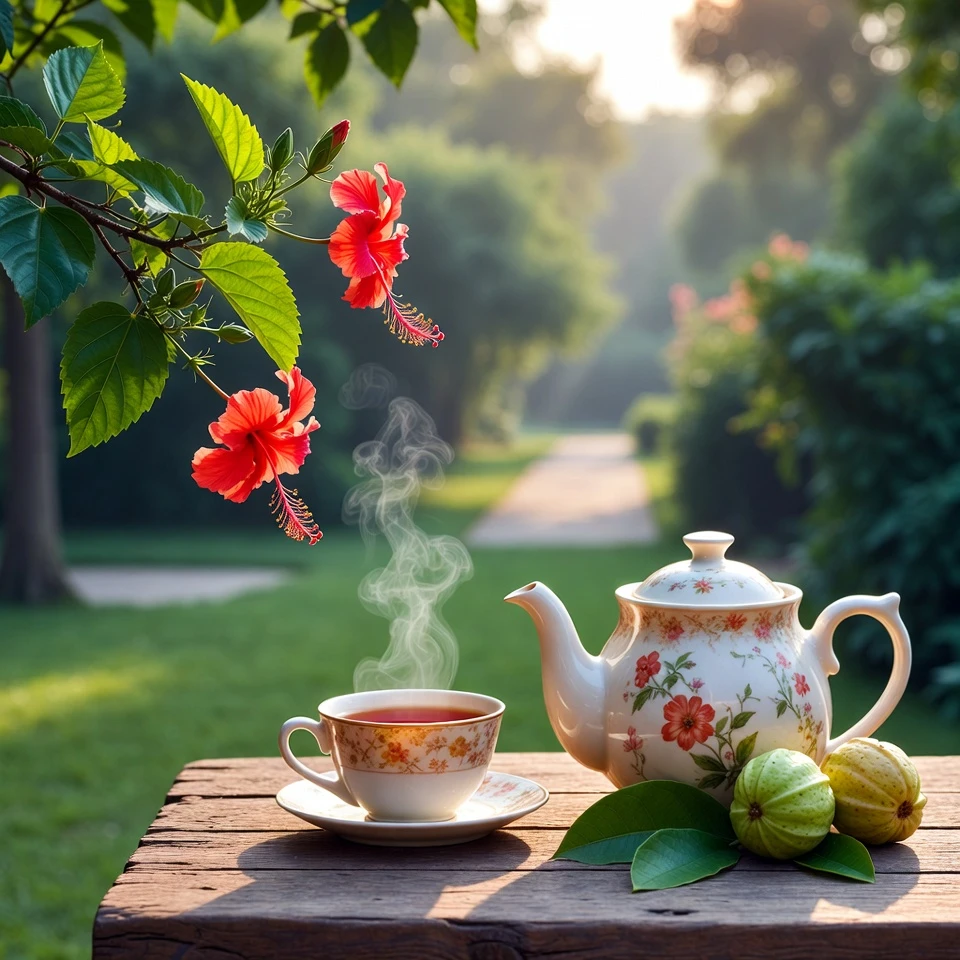
A gentle, plant-based option that has attracted growing interest is a simple herbal tea made with hibiscus, guava leaves, and cloves. This blend has been discussed in wellness communities (including mentions linked to metabolic health educator Dr. Frank Suárez) because it combines traditional use with increasing scientific curiosity. Below is a clear look at what each ingredient may offer, why they’re often paired together, and how to make this tea at home as a calming daily ritual.
Why Metabolic and Circulatory Issues Often Increase After 50
With age, the body naturally changes in ways that can affect everyday wellness:
- Insulin sensitivity may decline, influencing glucose balance.
- Blood vessels can become less elastic, impacting healthy blood pressure.
- Low-grade inflammation and oxidative stress tend to rise over time.
- Circulation can slow, leading to colder extremities or tired legs.
These shifts can translate into practical frustrations—energy dips after eating, concerns about long-term heart health, or discomfort tied to poor blood flow. While diet, movement, sleep, and stress management remain foundational, many people also look for simple, low-effort habits that fit easily into daily life.
Why Hibiscus, Guava Leaf, and Clove Tea Is Getting Attention
Across different cultures, hibiscus (Hibiscus sabdariffa), guava leaves (Psidium guajava), and cloves (Syzygium aromaticum) have long histories in traditional wellness practices. Modern research has turned toward their naturally occurring compounds, including:
- Polyphenols and flavonoids
- Anthocyanins (especially in hibiscus)
- Quercetin-related compounds (noted in guava leaves)
- Eugenol (the signature bioactive in cloves)
Together, these plants are studied for their antioxidant activity and their potential role in supporting healthy vascular function, balanced inflammation responses, and metabolic steadiness—especially when used consistently alongside a healthy lifestyle.
Hibiscus Tea: Potential Support for Healthy Blood Pressure
Among herbal teas, hibiscus is one of the most frequently studied for cardiovascular wellness. Human trials and broader reviews suggest that regular intake may help support healthy blood pressure levels, particularly by encouraging blood vessel relaxation.
Some analyses indicate hibiscus may act in ways that resemble ACE-inhibition-like activity, which can contribute to modest improvements in systolic readings for certain groups. Reported average changes in some studies have been around 7–10 mmHg in systolic pressure—though results vary by individual and context.
For many people, hibiscus is appealing because it’s:
- Naturally caffeine-free
- Bright, tart, and easy to drink
- A simple addition to an established routine
Guava Leaf Tea: Supporting More Stable Blood Sugar After Meals
Guava leaves are increasingly discussed for their relationship to post-meal glucose response. Research— including some human studies—suggests guava leaf tea or extract may help reduce sharp spikes after eating.
One proposed mechanism is the inhibition of digestive enzymes such as alpha-glucosidase, which can slow carbohydrate breakdown and absorption. Other findings point to potential support for insulin signaling and longer-term metabolic steadiness, with benefits often attributed to guava leaf polyphenols and related compounds.
Practical detail often mentioned in herbal traditions and some analyses:
- Younger, more tender guava leaves may contain higher concentrations of certain beneficial constituents.
Cloves: Circulation Comfort and Inflammation Balance
Cloves contribute more than flavor. Their standout compound, eugenol, is studied for properties connected to:
- Inflammation modulation
- Vasodilation (blood vessel relaxation)
- Microcirculation support
- Possible effects related to platelet activity and endothelial function
Traditionally, cloves are also described as “warming,” and some users associate them with improved comfort in hands and feet or less heaviness linked to sluggish circulation.
Why the Blend May Work Better Together (Synergy)
Each plant tends to “specialize” in a different area:
- Hibiscus: supports broader vascular relaxation and cardiovascular markers
- Guava leaf: focuses on glucose steadiness, especially after meals
- Clove: supports microcirculation and inflammation comfort
When combined, the tea becomes a multi-target option, with overlapping antioxidant support that may help address shared drivers such as oxidative stress.
8 Ways This Tea May Support Daily Well-Being
This blend is often used as a gentle, supportive habit that may contribute to:
- Antioxidant defense against everyday oxidative stress
- More comfortable circulation in legs, feet, and hands
- Support for healthy cholesterol patterns as part of a balanced lifestyle
- Cellular wellness support through polyphenol intake
- Digestive comfort and a soothing post-meal ritual
- Mild calming effects that may pair well with stress reduction habits
- Nutrient support, including vitamin C (notably from hibiscus) and trace minerals
- More even daily energy, without caffeine-related spikes and crashes
How This Tea Fits Among Other Common Options
Different strategies can help, but each has tradeoffs. Here’s a simple comparison:
-
Prescription blood pressure approaches
- Main benefit: rapid and measurable control
- Limitations: potential side effects; ongoing dependency for many
- Tea’s role: a supportive, enjoyable daily habit (not a replacement)
-
Glucose-management medications
- Main benefit: targeted blood sugar control
- Limitations: cost and tolerance can vary
- Tea’s role: plant-based support that may complement lifestyle changes
-
Circulation supplements
- Main benefit: short-term support for blood flow comfort
- Limitations: inconsistent results; can be expensive
- Tea’s role: low-cost, routine-friendly approach when used consistently
-
Hibiscus–Guava–Clove tea
- Main focus: circulation + glucose steadiness + inflammation balance
- Key requirement: consistency over time
- Strength: synergistic blend, affordable, and easy to maintain
How to Make Hibiscus, Guava Leaf, and Clove Tea (Step by Step)
Ingredients
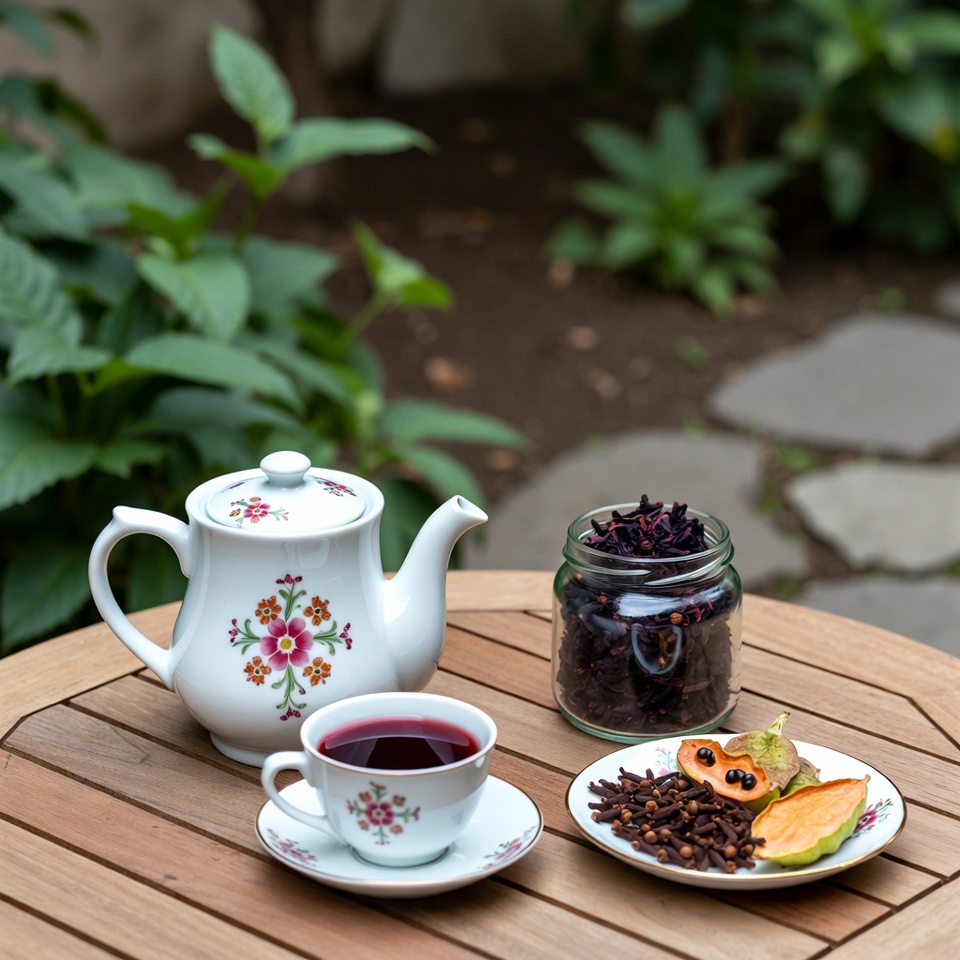
- 1 tablespoon dried hibiscus calyces
- 4–5 guava leaves (fresh or dried; younger leaves often preferred)
- 3–5 whole cloves
- 4 cups water
Directions
- Bring 4 cups of water to a boil.
- Add hibiscus, guava leaves, and cloves.
- Lower heat and simmer covered for 10–15 minutes.
- Strain and drink warm.
- Begin with 1–2 cups daily (commonly morning and evening).
Optional add-on
- Add a thin slice of lemon for flavor and an extra vitamin C boost.
Brewing tip: Keep the pot covered while simmering to help preserve clove’s aromatic oils. When possible, choose clean, high-quality (ideally organic) herbs for purity.
What to Expect Over Time (A Realistic Timeline)
Results are typically gradual, not instant. Many people track how they feel and monitor relevant readings with their clinician’s guidance.
- Weeks 1–2: tea may feel calming; some notice less puffiness or improved comfort
- Weeks 3–4: with consistency, some people report steadier energy and improved circulation comfort
- After 1 month: benefits may feel more noticeable when paired with walking, balanced meals, hydration, and stress reduction
The key is regularity—small improvements often build with time.
Final Takeaway: A Simple Daily Ritual for Metabolic and Circulatory Support
Hibiscus, guava leaf, and clove tea offers a practical, pleasant way to support circulation, blood pressure awareness, and blood sugar balance as part of a broader healthy lifestyle. Because it’s flavorful and soothing, it can be easier to stick with than more complicated routines.
Brew a batch, try it consistently for a week, and note changes in comfort, energy, and overall daily rhythm—then consider sharing the habit with someone who may benefit from a gentle, caffeine-free wellness ritual.
Frequently Asked Questions
Can I drink this tea if I take medications?
Check with your healthcare professional first. Hibiscus and other herbs may interact with blood pressure or glucose-related medications, and individual circumstances vary.
How much should I drink per day?
A common starting point is 1–2 cups daily. More is not always better—pay attention to how you respond and adjust accordingly with professional guidance if needed.
Is this tea safe to use long term?
For many people, moderate intake is well tolerated, but long-term use should be approached thoughtfully. Monitor your health markers and consult a clinician, especially if you have a medical condition or take prescription medications.
Medical Disclaimer
This content is for informational purposes only and is not medical advice. It does not diagnose, treat, cure, or prevent any disease. Always consult a qualified healthcare professional before making changes to your diet or routine, particularly if you have health conditions or use medications.