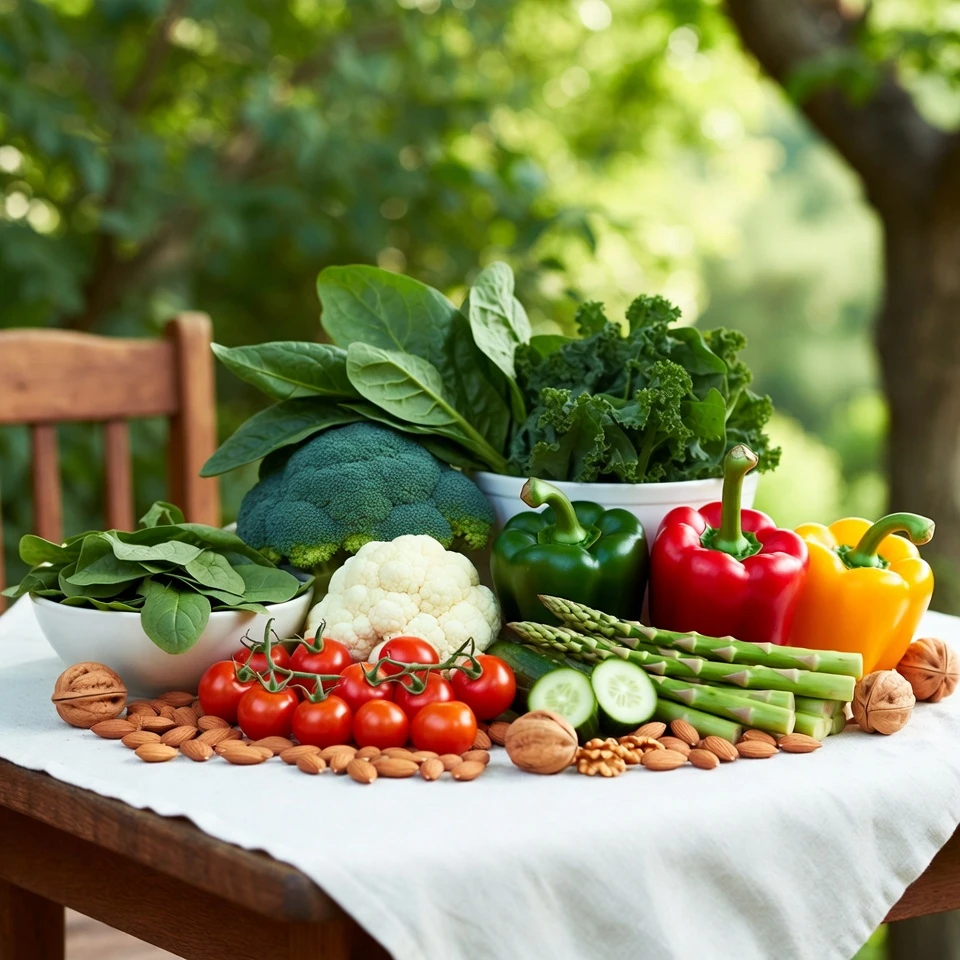
Steady Blood Sugar After Meals: 10 Non-Starchy Vegetables That Support Diabetes Management
Managing diabetes often means navigating those frustrating after-meal glucose jumps that can leave you tired, discouraged, and anxious about the next reading. Between frequent monitoring, “hidden” carbs, and the challenge of finding meals that feel satisfying without triggering spikes, eating can start to feel stressful—especially as metabolism and insulin sensitivity tend to shift with age.
One practical, food-first strategy is simple: eat more low-carb, high-fiber non-starchy vegetables. These options deliver volume, nutrients, and fiber with a relatively low glycemic impact—helping many people support steadier blood sugar patterns while still enjoying real, filling meals.
In this guide, you’ll find 10 science-supported vegetable choices, chosen for their fiber content, low digestible carbohydrate load, and overall benefits for diabetes-friendly eating.
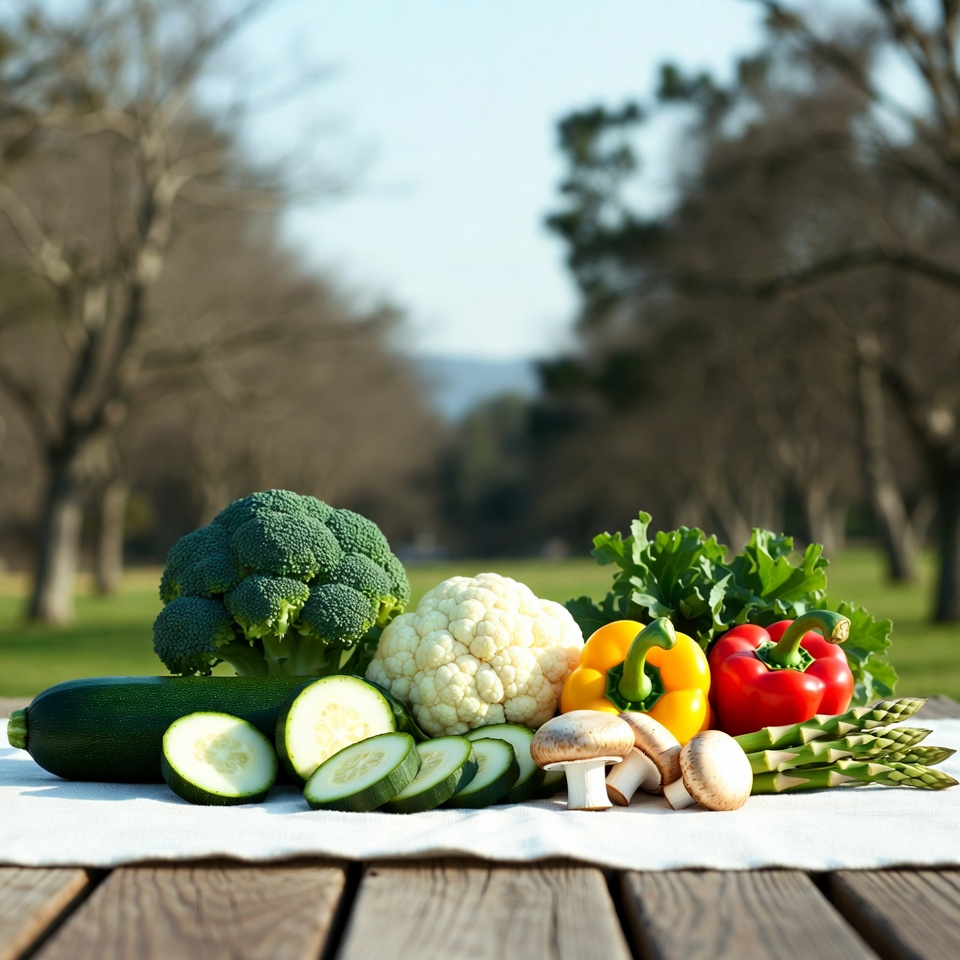
Why Non-Starchy Vegetables Help Reduce Post-Meal Spikes
After age 50, blood sugar control can become more challenging due to factors such as reduced insulin sensitivity, changes in activity, and often lower overall fiber intake. Evidence summarized in resources such as the American Diabetes Association consistently points to the value of non-starchy vegetables: they’re typically low in digestible carbs and rich in soluble and insoluble fiber, which can:
- Slow carbohydrate absorption, reducing rapid glucose rises
- Improve fullness (satiety), making it easier to manage portions
- Support overall cardiometabolic health through micronutrients and antioxidants
Research also suggests that higher intakes of vegetables—especially leafy greens and cruciferous vegetables—are linked with better glycemic outcomes in many adults with type 2 diabetes.
A helpful rule of thumb: fill at least half your plate with non-starchy vegetables, and keep an eye on total carbs per meal based on your personal targets and clinician guidance.
Quick Comparison: 10 Top Non-Starchy Vegetables for Diabetes-Friendly Meals
Below is a fast, practical overview with easy ways to use each vegetable daily:
- Spinach — High in magnesium; supports insulin-related processes. Try: 2 cups raw in a salad.
- Broccoli — Contains sulforaphane; associated with inflammation support. Try: 1 cup steamed.
- Zucchini — Very low carb (often under ~5g per cup); helps with fullness. Try: 1 medium, grilled.
- Bell peppers — Excellent vitamin C and antioxidant profile. Try: ½ cup sliced, raw.
- Cauliflower — Popular rice/potato substitute with far fewer carbs. Try: 1 cup “riced.”
- Kale — Rich in fiber and flavonoids (including quercetin). Try: 1 cup sautéed.
- Brussels sprouts — Nutrient-dense; includes antioxidants studied for nerve support. Try: ¾ cup roasted.
- Asparagus — Folate-rich; supports cardiovascular health pathways. Try: 6 spears, grilled.
- Green beans — Contains chromium; may support glucose metabolism in some people. Try: 1 cup lightly cooked.
- Cucumber — Very high water content; hydration with minimal carbs. Try: sliced in salad or water.
These vegetables generally have a much smaller blood sugar impact than starchy choices like potatoes, corn, or many processed grain sides.
#10 Spinach: A Simple Daily Staple for More Stable Energy
Spinach is low in calories and carbs while delivering a strong nutrient profile. Its magnesium content is particularly notable because magnesium plays a role in how the body uses insulin. Diets rich in leafy greens are frequently associated with healthier glucose patterns.
- Easy uses: blend into smoothies, toss into omelets, layer into sandwiches, or build a large salad base.
#9 Broccoli: Cruciferous Fiber + Sulforaphane Support
Broccoli offers fiber and bioactive compounds such as sulforaphane, which has been studied for its relationship to inflammation and metabolic health—relevant topics in diabetes care. It adds bulk to meals without loading them with carbs.
- Easy uses: steam, roast, or stir-fry; pair with lean protein to stay full longer.
#8 Zucchini: Hydrating, Mild, and Extremely Versatile
Zucchini is mostly water, very low in digestible carbs, and easy to incorporate into almost any cuisine. Its volume can help you feel satisfied while supporting a lower-carb pattern.
- Easy uses: spiralize into “zoodles,” grill as a side, chop into soups, or add to stir-fries.
#7 Bell Peppers: Crunchy Antioxidants with Vitamin C
Bell peppers bring color, crunch, and a strong antioxidant profile—especially vitamin C. These nutrients can support overall wellness, including circulation and eye health, which are common priorities for people managing diabetes.
- Easy uses: eat raw with a light dip, slice into salads, roast for a sweeter flavor, or sauté for fajitas.
#6 Cauliflower: The Low-Carb “Transformer” Vegetable
Cauliflower is famous for a reason: it can stand in for higher-carb favorites like rice, mashed potatoes, or even pizza crust—often dramatically reducing the meal’s total carbs.
- Easy uses: cauliflower rice bowls, mashed cauliflower, roasted florets, or blended into soups for creaminess.
#5 Kale: Nutrient-Dense Greens for Long-Lasting Fullness
Kale delivers fiber plus plant compounds such as flavonoids (including quercetin). It’s hearty enough to hold up in warm dishes and pairs well with proteins and healthy fats.
- Easy uses: sauté with garlic, massage with lemon for salads, or add to soups and stews.
#4 Brussels Sprouts: Roasted Flavor with Antioxidant Benefits
Brussels sprouts become especially enjoyable when roasted, which brings out a natural sweetness without adding sugar. They contain antioxidants, including compounds studied for potential roles in metabolic and nerve health (a common concern in long-term diabetes).
- Easy uses: roast with olive oil, pepper, and spices; add a splash of balsamic for a stronger flavor.
#3 Asparagus: A Quick Side Rich in Folate
Asparagus provides folate and other B vitamins that support key cardiovascular pathways. Since heart health and diabetes are closely linked, asparagus is a smart, easy add-on to meals.
- Easy uses: grill, steam, or roast; finish with lemon and herbs for a clean, fresh side.
#2 Green Beans: Crisp Volume with Minimal Glycemic Impact
Green beans bring satisfying texture with relatively few carbs. They also contain chromium, a mineral associated in some research with insulin action and glucose metabolism.
- Easy uses: lightly steam or sauté; toss into salads; mix with almonds, garlic, or herbs.
#1 Cucumber: Hydration and Freshness with Near-Zero Carb Load
Cucumbers are largely water, making them a go-to option for hydration and “between-meal” crunch without a meaningful carb burden for most people.
- Easy uses: slice into salads, snack with salt and pepper, or add to water for a refreshing drink.
A Simple Daily Vegetable Plan (Diabetes-Friendly and Realistic)
A practical approach aligned with common diabetes nutrition guidance: aim for 3–5 servings of non-starchy vegetables per day, and try to make them half your plate at main meals.
- Breakfast: add spinach or kale to eggs, or blend into a smoothie
- Lunch: include broccoli or Brussels sprouts as a roasted side
- Snack: cucumber slices or zucchini sticks with a light dip
- Dinner: build meals around bell peppers, asparagus, and/or green beans
Monitor your glucose response and adjust portions and meal composition as needed—small changes often add up quickly.
Easy Ways to Keep Vegetables Interesting
- Swap pasta for zucchini noodles with herbs
- Build cauliflower rice bowls with protein and healthy fats
- Make balsamic-roasted Brussels sprouts for a savory-sweet side
- Rotate colors and cooking methods (raw, steamed, grilled, roasted) to avoid boredom
Medical Disclaimer
This article is for informational purposes only and does not replace professional medical advice. Consult your healthcare provider before making dietary changes, especially if you have diabetes or use glucose-lowering medications.
FAQ
How many vegetables should I eat per day if I have diabetes?
Many guidelines (including the American Diabetes Association’s plate method) emphasize filling half your plate with non-starchy vegetables at meals. For many adults, that often comes out to roughly 2–4 cups per day, depending on calorie needs and personal targets.
Do all vegetables raise blood sugar the same way?
No. Non-starchy vegetables (like leafy greens, broccoli, cucumbers) usually have a smaller glucose impact due to low digestible carbs and high fiber. Starchy vegetables (like potatoes and corn) tend to raise blood sugar more noticeably.
Is it better to eat these vegetables raw or cooked?
Both can work well. Raw vegetables keep crunch and can preserve certain nutrients, while cooking (steaming, roasting, sautéing) often improves flavor and digestibility—typically without creating a major glycemic issue for non-starchy vegetables.