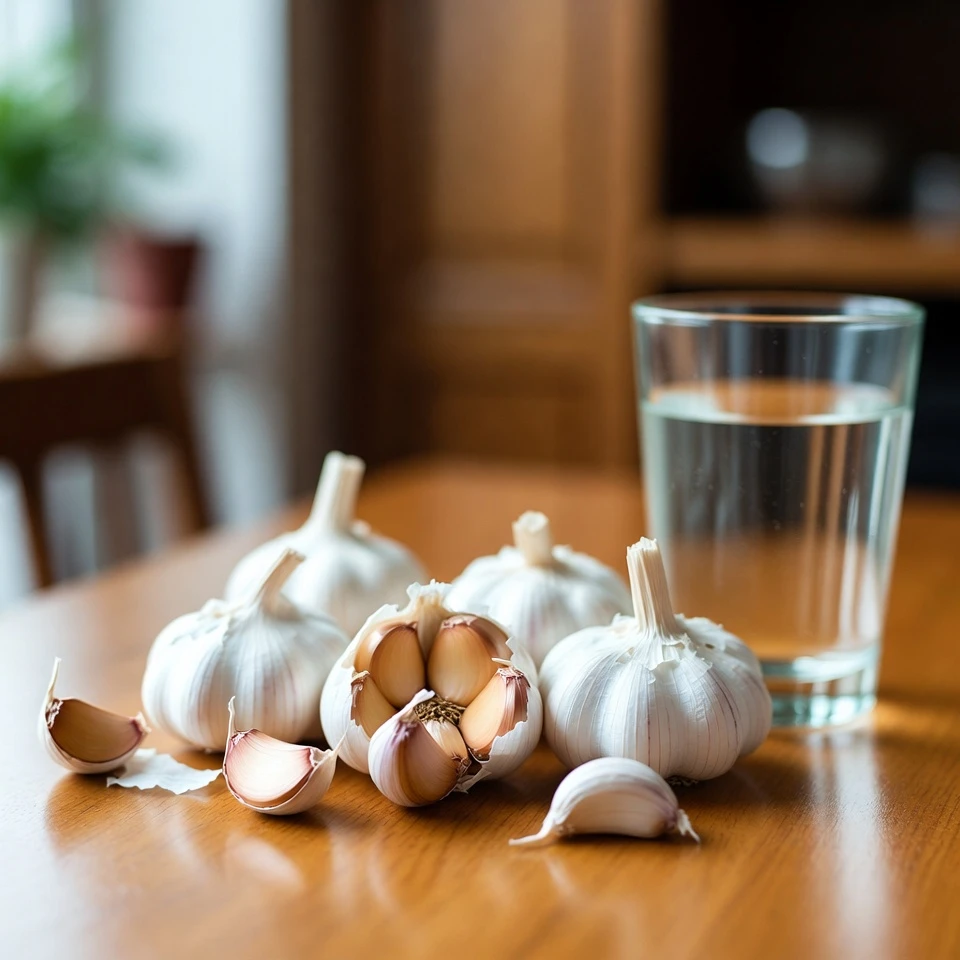
You add garlic to your meals every day to benefit from its widely known wellness support—yet you still notice weak results, occasional stomach upset, or a sense that it “isn’t doing much.” In many kitchens, garlic is handled in ways that quietly break down its most valuable natural compounds. The result: plenty of flavor, but far less of the functional potential you were aiming for.
The encouraging part is that you don’t need a complicated routine. A few small, science-informed tweaks can dramatically improve how much you get from garlic. And the most powerful change is surprisingly simple: how you handle garlic in the minutes before cooking or eating it.
Why Garlic Is Worth Using Daily
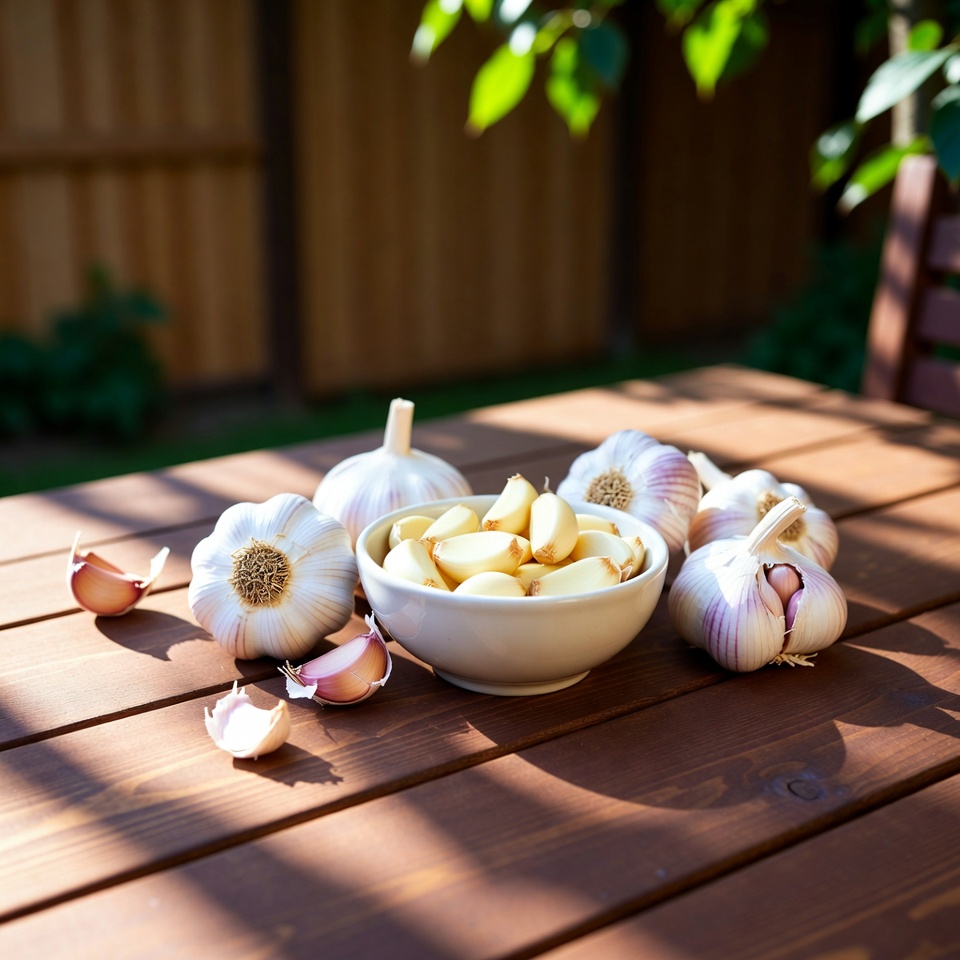
Garlic has been valued for centuries as more than a seasoning. When fresh garlic is crushed or chopped, a chemical reaction is triggered that produces allicin—a sulfur-containing compound studied for its potential role in:
- Heart health support
- Immune function support
- Helping the body manage everyday inflammation
- Antioxidant activity
Evidence discussed by research groups such as the Linus Pauling Institute, along with findings from human studies, suggests garlic may offer modest benefits like supporting healthy cholesterol levels and helping maintain normal blood pressure. Many people also report subtle improvements in seasonal comfort and overall day-to-day resilience when garlic is used consistently and prepared properly.
The catch: garlic’s potential benefits depend heavily on preparation and timing. If you use the wrong method, you may end up with little more than strong taste (and strong breath).
7 Common Garlic Mistakes That Reduce Its Benefits
Mistake #7: Adding Chopped Garlic Straight into High Heat
Mincing garlic and tossing it immediately into a hot pan feels efficient, but it can undermine the chemistry that makes garlic special.
Allicin formation is not instant. After crushing or chopping, garlic needs time for the reaction to complete—often cited as around 10 minutes. If you expose it to high heat right away, much of the allicin potential can be lost.
- What you keep: flavor
- What you lose: much of the functional compound development
Better habit: chop or crush first, then let it rest in open air for 10–15 minutes before cooking.
Mistake #6: Overcooking Garlic (or Using the Microwave)
Garlic’s beneficial compounds are heat-sensitive. Long simmering times and intense heat can reduce antioxidant-related activity and weaken other desirable compounds.
Food science findings commonly show that even short microwave exposure can significantly reduce garlic’s functional effects. Overcooked garlic may taste sweet and mellow—but it’s typically less aligned with health-focused use.
Better habit: after resting, use gentle heat and shorter cooking times, ideally adding garlic later in the cooking process.
Mistake #5: Taking Raw Garlic on a Completely Empty Stomach
Swallowing a raw clove first thing in the morning might sound like a strong “health move,” but it often backfires. Raw garlic can be harsh and irritating, especially without food, and may trigger:
- Heartburn
- Nausea
- Bloating
- Stomach discomfort
Digestive irritation is frequently reported in research and real-world use when raw garlic is taken in larger amounts, especially on an empty stomach.
Better habit: pair garlic with food—mix it into a meal, blend into a dressing, or combine with honey.
Mistake #4: Assuming “More Is Better”
Many people do best with a moderate amount. A commonly suggested daily range is 1–2 cloves for general wellness use.
Regularly pushing far beyond that—especially with raw garlic—can increase the odds of:
- Persistent bad breath or body odor
- Gas and digestive upset
- Stomach burning
- Increased bleeding tendency (because garlic can influence clotting)
Better habit: aim for consistency, not extremes. Moderate intake is typically easier to sustain and gentler on the body.
Mistake #3: Ignoring Possible Medication Interactions
Garlic may mildly affect blood clotting and blood pressure. If you take certain medications—such as blood thinners, some blood pressure drugs, or specific therapies (including some HIV treatments)—high garlic intake could potentially amplify those effects.
Organizations like the National Center for Complementary and Integrative Health (NCCIH) advise caution in these situations.
Better habit: if you plan to significantly increase garlic intake (or use concentrated garlic supplements), consult your clinician—especially if you have a medical condition or take prescriptions.
Mistake #2: Using Old, Sprouted, or Jarred Pre-Minced Garlic
As garlic ages, its potency tends to decline. A green sprout is not necessarily dangerous, but it often signals a clove that’s past peak quality, with:
- More bitterness
- Less overall strength
Pre-minced jar garlic is convenient, but industrial processing typically reduces its ability to generate allicin compared with fresh garlic.
Better habit: choose firm, fresh bulbs and store them correctly (cool, dry, and well-ventilated). Use fresh garlic more often than jarred if wellness benefits are your goal.
Mistake #1 (Biggest): Not Crushing or Chopping Garlic
This is the most important point: if you don’t break the garlic cells, you don’t properly activate the allicin-forming reaction.
- Swallowing cloves whole
- Barely slicing them
- Adding large chunks without crushing
All of these can drastically reduce allicin formation.
Best practice (non-negotiable):
- Crush, mince, or finely chop fresh garlic
- Rest it for 10–15 minutes
- Eat it raw with food or cook it lightly
This single timing step is the “unlock” that many people miss.
How to Use Garlic Properly (Simple Step-by-Step)
Follow this practical routine to maximize garlic’s potential without making your diet complicated:
- Buy fresh garlic: choose firm bulbs with no soft spots.
- Activate it: crush/mince/chop thoroughly.
- Wait: let it sit 10–15 minutes exposed to air.
- Use a moderate dose: start with 1–2 cloves per day.
- Always take with food: mix into meals to reduce stomach irritation.
- Cook smart: add garlic later in cooking, using gentle heat.
- Track your tolerance: notice digestion, breath/body odor changes, and overall comfort after 1–2 weeks.
Raw vs. Cooked Garlic: What Changes?
- Raw (crushed + rested): highest allicin potential; best for those who tolerate it well
- Great for: dressings, dips, spreads, mixed with honey
- Lightly cooked (after resting): better flavor balance with some functional compounds retained
- Great for: stir-fries, soups, sauces (added near the end)
- Overcooked or microwaved: mostly flavor, minimal functional value
- Best when: taste is the only priority
Quick Safety Checklist
- Typical daily amount: 1–2 cloves
- Key timing: crush/chop → rest 10+ minutes
- Take with food: yes, especially if you’re sensitive
- Medication caution: talk to a clinician if on blood thinners or relevant prescriptions
- Storage: cool, dry, ventilated area
Try This Tomorrow (The Habit That Matters Most)
Crush one clove, wait 10 minutes, then mix it into something easy—like a breakfast salad, a yogurt-based dip, or a spoonful of honey. Many people notice garlic feels more supportive once they correct this single preparation habit.
Traditional food cultures often did this intuitively. Modern research helps explain why it works.
Frequently Asked Questions
How much garlic is too much?
For general daily use, many experts suggest 1–2 cloves. Higher intake increases the likelihood of side effects such as digestive discomfort, strong odor, and (in some people) increased bleeding tendency.
Is garlic better raw or cooked?
Raw garlic (crushed and rested) typically preserves more allicin potential. Light cooking after resting can still retain some benefits while being easier on digestion and more pleasant in flavor.
Can I use garlic if I have acid reflux?
Raw garlic can aggravate reflux in some individuals. If you’re sensitive, try smaller amounts, always with food, and consider lightly cooking garlic after the rest period to reduce irritation.