How to Make Aloe Vera Oil for Hair at Home
If your hair feels dry, looks frizzy, and has lost its natural softness and shine, you are not alone. Many people spend money on commercial serums and hair oils only to find that the results are disappointing. In many cases, store-bought formulas contain harsh additives or heavy silicones that can coat the scalp, create buildup, and leave hair feeling greasy instead of healthy.
That is exactly why homemade aloe vera oil has become so popular in natural hair care. It offers a simpler, cleaner option for anyone who wants better control over what goes onto their scalp and strands.
The best part is that making it is much easier than most people expect. With only a few common ingredients, you can create a nourishing hair oil at home. Even better, you can tailor the recipe to match your own hair type and preferences.
Why Aloe Vera Oil Is So Popular for Hair Care
Aloe vera has a long history in traditional beauty practices across many cultures. Its soothing gel is widely known for its refreshing and hydrating qualities. When that gel is infused into a carrier oil, the result is a light, versatile blend that many people use to help keep hair softer and easier to manage.
Aloe vera naturally contains vitamins, enzymes, and amino acids, which is one reason it has earned such a strong reputation in beauty routines. Many people who use aloe vera oil regularly say their hair looks smoother, shinier, and healthier over time. Of course, results can differ from person to person, but one major advantage of this DIY method is that you stay in full control of every ingredient.
What Is Aloe Vera Oil?
Aloe vera oil is usually an infusion made by gently heating fresh aloe vera gel with a base oil such as coconut oil or olive oil. This process helps transfer some of the plant’s beneficial compounds into the oil, creating a hair treatment that is easy to use.
Unlike fresh aloe gel, which contains a lot of water and spoils quickly, aloe vera oil tends to last longer and is more convenient to apply. It also spreads more evenly through the hair and scalp.
If you notice a green tint in homemade aloe vera oil, that color often comes from the natural pigments in fresh aloe leaves.
Ingredients You Need
Before you begin, make sure you have good-quality ingredients. For a basic batch, gather the following:
- 1 to 2 large fresh aloe vera leaves
- 2 cups of carrier oil
- Use coconut oil if you prefer a richer texture
- Use olive oil if you want a lighter finish
- Optional additions:
- A few drops of vitamin E oil for extra preservation
- A few drops of essential oil for fragrance, such as lavender
Whenever possible, use fresh aloe vera instead of packaged aloe gel for the best freshness and quality.
Step-by-Step Guide to Making Aloe Vera Oil
This recipe is simple and usually takes around 30 to 45 minutes of active preparation, plus time for cooling. Follow each step carefully for the best outcome.
Step 1: Prepare the Aloe Vera
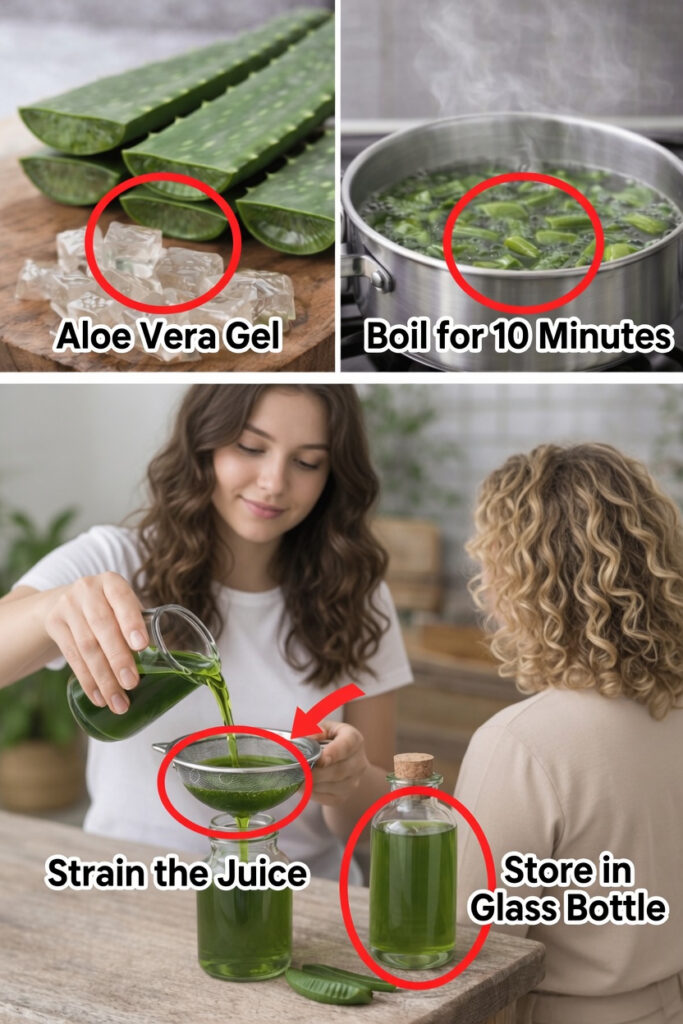
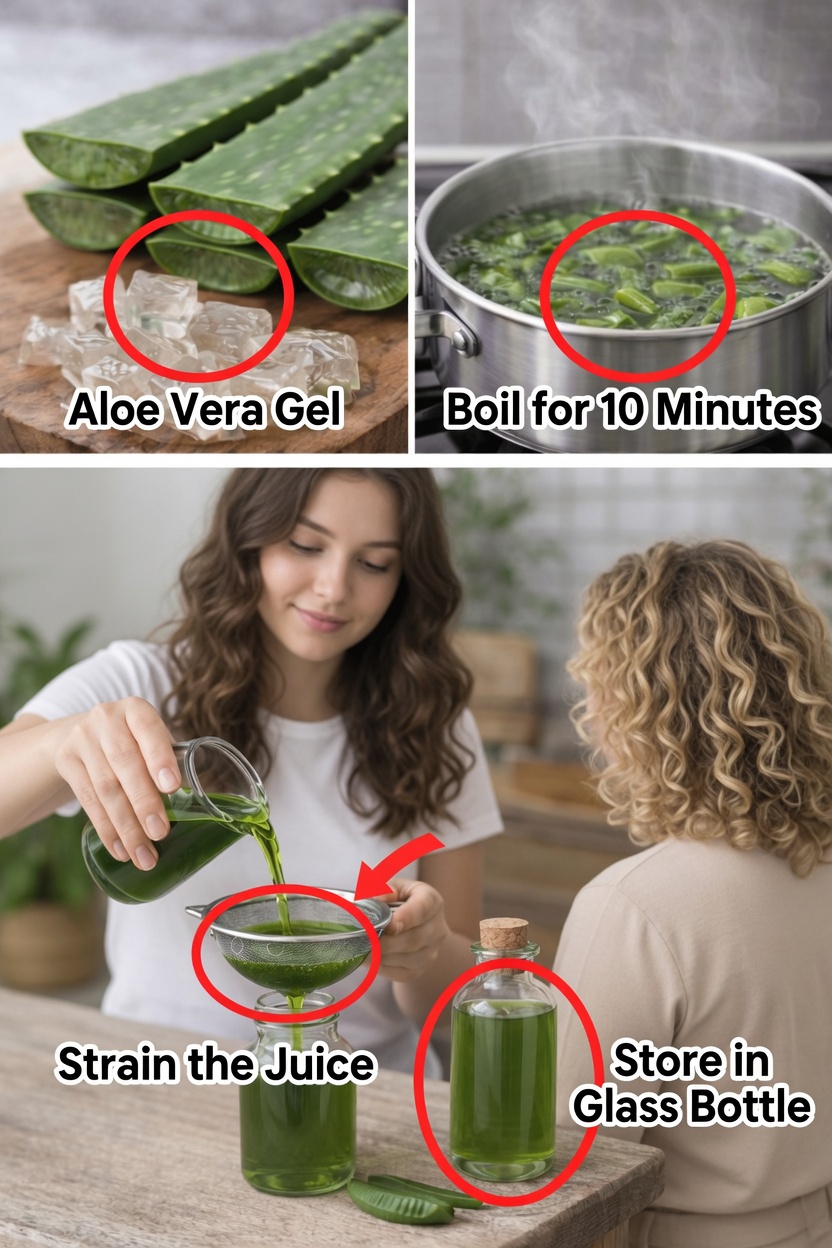
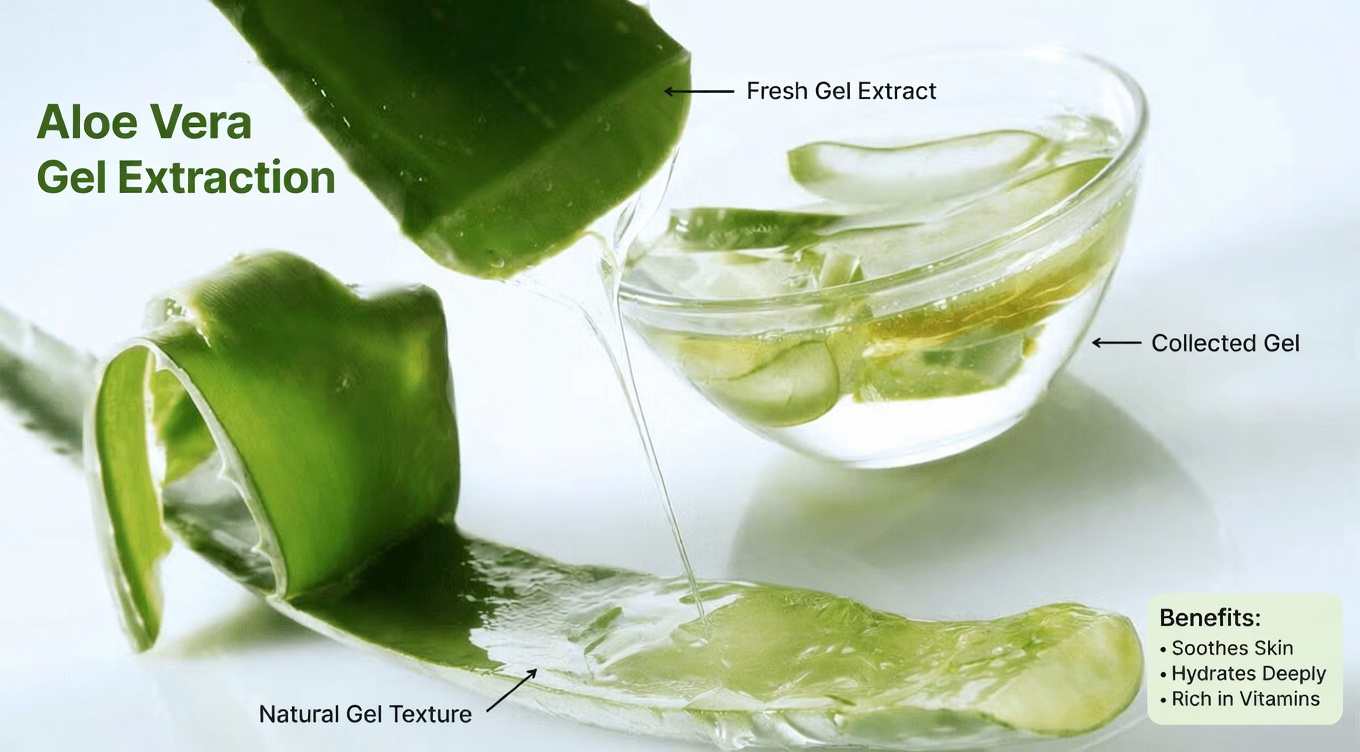
Cut a large aloe vera leaf from the plant using clean scissors or a knife. Rinse it well under running water to remove dust or residue, then dry it with a clean towel.
Trim off the spiky edges along both sides of the leaf. After that, either cut the leaf into small pieces or scoop out the clear inner gel. If you use the whole inner portion, chop it into smaller chunks so more of the aloe can infuse into the oil.
Step 2: Warm the Carrier Oil
Pour the 2 cups of carrier oil into a heavy-bottomed pan or a double boiler. Heat it over very low heat. The oil should become warm, not smoking or rapidly bubbling.
Gentle heat is important because it helps release the aloe’s properties into the oil without damaging more delicate compounds.
Step 3: Infuse the Aloe into the Oil
Add the chopped aloe vera pieces or gel to the warm oil. Stir slowly with a wooden spoon or other clean utensil.
Let the mixture stay on low heat for about 15 to 25 minutes. You may hear some light sizzling during this time. That happens because aloe vera contains water, and the moisture is gradually evaporating. This is expected.
Stir from time to time and watch the mixture closely. As the infusion develops, the oil may begin to turn slightly green.
Step 4: Cool and Strain the Mixture
Take the pan off the heat and let everything cool fully before handling it further. This step helps protect both your safety and the quality of the oil.
Once the mixture has cooled, strain it through a fine mesh sieve or cheesecloth into a clean glass jar or bottle. Press the aloe solids gently to release as much infused oil as possible, then discard the leftover plant matter.
Straining well is essential because it gives you a smoother final oil and reduces the chance of watery residue being left behind.
Step 5: Bottle and Store the Oil
Pour the finished aloe vera oil into a dark glass bottle if you have one, as this helps protect it from light exposure. Add a label with the preparation date, then store it in a cool, dark place such as a cupboard.
You can use the oil immediately, but some people prefer to let it rest for a day or two so the infusion can deepen slightly.
Tips for Better Results
Making aloe vera oil is easy, but using it well can make a big difference. Keep these tips in mind:
-
Do a patch test first
- Apply a small amount to the inside of your arm before using it on your scalp
- This helps check for any irritation or sensitivity
-
Warm it in your hands
- Rub a little between your palms before application
- This can help it spread more easily through the hair
-
Massage it into the scalp
- Use gentle circular motions
- Many people find this soothing and helpful for even distribution
For a customized version, some people like adding:
- 1 teaspoon of castor oil for a thicker texture
- A few drops of rosemary essential oil, properly diluted, for a more personalized blend
How to Use Aloe Vera Oil on Hair
Adding this oil to your hair routine is simple. Here are a few popular ways to use it:
1. As a Pre-Wash Treatment
- Apply the oil to dry hair and scalp
- Cover your hair with a shower cap
- Leave it on for 30 to 60 minutes, or overnight if preferred
- Wash out with shampoo as usual
2. As a Scalp Massage Oil
- Use a small amount directly on the scalp between washes
- Massage gently to help moisturize and soothe dry areas
3. As a Light Leave-In Finish
- Mix a tiny amount into your regular conditioner
- Or apply sparingly to the ends of your hair to reduce frizz and add shine
Because this is an oil-based product, start with a small amount. You can always add more if needed.
How Aloe Vera May Improve Hair Appearance
Aloe vera is valued in hair care mainly because of its moisture-supporting properties. People often use it because it may help:
- Make hair feel softer
- Improve the appearance of hydration
- Calm occasional scalp dryness or discomfort
- Enhance shine with regular use
- Blend easily into other DIY beauty recipes
Some early research has explored aloe vera’s role in skin and scalp hydration, though more studies are still needed. Even so, its traditional use in beauty care has remained strong for generations.
Common Mistakes to Avoid
Even a simple recipe can go wrong if you are not careful. Try to avoid these common issues:
-
Using too much heat
- High temperatures can reduce the quality of the infusion
-
Skipping proper straining
- Leftover watery bits may lead to separation later
-
Using old aloe leaves
- Fresh leaves with clear gel work best
- Avoid yellowed or damaged leaves
Easy Variations to Try
Once you are comfortable with the basic method, you can experiment with a few safe adjustments.
Choose a Different Base Oil
- Coconut oil
- Good for thicker or drier hair
- Jojoba oil
- Offers a lighter feel
- Olive oil
- A balanced option for many hair types
Add Essential Oils
You can include a few drops of essential oil for scent or personal preference. Popular options include:
- Lavender
- Tea tree
Always dilute essential oils properly and do not add too much.
Make a Larger Batch
If you want more oil, simply double the ingredients. Just remember to keep the heat low throughout the process.
Storage and Shelf Life
Homemade aloe vera oil usually keeps for about 2 to 3 months when stored correctly. Adding vitamin E may help extend its freshness.
Before each use, check for:
- An unusual smell
- Changes in color
- Signs of spoilage
If anything seems off, it is better to discard the batch and make a fresh one.
Conclusion
Making aloe vera oil at home is a simple and satisfying way to create a more natural hair care product. It gives you control over the ingredients, avoids many unnecessary additives, and fits easily into a regular routine.
With just fresh aloe vera, a carrier oil, and a little time, you can prepare a nourishing blend that may leave your hair feeling softer, smoother, and easier to manage.
Try making a batch this weekend and see how it works for your hair. It could become one of the most useful and affordable additions to your beauty routine.
FAQ
How long does it take to notice results from aloe vera oil on hair?
Results vary from person to person. Many people say their hair feels softer and more moisturized after several consistent uses over 2 to 4 weeks.
Can I use aloe vera oil on colored or chemically treated hair?
Yes, in most cases it is considered a gentle option. Still, it is always best to patch test first and use a small amount to see how your hair responds.
Which oil is best to combine with aloe vera?
That depends on your hair type. Coconut oil works well for dry or thick hair, while olive oil or jojoba oil may feel lighter on finer hair.
Can I leave aloe vera oil on overnight?
Yes, many people use it as an overnight pre-wash treatment. Just protect your pillow and wash it out thoroughly the next day.
How often should I use homemade aloe vera oil?
A common starting point is 1 to 2 times per week. You can adjust based on how your scalp and hair feel after use.