Plaque Buildup After 50: How Food Can Support Healthier Arteries
Many adults over 50 live with gradual plaque buildup in the arteries—known as atherosclerosis—without realizing it. Over time, this process can narrow blood vessels and reduce circulation, especially when cholesterol, fats, and inflammation repeatedly irritate and “stick” to artery walls. The result may show up as subtle day-to-day changes: lower stamina, discomfort during activity, or increasing cardiovascular risk later on.
The encouraging part is that lifestyle—especially diet—can influence how quickly plaque develops. Diets high in processed foods and added sugars tend to accelerate inflammation and unhealthy cholesterol patterns. In contrast, whole, nutrient-dense foods may help support arterial health by calming inflammation, improving cholesterol balance, and promoting smoother blood flow.
What’s Really Happening Inside Your Arteries (And Why It’s Often Missed)
Atherosclerosis doesn’t appear overnight. It typically develops slowly as:
- Fatty deposits and cholesterol accumulate in the artery lining
- The buildup forms plaque, which can harden and reduce flexibility
- Inflammation worsens the process, making plaque more unstable over time
- Narrower arteries deliver less oxygen to tissues and organs
Because this progression can be silent for years, many people notice only mild signs at first—getting winded on stairs, feeling leg fatigue sooner, or reduced exercise tolerance. The key takeaway: dietary habits can either fuel plaque progression or help slow it down.
Why Food-Based Artery Support Is Getting More Attention
For decades, some adults used low-dose aspirin to reduce clotting risk because it can decrease platelet “stickiness.” However, updated guidance (including the U.S. Preventive Services Task Force, 2022) recommends against routinely starting low-dose aspirin for primary prevention in adults 60+, since bleeding risks may outweigh benefits for many people without previous cardiovascular events.
That shift has increased interest in food-based approaches that may offer gentler, supportive effects. Research suggests certain foods contain naturally occurring compounds—such as:
- Flavonoids
- Omega-3 fatty acids
- Dietary nitrates
- Natural salicylates (plant compounds related to aspirin’s active family)
These nutrients may support cardiovascular function by helping reduce inflammation, improving blood vessel flexibility, and discouraging excessive clotting activity—without acting as a medication replacement.
Importantly, the goal isn’t “food versus medicine.” Instead, evidence supports that heart-healthy eating patterns—especially Mediterranean-style approaches—can complement medical care and are consistently associated with lower cardiovascular risk in large studies.
9 Research-Supported Foods That May Help Support Arterial Health
Below are nine everyday foods often highlighted in nutrition and cardiovascular research for supporting blood flow, cholesterol management, and inflammation control.
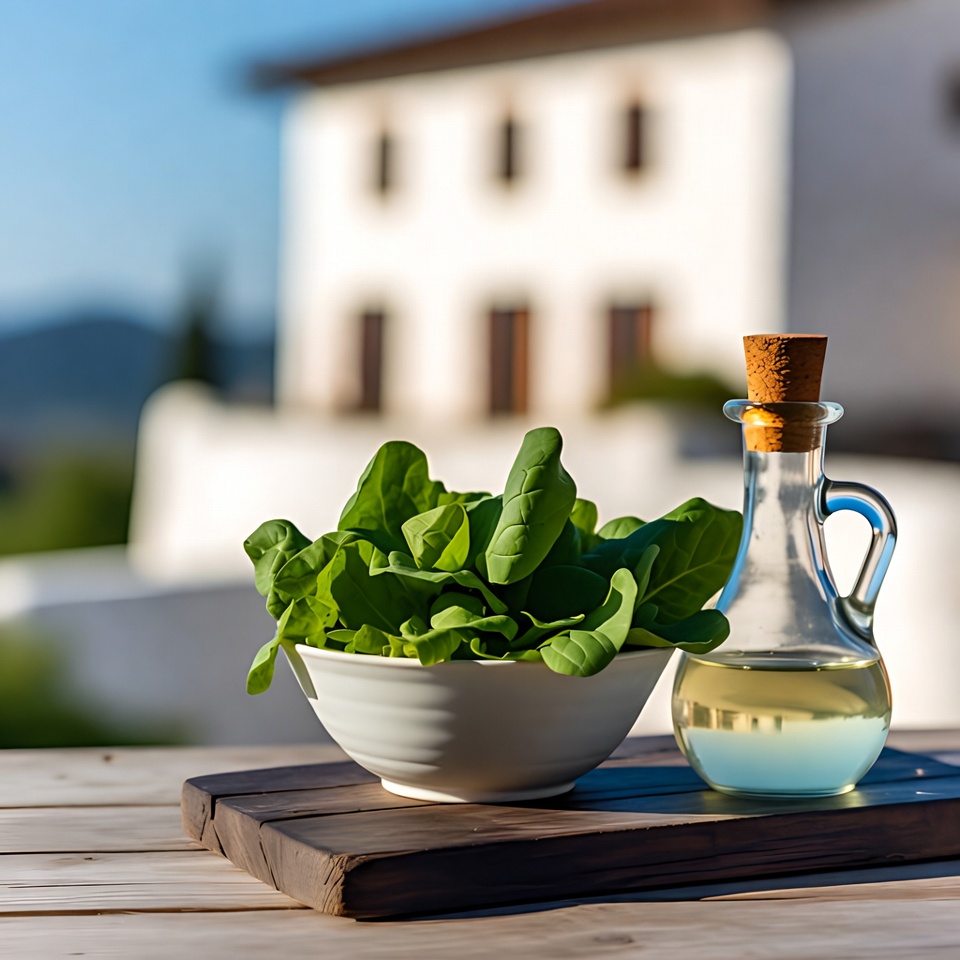
9) Leafy Greens (Spinach, Kale, Collards)
Leafy greens provide dietary nitrates, which may help blood vessels relax and support circulation. They also deliver antioxidants that help combat oxidative stress.
8) Garlic
Garlic contains sulfur-based compounds (including allicin) linked in studies to modest anti-inflammatory and antiplatelet activity, which may support vascular function.
7) Nuts (Almonds, Walnuts)
Nuts supply fiber, vitamin E, and unsaturated fats. Regular nut intake is associated with improved lipid markers and less oxidative damage to cholesterol.
6) Avocados
Avocados are rich in monounsaturated fats that support healthier cholesterol profiles, plus potassium, which is important for blood pressure regulation.
5) Oats and Whole Grains
Oats contain soluble fiber, which can bind cholesterol in the digestive tract and may reduce absorption—supporting healthier heart-related markers over time.
4) Extra-Virgin Olive Oil
Extra-virgin olive oil is a centerpiece of Mediterranean-style eating. Its polyphenols provide antioxidant support, and major trials associate olive-oil-rich patterns with improved cardiovascular outcomes.
3) Fatty Fish (Salmon, Mackerel, Sardines)
Fatty fish provides omega-3 fatty acids, widely studied for their role in reducing inflammation and supporting plaque stability and heart health.
2) Beans and Legumes (Lentils, Chickpeas, Black Beans)
Legumes are high in fiber and protective plant compounds. Large population studies repeatedly link higher legume intake with lower cardiovascular risk.
1) Berries (Blueberries, Strawberries, Raspberries)
Berries are rich in flavonoids, which are associated with improved endothelial function (the health of the blood vessel lining) and reduced inflammation—two key factors in arterial wellness.
How These Foods Help Address Common Artery Stressors
These foods target major drivers of arterial dysfunction in complementary ways:
- High processed fats and added sugars:
- Berries + oats may help due to antioxidants and soluble fiber.
- Chronic inflammation:
- Fatty fish + olive oil support inflammation balance through omega-3s and polyphenols.
- Oxidative stress:
- Nuts + leafy greens contribute vitamin E and antioxidant/nitrate support.
- Excess platelet stickiness:
- Garlic + berries contain natural compounds studied for gentle antiplatelet support.
- Cholesterol accumulation:
- Avocados + beans provide healthy fats and fiber for cholesterol management.
Large Mediterranean diet studies (including well-known trials such as PREDIMED and CORDIOPREV) have connected these dietary patterns to improved cardiovascular markers and reduced events.
Real-Life Momentum: Small Changes That Can Feel Meaningful
Even modest diet upgrades can be motivating when they become routine.
- A 55-year-old worried about family history might start with berries at breakfast and salmon twice weekly, later noticing better daily energy and improved checkup trends.
- A 68-year-old who stops routine aspirin due to stomach discomfort might lean into olive oil, nuts, and legumes, finding walking feels easier over time.
Individual results vary, but consistent heart-healthy eating is frequently associated with gradual improvements in vitality and risk factors.
Simple Ways to Add These Artery-Friendly Foods Starting Today
You don’t need a full diet makeover. Start with one or two changes and build from there:
- Use extra-virgin olive oil on salads, vegetables, or as a bread dip instead of butter.
- Add berries to oatmeal, yogurt, or smoothies daily.
- Eat fatty fish about twice per week (baked, grilled, or pan-seared), and season with garlic and herbs.
- Add leafy greens to soups, stir-fries, wraps, and sandwiches.
- Choose nuts (about 1 ounce) as a snack instead of chips or sweets.
- Mix fresh crushed garlic into dressings, sauces, and roasted vegetables.
- Replace some meat meals with beans or lentils in soups, salads, or grain bowls a few times per week.
Quick Tips and Safety Notes
- Increase fiber gradually to avoid digestive discomfort.
- Wash produce thoroughly.
- Prefer low-mercury fish choices when eating seafood regularly.
- Watch portions of calorie-dense foods like nuts and oils.
- If you take blood thinners or other cardiovascular medications, speak with your clinician—some foods and supplements can interact with treatment plans.
Consistency matters most: benefits are more likely to build with sustained habits.
Start Where You Are: Your Heart Health Begins on Your Plate
Arterial plaque can progress quietly, but daily food choices offer a practical way to support healthier circulation, lower inflammation, and improved vessel function. Prioritize proven staples like berries (flavonoids), extra-virgin olive oil (polyphenols and healthy fats), and fatty fish (omega-3s)—then expand from there.
Choose one food to add this week and make it automatic. Small steps can compound into meaningful change.
Frequently Asked Questions
Can these foods replace heart medications?
No. These foods can support cardiovascular wellness, but they are not substitutes for prescribed medications. Follow your clinician’s advice and treatment plan.
How quickly might I feel a difference?
Some people notice changes in energy or digestion within weeks, but meaningful improvements in cardiovascular markers typically require consistent habits over months. Regular checkups are the best way to track progress.