Deep Vein Thrombosis (DVT) and Circulation: Natural Support Options to Know
Deep vein thrombosis (DVT) is a potentially dangerous condition in which a blood clot forms in a deep vein—most commonly in the legs. In the United States, DVT and related conditions under the broader umbrella of venous thromboembolism (VTE) affect up to 900,000 people each year, and 60,000–100,000 deaths annually are associated with VTE, based on CDC estimates.
One of the biggest risks with DVT is how quietly it can develop. Many people don’t notice clear warning signs until symptoms such as leg swelling, pain, tenderness, or a heavy feeling become obvious—or until a clot breaks loose and travels to the lungs, creating a medical emergency.
If you’re over 40, sit for long stretches, fly or drive frequently, or have started noticing changes in how your legs feel, it’s especially worthwhile to focus on habits that support healthy blood flow and leg comfort.
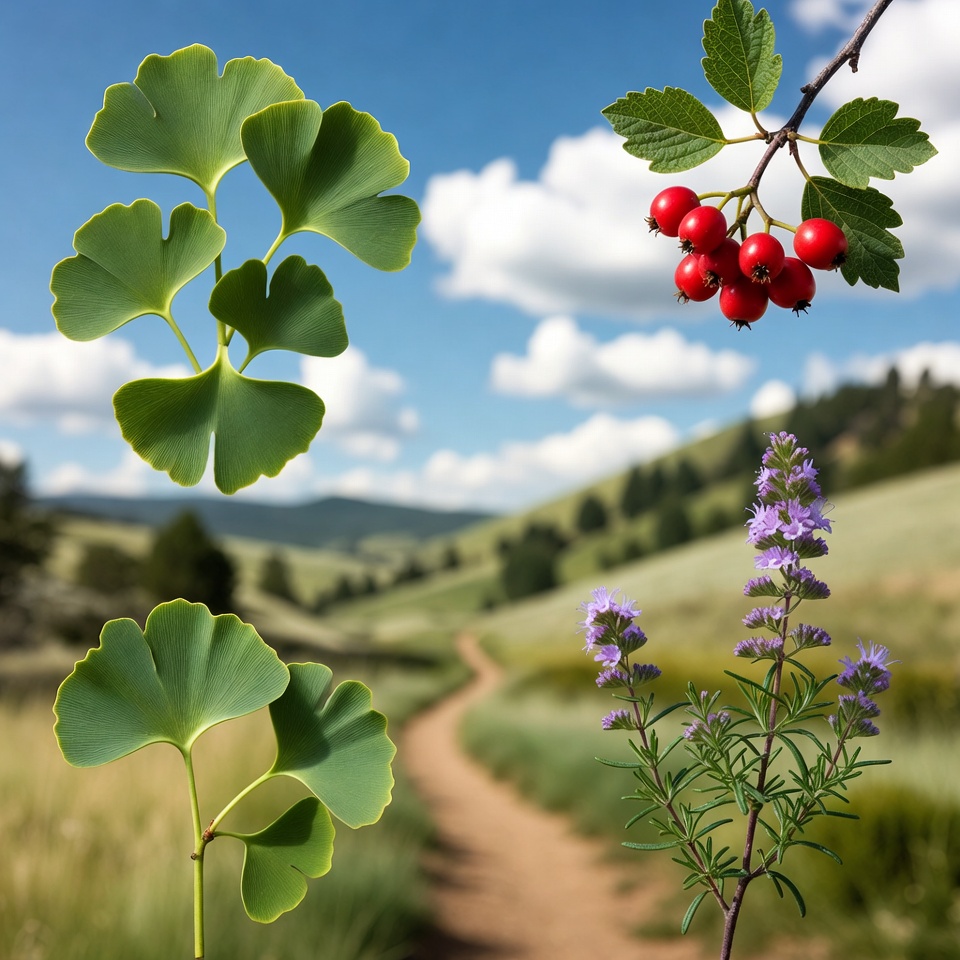
Research also suggests that certain herbs and natural compounds may help support circulation by influencing inflammation, platelet activity, and overall vascular function. These options are not substitutes for medical care, but they may offer helpful support when used responsibly. Below are 10 evidence-informed choices—plus a simple 30-day routine you can follow.
Why Circulation Support Matters More Than Many People Think
With age and modern routines (desk work, long commutes, extended screen time), blood can pool more easily in the lower legs. That sluggish flow can increase the chance of clot formation—especially when combined with other factors.
A key concern: as many as half of DVT cases can present with few or no early symptoms, which is why daily prevention habits and awareness matter. From a research perspective, several internal systems affect vascular health, including:
- Inflammation levels
- Platelet activation and aggregation
- Fibrin balance (fibrin helps form clots)
Many people turn to tools like compression socks or low-dose aspirin (only with clinician guidance), but others prefer gentler, food-based approaches. Plant compounds with antioxidant, anti-inflammatory, and circulation-supportive properties are being actively studied—some with promising early findings.
10 Research-Supported Herbs and Compounds for Healthy Blood Flow
These are among the most frequently studied natural options for supporting circulation and vein health. Choose reputable brands, follow dosing guidance, and speak with a healthcare professional first—especially if you take medications.
1. Turmeric (Curcumin)
Turmeric’s standout compound, curcumin, is well-known for its anti-inflammatory activity. Research also suggests it may influence platelet function and help support balanced clotting mechanisms. Many people combine curcumin with black pepper (piperine) to improve absorption.
2. Ginger
Ginger contains gingerols and related compounds that have been linked in research to anti-platelet activity and circulation support. It’s often described as “warming,” which many people associate with improved flow—particularly if legs tend to feel cold or heavy.
3. Cayenne Pepper (Capsaicin)
The active ingredient in cayenne, capsaicin, may support microcirculation and healthy blood vessel function. If you’re sensitive, start with a very small amount in food. With consistent use, some people report improved warmth and less leg heaviness.
4. Garlic
Garlic (especially aged garlic extract or raw garlic) provides compounds such as allicin, which reviews associate with cardiovascular benefits, including effects on blood viscosity and platelet-related pathways. It remains one of the most popular natural staples for heart and circulation support.
5. Nattokinase
Nattokinase is an enzyme derived from natto (fermented soybeans). Studies suggest it may support the body’s natural fibrin management due to its fibrinolytic potential (fibrin is a key component of clot structure). Some human research has explored its role in recurrence-risk support in certain contexts.
6. Bromelain
Found in pineapple, bromelain is commonly used for inflammation support and has been studied for potential effects related to fibrin and recovery. In some countries, it’s used post-procedure to support healing and circulation.
7. Ginkgo Biloba
Standardized ginkgo extracts have been studied for circulation support, including potential benefits related to venous tone and symptoms seen in chronic venous insufficiency, such as leg fatigue or swelling.
8. Horse Chestnut
Horse chestnut contains aescin, and it has a long history of clinical use for vein concerns—particularly in parts of Europe. Studies have reported improvements in leg swelling, aching, and heaviness when standardized extracts are used.
9. Ceylon Cinnamon
Ceylon cinnamon (often preferred over cassia for regular use) may support healthy blood sugar regulation, which can indirectly influence circulation and blood thickness. Research also suggests mild effects on platelet-related pathways.
10. Rutin
Rutin is a bioflavonoid found in foods like buckwheat and citrus. It’s studied for its ability to support capillary strength and help reduce capillary leakage—factors that matter for long-term venous and leg comfort.
Quick Reference: How These Options May Support Circulation
- Turmeric (curcumin): inflammation support + platelet pathway support
- Ginger: warming circulation support + anti-platelet activity
- Cayenne (capsaicin): microcirculation support
- Garlic: supports healthy blood flow properties and viscosity-related factors
- Nattokinase: supports fibrin breakdown mechanisms
- Bromelain: inflammation support + fibrin-related support
- Ginkgo biloba: supports venous tone and circulation
- Horse chestnut (aescin): supports swelling reduction and leg comfort
- Ceylon cinnamon: supports blood sugar balance + mild platelet-related effects
- Rutin: supports capillary integrity and vein health
Note: Evidence quality varies across these ingredients, ranging from lab and animal findings to limited human clinical trials.
A Simple 30-Day Plan for Leg Comfort and Healthy Blood Flow
Start conservatively and focus on consistency. For most people, results—if they occur—tend to build with time, especially when paired with movement and hydration.
Week 1
- Morning: Turmeric tea or supplement (500–1000 mg curcumin) + a pinch of black pepper, plus a slice of ginger
- Evening: Nattokinase (2000 FU) on an empty stomach
Week 2
- Add:
- Bromelain (500 mg)
- Rutin (500 mg)
- Include garlic regularly in meals (or consider aged garlic extract)
Weeks 3–4
- Continue the above, and introduce a rotating mix:
- Cayenne (small amount in food)
- Ginkgo biloba (120 mg)
- Horse chestnut (standardized extract)
- Ceylon cinnamon (1–2 g daily)
Daily lifestyle anchors:
- Walk 10 minutes (a short walk is better than none)
- Leg elevation for 15 minutes
- Hydration: aim for roughly 8–10 glasses of water per day (adjust for body size, climate, and activity)
Extra tip: Gentle rebounding (mini-trampoline) or simple walking helps activate the calf muscle “pump,” which supports venous return. Many people notice faster leg comfort when they add this consistently.
FAQ: Common Questions About Herbs for DVT and Circulation
Can these herbs replace prescription blood thinners?
No. Do not stop or replace prescribed anticoagulant therapy. Natural products may interact with medications, especially blood thinners, so medical supervision is essential.
How quickly might I notice a difference?
It depends on the person and the underlying cause. Some people report warmer legs or reduced heaviness within 1–4 weeks, but long-term support typically requires consistent habits.
Are side effects possible?
Yes. While many people tolerate these well, issues can occur:
- Cayenne may irritate the stomach
- Nattokinase and other circulation-focused compounds may increase bleeding risk, especially when combined with anticoagulants or antiplatelet drugs
Start low, track how you feel, and discontinue if problems arise.
Medical Disclaimer
This article is for informational purposes only and does not replace medical advice. Always consult a qualified healthcare professional before starting any supplement—especially if you have a medical condition, are pregnant, or take medications such as blood thinners.