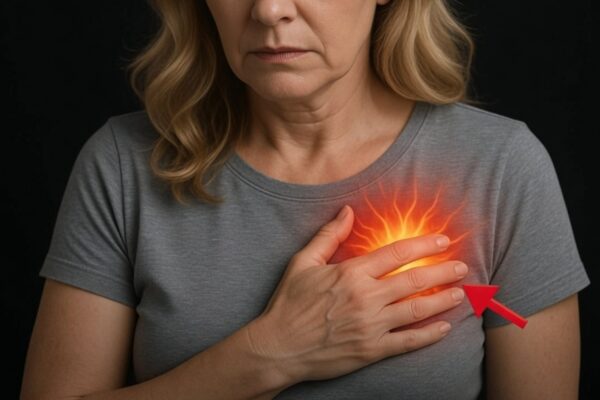
Many women in their 30s and 40s start noticing surprising body changes—unpredictable periods, sudden heat surges, or fatigue that doesn’t make sense. It’s easy to blame stress, a demanding schedule, or “just getting older.” However, these symptoms can sometimes point to early menopause (before age 45) or premature ovarian insufficiency (POI, before age 40).
Current research suggests POI affects roughly 1–3.5% of women under 40, while early menopause may occur in about 5–12% of women before 45, depending on population and region. Identifying potential warning signs early can help you protect your long-term health—especially bone strength, heart health, and overall quality of life.
This guide breaks down the most common symptoms, why they happen, and what to do next if they sound familiar.
Understanding Early Menopause and Premature Ovarian Insufficiency (POI)
Early menopause and POI both involve ovarian function declining earlier than expected (the average age of natural menopause is around 51). In recent years, clinical guidance and larger datasets (including evidence reflected in major reproductive medicine organizations) have improved awareness and detection—showing that early ovarian decline is more common than previously assumed.
Common contributors
Early loss of ovarian function can be linked to:
- Genetics (family history can be a strong clue)
- Autoimmune conditions
- Medical treatments that affect the ovaries (for example, chemotherapy or radiation)
- Smoking, which is associated with earlier menopause in many studies
- Unknown causes (a significant number of cases have no clear trigger)
The main concern goes beyond short-term discomfort. Lower estrogen earlier in life can increase long-term risks, particularly involving bone density and cardiovascular health.
10 Signs That May Indicate Early Menopause or POI
These symptoms often resemble typical menopause—but when they appear in your 30s or early 40s, they deserve closer attention.
1. Irregular Periods or Skipped Cycles
Changes to your cycle are often the earliest and most noticeable sign. You may experience:
- Shorter or longer cycles
- Heavier or lighter bleeding
- Missed periods for weeks or months
This typically happens because ovulation becomes less consistent as hormone levels fluctuate. Tracking your period using an app or calendar can help you spot patterns and share useful details with a clinician.
2. Hot Flashes and Night Sweats
Hot flashes can feel like a sudden wave of heat that spreads through the chest, neck, and face, often followed by sweating and sometimes chills. Night sweats can disrupt sleep and leave you feeling drained the next day.
These vasomotor symptoms are common during menopause transitions and may feel more intense or more disruptive when menopause occurs earlier.
Helpful basics include:
- Dressing in layers
- Keeping rooms cooler at night
- Reducing triggers such as alcohol or spicy foods (if you notice a pattern)
3. Sleep Problems
Sleep disruption may show up as:
- Trouble falling asleep
- Waking frequently
- Early waking with difficulty returning to sleep
Night sweats can play a role, but hormonal shifts alone can also affect sleep quality. Since poor sleep fuels fatigue, irritability, and low focus, it can quickly become a difficult cycle.
4. Mood Shifts (Anxiety, Irritability, Low Mood)
If you feel emotionally “off” without a clear reason—more anxious, reactive, or down than usual—it may be related to hormonal instability. Estrogen interacts with neurotransmitters involved in mood regulation, so changes can affect emotional balance.
Support options may include:
- Talking to a trusted friend
- Mental health counseling
- Discussing symptoms with a healthcare professional (especially if mood changes interfere with daily life)
5. Vaginal Dryness or Discomfort
Lower estrogen can cause vaginal tissue to become thinner and drier, which may lead to:
- Discomfort during intimacy
- Burning, irritation, or daily dryness
- Increased urinary symptoms in some cases
These symptoms are common but often underreported. Many effective options exist, so it’s worth bringing up with a clinician.
6. Persistent, Unexplained Fatigue
If you feel constantly tired—even after sleeping—hormonal changes could be contributing. Fatigue often overlaps with other issues such as night sweats, mood shifts, and insomnia.
Building energy support usually starts with fundamentals:
- Balanced meals with adequate protein
- Gentle, consistent movement
- Rest and recovery habits
7. Joint and Muscle Aches
Some women notice new stiffness or ongoing aches, especially in joints and muscles. Estrogen plays a role in inflammation regulation and musculoskeletal support, so declines may contribute to discomfort.
Low-impact options that often help include:
- Walking
- Swimming
- Yoga or mobility work
- Light strength training
8. Brain Fog and Memory Slips
You might find it harder to focus, retrieve words, or stay mentally sharp. This “brain fog” is widely reported during hormone transitions and often improves with symptom management and lifestyle support.
Helpful strategies include:
- Prioritizing sleep
- Stress reduction (breathing exercises, mindfulness, structured downtime)
- Mental stimulation (reading, puzzles, learning activities)
9. Increased Concern About Bone Health
Bone density loss is not always noticeable early on, but it’s one of the most important long-term issues associated with early estrogen decline. Over time, this can raise the risk of osteoporosis and fractures.
Key protective habits include:
- Weight-bearing exercise (walking, strength training)
- Adequate calcium and vitamin D
- Reviewing bone health screening with a provider when appropriate
10. Heart-Related Sensations or Cardiovascular Risk Awareness
Some women report palpitations or an increased awareness of heart sensations during hormonal shifts. More importantly, estrogen has protective effects on cardiovascular health, so an earlier decline may increase long-term risk.
Foundational heart-protective steps include:
- Regular checkups
- Blood pressure and cholesterol monitoring
- A balanced diet and consistent physical activity
Practical Steps to Take If These Symptoms Sound Familiar
If multiple signs match your experience—especially cycle changes combined with hot flashes, sleep disruption, or vaginal dryness—it’s reasonable to speak with a healthcare provider.
What evaluation may include
Clinicians commonly assess ovarian function with hormone testing such as:
- FSH (follicle-stimulating hormone)
- Estradiol
Other tests may be recommended based on your symptoms, medical history, and family history.
Common Management Options
Treatment is individualized, but many care plans involve a mix of medical support and lifestyle changes.
1) Hormone therapy (when appropriate)
For many women with early menopause or POI (and no contraindications), hormone therapy may be used to:
- Reduce disruptive symptoms
- Support bone and cardiovascular health
- Bridge hormone levels until around the typical menopause age (about 51)
2) Lifestyle strategies
Lifestyle changes are not a substitute for medical care when needed, but they form a strong foundation:
- Weight-bearing and resistance exercise
- Calcium-rich foods and vitamin D support
- Stress management
- Avoiding smoking
3) Symptom-focused support
Depending on your specific symptoms, you may consider:
- Support for vaginal dryness
- Sleep-focused routines and strategies
- Mental health support for mood changes and anxiety
Quick Comparison of Approaches
-
Hormone Therapy
- Key consideration: personalized decision with risk/benefit discussion
- Potential benefits: symptom relief; bone and heart support
-
Lifestyle Changes
- Key consideration: consistency with diet, exercise, sleep, stress reduction
- Potential benefits: improves overall well-being and resilience
-
Complementary Support
- Key consideration: supplements or therapies should be guided by a professional
- Potential benefits: additional help alongside primary strategies
A simple but powerful starting point is tracking symptoms daily—including cycle timing, sleep quality, mood, hot flashes, and energy levels. Patterns are often clearer on paper than in memory.
Conclusion
Early menopause and premature ovarian insufficiency can feel unexpected—especially when life is already busy. But these symptoms aren’t “just in your head” or something you have to push through. From irregular periods and hot flashes to fatigue, mood changes, and brain fog, your body may be signaling an important hormonal transition.
The earlier you recognize the signs and talk to a healthcare provider, the more options you have to protect your long-term health and day-to-day quality of life.
Frequently Asked Questions
What’s the difference between early menopause and POI?
Early menopause usually means menopause occurring before age 45. Premature ovarian insufficiency (POI) refers to ovarian function declining before age 40—often with similar symptoms, sometimes with a more sudden onset.
Can lifestyle changes reduce symptoms?
Yes. Exercise, nutrition, stress reduction, and strong sleep habits can ease some symptoms and support bone and heart health. Many women benefit most when lifestyle changes are combined with professional guidance.
When should I see a doctor?
Consider seeking evaluation if:
- Your periods become irregular for several months
- Symptoms like hot flashes, sleep disruption, mood changes, or fatigue interfere with daily life
- You have a family history of early menopause or POI
Early evaluation can provide clarity and help you plan next steps.
Medical Disclaimer
This article is for informational purposes only and is not a substitute for professional medical advice, diagnosis, or treatment. Always consult a qualified healthcare provider for personalized guidance.