
Why You Wake Up With a Bitter Taste in Your Mouth
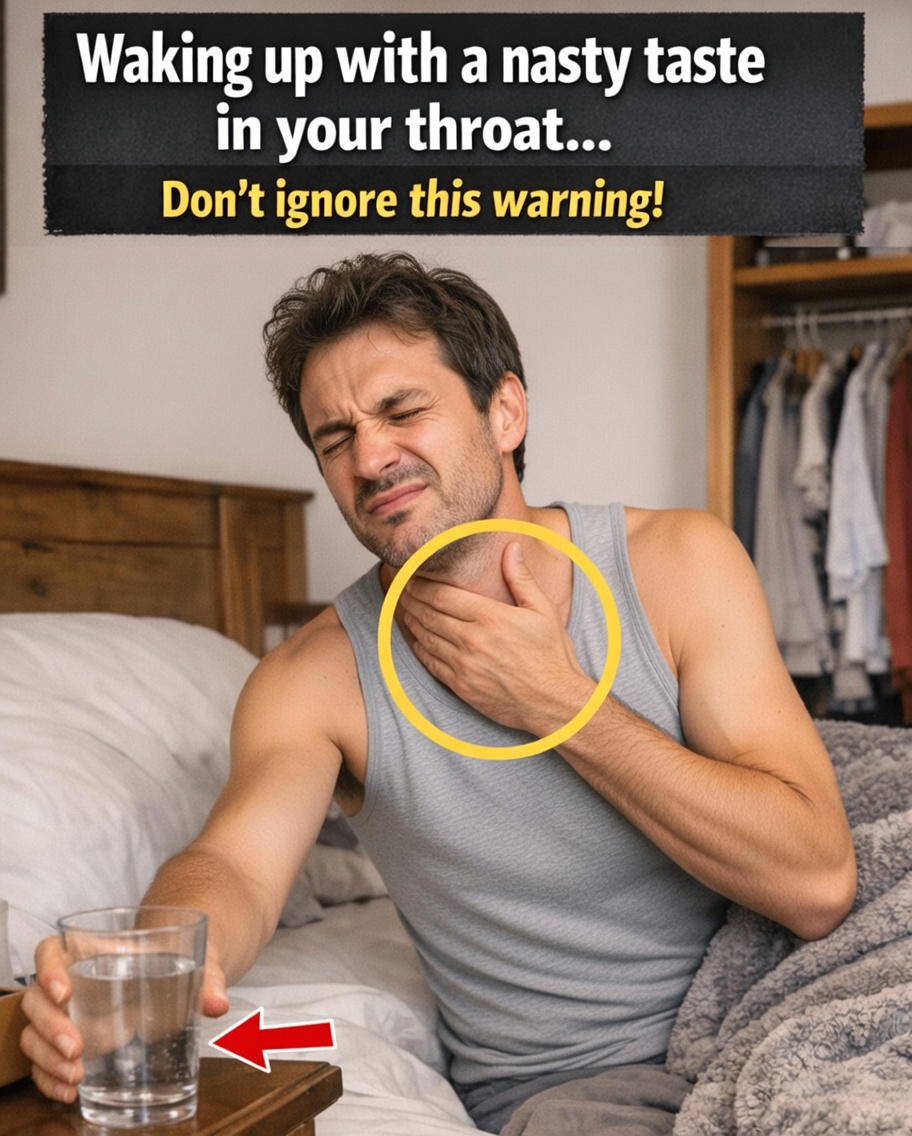
A bitter taste in the morning is an unpleasant but very common experience. Medical research and clinical experience suggest that it often happens because of normal overnight body changes. One of the biggest reasons is reduced saliva production while you sleep, which allows residue, acids, or other tastes to become more noticeable.
However, if this keeps happening, it may be linked to daily habits or a health issue that deserves attention. Below is a practical look at the most common reasons behind a bitter mouth taste after waking up.
Common Everyday Causes
In many cases, the cause is simple and related to routine habits. A few of the most frequent triggers include:
- Dry mouth (xerostomia): Saliva naturally decreases at night. If you sleep with your mouth open or your room is very dry, your mouth may feel even drier, making bitter tastes stronger.
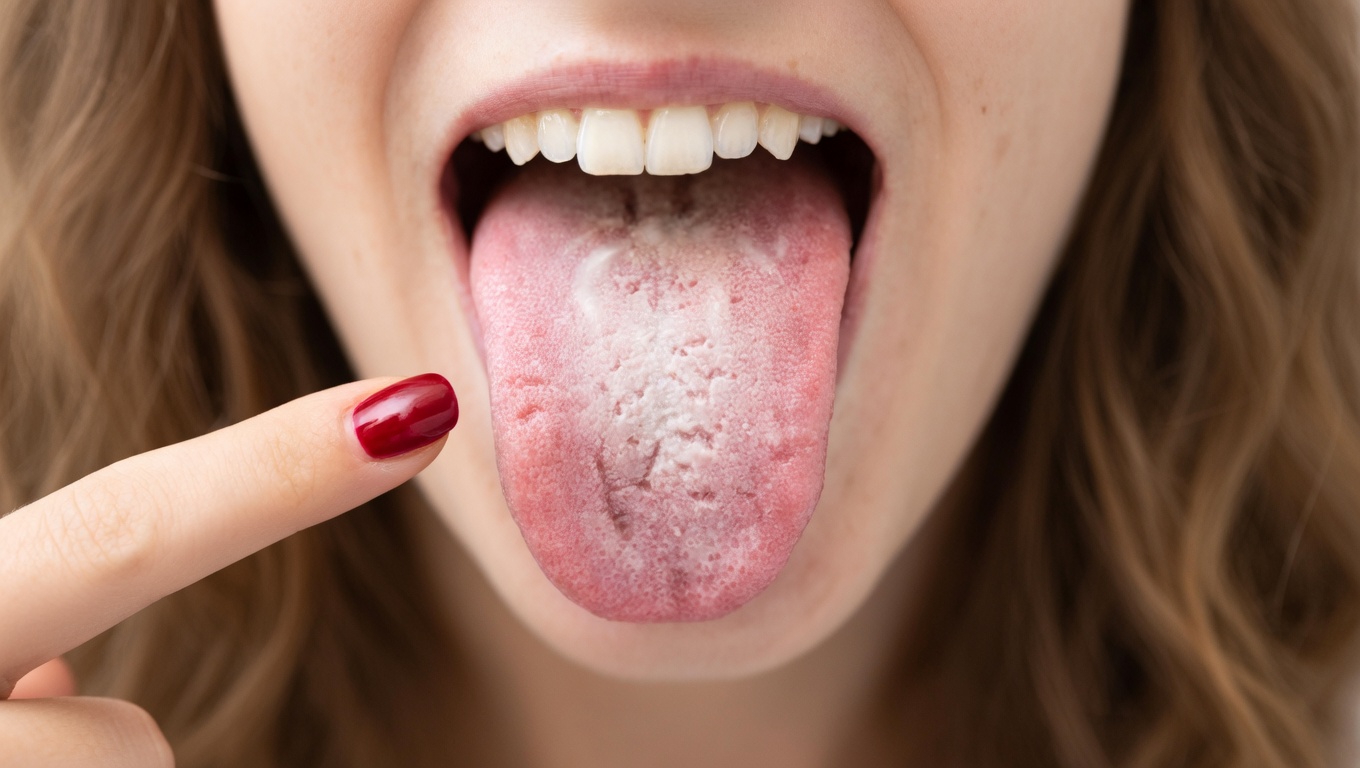
- Poor oral hygiene: Leftover food debris, plaque, and bacteria on the teeth or tongue can create a bad or bitter taste by morning.
- Dehydration: If you did not drink enough water during the day, your mouth may start the next morning overly dry.
- Certain foods and habits: Eating spicy, greasy, or acidic foods late at night, as well as drinking alcohol or smoking, can contribute to a lingering bitter sensation.
These causes are often the easiest to improve with a few small changes to your evening and morning routine.
Digestive Issues That Can Contribute
Another common explanation involves the digestive system, especially the movement of stomach contents while you sleep. When stomach acid or other fluids travel upward into the esophagus, a process often associated with reflux, they can leave a sour or bitter taste in your mouth when you wake up.
According to medical sources such as the Cleveland Clinic, this may be more noticeable in the morning because lying flat removes gravity’s usual help in keeping stomach contents down.
If you also experience symptoms like:
- occasional heartburn
- sour burps
- regurgitation
- frequent throat clearing
it may be worth discussing reflux with your healthcare provider.
Other Possible Health-Related Causes
Beyond digestion and lifestyle habits, a lasting bitter taste may sometimes be connected to other health factors, such as:
- Respiratory conditions: Allergies, sinus problems, colds, or post-nasal drip can cause mucus to collect overnight and affect taste.
- Medications: Some antibiotics, blood pressure medicines, and other prescriptions can alter taste as a side effect.
- Medical conditions linked to dry mouth: For example, poorly controlled blood sugar can reduce saliva production and make bitter taste more likely.
- Liver or gallbladder concerns: In some situations, changes involving bile may affect taste, though this is often accompanied by other symptoms.
These are broad possibilities described in medical literature. Only a qualified medical professional can determine the true cause in your individual case.
Quick Overview of Common Triggers
Here is a simple comparison of frequent causes and what they often look like:
- Dry mouth or dehydration — Often improves with better hydration and stronger oral care
- Reflux-related issues — May come with burning, sour taste, or burping
- Respiratory or post-nasal drip problems — Often happen alongside congestion or throat clearing
- Medication side effects — Usually continue as long as you are taking the medicine
- Oral hygiene problems — More noticeable after skipping brushing, flossing, or tongue cleaning
Simple Lifestyle Changes You Can Try
The good news is that many people notice improvement by adjusting a few daily habits. These steps are not meant to replace treatment, but they may help your mouth feel fresher in the morning while you observe what works for you.
Helpful habits to support a better morning
- Drink enough water: Stay hydrated during the day and keep water nearby for the morning. This can help restore saliva flow after waking.
- Improve your nighttime oral care: Brush your teeth, gums, and tongue before bed. A tongue scraper or antibacterial mouthwash may also help reduce overnight buildup.
- Be careful with evening meals: Try to avoid large, rich, spicy, or acidic foods close to bedtime. If reflux seems likely, raising the head of your bed slightly may help.
- Chew sugar-free gum: This can stimulate saliva production in the morning or after meals and help clear lingering tastes.
- Use a gentle rinse: A mild mixture of baking soda and water, about half a teaspoon in one glass of water, may help neutralize acid and freshen the mouth. Check with your dentist or doctor first to ensure it is appropriate for you.
There is also one overlooked factor that can matter more than many people realize: your sleep environment and sleeping position.
When to See a Doctor or Dentist
A bitter taste once in a while is usually not serious. But if it continues, it is important to pay attention. You should consider contacting a doctor or dentist if the taste lasts longer than one to two weeks or appears along with symptoms such as:
- persistent upper abdominal discomfort
- frequent throat clearing
- unexplained tiredness
- yellowing of the eyes or skin
Talking to a healthcare professional early can provide reassurance and help identify or rule out underlying causes. It is always better to check when something feels unusual.
One Surprising Habit That May Help
A small evening routine can sometimes make a noticeable difference. Many people overlook how gentle hydration and mindful eating before bed can affect how they feel the next morning.
One easy habit to try is drinking a small glass of room-temperature water before bed and reducing screen time late at night if it leads to mouth breathing. Research on sleep quality and saliva production suggests that even minor changes like these can add up over time. Try it consistently for a week and see whether your mornings improve.

FAQ
Why is the bitter taste strongest right after waking up?
During sleep, saliva production naturally slows down. As a result, acids, mucus, bacteria, and leftover residue can become more concentrated. That is why the bitter taste often feels strongest before you drink water or brush your teeth.
Can food make a bitter taste in the mouth worse?
Yes. Spicy, fatty, and acidic foods eaten late in the day may trigger symptoms in some people. Alcohol and caffeine can also contribute. Keeping track of your evening meals may help you identify patterns.
Is it normal for the taste to come and go?
Occasional changes in taste are common and are often linked to temporary issues like dehydration or a cold. But if the bitter taste becomes frequent or does not go away, it is a good idea to speak with a healthcare provider.
Final Thoughts
Waking up with a bitter taste in your mouth should not have to feel normal. By understanding the most common causes and building healthier habits, such as better hydration, improved oral care, and smarter evening routines, many people can reduce or even prevent this issue.
Pay attention to what your body is telling you, make changes gradually, and seek professional advice if the problem continues. Feeling refreshed in the morning is an important part of overall well-being.
Disclaimer: This article is for informational purposes only and does not replace professional medical advice, diagnosis, or treatment. Always consult your doctor or dentist about health concerns or before making major changes to your routine.