

Atorvastatin Side Effects: 15 Common Reactions and How to Manage Them
Millions of adults use atorvastatin every day to help maintain healthier cholesterol levels and protect long-term heart health. For many people, it becomes a normal part of daily life with little trouble. For others, however, unexpected issues may appear, such as muscle soreness, digestive discomfort, or ongoing tiredness. These effects can be frustrating, especially when they interfere with sleep, energy, or confidence in continuing treatment.
The reassuring part is that most side effects are manageable. When you understand what is common and know how to respond, it becomes much easier to stay consistent. One simple habit, often realized later, can make the biggest difference: staying in close communication with your healthcare provider.
What Atorvastatin Does and Why Side Effects Occur
Atorvastatin is part of a medication group known as statins. Doctors frequently prescribe it to lower LDL cholesterol and triglycerides while increasing HDL cholesterol. This can play an important role in reducing cardiovascular risk over time.
Not everyone responds to atorvastatin in the same way. Factors such as dose, age, overall health, and other medicines or supplements can influence how your body reacts. Information from medical authorities such as the FDA and Mayo Clinic shows that most side effects are mild and often improve as the body adjusts. Even so, recognizing possible symptoms early is helpful.
15 Common Atorvastatin Side Effects
Research findings and patient experiences point to several side effects that are reported more often than others. Below are 15 common atorvastatin reactions to watch for:
- Headache
- Muscle pain or weakness
- Joint pain or stiffness
- Nausea or upset stomach
- Diarrhea or constipation
- Indigestion or gas
- Fatigue or low energy
- Dizziness
- Sleep disturbances
- Cold-like symptoms, including sore throat or runny nose
- Mild itching or skin rash
- Pain in the arms or legs
- Changes in blood sugar
- Temporary memory lapses or trouble concentrating
- Higher liver enzyme levels found on blood tests
Many of these symptoms are short-term and may fade after a few weeks. Understanding which reactions are common can help reduce worry and make it easier to respond appropriately.
Muscle and Joint Pain: One of the Most Discussed Side Effects
Muscle discomfort is one of the best-known side effects of atorvastatin. It may feel like soreness, cramping, weakness, or stiffness, often affecting the shoulders, hips, knees, or back. Some researchers believe this happens because statins can influence how muscles produce and use energy.
In many cases, the discomfort remains mild and improves over time. Still, severe muscle pain, sudden weakness, or dark-colored urine should never be ignored. These signs require prompt medical attention to rule out rare but serious complications.
Digestive Problems and Daily Discomfort
Atorvastatin can also affect the digestive system. Some people notice nausea, bloating, gas, constipation, or loose stools, especially during the early phase of treatment. These issues often become less noticeable once the body adapts.
A few simple strategies may help:
- Eat smaller meals more often
- Choose mild, easy-to-digest foods at first
- Avoid very heavy or spicy meals if symptoms worsen after eating
- Stay well hydrated throughout the day
Skin Reactions and Other Visible Changes
Some users develop mild skin symptoms such as redness, itching, or a light rash. These reactions are usually temporary, but they are still worth monitoring.
More serious warning signs include:
- Swelling of the lips, face, or throat
- A rash that spreads quickly
- Trouble breathing
These may suggest an allergic reaction and need immediate medical care.
Headaches, Tiredness, and Sleep Disruption
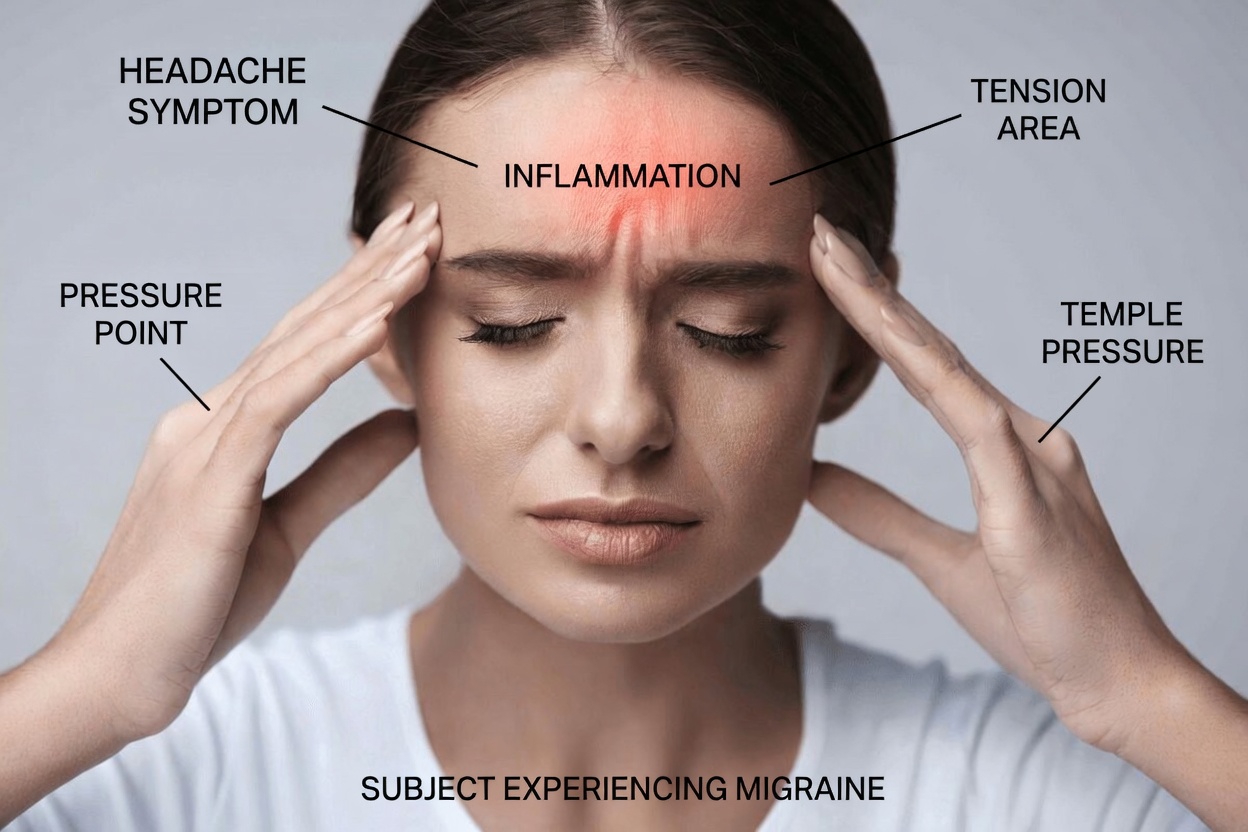
Headaches, low energy, and trouble sleeping can show up shortly after starting atorvastatin. In many people, these symptoms settle as the body becomes accustomed to the medication.
Helpful habits may include:
- Keeping a regular sleep schedule
- Getting light physical activity during the day
- Reducing late-night caffeine
- Giving your body time to adapt before assuming the medication will always feel this way
Less Common but Important Side Effects to Watch
Although most atorvastatin side effects are mild, a few require closer attention. Health experts advise contacting a healthcare professional if you notice signs such as:
- Pain in the upper abdomen
- Yellowing of the skin or eyes
- Dark urine
- Significant changes in blood sugar
- Severe muscle breakdown symptoms, though this is very rare
Routine blood tests and medical check-ups are important because they can detect liver enzyme changes and other concerns before they become serious.

7 Practical Ways to Manage Atorvastatin Side Effects
You do not have to simply wait and hope symptoms disappear. Many people feel better by taking a few practical steps:
-
Track symptoms daily
Use a notebook or phone app to record what you feel, when it happens, and how severe it is. -
Drink enough water
Good hydration may support digestion and help reduce general discomfort. -
Follow a heart-healthy eating pattern
Focus on fiber-rich foods and avoid overly rich or spicy meals if side effects begin. -
Stay gently active
A short daily walk or other light movement may help, but check with your doctor first. -
Take atorvastatin at the same time each day
Evening is common, and you can take it with or without food based on what feels better for your stomach. -
Review your medications and supplements
A pharmacist or doctor can help identify possible interactions. -
Keep follow-up appointments
Regular visits allow your healthcare team to adjust your dose or plan if needed.
The step that often matters most is simple: talk openly with your doctor. Bringing a list of symptoms to your appointment can turn uncertainty into a clear action plan.
Lifestyle Habits That Can Improve Your Experience
Medication works best when paired with healthy daily habits. A supportive lifestyle can make treatment feel smoother and may improve overall well-being.
Helpful habits include:
- Eating more vegetables, whole grains, and lean protein
- Staying physically active within your comfort level
- Managing stress
- Maintaining regular sleep routines
- Drinking enough fluids
Studies suggest that people who combine atorvastatin with healthy lifestyle choices often report better overall results and fewer day-to-day difficulties.
When to Contact Your Doctor
If symptoms continue, become more intense, or start affecting daily life, it is time to speak with your healthcare provider. Depending on your situation, they may recommend:
- Lowering the dose
- Briefly pausing treatment
- Trying a different statin
- Ordering blood tests for closer monitoring
Do not stop taking atorvastatin on your own. Cholesterol levels can change quickly, and treatment decisions should always be guided by a medical professional.
Final Thoughts: Using Atorvastatin With More Confidence
Atorvastatin helps millions of people support their heart health every day. While side effects can happen, they do not affect everyone equally, and most can be managed with awareness, simple adjustments, and medical support.
By learning the 15 common atorvastatin side effects and following practical management tips, you can feel more prepared and more confident about treatment. The most valuable strategy is also the simplest: build an ongoing partnership with your healthcare team. That one step often makes the entire experience easier, clearer, and more reassuring.
FAQ
1. How long do common atorvastatin side effects usually last?
Many mild symptoms, such as headaches or digestive issues, improve within a few weeks as the body adjusts. If they persist longer, speak with your doctor.
2. Can diet and exercise affect how I feel while taking atorvastatin?
Yes. A balanced diet, proper hydration, and gentle exercise may help improve comfort and support overall health. Your doctor can help you decide what is appropriate for you.
3. What should I do if I develop muscle pain or new symptoms?
Contact your healthcare provider promptly, especially if muscle pain is severe or comes with weakness or dark urine. They may order tests and recommend the safest next step.
Disclaimer
This article is for informational purposes only and does not replace professional medical advice. People respond to medications differently. Always consult your healthcare provider before changing your treatment plan or dosage. Do not stop taking atorvastatin without medical guidance.