Everyday Metabolic Concerns After 40—and the Surprising Leaves People Are Brewing as Tea
As adults get older, it’s common to notice new day-to-day challenges: blood sugar swings, worries about liver health, higher blood pressure, slower circulation, and an overall sense that metabolism isn’t as steady as it used to be. Combined with long workdays, stress, less-than-perfect eating habits, and limited movement, these changes can contribute to fatigue, discomfort, and concerns about long-term wellness.
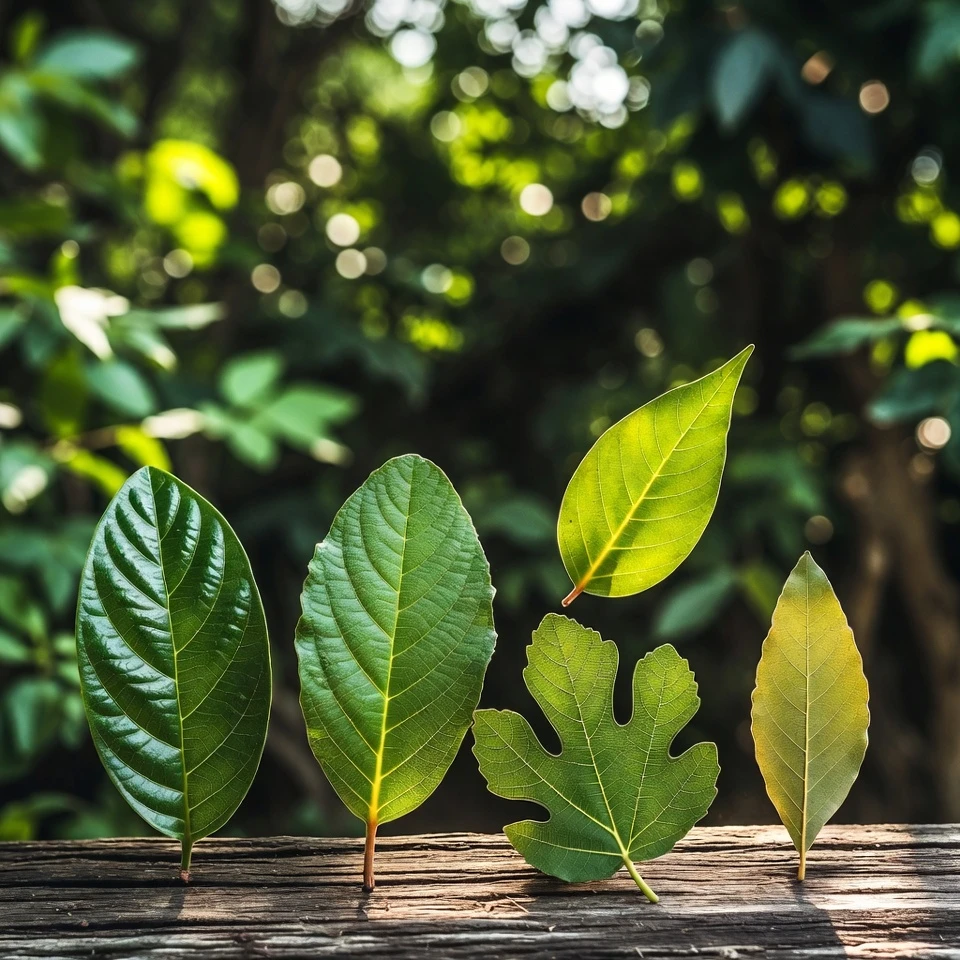
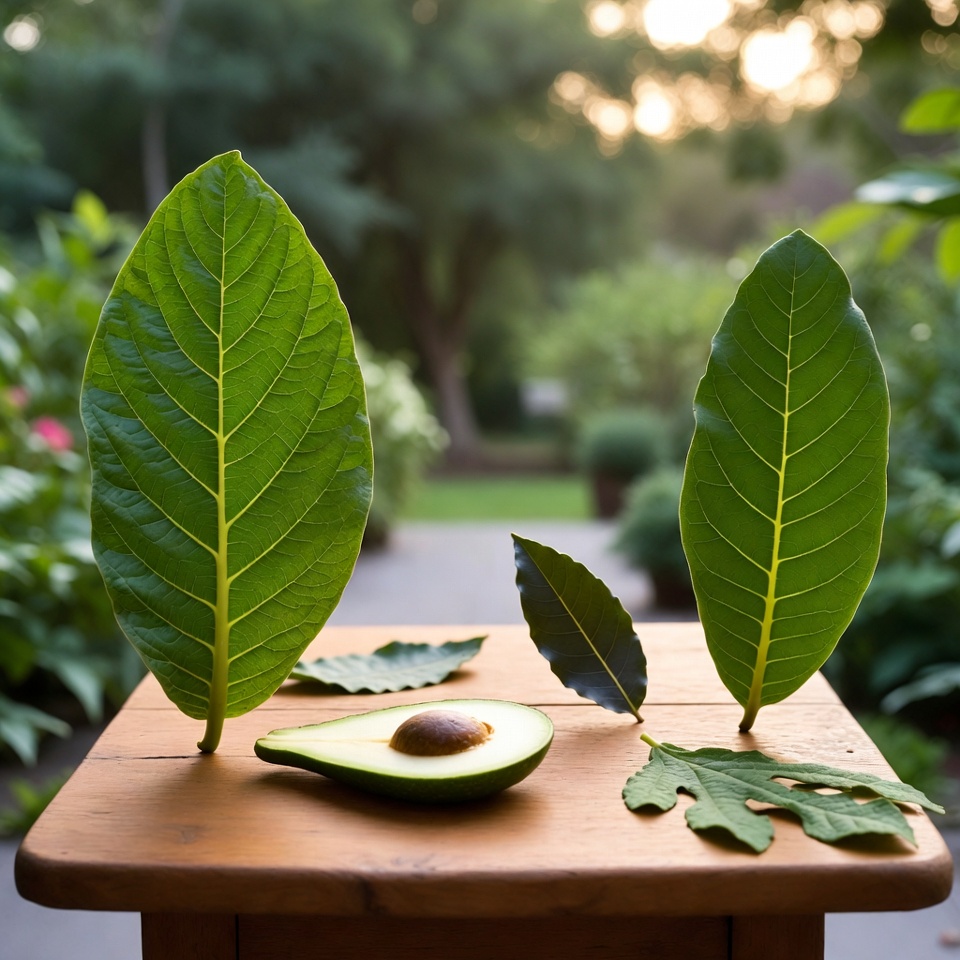
Many people look for gentle, natural ways to support their routine. An interesting option that’s gaining attention is something most of us overlook: leaves from familiar trees—guava, avocado, mango, fig, and bay—prepared as simple herbal teas. Below is a practical, evidence-informed look at traditional uses, early research, and how to try them safely.
Why These Common Leaves Are Getting More Attention
From the 40s onward, shifts in how the body manages sugars, fats, blood flow, and energy often become more noticeable. Researchers frequently connect these concerns with oxidative stress and chronic low-grade inflammation, which can influence metabolic function over time.
While fundamentals like balanced nutrition, regular activity, quality sleep, and stress management remain essential, interest in plant-based options continues to grow—especially plants rich in antioxidants and bioactive compounds.
These five leaves have a long history in traditional wellness practices across different regions. Modern research—largely from lab studies, animal models, and small human trials—suggests they may play supportive roles in areas such as glucose metabolism, vascular function, lipid balance, and liver support. Here’s what current evidence implies, without overstating what science has proven.
Guava Leaves: Popular Traditional Support for Blood Sugar and Metabolism
Guava leaves (Psidium guajava) are known for their antioxidant profile, including flavonoids such as quercetin, along with vitamin C and other protective plant compounds. In many cultures, guava leaf tea is used for general digestive and metabolic support.
Early research (including animal studies and limited human observations) suggests guava leaf extracts may help support:
- Post-meal blood glucose response
- Insulin-related pathways
- Oxidative stress reduction, which may indirectly support metabolic and liver wellness
Key takeaways often discussed in the literature:
- May support healthier glucose handling by influencing insulin function
- Antioxidants may help neutralize oxidative stress
- Traditional use sometimes includes circulation and vessel relaxation support
Some small studies have reported improved post-meal glucose patterns when guava leaf products were used consistently, though broader clinical trials are still needed.
Avocado Leaves: Traditionally Used for Blood Pressure and Circulation
Avocado leaves (Persea americana) contain plant compounds associated with anti-inflammatory activity, including flavonoids such as quercetin. In certain traditional settings, avocado leaf infusions are used as a natural approach for blood pressure support.
Preliminary evidence—mainly from animal research and early-stage human insights—suggests potential benefits related to:
- Vascular relaxation (supporting smoother blood flow)
- Lipid metabolism (helping maintain healthier cholesterol patterns)
- Possible liver fat protection in metabolic-stress models
Commonly cited potential roles include:
- Supports blood vessel function and circulation
- May help maintain healthy lipid levels
- Traditional focus on hypertension-related concerns
Anecdotal experiences vary widely, and stronger clinical evidence is still required.
Mango Leaves: Mangiferin and Antioxidant Power
Mango leaves (Mangifera indica) are valued for mangiferin, a polyphenol frequently highlighted for its antioxidant properties. In folk traditions, mango leaves are often associated with inflammation support and blood sugar balance.
Research so far (mostly lab and animal studies) points to mangiferin’s potential involvement in:
- Glucose regulation mechanisms
- Cellular protection from oxidative stress
- Inflammation modulation, which may influence comfort and metabolic resilience
Potential support areas discussed in studies:
- May assist glucose metabolism in experimental models
- Strong antioxidant activity may support overall cellular health
- Possible anti-inflammatory support for general well-being
Human evidence remains limited, so mango leaf tea should be viewed as a complementary habit—not a treatment.
Fig Leaves: Traditional Metabolic Use with Early Research Support
Fig leaves (Ficus carica) have been used traditionally for digestive comfort and blood sugar support. They contain various plant compounds, including flavonoids that may influence enzyme activity involved in carbohydrate processing.
Animal studies suggest fig leaf extracts may support:
- Carbohydrate metabolism
- Insulin-like signaling pathways in metabolic-stress models
- Vascular and circulation-related markers
Often-mentioned supportive possibilities include:
- May promote healthier glucose utilization
- Could support circulation through vessel-related effects
- Traditional use emphasizes overall metabolic balance
Small human observations generally align with the “supportive, not curative” theme and underscore the importance of moderation.
Bay Leaves: A Culinary Staple with Metabolic Research Interest
Bay leaves (Laurus nobilis) are widely used in cooking, but they’re also taken as tea in some wellness routines. Bay leaves contain compounds studied for their potential effects on blood sugar and lipid markers.
Notably, a few small human trials have reported improvements in:
- Fasting blood glucose
- Cholesterol-related markers
- Sometimes blood pressure-related markers, depending on the population studied
Potential benefits discussed in research:
- May support healthier glucose and lipid balance
- Could improve certain metabolic markers with consistent intake
- Easy to use daily in food or as a simple infusion
Some research noted meaningful changes after about 30 days, though study sizes tend to be small.
Quick Comparison: What Each Leaf Is Mostly Studied For
Based on themes emphasized in available studies (not guaranteed outcomes), the leaves are often discussed in relation to the following supportive areas:
- Guava leaf tea: blood sugar support, antioxidant activity, liver-related protection signals
- Avocado leaf tea: circulation and blood pressure focus, lipid support, possible liver fat protection
- Mango leaf tea: antioxidant strength, glucose-related mechanisms, inflammation support
- Fig leaf tea: metabolic balance traditions, circulation support signals, carbohydrate metabolism
- Bay leaf tea: blood sugar and cholesterol markers, practical daily use in meals or tea
Individual responses can differ significantly, and “more studied” does not mean “more effective” for everyone.
How to Prepare These Leaves as Tea (Simple and Practical)
If you want to explore leaf teas as part of a wellness routine, keep it simple and conservative.
-
Pick quality leaves
- Use clean, food-safe fresh or dried leaves
- When possible, choose organic or responsibly sourced leaves
-
Use a modest amount
- Start with 1–2 leaves per cup (or a small pinch if dried)
-
Brew gently
- Pour boiling water over the leaves
- Steep 5–10 minutes
- Strain and drink warm
-
Optional add-ons
- A small slice of ginger can add warmth and may complement circulation-focused routines
-
Go slow and rotate
- Try one type of leaf tea for several days before switching
- Keep a simple note of digestion, energy, and how you feel overall
A straightforward approach many people use: focus on one leaf type per week, then rotate rather than mixing everything at once.
When Might You Notice Changes?
Herbal routines tend to feel subtle, especially at conservative doses. A realistic timeline often looks like this:
- Weeks 1–2: mild shifts in digestion, energy, or daily comfort as your routine becomes consistent
- Weeks 3–4: steadier “day-to-day” effects may become more noticeable for some people
- After 1 month: potential cumulative support, especially when paired with strong lifestyle habits
Diet quality, sleep, movement, stress levels, and current health conditions can strongly influence results.
Conclusion: A Gentle, Low-Cost Wellness Habit Worth Exploring
Guava, avocado, mango, fig, and bay leaves are widely available and have both traditional credibility and growing scientific interest. Prepared as tea and used in moderation, they may offer a simple way to support metabolic balance, circulation, liver wellness, and antioxidant intake.
For best results, treat leaf teas as a complement to proven foundations—nutritious meals, regular movement, stress management, and medical guidance when needed. If you’re choosing just one place to begin, guava leaf tea is a common starting point for metabolic support routines.
FAQ
Can I drink these teas every day?
Many people use them daily in moderation (often 1–2 cups). Start small, and speak with a healthcare professional if you take medications or manage a chronic condition.
Are side effects possible?
They are often well tolerated, but some individuals may experience mild stomach upset or sensitivity. Avoid use if you have a known allergy to the plant.
Do these teas replace medical treatment?
No. These teas are supportive wellness options, not a substitute for professional diagnosis or treatment.
Disclaimer
This article is for informational purposes only and does not provide medical advice. Herbal teas may interact with medications or existing health conditions. Consult a qualified healthcare professional before adding new herbal products to your routine—especially if you have diabetes, high blood pressure, liver concerns, or take prescription medications. Results vary by individual, and more research is needed to understand long-term effects.