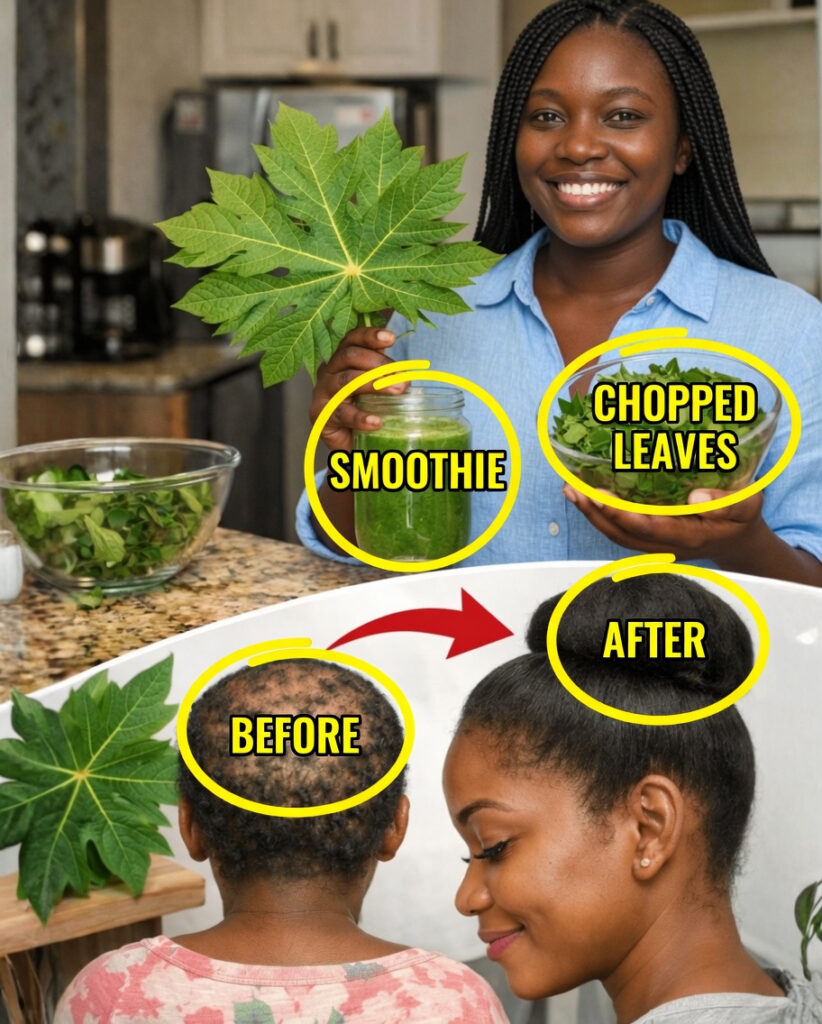
Papaya Leaves for Hair Care: Easy DIY Ways to Refresh Your Scalp and Strands
If your hair often looks flat, your scalp feels congested, or your strands seem difficult to manage no matter what you do, it can become discouraging fast. Even basic habits like washing and styling may start to feel tiring, and that can affect how confident you feel day to day. The encouraging part is that many people are turning to simple, affordable plant-based options from the garden or local market to support healthier-looking hair. One ingredient gaining attention is papaya leaf, and the ways it is being used in natural hair care may be more practical than you expect.
Why Papaya Leaves Are Becoming Popular in Natural Hair Care
Papaya leaves have long been used in traditional beauty routines, particularly in tropical areas where papaya plants grow easily. For generations, people have boiled, crushed, or blended the leaves to make hair rinses, scalp treatments, and conditioning masks. Their appeal comes from the plant’s naturally occurring nutrients and active compounds.
Although scientific research is still developing, papaya leaves contain antioxidants, enzymes, and vitamins that many natural beauty enthusiasts associate with a cleaner scalp and softer, healthier-looking hair. Still, it is important to be realistic. Papaya leaves are not a magic cure, and results can differ widely depending on hair type, consistency, and overall routine. Think of them as a supportive addition rather than a replacement for proper hair care.
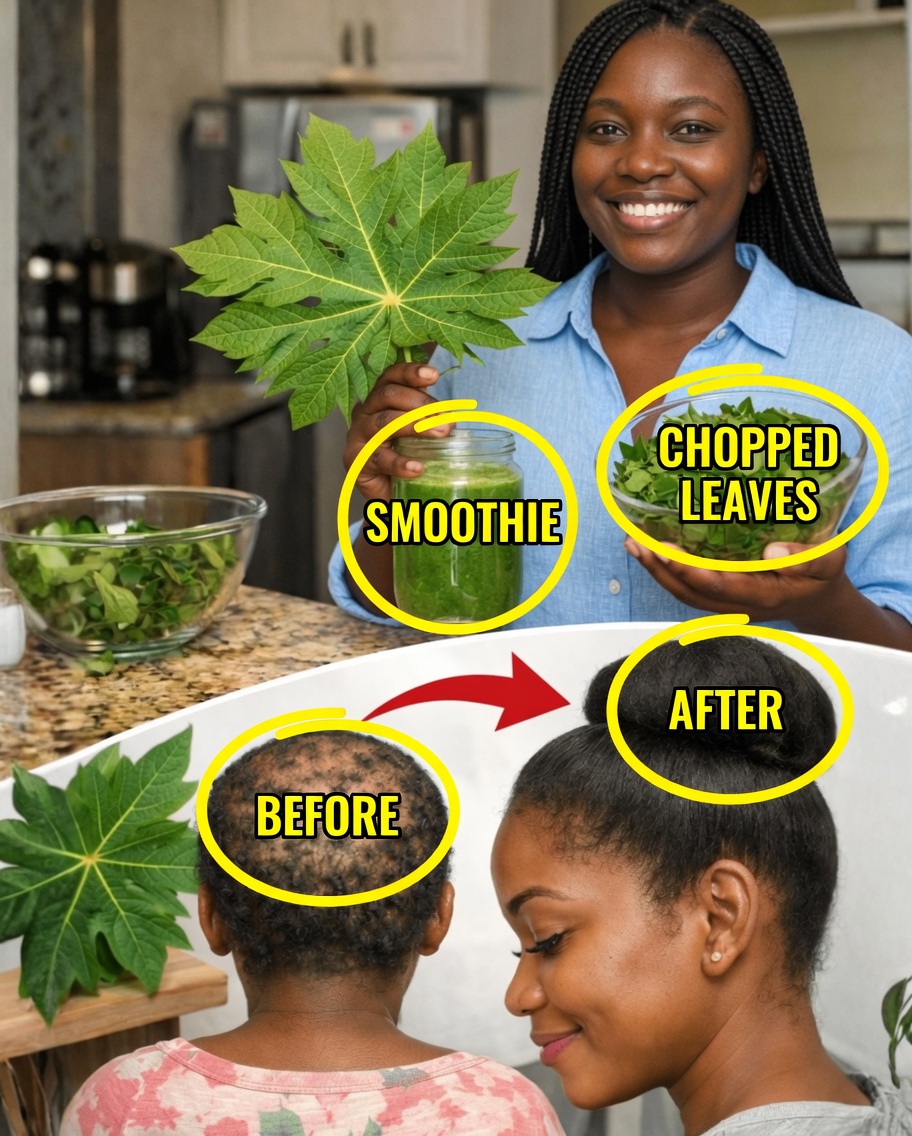
What Makes Papaya Leaves So Interesting for Hair?
Papaya leaves contain several components that make them stand out in DIY hair treatments. Some of the most talked-about include:
- Vitamins A, C, and E: These nutrients are often linked to scalp nourishment and moisture support, which is why they are also commonly found in commercial hair products.
- Papain enzyme: This natural enzyme is known for helping break down buildup gently. It is also present in papaya fruit, though the leaf is used differently in home remedies.
- Antioxidants and flavonoids: These compounds may help defend hair and scalp from daily environmental stress that can leave strands looking dull.
Some laboratory studies on papaya plant compounds have also looked at antioxidant activity, which helps explain why papaya leaves are regularly featured in DIY beauty communities. Even so, they tend to work best when used consistently and combined with a balanced routine.
How to Make a Papaya Leaf Hair Rinse at Home
One of the simplest and most common ways to use papaya leaves is as a hair rinse. It requires very little equipment and only a few ingredients.
What You Need
- 8 to 10 fresh papaya leaves
- 2 cups of water
- A pot
- A strainer or cheesecloth
- A clean jar or spray bottle
Step-by-Step Instructions
- Wash the papaya leaves thoroughly under cool running water to remove dust and debris.
- Cut the leaves into smaller pieces so they are easier to boil.
- Add the chopped leaves to 2 cups of water and boil for about 10 to 15 minutes.
- Once the liquid turns a pale green shade, remove it from the heat.
- Let it cool fully.
- Strain the liquid carefully to remove all leaf particles.
- Transfer the finished rinse into a clean jar or spray bottle.
- Store it in the refrigerator and use within one week.
This basic recipe can be adjusted to suit your needs. Many people add a little aloe vera gel for extra hydration or a few drops of essential oil to improve the scent. Once you get used to the process, it usually takes less than half an hour.
Papaya Leaf Spray: A Quick Option for Busy Days
If you want something lighter and easier to use during the week, a papaya leaf spray is a popular choice. It uses the same boiled and strained liquid as the rinse, but instead of washing it out right away, you can mist it onto your hair as needed.
To use it, simply pour the prepared liquid into a spray bottle. After washing your hair, spray it onto damp roots and lengths. The texture is usually light, making it a convenient option for people who do not want a heavy product on their scalp.
Some users also mix in:
- 1 teaspoon of olive oil
- 1 teaspoon of coconut oil
These additions may help if your hair tends to feel dry. A papaya leaf spray can be especially useful as a mid-week refresher between wash days.
How to Make a Papaya Leaf Hair Mask for Deeper Care
For a more intensive treatment, you can turn fresh papaya leaves into a hair mask. This version is often used when people want extra softness or a more thorough scalp treatment.
Basic Hair Mask Method
- Chop fresh papaya leaves into small pieces.
- Blend them with a small amount of water until you get a smooth, thick paste.
- Apply the mixture directly to the scalp and through the hair.
- Cover your hair with a shower cap.
- Leave it on for 20 to 30 minutes.
- Rinse thoroughly with cool water.
Easy Variations
- For more moisture: Add mashed banana or 1 tablespoon of honey.
- For a more clarifying effect: Mix in a small squeeze of fresh lemon juice.
These masks are ideal for a relaxed self-care session at home and may leave hair feeling fresher, softer, and easier to manage.
Best Practices for Using Papaya Leaves Safely
When using natural ingredients, regular use is usually more effective than overusing them. Starting once a week is a smart approach so you can see how your scalp and hair respond.
Before applying any papaya leaf treatment widely, do a patch test on the inside of your arm. Wait 24 hours to check for irritation or sensitivity.
Here are some helpful tips for safer and better results:
- Use fresh, bright green leaves instead of old or yellowing ones.
- Avoid applying the mixture to broken, inflamed, or irritated skin unless a healthcare professional advises otherwise.
- Continue using your regular mild shampoo and conditioner for balance.
- Store homemade preparations in clean glass containers when possible.
- Support your hair routine with good hydration and a nutrient-rich diet.
One important point many people overlook is patience. Natural treatments usually show gradual results, not overnight changes. Taking weekly photos can help you notice subtle improvements over time.
Common Mistakes to Avoid
DIY hair care can be effective, but small mistakes can make the experience less pleasant. Watch out for these common issues:
- Not straining the liquid properly: Tiny leaf pieces can remain in your hair and feel rough or messy.
- Using old leaves: Yellow or wilted leaves may affect both texture and smell.
- Applying it too often: More than twice a week may be too much for some hair types and could lead to dryness.
- Expecting instant results: Papaya leaves are best seen as a gentle, long-term addition to your routine.
They can support scalp and hair care, but they do not replace professional treatment if you are dealing with serious scalp conditions or ongoing hair concerns.
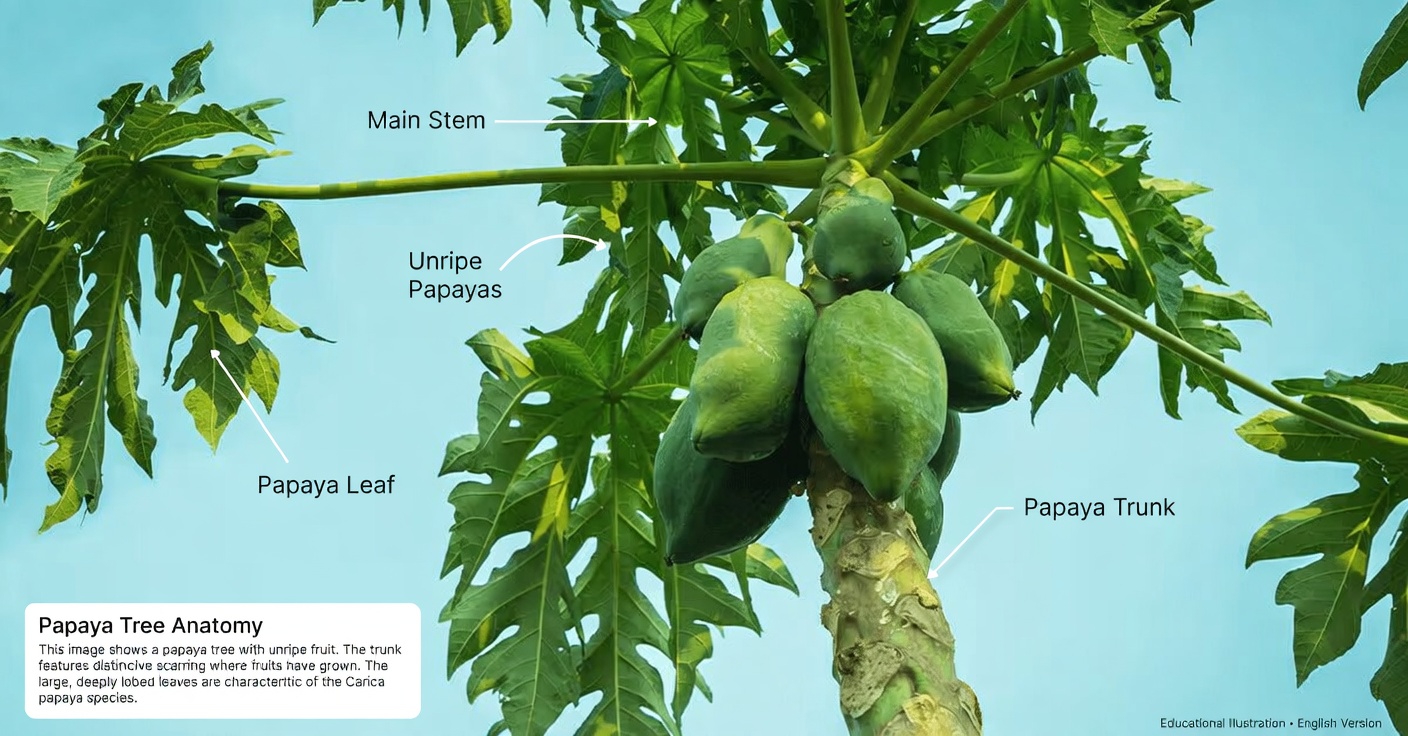
Ingredients That Pair Well With Papaya Leaves
Papaya leaves are often combined with other natural ingredients to create more customized treatments. Some popular combinations include:
- Aloe vera for a soothing scalp spray
- Fenugreek powder for a thicker, richer hair mask
- Rosemary infusion added to the boiled liquid for a personalized rinse
- Coconut or olive oil for extra softness and moisture
The best approach is to experiment carefully in small amounts until you find a blend that suits your hair type and preferences.
What Users Commonly Report
People who use papaya leaves in their hair care routines often mention benefits such as:
- Softer-feeling hair
- Reduced breakage
- A cleaner, fresher scalp
- Better manageability after regular use
Of course, outcomes vary from person to person. Hair texture, lifestyle, diet, and existing hair habits all play a role. Still, many users describe papaya leaf treatments as an easy and low-cost addition rather than a major routine change.
Final Thoughts on Adding Papaya Leaves to Your Hair Routine
Using papaya leaves for hair care is a simple way to explore natural beauty methods without spending much money. Whether you choose a rinse, a spray, or a mask, the goal is to keep the process easy, consistent, and suited to your own hair needs. Start with a small amount, pay attention to how your scalp responds, and enjoy building a routine that feels fresh and manageable.
FAQ
How often should I use a papaya leaf rinse?
Most people begin with once or twice a week. From there, you can adjust depending on how your scalp and hair feel. Using it every day is usually unnecessary and may be too drying for some hair types.
Is papaya leaf hair care safe for colored or chemically treated hair?
In many cases, yes, but a patch test is still important. Because the rinse is generally gentle, it may work well for treated hair. If you recently had coloring, relaxing, or another chemical service, it is best to ask your stylist first.
Can I prepare papaya leaf treatments in advance?
Yes. After straining the liquid, store it in the refrigerator for up to 7 days. Making small batches is usually the best way to keep the mixture fresh and useful.
Disclaimer: This article is for informational and educational purposes only. It is not a substitute for professional medical, dermatological, or hair care advice.