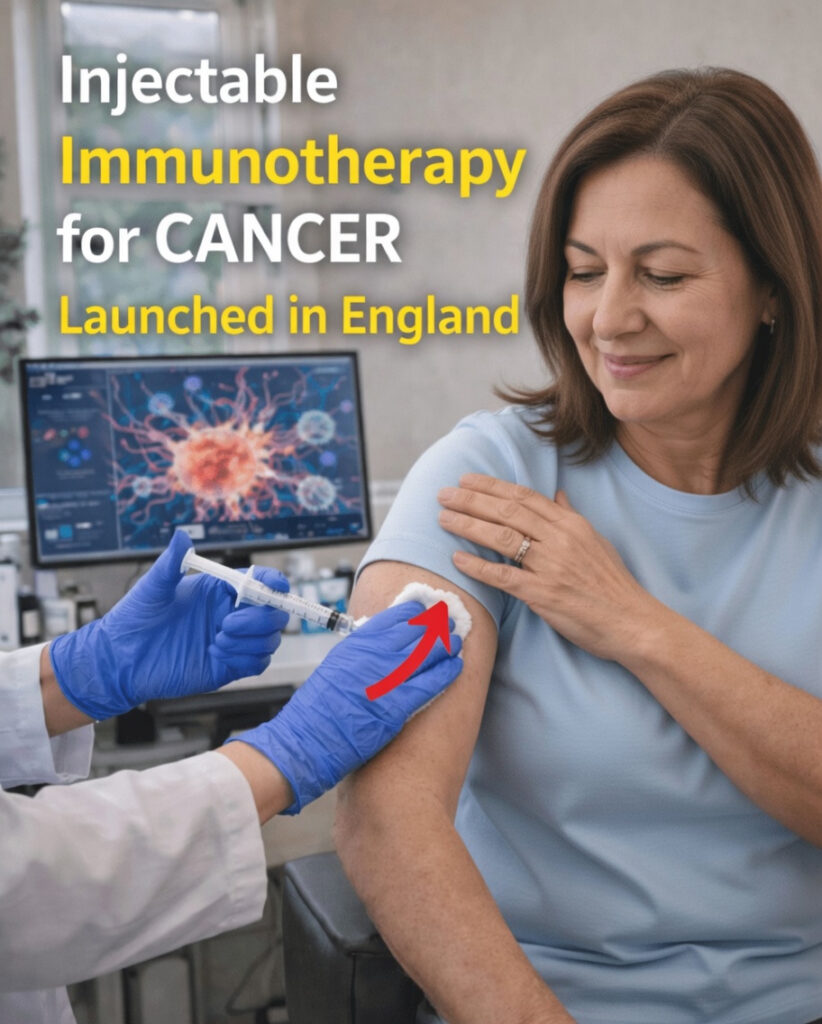
A Faster NHS Immunotherapy Option Could Make Treatment Days Much Easier
Sitting in a hospital chair for long stretches while connected to an IV can be draining, especially when treatments are repeated every few weeks or each month. For many older adults, managing medical appointments alongside daily life already takes plenty of energy. Adding lengthy infusion sessions can mean more tiredness, less comfort, and less time for family, rest, or familiar routines.
The encouraging news is that the NHS has introduced a faster way to receive one widely used immunotherapy medicine. This update significantly shortens the treatment process for eligible patients.
What makes this development especially important is that it is not only about saving time. It could also reduce physical strain, improve convenience, and make ongoing care feel more manageable for thousands of people across the UK.
What Is the New Subcutaneous Nivolumab Option?
In 2025, the NHS started introducing a subcutaneous form of nivolumab, also known as Opdivo, becoming the first healthcare system in Europe to provide it. Rather than being delivered through an intravenous infusion that usually lasts between 30 and 60 minutes, this version is given as an injection under the skin and generally takes only 3 to 5 minutes.
Subcutaneous administration means the medicine is injected into the layer of fatty tissue just beneath the skin, often in the thigh or stomach area. This method has been thoroughly evaluated and approved by the UK Medicines and Healthcare products Regulatory Agency.
For older adults in particular, shorter hospital visits can bring real relief by reducing time away from home and cutting down the weariness that often comes with longer procedures.
Why This Change Matters for Older Adults
Many older people already juggle multiple healthcare appointments, and longer treatment days can add another layer of fatigue. Spending extended time in hospital for infusions may leave less energy for daily activities and make normal routines harder to maintain.
This new treatment method helps address those practical challenges. In clinical studies, patients often said they were happier with the quicker process and frequently preferred it to the traditional infusion approach.
That difference can be meaningful in everyday life. Time once spent waiting in a treatment chair could instead be used for gardening, seeing grandchildren, enjoying meals at home, or simply getting proper rest.
IV Infusion vs. Subcutaneous Injection: A Simple Comparison
Here is how the traditional IV method compares with the newer injection:
- Treatment time: IV infusions usually take 30 to 60 minutes, while the subcutaneous injection is typically completed in 3 to 5 minutes.
- Setup and preparation: IV treatment often requires vein access and more extended observation, while the injection is generally simpler and faster to prepare.
- Comfort and convenience: Many patients find IV sessions more tiring because they involve staying seated for longer, whereas the injection tends to feel less disruptive.
- Treatment schedule: Both options usually follow the same pattern, often every two or four weeks, but the injection greatly shortens the appointment itself.
This direct contrast helps explain why so many people in clinical studies noticed an immediate improvement in convenience.
Everyday Benefits That Can Make a Real Difference
The NHS rollout is expected to support around 1,200 patients each month in England alone, while also saving healthcare staff thousands of hours per year.
Still, the biggest impact may be felt in daily life. Spending less time in hospital means less interruption to routines and more freedom to plan the day around what matters most. For older adults who value independence, that can be especially important.
Research has shown strong satisfaction with this under-the-skin method, and many patients describe it as a more convenient overall experience.
Some of the most notable benefits include:
- Less fatigue because appointments are much shorter
- Greater flexibility when planning around family, hobbies, or home life
- Reduced strain on veins, which may help those with fragile skin or circulation issues
- Future potential for more local care, as services continue to adapt
These advantages reflect feedback reported by patients in official NHS updates.

Who May Be Eligible to Discuss This Treatment Option?
The subcutaneous version is intended for people who are already receiving nivolumab as part of their treatment plan. This includes patients with certain cancers, such as:
- Lung cancer
- Bowel cancer
- Kidney cancer
- Bladder cancer
- Oesophageal cancer
- Melanoma and other skin-related cancers
- Head and neck cancers
- Liver cancer
- Stomach cancer
In total, the medication is used across up to 15 different cancer categories.
However, not everyone will move to the new form right away. Current estimates suggest that about two in five patients receiving IV nivolumab may be suitable candidates for the injection.
Any decision to switch begins with a discussion between the patient and their medical team. Doctors will review the person’s overall health, treatment goals, and specific needs before making any change.
Practical Steps to Take Now
If you or someone you care for is receiving nivolumab, these simple steps can help you prepare for a conversation about the new option:
- Ask your oncology team at the next appointment whether you may be eligible for the injection.
- Write down a few key questions about how the new treatment method might fit your schedule and care plan.
- Track your experience with IV treatment, including side effects, comfort issues, or personal preferences, so you can discuss them clearly.
- Watch for updates from your NHS clinic, as supplies began arriving in the UK from June 2025 onward.
- Consider bringing a family member or carer to the appointment so everyone can understand the possible advantages.
These steps can help you stay informed and confident without feeling pressured to decide too quickly.
What Research and Patient Feedback Tell Us
Clinical trials, including CheckMate-67T, helped show that the subcutaneous form of nivolumab works comparably to the IV version in terms of how the body absorbs and processes the medicine.
Patient surveys from these studies showed a strong preference for the shorter injection. Many people valued spending less time in treatment chairs and appreciated having more control over their day.
Healthcare professionals also point out that faster appointments free up clinic resources, which may allow more patients to be treated efficiently. In that sense, the change benefits both individuals and the wider healthcare system.
Even more promising, the rollout is continuing to expand. Some experts are also exploring whether future versions of this kind of treatment could eventually be delivered in community settings or even at home.
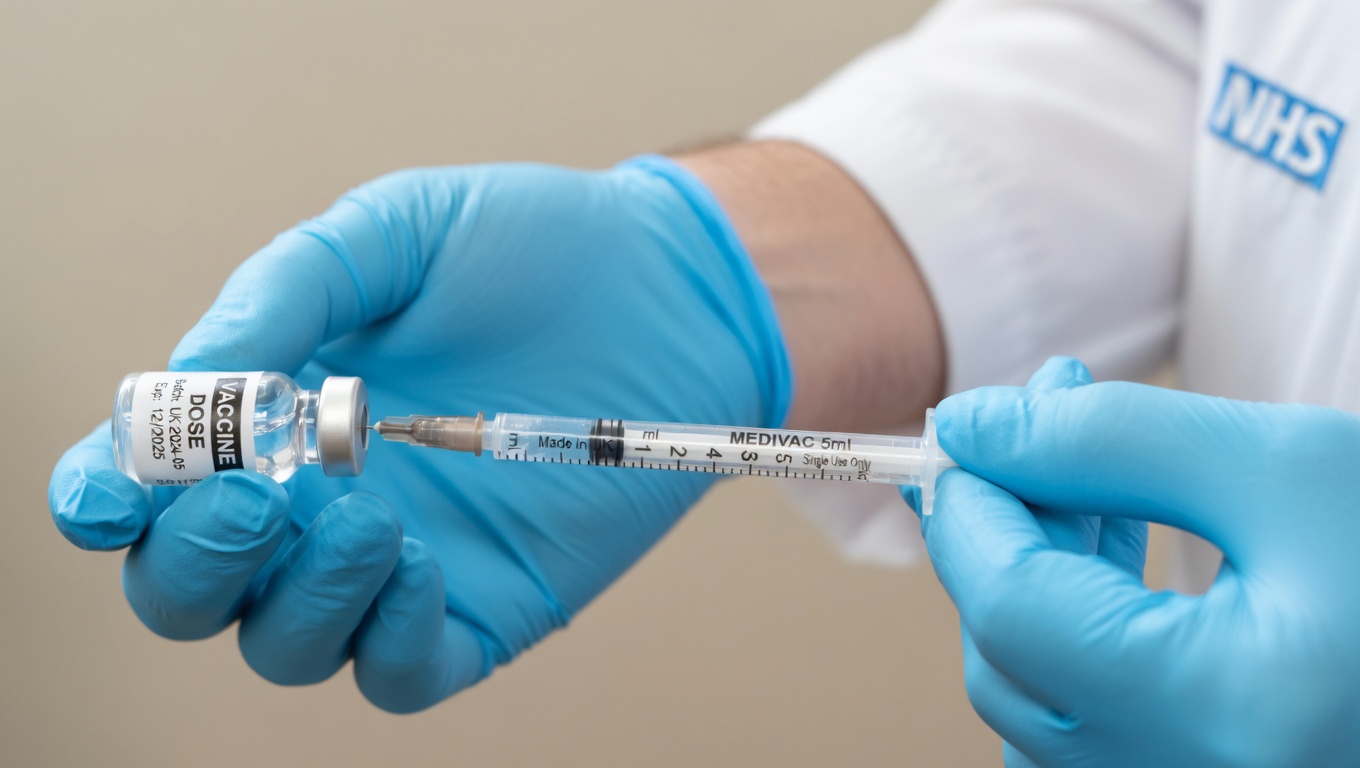
Looking Ahead: The Long-Term Impact
For older adults, one of the biggest concerns about ongoing treatment is the repeated commitment of time and energy. Shorter appointments may help reduce that burden, both physically and mentally.
As more NHS clinics begin offering this option, there may also be improvements in waiting times and travel demands. This supports the broader NHS aim of creating more patient-centered care.
Even so, every patient’s experience is different. The best way forward is always to stay in close contact with your healthcare team and make decisions based on your individual situation.
Frequently Asked Questions
How does the injection feel compared with the IV drip?
Most patients say it causes only a brief sting or mild discomfort at the injection site, which usually passes quickly. It also removes the need for a cannula and avoids sitting for a long infusion.
Can every patient on nivolumab switch immediately?
No. The rollout is happening gradually, and not all patients will be suitable. Your doctor will assess whether the subcutaneous option fits your treatment plan and medical needs.
What should older adults think about before changing treatment methods?
It helps to speak honestly with your healthcare provider about your daily routine, mobility issues, comfort with current treatment, and whether shorter appointments would make life easier. Bringing notes from earlier visits can make that conversation more useful.
Final Thoughts
The NHS introduction of a quicker nivolumab treatment option represents a practical step forward in cancer care. For older adults who want more comfort and less time spent in hospital, this new approach may offer a simpler and more convenient treatment experience without changing the overall schedule.
Staying informed and speaking with your doctor remains the best next step. Sometimes even small improvements in how care is delivered can lead to meaningful gains in everyday quality of life.
Disclaimer: This article is for informational purposes only and does not replace medical advice. Always speak with your healthcare provider for guidance tailored to your treatment needs. Eligibility and outcomes can vary from person to person.