Stiff Joints, Sore Muscles, and the Search for Gentle Relief
Waking up with tight joints that make getting out of bed feel harder than it should—or noticing a deep muscle ache after a long workday or workout—can make everyday movement feel unnecessarily difficult. For many people, discomfort tends to flare up with age, cold weather, or long periods of inactivity. It’s also common to want supportive options that feel natural and sustainable, rather than depending only on over-the-counter products.
One traditional pairing that continues to attract attention for its warming, soothing character is ginger and cloves. This guide explains why the combination is so well known, how to prepare a simple daily infusion, and how people often build it into their routines for ongoing comfort.
Why Ginger and Cloves Are Commonly Used for Joint and Muscle Comfort
Across traditional wellness practices in Asia, the Middle East, and other regions, ginger and cloves have long been valued as functional spices.
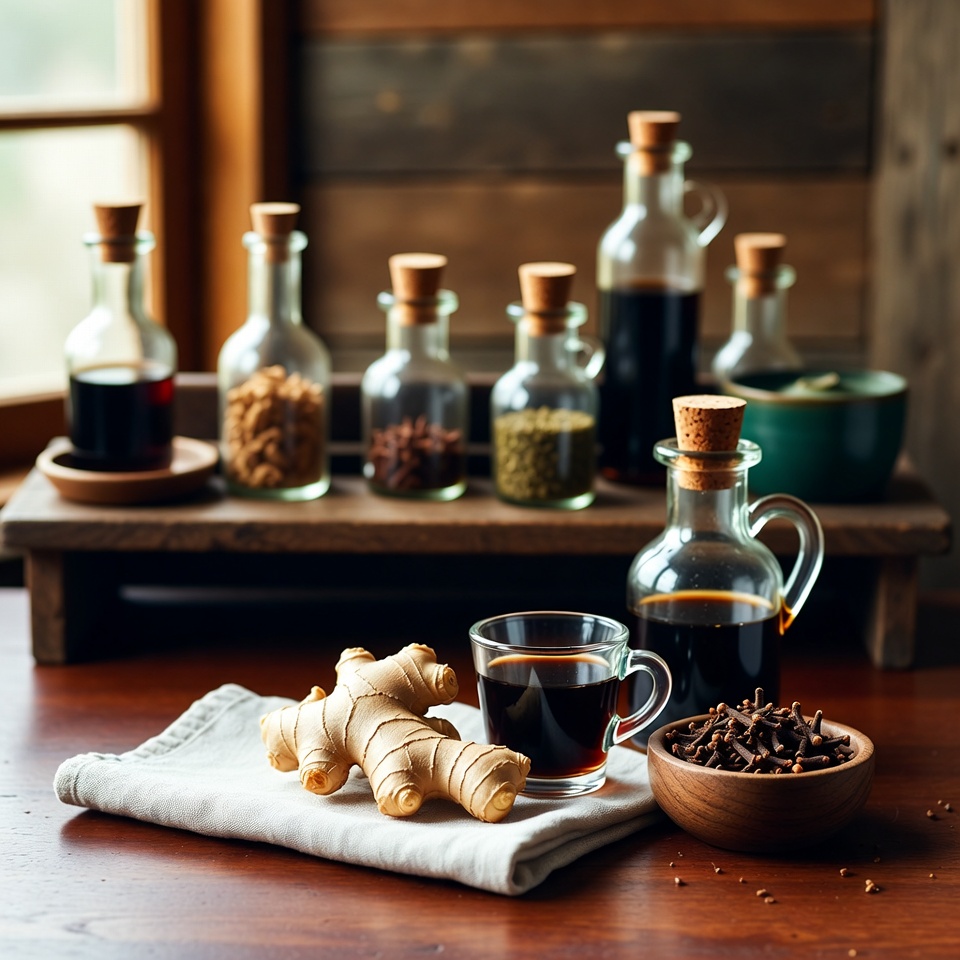
- Ginger comes from the root of Zingiber officinale and is known for its bright heat and warming effect.
- Cloves are the dried flower buds of Syzygium aromaticum, offering a rich aroma and deep, spicy flavor.
Modern research has explored how both spices contain bioactive compounds that may support the body’s natural responses related to inflammation and discomfort. Ginger is commonly discussed for compounds such as gingerols and shogaols, while clove is best known for eugenol, which has been studied for its potential role in comfort and swelling-related sensitivity.
Together, many people describe the blend as creating a more noticeable warming sensation, especially after sitting still for long periods or during colder seasons.
Key Natural Compounds and What They May Do
Below is a practical breakdown of why this combination is often used:
-
Ginger (gingerols and shogaols)
Frequently studied for how they may support normal inflammatory balance and influence pathways such as COX and LOX, which are associated with occasional stiffness or soreness. -
Cloves (eugenol)
Investigated for potential mild analgesic-like and calming effects that can contribute to overall tissue comfort. -
Ginger + cloves together
Commonly described as warming and circulation-supportive, which may help the body feel looser and more relaxed during recovery.
Clinical reviews have explored ginger in contexts like exercise-related soreness and osteoarthritis-associated discomfort, with some findings showing modest improvements in perceived comfort and mobility when used consistently.
Benefits People Commonly Report Over Time
Responses vary from person to person, but when used regularly as part of a healthy routine, many people say they notice:
- Reduced morning stiffness
- Less muscle tightness after activity
- A comforting sense of body warmth and relaxation
- Smoother, easier daily movement
- Better support for post-workout recovery
- A general boost in perceived circulation
These changes are often described as gradual rather than immediate. Many people find the experience improves further when paired with hydration, gentle movement, and adequate rest.
Ginger and Clove Infusion Recipe (Decoction Method)
This simmered method (a light decoction) is designed to extract more of the spices’ active compounds than a quick steep.
Ingredients (1 serving)
- 1 inch fresh ginger root, peeled and thinly sliced (or grated)
- 5–7 whole cloves
- 1 cup water
- Optional: honey or fresh lemon for taste
Step-by-step instructions
- Add water, ginger, and cloves to a small saucepan.
- Bring to a gentle boil over medium heat.
- Reduce heat and simmer for 10–15 minutes.
- Strain into a mug using a fine sieve.
- Drink warm. Add honey or lemon if you want a softer flavor.
You’ll end up with a fragrant, spicy cup that many people find especially comforting in the evening or after physical activity.
How to Use Ginger and Cloves in a Daily Routine
For internal support
- Typical starting amount: 1 cup per day
- Best time to drink it: After a meal (often easier on the stomach)
- Why consistency matters: Many people report subtle changes in comfort and flexibility within 1–2 weeks when used regularly—especially alongside light stretching, walking, or mobility work.
Optional: external use for targeted comfort
Some people also use the infusion as a warm compress:
- Prepare the infusion as usual and let it cool to a comfortable warm temperature.
- Soak a clean cloth in the liquid.
- Apply to the area for 15–20 minutes.
This can feel particularly soothing for tense muscles, including areas like the lower back.
When Could You Notice a Difference?
Timing depends on your baseline health, activity level, sleep quality, hydration, and how consistently you use the infusion. Some people report improved comfort in about 7–14 days, especially when combined with:
- Gentle daily movement (walking, yoga, mobility drills)
- Good hydration
- Prioritizing quality sleep
- A balanced diet with anti-inflammatory foods
Natural strategies generally work best as supportive habits, not overnight fixes.
Precautions and Safety Notes
In normal culinary amounts, ginger and cloves are widely tolerated. However, concentrated or frequent use may cause mild digestive discomfort in some people—starting with a smaller amount and drinking it after meals can help.
Also note:
- Ginger and cloves may have mild blood-thinning effects. If you take anticoagulants, have a bleeding condition, or are preparing for surgery, speak with a healthcare professional first.
- Avoid excessive intake. This infusion is meant to complement, not replace, medical care.
A Simple Daily Ritual for More Comfortable Movement
A warm ginger and clove infusion can be an easy, grounding habit—one that encourages the body to relax, warm up, and recover. Over time, many people find it supports better day-to-day comfort and a smoother sense of mobility.
Sometimes the most sustainable wellness changes really do start with one small cup a day.
Frequently Asked Questions (FAQ)
Can I use dried ginger or ground cloves instead of fresh ingredients?
Yes. Fresh ginger typically gives a brighter taste and may extract more effectively, but dried options can work. Try:
- 1/2 to 1 teaspoon ginger powder
- 1/4 teaspoon ground cloves
Simmer as directed, then adjust based on taste and tolerance.
Is it okay to drink this daily long-term?
In moderate, food-based amounts, many people use it regularly. Pay attention to how you feel, and consult a clinician for individualized guidance—especially if you have chronic conditions or take medication.
What if the infusion tastes too strong or spicy?
You can:
- Use fewer cloves
- Simmer for less time
- Add more water to dilute
- Add honey or lemon to soften the flavor
Medical Disclaimer
This article is for informational and educational purposes only and does not provide medical advice, diagnosis, or treatment. Natural options like ginger and clove infusion may support general wellness but are not a substitute for professional healthcare. Consult a qualified healthcare provider before trying new remedies, especially if you are pregnant, have medical conditions, or take medications.