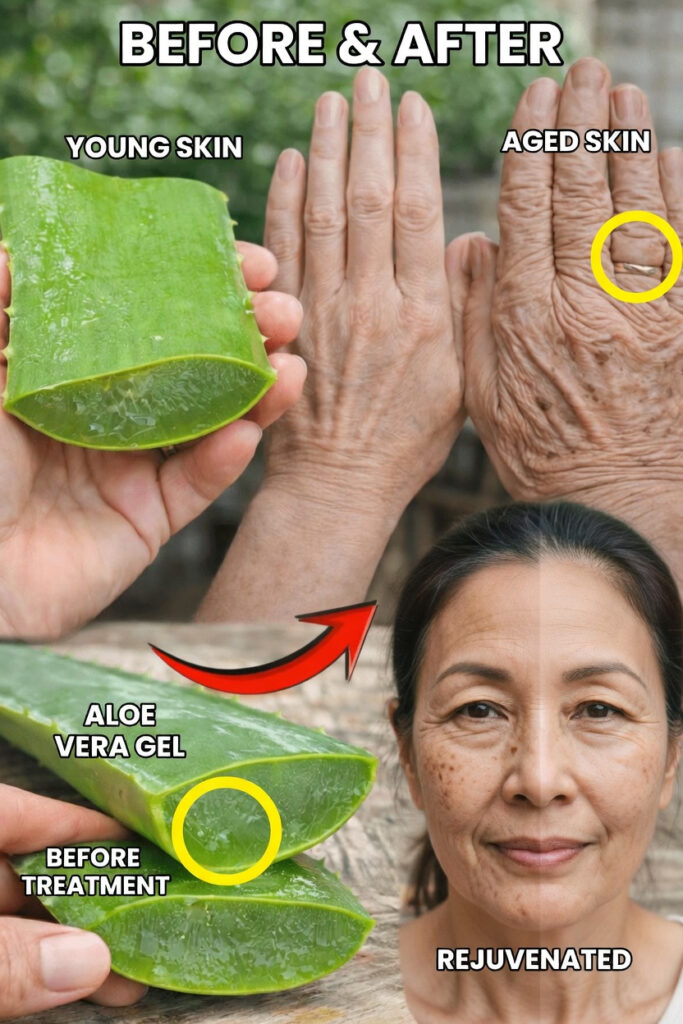
A Simple Japanese-Inspired Aloe Vera Ritual for Softer, More Hydrated Mature Skin
As skin ages, it often becomes drier, thinner, and less supple. That uncomfortable tight feeling can make fine lines appear more visible and leave skin looking tired by the end of the day. Many people also feel disappointed when standard skincare products either cause irritation or do not provide enough lasting moisture.
A gentle Japanese-inspired habit is now drawing interest for a much simpler reason: it may help restore a soft, refreshed feel using pure aloe vera gel applied in the evening. This article explores how the method works, how to try it step by step, and what both research and real-life experiences suggest about aloe vera for hydration. Stay with us to the end for a few easy blends that can turn your skincare routine into a calming spa-like ritual.
Why Aloe Vera Is So Popular in Skincare
Aloe vera has long been valued around the world as a natural skincare ingredient. The clear gel found inside the plant is made up of roughly 98% water and also contains polysaccharides, antioxidants, vitamins, and other beneficial compounds. Together, these components may help replenish moisture and support the skin’s protective barrier.
For older adults, that matters even more. As the years pass, the skin gradually loses its ability to retain water. At the same time, cell renewal slows, which can leave the complexion looking dull and feeling more fragile. That is why many people are drawn to aloe vera: it is lightweight, soothing, and easy to use regularly.
Many adults in their 60s, 70s, and beyond say that with consistent use, their skin feels calmer, softer, and more comfortable.
Why This Japanese-Inspired Aloe Vera Method Is Getting Attention
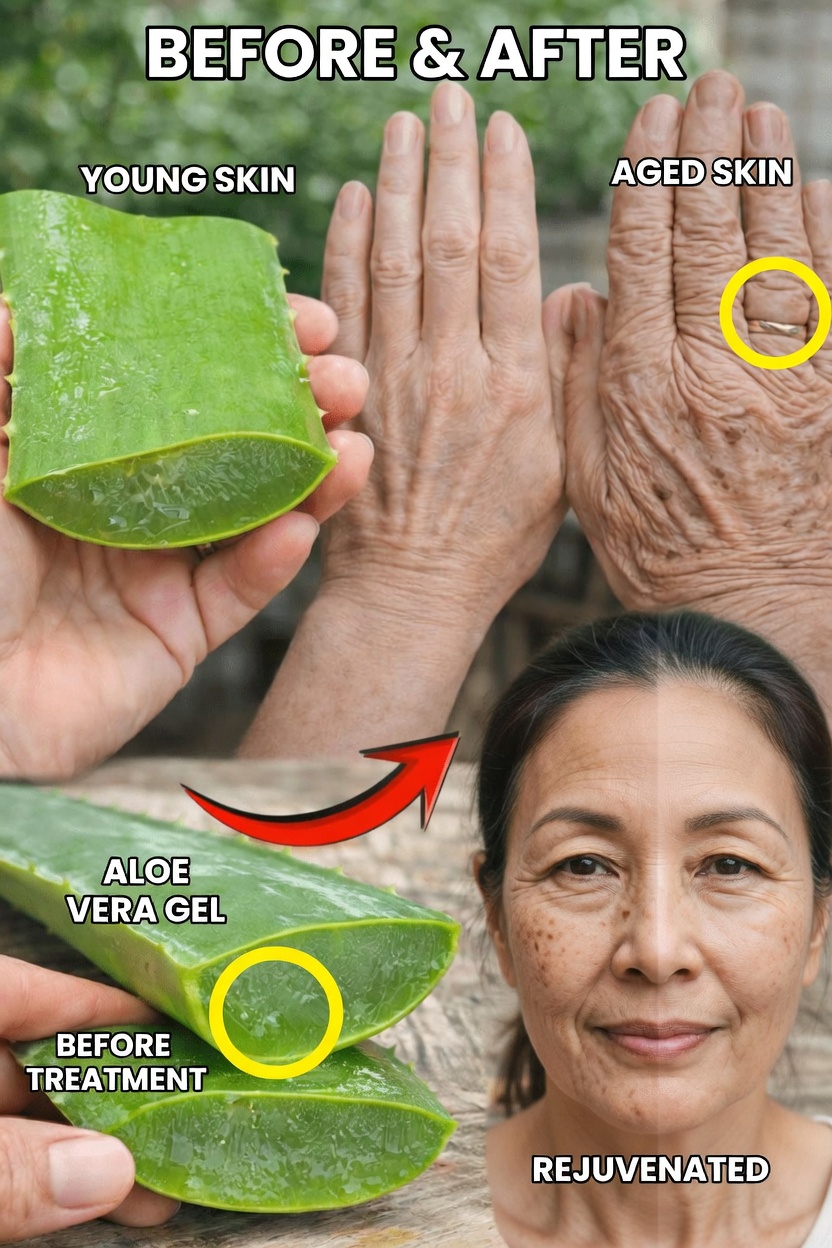
The appeal of this so-called Japanese beauty trick lies in its simplicity. Most versions involve applying pure aloe vera gel directly to the skin or mixing it with a few gentle ingredients. Fans of the method often describe a cooling effect that relieves dryness and leaves the face feeling fresh by morning.
It is not a miracle cure, but it is a practical and low-risk way to support hydration without relying on complicated formulas.
Scientific interest in aloe vera has also grown over time. A 2009 study published in the Annals of Dermatology reported improvements in skin elasticity and hydration-related markers linked to aloe vera use. Although that study focused on oral supplementation, topical aloe remains widely appreciated for its direct moisturizing and calming effects, as noted in several skincare reviews.
What Happens to Skin After 70?
Mature skin often changes in noticeable ways:
- Moisture loss happens more quickly
- Elasticity declines over time
- Cell turnover slows down
- Dryness can make the skin look dull or lined
Because of this, mild and non-harsh ingredients become especially appealing. Aloe vera fits that need well. Many users describe their skin as looking plumper and more radiant after using it consistently.
If your face has felt more dry than usual lately, this could be an easy evening step to add without overcomplicating your routine.
The Classic Pure Aloe Vera Night Application
One of the most common ways to use aloe vera is also the easiest: apply pure gel to clean skin before bed. Stories shared online often mention how smooth and silky the gel feels, along with how quickly it absorbs.
A woman in her late 60s, for example, reportedly began using pure aloe after cleansing each night. After several weeks, she noticed that her skin felt less tight and noticeably softer.
How to Use Pure Aloe Vera at Home
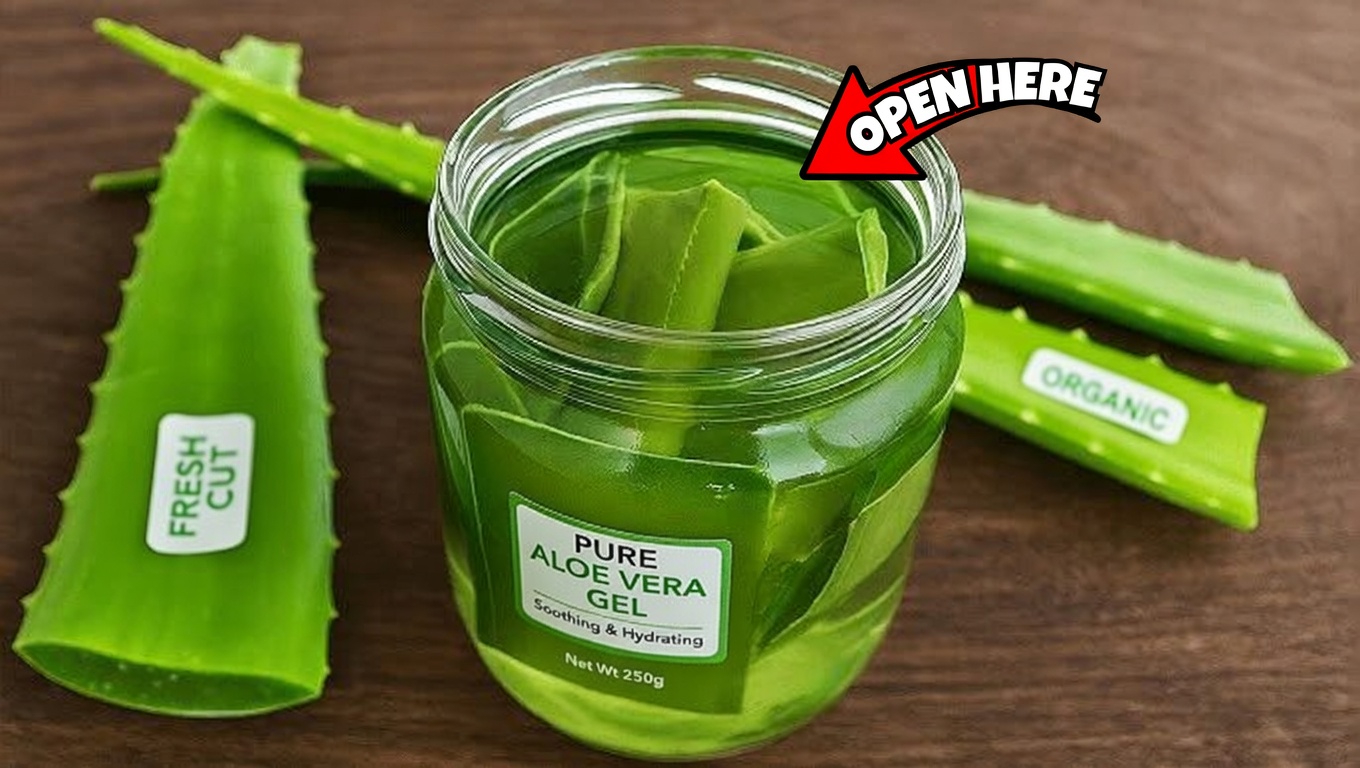
- Choose fresh aloe vera gel or a product labeled 99% to 100% pure
- Avoid formulas with added alcohol or unnecessary fragrance
- Wash your face with a gentle cleanser
- Take a small amount of gel and massage it into the skin using upward circular motions
- Focus on dry-prone areas such as the forehead, cheeks, and neck
- Leave it on overnight, or rinse after 20 to 30 minutes if that feels more comfortable
- Repeat daily, especially in the evening
This simple practice takes advantage of aloe vera’s natural water content and skin-soothing properties. For many people, the result is skin that feels fresher and more supple by morning.
Aloe Vera and Rice Water Mask for a Soft Glow
Rice water has a long history in Japanese-inspired beauty routines and is often praised for its gentle toning effect. When paired with aloe vera, it may help improve the look of dry, tired skin by adding lightweight hydration.
Users who try this combination often describe their skin as looking brighter and more refreshed with regular use.
How to Make It
- Mix 1 tablespoon of fresh aloe vera gel with 1 to 2 tablespoons of plain or fermented rice water
- Apply a thin layer to freshly cleansed skin
- Leave it on for 15 to 20 minutes
- Rinse gently with cool water
This mask may help support a smoother-looking tone while giving the skin a hydrated finish.
Aloe Vera and Honey Mask to Lock In Moisture
For those who need a little more nourishment, honey is a useful addition. It acts as a natural humectant, meaning it helps attract and hold moisture in the skin.
One 70-year-old user shared that after using this blend once a week, her skin felt calmer and looked fuller.
How to Make It
- Combine 1 teaspoon of aloe vera gel with 1/2 teaspoon of raw honey
- Massage the mixture gently onto the face
- Leave it on for 15 minutes
- Rinse well
- Pat dry and apply your regular moisturizer if needed
This option can be especially helpful for mature skin that feels rough, flaky, or extra dry.
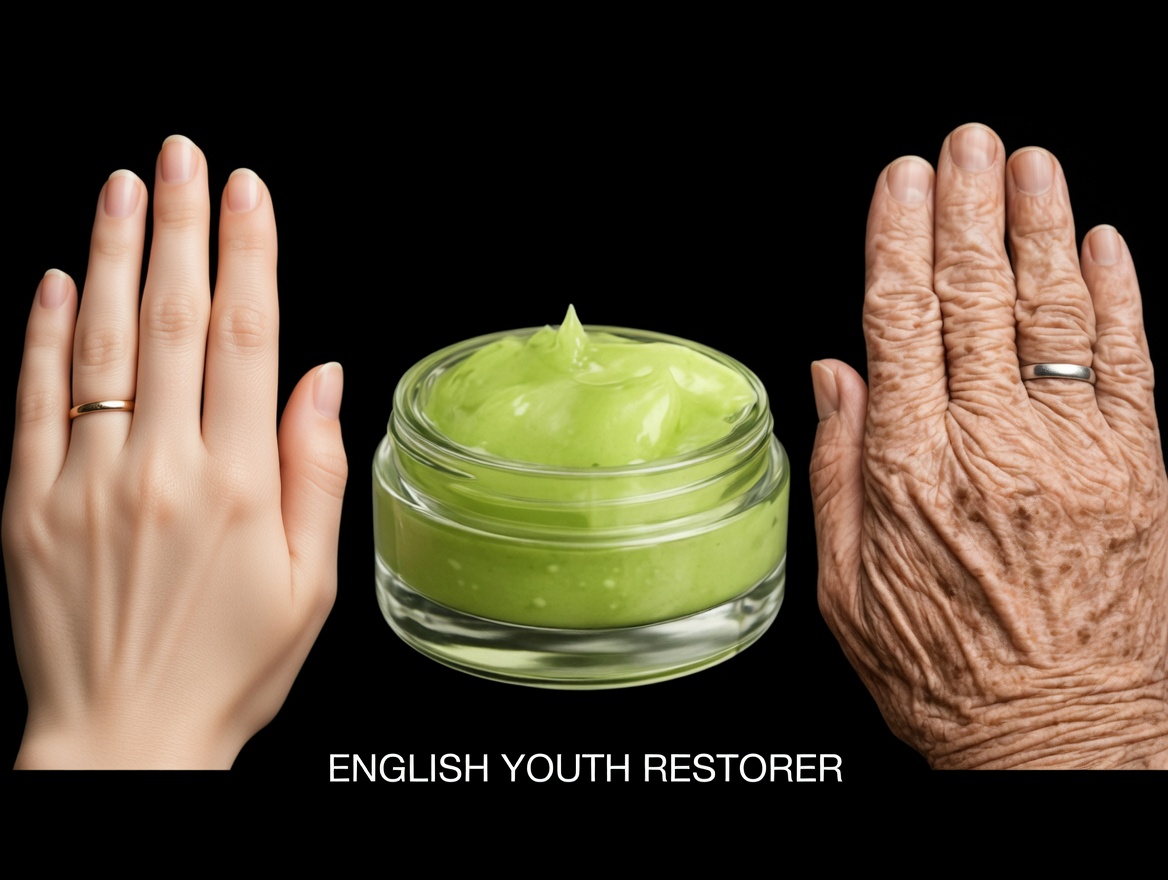
Important Safety Tips for Mature Skin
Aloe vera is generally considered gentle, but it is still important to use it carefully.
- Always do a patch test first by applying a small amount to your inner arm for 24 hours
- Choose pure, high-quality, or organic aloe vera whenever possible
- Start slowly if your skin is sensitive or reactive
- Stop use if redness, itching, or irritation develops
If you have a skin condition or ongoing sensitivity, speak with a dermatologist before adding new products to your routine.
What Aloe Vera Can Realistically Do
Aloe vera can be helpful, but it is best to approach it with realistic expectations. Here is a clearer look at what people often claim versus what it is more likely to provide.
| Common Claim | More Realistic Result | Evidence Level |
|---|---|---|
| It dramatically removes wrinkles | Better hydration may make fine lines look less obvious | Moderate |
| It creates instant youthfulness | Skin may feel softer and more comfortable over time | High from user experiences |
| It works better than every cream | It can be a gentle addition to an existing skincare routine | Complementary benefit |
| It delivers overnight transformation | It may soothe and hydrate quickly, but results build gradually | High for hydration support |
How to Add Aloe Vera to Your Routine
For the best experience, keep the routine simple and consistent:
- Use fresh aloe leaf gel or a 100% pure aloe vera gel
- Apply it every night or at least 4 to 5 times a week
- Always use it on clean skin
- Massage gently upward to help spread the product evenly
- Add moisturizer afterward if your skin still feels dry
- Wear sunscreen the next morning to protect mature skin
- Store fresh aloe in the refrigerator for an extra cooling effect
Real-Life Experiences with Aloe Vera
Personal stories often highlight why this method has become so popular. One 68-year-old woman said that after applying aloe vera nightly for a month, her skin felt firmer and the fine lines around her eyes looked less noticeable. She described the ritual as simple but luxurious.
Another woman in her 70s used aloe vera mixed with rice water once a week and loved how much brighter and less dull her skin appeared over time.
These examples do not suggest instant miracles. Instead, they point to something more realistic and often more sustainable: gentle, regular care that helps skin stay hydrated and comfortable.
Final Thoughts
This Japanese-inspired aloe vera approach is less about dramatic anti-aging promises and more about supporting the skin with steady hydration and soothing care. Whether you try pure aloe vera gel on its own or experiment with a simple rice water or honey mask, the method is easy, affordable, and calming.
With consistent use, your skin may feel softer, look fresher, and become more comfortable day after day. For an especially refreshing touch, keep your aloe vera gel chilled in the fridge before applying it.
Frequently Asked Questions
1. Is aloe vera gel safe to use on mature skin every night?
In most cases, yes. Pure aloe vera gel is usually well-tolerated and many older adults enjoy using it daily for hydration and comfort. Be sure to patch test first and choose a formula without unnecessary additives.
2. How quickly can I expect softer skin?
Some people notice improved comfort within a few days, while others see the best results after several weeks of regular use. Consistency matters most.
3. Can I use aloe vera with my usual skincare products?
Yes. Aloe vera works well as a gentle first layer after cleansing. You can follow it with your regular serum or moisturizer if your skin needs extra nourishment.
Disclaimer
This article is intended for informational purposes only and does not replace professional medical advice. For personalized recommendations, consult a healthcare provider or dermatologist.