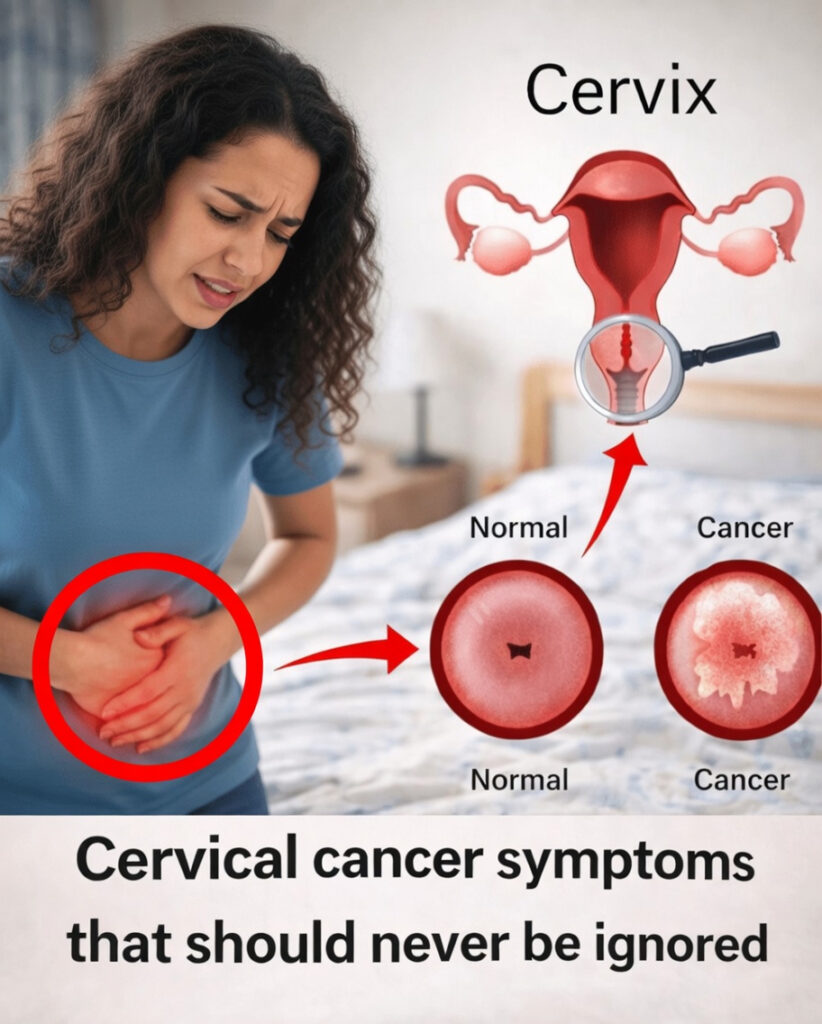
Cervical Cancer Symptoms Women Should Not Ignore
Many women move through everyday life without realizing that small body changes may be warning signs of a more serious problem. In its earliest stages, cervical cancer often develops silently. The symptoms can seem minor and are frequently mistaken for stress, infections, or hormone-related changes. As a result, many people delay seeking care, giving the disease more time to progress.
The encouraging news is that knowing the common warning signs and keeping up with routine check-ups can help you stay one step ahead. There is also one simple habit that many women underestimate, yet it can play an important role in spotting issues earlier. Keep reading to learn what it is and why it matters.
What Is Cervical Cancer?
Cervical cancer starts in the cells of the cervix, which is the lower section of the uterus connecting to the vagina. In most cases, it develops gradually over several years. It is strongly associated with long-term infection from certain high-risk strains of human papillomavirus, or HPV, a very common virus transmitted through intimate skin-to-skin contact.
At first, most women feel completely fine, which is why the condition may go unnoticed until it becomes more advanced. Research consistently shows that persistent HPV infection is involved in most cervical cancer cases. Still, not every HPV infection becomes cancer, because the immune system clears many infections naturally within a few years.
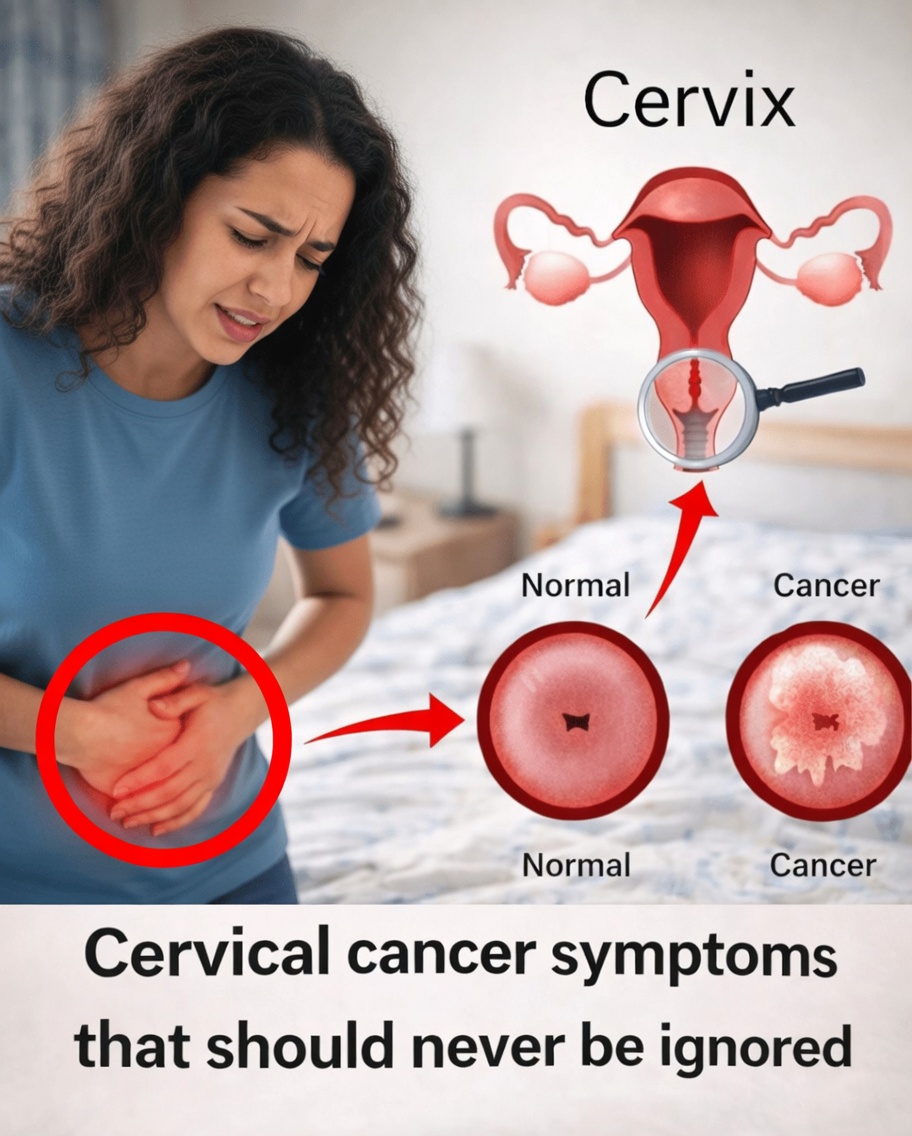
Why Early Awareness Is So Important
Although cervical cancer is now considered highly preventable, many cases are still diagnosed late because the first symptoms can be subtle or confused with other common concerns. Paying close attention to changes in your body and responding early can improve the chances of better outcomes.
Screening has also advanced significantly in recent years, making prevention and early detection more effective than ever. When symptom awareness is combined with regular testing, it creates a much stronger layer of protection.
Common Symptoms of Cervical Cancer
If you notice any of the following symptoms for more than a couple of weeks, or if they feel unusual for your body, it is a good idea to speak with a healthcare professional. These symptoms do not always mean cancer, but they should not be ignored.
1. Changes in Menstrual Bleeding
Abnormal bleeding is often one of the earliest signs women notice. This can include:
- Periods that are heavier than usual
- Menstrual bleeding that lasts longer than normal
- Spotting or bleeding between periods
- Bleeding after menopause
Because these changes are often blamed on stress, perimenopause, or hormone fluctuations, they may be easy to dismiss at first.
2. Unusual Vaginal Discharge
Discharge can vary naturally, but persistent changes deserve attention. Watch for:
- Watery discharge
- Bloody or pink-tinged discharge
- Discharge with an unusual color
- A strong or unpleasant odor
- Blood in discharge when you are not on your period
Infections and bacterial imbalances can cause similar symptoms, but ongoing changes should still be evaluated.
3. Bleeding After Sex
Light bleeding or spotting after intimate activity is another sign that should not be overlooked. In some women, this may be the first noticeable symptom, even when everything else seems normal.
4. Pain During Intimacy
If sex becomes painful or increasingly uncomfortable, pay attention. The pain may feel sharp, deep, or like pressure that was not present before.

5. Pelvic, Lower Back, or Lower Abdominal Pain
Persistent discomfort in the pelvic region, lower belly, or lower back can sometimes be linked to cervical changes, especially when it appears alongside bleeding or unusual discharge.
6. Other General Symptoms
In later stages, some women may also experience:
- Ongoing fatigue
- Reduced appetite
- Unexplained weight loss
- Swelling in the legs
- Changes in urination or bowel habits
These symptoms are usually less common in the early phase but may appear as the disease advances.
Quick Symptom Guide
| Symptom | Common Non-Serious Causes | When to Pay Closer Attention |
|---|---|---|
| Abnormal bleeding | Hormonal shifts, polyps, infections | Lasts longer than 2 weeks or happens after menopause |
| Unusual discharge | Infections, pH imbalance | Includes odor, blood, or does not go away |
| Pain during sex | Vaginal dryness, endometriosis | New symptom or becoming worse |
| Pelvic pain | Ovulation, fibroids | Constant pain or combined with bleeding |
When to See a Doctor
Do not wait too long if something feels off. It is time to make an appointment if:
- Abnormal bleeding or discharge continues for several weeks
- Pain affects your daily life or sexual activity
- You have a strong sense that something is not right
A healthcare provider can perform simple tests and examinations to find the cause. In many cases, serious concerns can be ruled out quickly, which also gives peace of mind.
How Cervical Cancer Is Usually Found
The best part is that cervical cancer can often be detected before symptoms even begin through routine screening. Current recommendations from groups such as the American Cancer Society suggest beginning screening at age 25 for people at average risk.
Common screening options include:
- Primary HPV testing every 5 years for ages 25 to 65
- Co-testing with HPV and Pap every 5 years
- Pap testing alone every 3 years if HPV testing is not available
In many places, self-collection for HPV testing is now becoming available, making screening easier and more accessible.
Practical Ways to Protect Cervical Health
Healthy prevention habits do not need to be complicated. Here are simple steps you can start using right away.
Track What Is Normal for Your Body
Keep notes on your phone or in a journal about:
- Your menstrual cycle
- Any unusual discharge
- Bleeding between periods
- Pelvic discomfort or pain during sex
Over time, patterns become easier to recognize.
Stay Up to Date With Screening
Schedule regular cervical cancer screening based on your age, medical history, and your provider’s recommendations. If you are unsure, ask whether HPV testing is the best option for you.
Ask About the HPV Vaccine
If you are under 45 and have not been vaccinated, speak with your doctor. The HPV vaccine helps protect against the strains of HPV most commonly linked to cervical cancer.
Support Your Overall Health
Your body benefits from daily habits that strengthen the immune system, such as:
- Eating a balanced diet rich in fruits and vegetables
- Staying physically active
- Avoiding smoking
- Practicing safer intimate habits
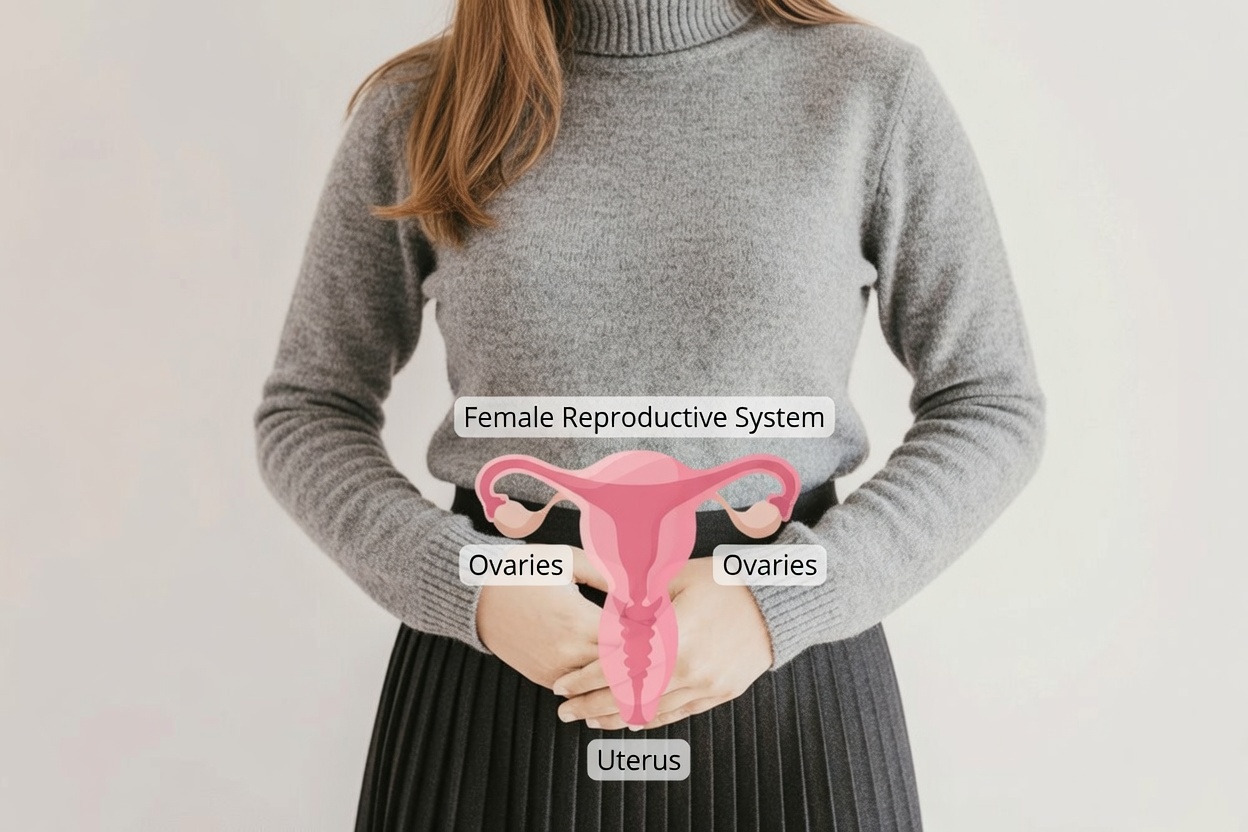
The Overlooked Habit That Can Make a Real Difference
Many women focus only on medical screenings and miss another powerful tool: consistent self-awareness. A simple monthly check-in with your body can help you notice subtle changes sooner.
That means paying attention to bleeding patterns, discharge, pain, or anything new and discussing those changes openly with your healthcare provider. Research suggests that women who communicate regularly with their care team are more likely to catch problems earlier. When this habit is combined with healthy lifestyle choices and routine screening, it creates a stronger defense.
Lifestyle Factors That May Affect Risk
No single habit can guarantee prevention, but certain choices may help your body stay more resilient:
- Do not smoke, because smoking weakens the body’s ability to respond to HPV
- Maintain a healthy weight
- Choose nutrient-dense foods that support immune health
- Manage stress through sleep, movement, and recovery
These habits work best when paired with vaccination and screening.
Final Thoughts
Paying attention to your body is one of the most valuable things you can do for your long-term health. Symptoms such as unusual bleeding, abnormal discharge, pelvic pain, or pain during sex should never be brushed aside, even if the cause turns out to be minor.
With today’s screening tools and HPV vaccines, women have more ways than ever to protect themselves. If something does not feel normal, book that appointment. A small step today can bring reassurance and better health in the future.
FAQ
What are the earliest signs of cervical cancer?
In the beginning, there may be no symptoms at all. When early signs do appear, they often include unusual bleeding, spotting between periods, or changes in vaginal discharge. Regular screening is still the most reliable way to detect problems before symptoms start.
Can cervical cancer symptoms be confused with other conditions?
Yes. Symptoms such as abnormal bleeding, discharge, or pelvic pain can also happen with infections, fibroids, hormonal changes, and other non-cancerous issues. That is why a medical evaluation is important to identify the exact cause.
How often should I be screened for cervical cancer?
For women at average risk, screening usually begins at age 25. Recommended options include primary HPV testing every 5 years, co-testing every 5 years, or a Pap test alone every 3 years if HPV testing is unavailable. Your doctor can advise what schedule is best for you.
Is HPV always a sign of cervical cancer?
No. HPV is very common, and most infections clear on their own without causing cancer. The concern is mainly with persistent infection from high-risk HPV types over time.
Does the HPV vaccine still matter for adults?
Yes. If you are under 45 and have not received the vaccine, it may still offer protection. Talk with your healthcare provider to see whether it is appropriate for you.